
Ernie Ball
Ernie Ball Mondo Slinky Nickelwound Electric Guitar Strings 10.5-52 Gauge
See current price

Compare guitar and bass accessories by instrument compatibility, construction, and everyday use. Explore practical options for playing, maintenance, storage, and setup.
3,206 products in catalog
3,206 results
Ernie Ball
See current price


WinGo
See current price

Fender
See current price

Elixir
See current price
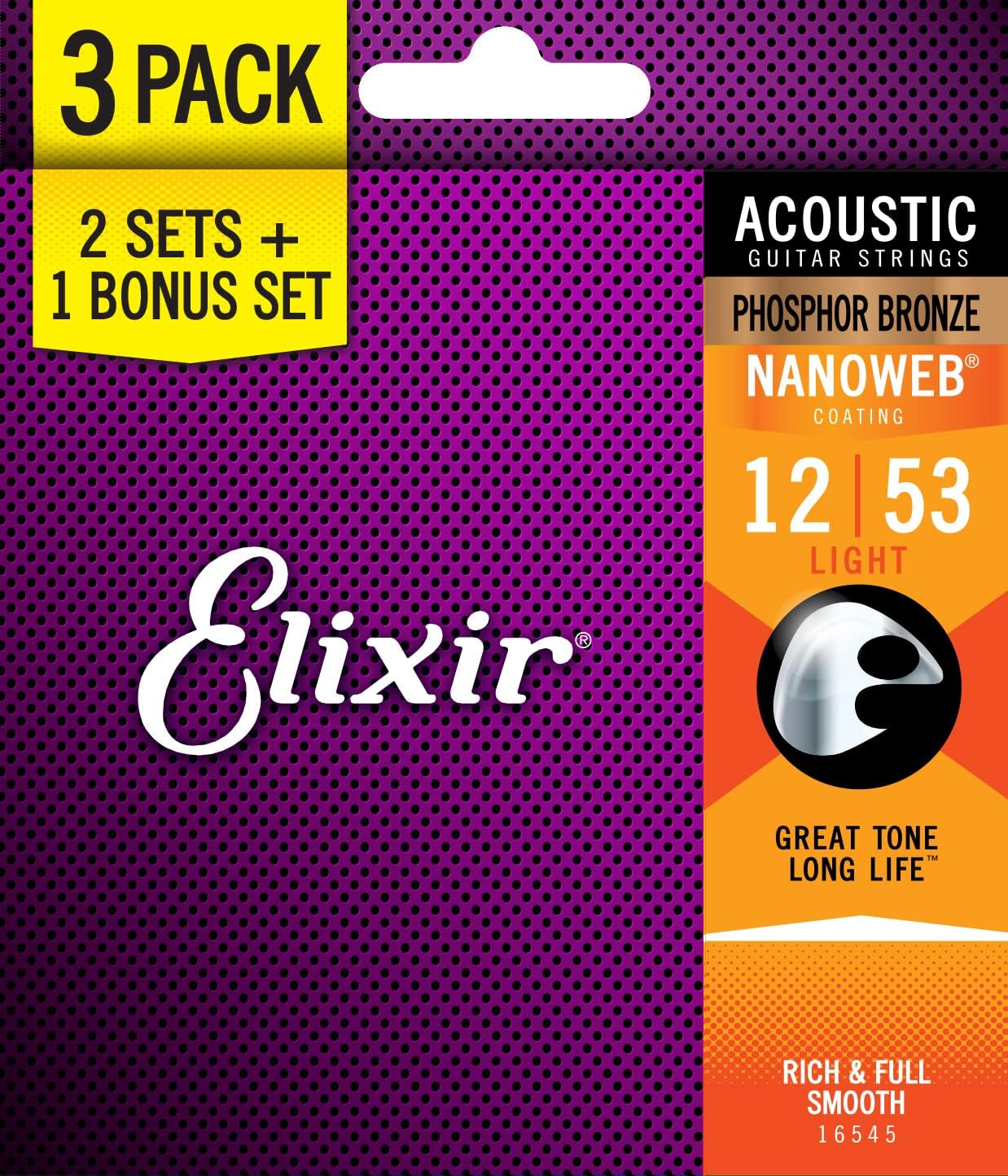


Ernie Ball
See current price



Ernie Ball
See current price


Ernie Ball
See current price
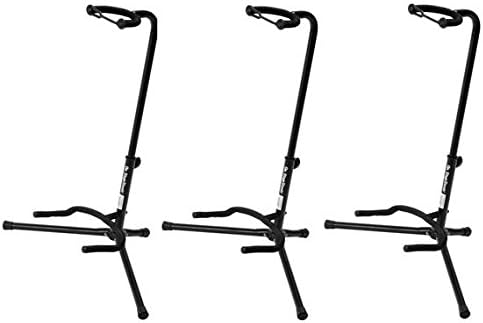


Ernie Ball
See current price
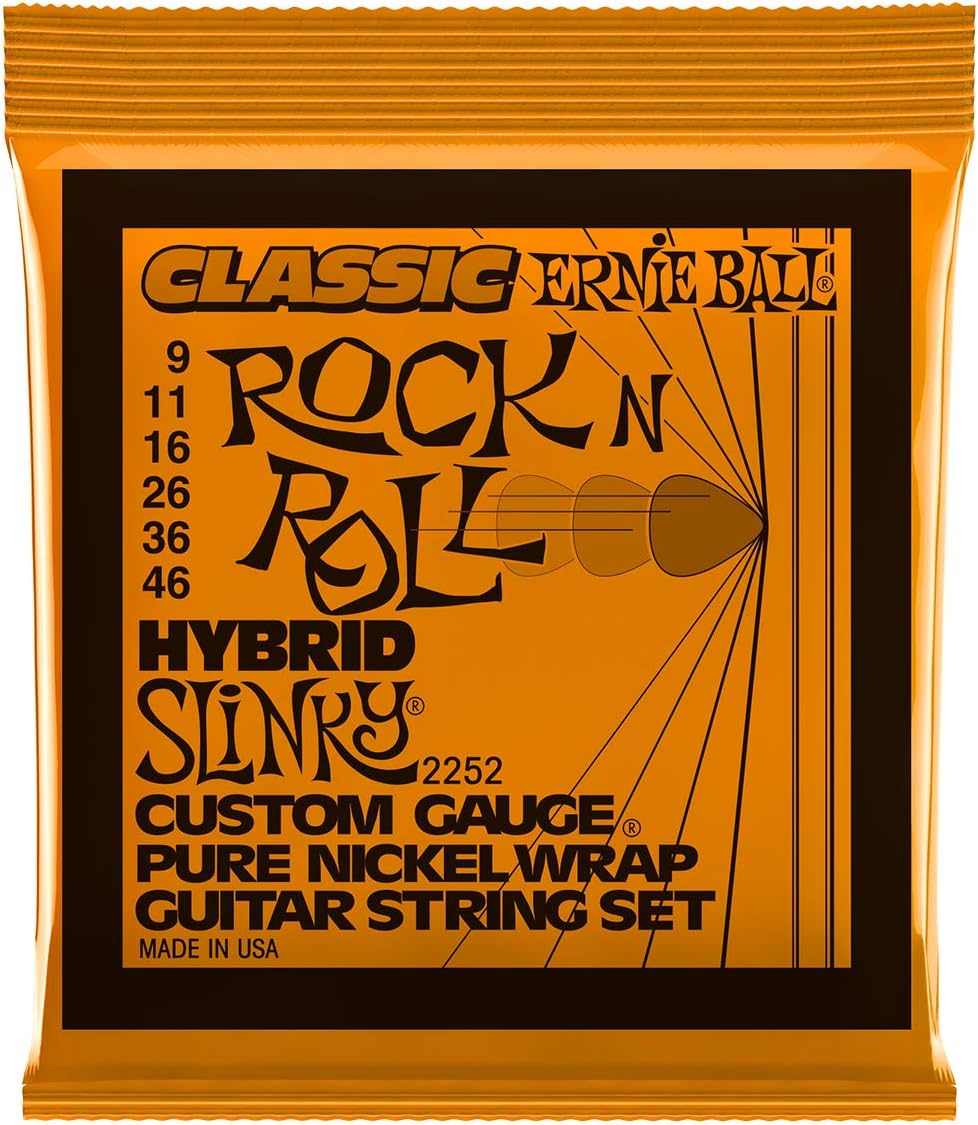
Ernie Ball
See current price

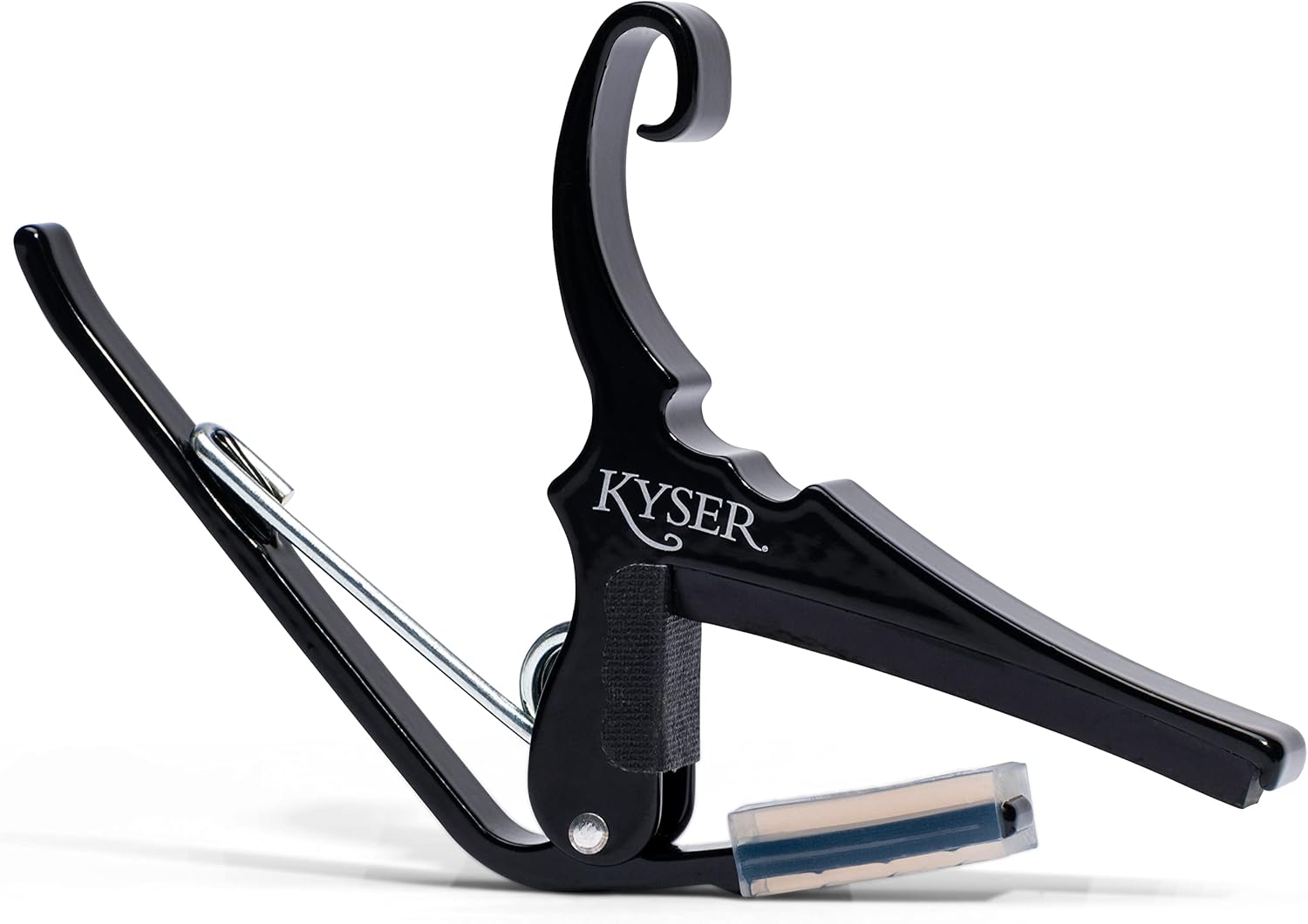

Guitar and bass accessories can change how an instrument feels, sounds, travels, and stays in playing condition. This category brings together practical add-ons for musicians, including replacement parts, playing essentials, maintenance supplies, storage solutions, and equipment for connecting instruments to other gear.
The right choice depends on the instrument, playing style, and intended use. A bass player may need different strings, cables, or strap support than an acoustic guitarist, while a performer who travels regularly may prioritize protection and portability.
Start by identifying the instrument and its fit requirements. Acoustic, electric, and bass guitars can use different accessories, and even compatible-looking items may vary in size or connection type. Check the product description for instrument compatibility before ordering.
Consider how the accessory will be used:
Material and construction are also worth comparing. For frequently used items, look for descriptions that explain durability, flexibility, finish, grip, or resistance to wear. For parts and replacements, measurements and compatibility details matter more than appearance alone.
This category includes a wide range of products rather than one single accessory type. Common groups include:
Strings are available for acoustic guitar, electric guitar, and bass, with differences in material, winding, tension, gauge, and tone. When comparing strings, match the instrument and consider whether a brighter, warmer, lighter, or more substantial playing feel suits the player. Picks, capos, slides, and finger protection accessories can also affect technique and comfort.
A strap should match the instrument’s attachment points and provide a comfortable length and width for the player. Compare the strap material, adjustability, surface texture, and attachment design. Bass players and musicians who perform while standing may place particular importance on stable support and weight distribution.
For electric guitar and bass setups, check cable length, connector type, shielding information, and intended application. Tuners may be designed for clip-on, pedalboard, or other use, so visibility and portability can be important. Compatibility with the instrument and the rest of the signal chain should come before appearance.
Maintenance products may include cleaners, conditioners, polishing cloths, tool kits, humidification products, stands, wall supports, cases, and gig bags. Compare the stated material compatibility before applying a cleaner or conditioner to a finish, fingerboard, bridge, or other instrument surface. Storage products should fit the instrument’s body shape and provide appropriate access to controls, straps, or cables.
The catalog includes products from Jim Dunlop, Fender, Musiclily, D'Addario, Ernie Ball, MusicNomad, DR Strings, KAISH, Martin, P Perri's Leathers Ltd., D'Addario Accessories, and Donner. These brands cover different accessory categories, so shoppers should compare the specifications of individual products rather than relying on brand name alone. Compatibility, dimensions, materials, and intended instrument type remain the most useful comparison points.
Guitar and bass products are part of the broader instrument-accessory selection. For accessories intended for other instruments, browse Drum & Percussion Accessories, Keyboard Accessories, or Wind & Woodwind Accessories. You can also explore Orchestral Strings Accessories & Parts and Folk & World Instrument Accessories for different instrument families. General Accessories may be useful for equipment that is not limited to one type of instrument.
Common starting points include compatible strings, picks, a strap, a tuner, a cable for electric instruments, and basic cleaning supplies. Storage or transport protection may also be useful.
Some accessories, such as certain straps or cleaning tools, may work for both. Strings, cables, cases, and replacement parts often require instrument-specific compatibility checks.
Match the strings to the instrument type first, then compare gauge, material, winding, tension, and the preferred playing feel or tonal character described by the manufacturer.
Review measurements, mounting style, number and placement of connection points, instrument compatibility, and any finish or color details that affect fit.
Keep accessories dry, organized, and protected from unnecessary heat or moisture. Store cables without sharp bends and keep maintenance products closed when not in use.