

Hardscaping Materials for Outdoor Spaces
Compare hardscaping materials for paths, patios, borders, beds, and other outdoor projects. Review materials, dimensions, finishes, and care requirements to find options suited to your landscape.
295 products in catalog
295 results
Filters

Spoontiques
Spoontiques - Garden Décor - Ladybug Stepping Stone - Decorative Stone for Garden
See current price


Outdoor Essentials
Outdoor Essentials Outdoor Faux Rock Key Hider - Water-Proof, Lightweight, Wind-Resistant, Tan
See current price



Pavilion Gift Company
Pavilion Gift Company 19058 Light Your Way Memorial Garden Stone, 10-Inch, Stars in The Sky, Original Version
See current price

Exotic Pebbles
Exotic Pebbles PMS0510 Polished Gravel, Mixed, 5 Pounds, 3/8-Inch (2 Pack)
See current price

Let's Make Memories
Let’s Make Memories Personalized Cross Memorial Stone - Sympathy - Condolences - Garden Marker
See current price

Spoontiques
Spoontiques - Garden Décor - Beautiful Garden Stepping Stone - Decorative Stone for Garden
See current price


Spoontiques
Spoontiques - Garden Décor - Ruby Slippers Stepping Stone - Decorative Stone for Garden
See current price

LTD Commodities
The Lakeside Collection Ladybug Stepping Stones for Gardens and Outdoor Flower Beds - Set of 3
See current price

The Lakeside Collection
The Lakeside Collection Ladybug Garden Stones - Decorative Outdoor Ornaments - Set of 9
See current price


Spoontiques
Spoontiques - Garden Décor - U.S. Navy Stepping Stone - Decorative Stone for Garden
See current price


Roman, Inc. - LG
Roman Your Memory Treasure Within Heart 12 Inch Resin Stone Garden Chime Figurine
See current price

Carson
Carson Home Accents Beadworks Grandchildren Welcome Garden Stone ,Resin(10154)
See current price


Spoontiques
Spoontiques - Garden Décor - Yoga Frog Stepping Stone - Decorative Stone for Garden
See current price
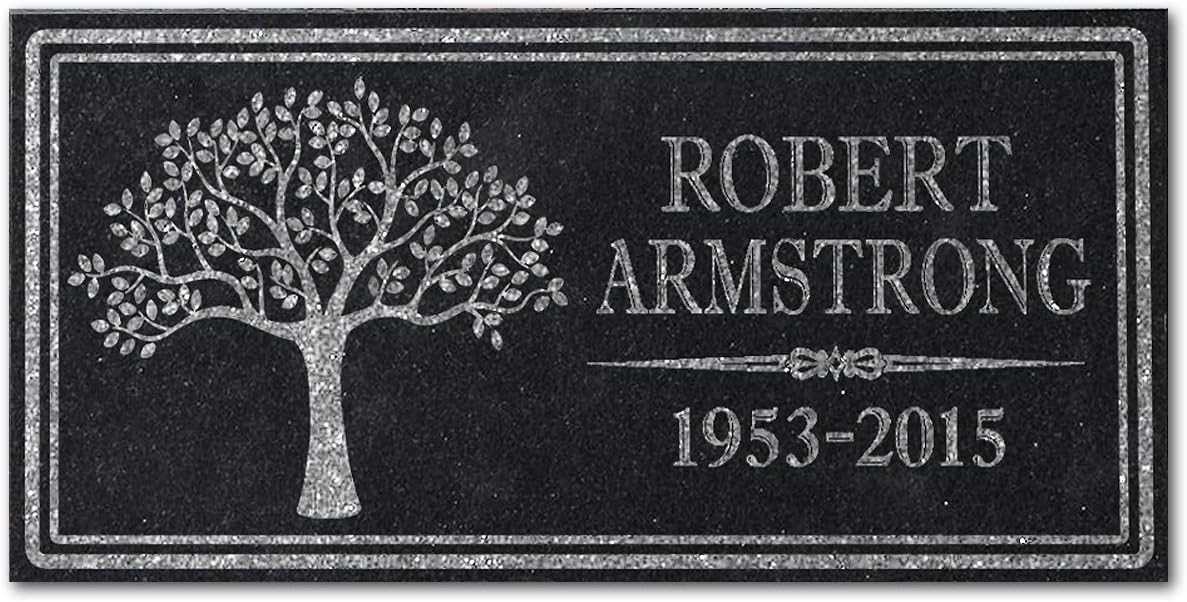
Stocking Factory
in Loving Memory Personalized Granite Memorial Stone Sympathy Remembrance of Dad Mom Child
See current price


Midwest Products Co.
Midwest Products Co. Milestones Decorative Mosaic Leaf Stepping Stone Kit for Flower Beds, Gardens, and Walkways - 901-11455
See current price
Popular brands in Hardscaping Materials
Hardscaping materials bring structure and definition to outdoor spaces, whether you are planning a walkway, outlining a garden bed, creating a patio area, or adding decorative stone around plants. Unlike living landscape elements, hardscape features are intended to provide a stable visual and functional foundation with relatively little seasonal change.
K-Catalog helps shoppers compare product specifications and features before visiting Amazon to check current availability and make a purchase. Consider the material, dimensions, finish, intended use, and installation requirements together rather than choosing based on appearance alone.
How to choose hardscaping materials
Start by identifying the job the material needs to perform. A decorative border may have different requirements from a walking surface or a support feature. Think about whether the product will be stepped on, exposed to standing water, placed near lawn equipment, or installed where soil shifts over time.
Important considerations include:
- Intended use: Decide whether you need edging, pavers, stepping stones, gravel, decorative rock, wall components, or an accent for a landscape feature.
- Material: Natural stone, concrete, brick, metal, wood, resin, and composite materials can differ in weight, texture, weather resistance, and maintenance.
- Dimensions and coverage: Check individual piece dimensions, depth, and the area a package or set is designed to cover. Matching dimensions across a project can make layout easier.
- Surface and finish: Smooth surfaces may be easier to clean, while textured or irregular finishes can provide a more natural appearance and visual contrast.
- Installation: Confirm whether the item is intended to be placed, buried, anchored, mortared, or installed over a prepared base. Tools and base materials may be sold separately.
Common types of hardscaping materials
Hardscaping products can be used for both practical construction and decorative landscaping. Pavers and stepping stones are useful for walkways, garden access, and defined patio areas. Compare their shape, thickness, surface texture, and recommended placement before planning a path.
Edging and border materials help separate planting beds from lawns, paths, or gravel areas. Look for dimensions, connection methods, flexibility, and how securely the pieces stay in place. For a softer garden design, irregular stone or natural-looking finishes may blend more easily with plants.
Decorative rock, gravel, and stone can cover bare soil, define areas around containers, or add color and texture to a landscape. Compare stone size, color variation, shape, and whether the product is suited to ground cover or a more decorative display. Small pieces can move more easily in rain or on sloped ground, while larger pieces may create a more prominent visual accent.
Wall blocks and structural-looking elements may help define raised areas or create a tiered appearance. Before selecting them, verify the product’s intended purpose, dimensions, weight, and installation guidance. Decorative products should not automatically be treated as load-bearing construction materials.
Features and specifications to compare
The most useful product details depend on the project, but several specifications deserve close attention. Measure the planned area first and sketch the layout, including curves, corners, drainage paths, and access points. This helps you compare products consistently and avoid choosing pieces that are difficult to position.
Check whether the dimensions describe one item, a set, or a package. For stones and other irregular pieces, the stated size may be approximate rather than uniform. Weight also matters: heavy materials may be difficult to transport and position, while lightweight products may require more attention to anchoring or placement.
For outdoor use, review information about weather exposure, moisture, fading, temperature changes, and cleaning. If the material will be near a lawn, pool, pond, or planting bed, consider how easily dirt, moss, mulch, or leaves can be removed. Products with textured surfaces may hide debris but can take more effort to clean.
Color is another practical choice. Neutral stone tones can coordinate with many planting styles, while bold colors or decorative finishes can become a focal point. If adding pieces to an existing area, compare the new material with nearby paving, siding, fencing, planters, and outdoor furniture.
Brands represented in the catalog
The catalog includes hardscaping and outdoor décor products from brands such as Spoontiques, Midwest Products Co., OUPENG, Anothera, Margo Garden Products, DekoRRa, GASPRO, Carson, Southwest Boulder & Stone, CJGQ, Gooteff, and Ganz. Brand availability can vary by product type, so compare the specifications and intended use of each individual item rather than relying on brand name alone.
Hardscaping materials can also work alongside other outdoor accents. Browse Outdoor Décor for the wider category, or compare related options such as Garden Sculptures & Statues, Water Gardens & Ponds, and Backyard Birding & Wildlife. For seasonal or sign-based displays, Outdoor Holiday Decorations, Flags, and Yard Signs may help complete the space.
Planning and care tips
Prepare the installation area before placing materials. Remove loose vegetation, check for drainage concerns, and use a level or straightedge where an even surface matters. For paths and borders, mark the layout first so you can adjust curves and transitions before committing to the final arrangement.
Keep packaging and product instructions available during installation. Do not assume that a decorative material is suitable for vehicles, retaining pressure, or frequent foot traffic unless the product information specifically supports that use. Periodically remove leaves, soil, and standing water, and check whether pieces have shifted after severe weather.
Frequently asked questions
What are hardscaping materials used for?
Hardscaping materials are used to create or decorate nonliving landscape features such as paths, patios, borders, edging, ground cover, and garden accents.
How do I choose the right material for a walkway?
Compare surface texture, dimensions, thickness, weight, weather exposure, and installation requirements. Select products intended for walking surfaces rather than decorative placement only.
What should I measure before buying?
Measure the project area, including length, width, curves, corners, and depth where relevant. Also check each product’s stated dimensions and coverage information.
Are all hardscaping materials suitable for outdoor use?
No. Confirm that the product is designed for outdoor exposure and review guidance about moisture, sunlight, temperature changes, cleaning, and installation.
How can hardscaping materials coordinate with existing landscaping?
Compare color, texture, scale, and finish with nearby plants, fencing, structures, planters, and outdoor furnishings. A consistent palette can make separate features look connected.