

Headlight & Tail Light Conversion Kits
Compare headlight and tail light conversion kits by vehicle fit, bulb type, beam pattern, wiring, and installation needs. Review specifications to narrow down compatible options.
332 products in catalog
332 results
Filters
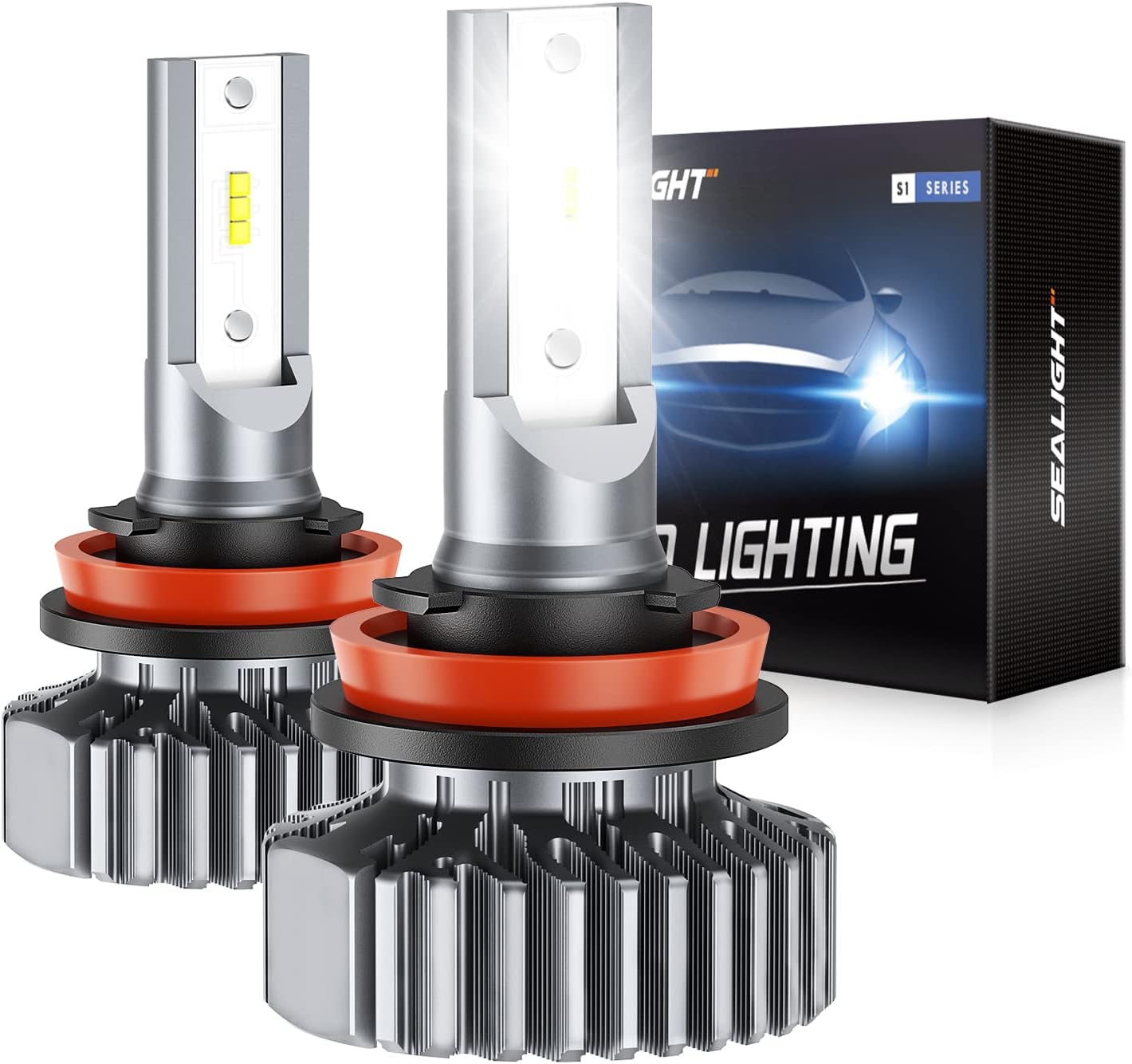


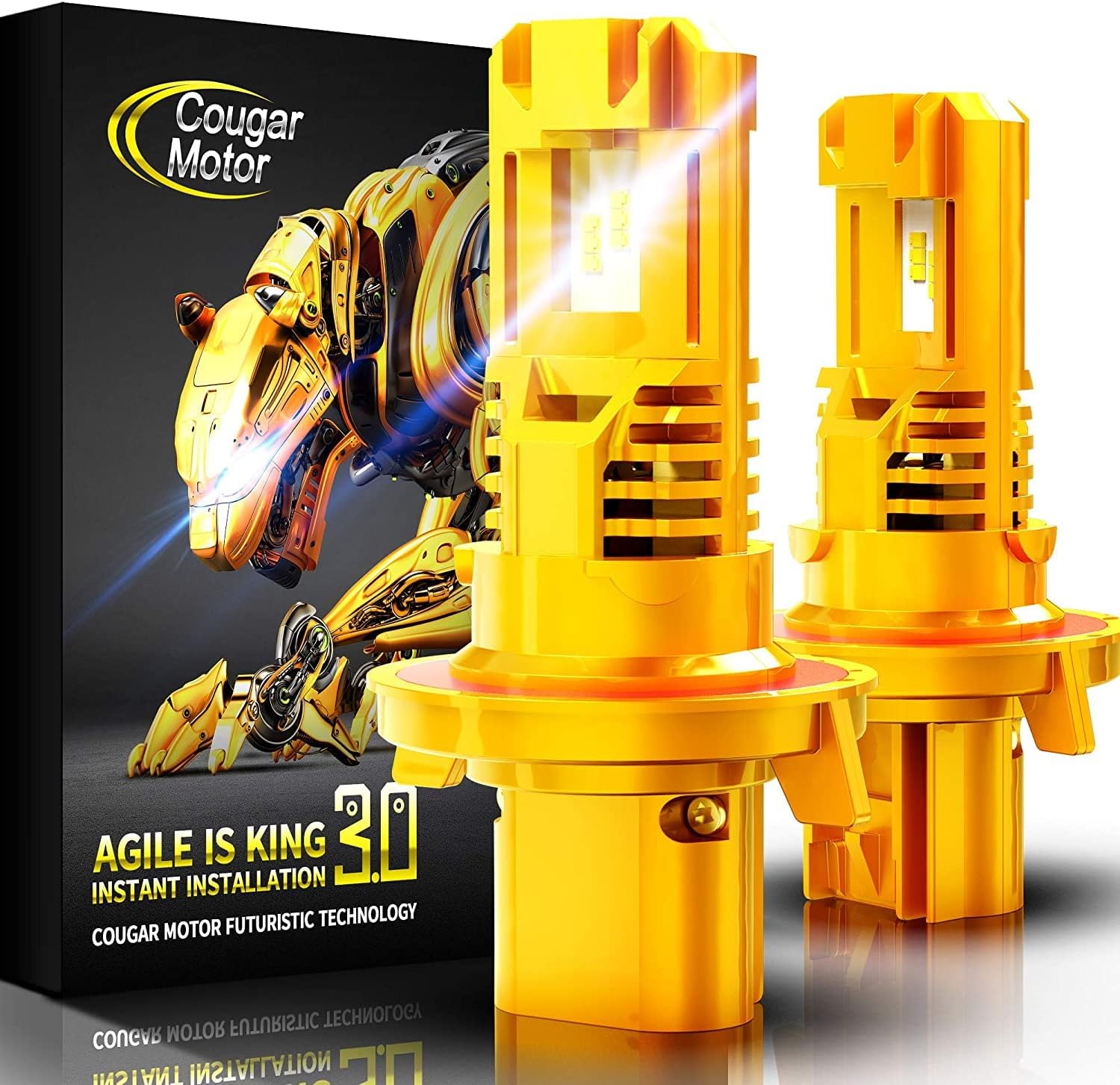


Popular brands in Headlight & Tail Light Conversion Kits
Headlight and tail light conversion kits can help replace or change a vehicle’s existing lighting setup. Depending on the kit, the package may include bulbs, adapters, wiring components, or other parts needed for a particular conversion. Compatibility is the first priority: a kit that fits one vehicle, socket, or lighting system may not work with another.
Use this category to compare the specifications and included components of available kits before clicking through to Amazon for the latest product information. The catalog includes options from brands such as Xtremevision, Bowoshen, HIKARI WINGS, LEPPEIN, DICN, BEAMTECH, KATUR, SEALIGHT, YUMSEEN, Cougar Motor, OPT7, and Xentec.
How to choose a conversion kit
Start by identifying the lighting position and the vehicle’s existing setup. Check whether the kit is intended for headlights, tail lights, or both, then confirm the required bulb or socket type in the vehicle manual or with the original component. A conversion kit should match the application rather than being selected only by appearance.
Important questions include:
- Does the kit list your vehicle, lighting position, and model-year range?
- Is it designed for the existing socket and electrical system?
- Are all required adapters, harnesses, resistors, or mounting parts included?
- Does the intended light color and beam pattern suit the vehicle’s use?
- Will installation require changes to factory wiring or additional components?
When a product listing does not clearly identify compatibility, compare the connector shape, bulb designation, voltage requirements, and installation instructions before choosing.
Common conversion kit applications
Headlight conversion kits are generally chosen when replacing an existing headlight bulb type or changing the lighting technology used by the vehicle. Fitment, beam alignment, heat management, and electrical compatibility deserve particular attention because headlight performance depends on how the light source works with the vehicle’s housing and reflector.
Tail light conversion kits may be used for replacement or for adapting a lighting setup to a different bulb or connection style. Look for clear information about brake, running-light, turn-signal, or reverse-light functions where applicable. A kit intended for one tail light function may not provide the components needed for another.
Some kits are designed as direct replacements, while others may need extra wiring or adjustments. The product description should explain whether the installation is plug-and-play or requires wiring work.
Specifications and features to compare
Bulb and socket type: Confirm the exact designation and connector style. Similar-looking bulbs can use different bases or fitments.
Vehicle compatibility: Check the listed make, model, year range, trim, and lighting position. Broad compatibility claims should still be compared with the vehicle’s original equipment.
Electrical requirements: Review voltage, wattage, polarity, and whether the kit is intended for a factory or modified electrical system. Some vehicles may require additional load-management or error-prevention components after a conversion.
Beam and light pattern: For headlights, the light source must work properly with the housing. A strong-looking bulb is not a substitute for a correctly controlled beam. Check whether the product is designed for the relevant headlight configuration.
Color and appearance: Compare the listed color temperature or light color with your preference and local requirements. Tail lights and turn signals may have specific visibility expectations, so appearance should not be the only consideration.
Included parts: Review the package contents carefully. A kit may include bulbs only, or it may also contain ballasts, adapters, harnesses, mounting hardware, or other installation pieces.
Installation and compatibility tips
Read the installation instructions before removing the original lighting components. Keep the factory parts available until the conversion has been installed and checked. After installation, test each function, including low and high beams, running lights, brake lights, turn signals, and reverse lights as applicable.
Make sure connectors are fully seated and wiring is routed away from heat, sharp edges, and moving parts. Headlight housings should be properly secured and aimed after installation. If the conversion requires cutting factory wiring, adding relays, or diagnosing electrical warnings, professional installation may be the safer choice.
Also check local vehicle lighting rules before using a conversion kit on public roads. Requirements can vary by location and may apply to color, beam alignment, visibility, and approved equipment.
Related lighting categories
For individual replacement light sources, browse Bulbs. Vehicle owners comparing complete housings, brackets, or other fitment parts may also want Lighting Assemblies & Accessories. Other lighting needs are covered by Accent & Off Road Lighting, Warning & Emergency Lights, and Light Covers.
Brands in the catalog
The catalog includes conversion kit listings from Xtremevision, Bowoshen, HIKARI WINGS, LEPPEIN, DICN, BEAMTECH, KATUR, SEALIGHT, YUMSEEN, Cougar Motor, OPT7, and Xentec. Compare each listing by fitment, included parts, electrical specifications, and installation requirements rather than choosing by brand name alone.
Frequently asked questions
How do I know which conversion kit fits my vehicle?
Match the kit’s listed vehicle fitment, bulb designation, socket, voltage, and lighting position with the vehicle manual and the original component. When details conflict, do not assume compatibility.
Are conversion kits sold as complete installations?
Not always. Some include bulbs and adapters, while others may require separate wiring, resistors, ballasts, or mounting parts. Check the package contents and installation notes.
Can a headlight conversion kit improve visibility?
Visibility depends on the bulb, housing, beam pattern, alignment, weather, and road conditions. A compatible kit with correct aiming is more important than light output claims alone.
Do tail light conversions need special wiring?
Some vehicles may need additional components to work correctly with a different bulb or electrical load. Review the vehicle-specific instructions and check for warning lights or function issues after installation.
Should headlights be aimed after installation?
Yes. Any change to the headlight bulb or housing should be followed by a beam-alignment check so the road is illuminated appropriately without creating excessive glare for other drivers.