

RV Heating, Ventilation & Air Conditioning
Compare RV heating, ventilation and air-conditioning equipment by installation type, dimensions, power requirements and compatibility. Use the available specifications to narrow down parts for your setup.
258 products in catalog
258 results
Filters


Camp'N
Camp'N RV Exhaust Vent Cover - RV Range Hood Vent/RV Range Hood Cover/Sidewall Vent (White)
See current price


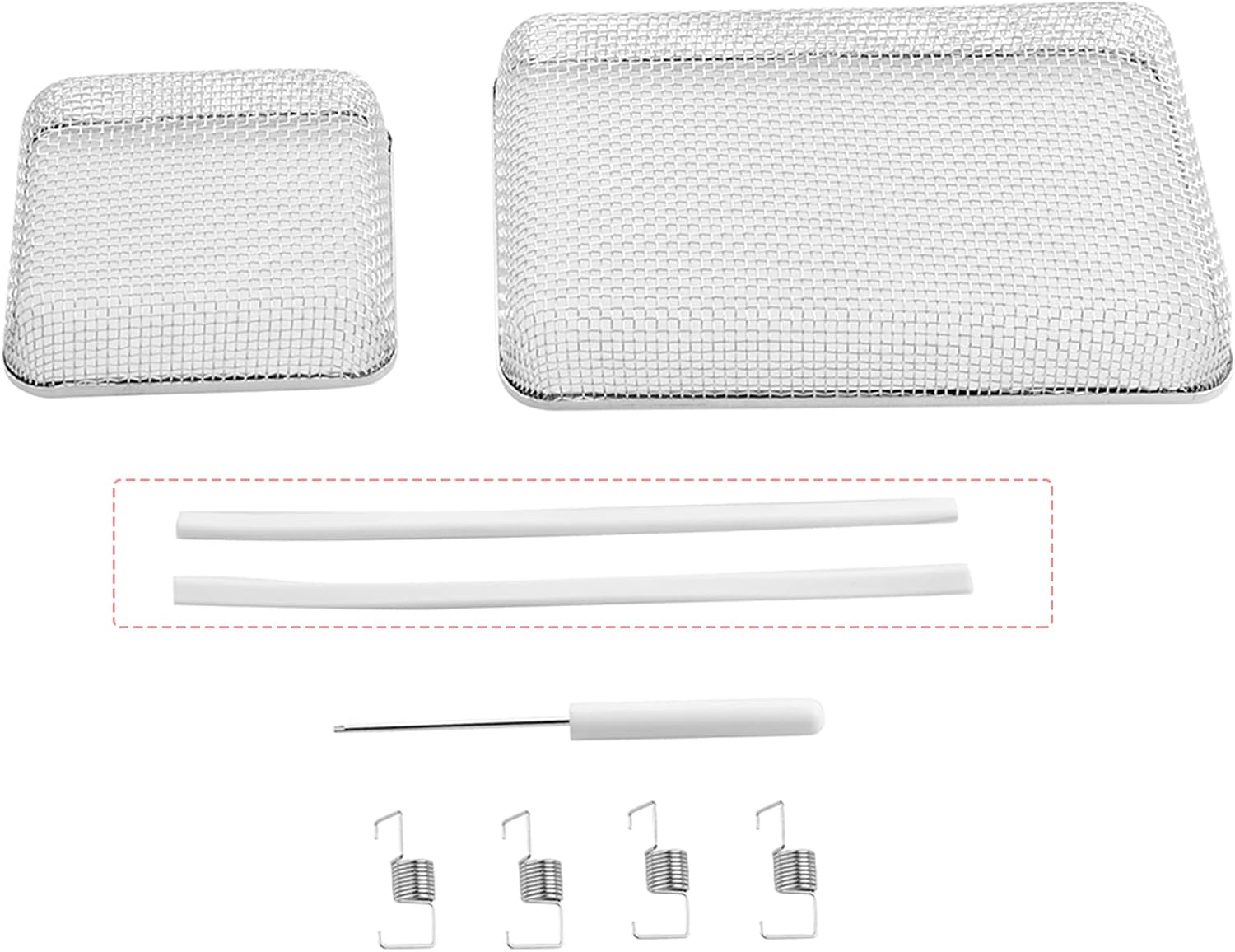


Anydream
RV Ducted Air Conditioner Grill Cover with Interior A/C Filters Pad Accessories Replaces 3104928.019
See current price


Popular brands in Heating, Ventilation & Air Conditioning
RV heating, ventilation and air-conditioning equipment helps manage temperature, airflow and comfort inside a motorhome, travel trailer or camper. The right replacement or upgrade depends on more than the product name: installation dimensions, electrical requirements, ducting and control compatibility all matter.
This K-Catalog category brings together HVAC-related options from brands including DOMETIC, Maxx Air, Heng's, Camco, Ventline, Wadoy, Fan-Tastic Vent, Cynder, HENG'S IND, Atwood, Suburban and Valterra. Compare the listed specifications and features, then check the current product details on Amazon before buying.
How to choose RV HVAC equipment
Start by identifying what the RV needs. A roof vent, powered ventilation fan, furnace component and air-conditioning accessory can look similar in a broad catalog but serve very different purposes. If you are replacing an existing part, use the old component’s measurements, connection details and manufacturer information as a reference.
Key questions include:
- Is this a complete appliance, a replacement component or an installation accessory?
- Does it fit the existing roof opening, wall opening, duct system or mounting location?
- What voltage, wiring, fuse and control requirements apply?
- Is the part intended for ventilation, heating, cooling or moisture management?
- Will installation require access to the roof, gas system, ductwork or electrical wiring?
For a broader selection of RV components, browse the RV Parts & Accessories category.
Common types and applications
Ventilation fans and roof vents
Powered roof fans can help move stale, warm or humid air out of the living area. Passive vents may provide airflow without a motor. When comparing these products, check the vent opening size, roof thickness range, fan controls, direction of airflow and whether a rain cover or replacement lid is included.
Heating equipment and furnace parts
RV heating systems may use dedicated furnaces, ducts, thermostats, access panels or replacement components. Confirm compatibility with the existing heating system rather than choosing by appearance alone. Pay close attention to fuel type, ignition or control connections, duct size and installation clearances. Gas appliances should be installed and checked according to the manufacturer’s instructions and applicable safety requirements.
Air-conditioning components
RV air-conditioning equipment can include roof-mounted units, control parts, vents, filters and installation accessories. Compare the mounting pattern, opening dimensions, power requirements, thermostat compatibility and ducted or non-ducted configuration. If replacing only one component, verify that it is designed for the specific system already installed in the RV.
Specifications and features to compare
Fit and dimensions are often the first compatibility checks. Measure the available opening and surrounding clearance, and compare those measurements with the product specifications. For replacement lids, screens, motors or vents, also check the shape and attachment method.
Power and controls matter for anything with a motor, heater or compressor. Review the listed voltage, wiring connections, fuse requirements and control method. A part that appears physically compatible may still require a different switch, thermostat or wiring arrangement.
Airflow and ducting affect how ventilation and conditioned air move through the RV. Check whether the product is designed for a ducted system, a direct room outlet or roof ventilation. Fan speed settings, reversible airflow and vent controls may also influence how well it suits the intended space.
Weather resistance and materials are important for roof-mounted components exposed to sun, rain and temperature changes. Look for compatible seals, covers, screens and mounting hardware, and confirm whether those items are included or need to be purchased separately.
Brands represented in the catalog
The catalog includes RV HVAC-related listings from DOMETIC, Maxx Air, Heng's, Camco, Ventline, Wadoy, Fan-Tastic Vent, Cynder, HENG'S IND, Atwood, Suburban and Valterra. Brand names can help identify replacement compatibility, but the specifications should still be checked carefully. Part dimensions, electrical connections and system design are more useful than brand familiarity alone when matching a component.
Related RV systems to check
HVAC installation can overlap with other parts of an RV. Review Exterior for roof and body components, Plumbing for water-system work, and Power & Electrical when a fan, furnace or air conditioner connects to the RV’s electrical system.
For projects inside the living area, Interior may help with related fittings and trim. Cleaning & Maintenance is useful when preparing vents, filters or surrounding surfaces, while Safety & Security can help with broader RV safety equipment.
Installation and maintenance tips
Document the existing wiring and take measurements before removing a component. Keep the product manual and note the position of seals, covers, ducts and mounting hardware. After installation, inspect for loose connections, air leaks, water entry and unusual noise. Replace or clean accessible filters and screens as directed by the manufacturer.
Work carefully around roof openings, propane lines and high-current electrical connections. If the installation involves fuel-burning equipment, refrigerant systems or unfamiliar wiring, a qualified technician can help verify safe operation.
Frequently asked questions
How do I know whether an RV vent or fan will fit?
Compare the listed opening dimensions, roof thickness range, mounting pattern and connection details with the existing vent or fan. Also check whether the product is a replacement lid, motor, complete assembly or accessory.
Can I replace an RV HVAC component without replacing the entire system?
Sometimes. Compatibility depends on the system design and the replacement part. Confirm dimensions, controls, wiring, ducting and manufacturer specifications before choosing an individual component.
What should I check before buying a roof-mounted HVAC part?
Check the roof opening, available clearance, mounting hardware, seals, weather exposure and electrical requirements. Make sure the part suits a ducted or non-ducted arrangement as needed.
Are RV furnace and air-conditioning parts interchangeable?
Generally, heating and cooling systems use different components and connection requirements. Match each part to the specific appliance and verify the manufacturer’s compatibility information.
When should an RV HVAC installation be handled by a professional?
Professional help is advisable for work involving propane, refrigerant, roof sealing or complex electrical wiring. Safe installation also requires following the product instructions and applicable local requirements.