
Horsemen's Pride
Horsemen's Pride 100% Himalayan Salt Block on Rope for Horses,7.5 Pounds
See current price

Compare horse treats by ingredients, format, and feeding guidance to find options suited to your horse’s routine. Browse catalog details before checking current availability on Amazon.
27 products in catalog
27 results
Horsemen's Pride
See current price


Milliard
See current price


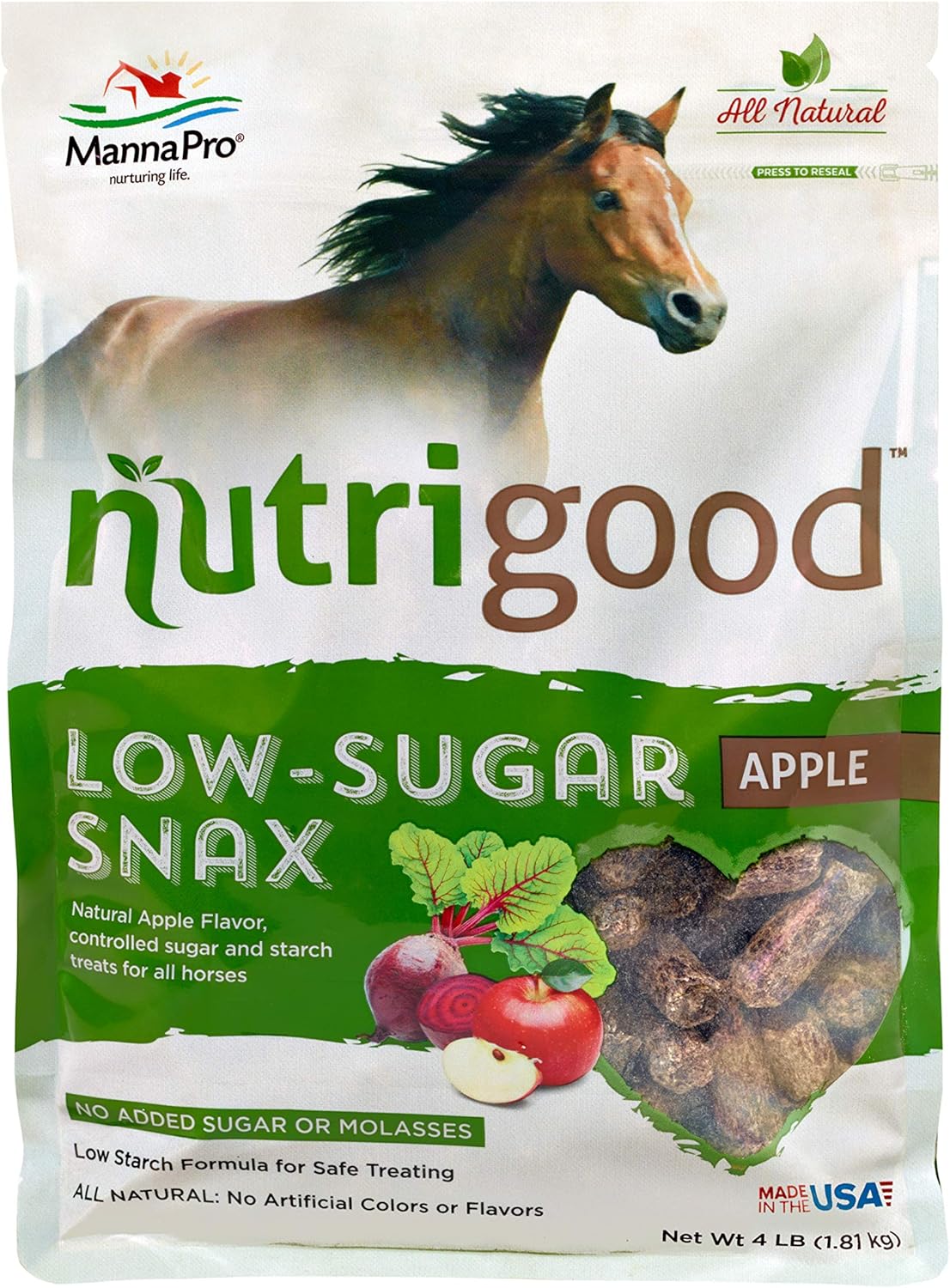


Manna Pro- Pets
See current price


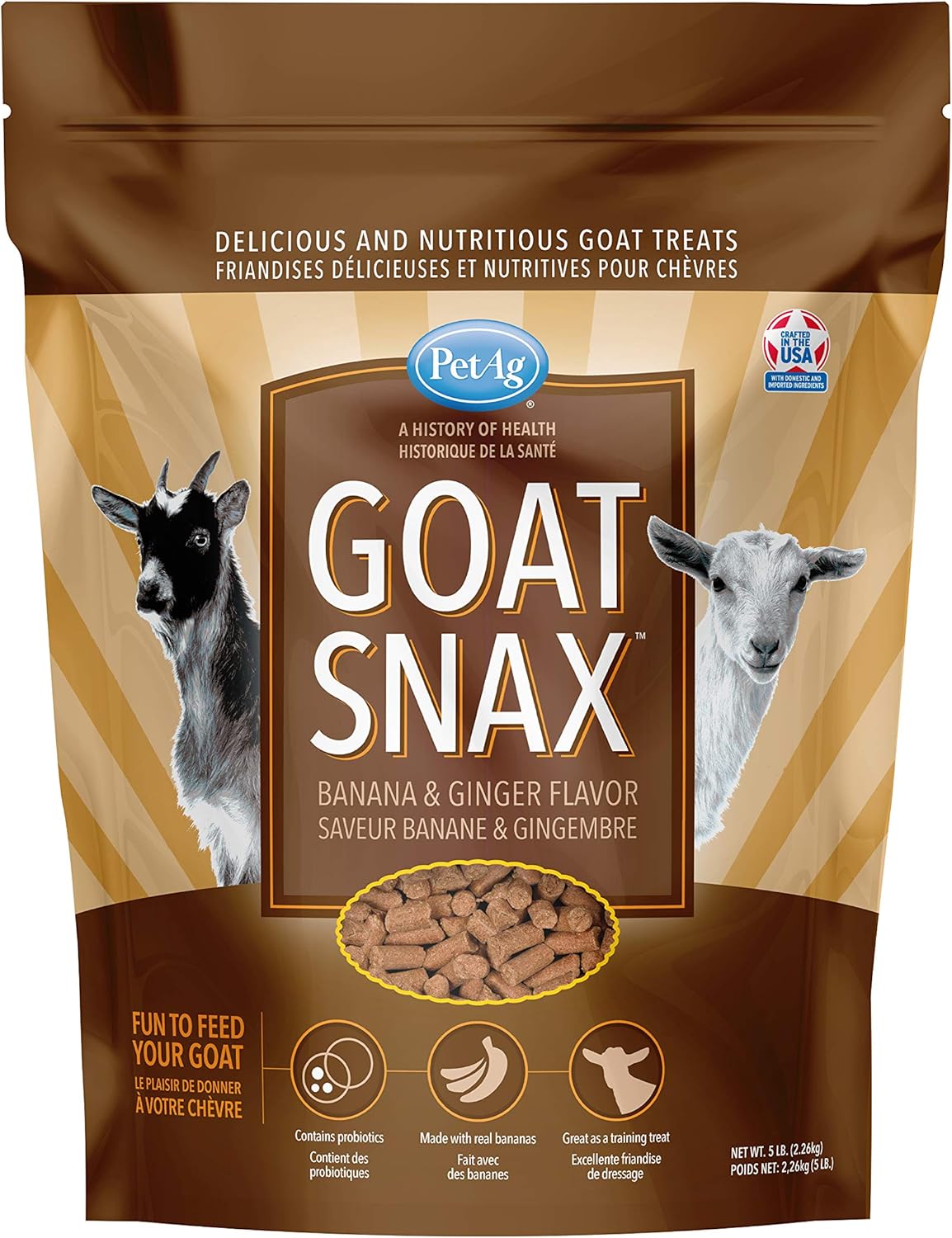


Horse treats can be useful for training, bonding, enrichment, or simply adding variety to a horse’s routine. The right choice depends on more than flavor: ingredients, texture, portion guidance, and your horse’s dietary needs all matter.
K-Catalog helps shoppers compare product specifications and features across the Treats category. Use the product information to narrow the selection, then check the listing for the latest details before buying.
Start with your horse’s overall diet and the reason for offering treats. A treat used during groundwork may need to be easy to handle and quick to eat, while an occasional reward can place more emphasis on flavor, texture, or enrichment.
Consider these factors before choosing:
Although this category does not have separate catalog subcategories, treats can be compared by how they fit into a horse’s daily routine.
Training rewards should be practical to carry, portion, and offer without interrupting the exercise session. A manageable texture and size can make a difference during groundwork, lessons, or handling practice.
Bonding and occasional rewards may prioritize palatability and variety. Even with a preferred treat, offer portions thoughtfully and avoid allowing treats to replace balanced feed or forage.
Enrichment treats can add interest to stable time when used in an appropriate, supervised way. Consider the format, durability, and whether the treat is suitable for the intended setting.
For broader equine shopping, browse Horses or compare related Stable Supplies for products that support the horse’s everyday environment.
Product pages can differ in the amount of information they provide, so compare like details wherever possible. Pay attention to the following:
If a horse has known food sensitivities, metabolic concerns, dental limitations, or a history of digestive problems, do not rely on the product name alone. Review the full label and ask a qualified professional when the suitability of an ingredient is uncertain.
The Treats catalog includes products from Purina, Equus Magnificus, Himalayan Secrets, Manna Pro, Manna Pro- Pets, Mrs. Pastures, Horse Guard, Prime Pet Deals - Code 1, Horslyx, Pearl Organic, PetAg Inc., and Adirondack Pet Food. These brands provide options to compare by formula, format, packaging information, and feeding guidance. Brand presence is provided for catalog comparison and is not an endorsement of any particular product.
You may also want to compare Health Supplies when dietary considerations are part of a broader care routine, or explore Grooming & Bathing Supplies for other everyday horse-care needs.
Introduce a new treat gradually, especially if your horse has a sensitive digestive system or a restricted diet. Offer treats from a safe position and avoid encouraging biting or pushing behavior. Treats should not be used as a substitute for forage, water, or a complete feeding program.
Keep packaging and feeding instructions available after purchase. If more than one person handles the horse, consistent rules about treat type, portioning, and timing can help prevent accidental overfeeding. For horses with medical or nutritional concerns, confirm the choice with a veterinarian or qualified equine nutritionist.
Not necessarily. Suitability depends on the horse’s age, health, diet, sensitivities, and feeding plan. Check the ingredients and ask a professional when in doubt.
Look for transparent ingredient information and compare it with your horse’s existing diet. Pay particular attention to ingredients your horse must avoid and any guidance about sugar, starch, or allergens.
A treat that is easy to carry, portion, and offer quickly is generally practical for training. Choose a format your horse can eat safely without disrupting the session.
Follow the storage instructions on the product packaging. In general, keep treats protected from moisture, heat, pests, and contamination, and reseal the package after use.
No. Treats are rewards or supplements to a feeding routine, not a replacement for appropriate forage, water, and balanced feed.