

Indian Cuisine: Spices, Foods & Pantry Staples
Explore Indian cuisine foods for everyday cooking, quick meals, snacks, drinks, and pantry stocking. Compare ingredients, formats, preparation needs, and dietary details before choosing products.
30 products in catalog
30 results
Filters


Spicy World
Spicy World Dried Persian Limes (Lime Omani) 7 Ounce Bag - Approx 25-30 Count! - Limu Omani Dried Whole Lime
See current price

Organic Tattva
Organic Tattva Gram Flour Besan, ChickPea Flour, 500g Certified By USDA Organic
See current price




Popular brands in Indian Cuisine
Indian cuisine includes a wide range of regional flavors, cooking styles, and convenient food formats. Whether you are preparing dal, curry, biryani, chai, or a quick snack, the right ingredients and preparation format can make shopping easier.
This K-Catalog page helps you compare products listed under Indian Cuisine by their ingredients, package details, dietary information, and intended use. Shoppers can also browse the broader International Food Market or explore Asian Cuisine and Latin Cuisine for related pantry options.
How to choose Indian cuisine products
Start with the dish or cooking purpose. A product intended as a base for a homemade meal may have different requirements from a ready-to-eat entrée, snack, spice blend, or beverage. Consider how much preparation you want to do and whether the product needs refrigeration after opening.
Key questions to ask include:
- Is it ready to eat, ready to heat, or intended as a cooking ingredient?
- Does the ingredient list match the flavor profile you want?
- Is the package size appropriate for occasional use or regular cooking?
- Do you need vegetarian, vegan, gluten-free, halal, or allergen-conscious options?
- Does the product require special storage or preparation?
Always check the current product label and listing details for ingredients, allergen information, directions, and storage guidance.
Common Indian food formats
Although this category does not use separate catalog subcategories, Indian foods can be compared by how they fit into a meal or pantry.
Spices and seasoning blends
Whole spices, ground spices, and blended masalas can add aroma, heat, color, and depth to cooking. Compare the ingredient list, grind or blend type, intended dishes, and packaging. If you cook infrequently, smaller packages may help preserve freshness; frequent cooks may prefer formats suited to regular use.
Meal bases and ready-to-eat foods
Sauces, curry bases, lentil dishes, rice meals, and other prepared foods can reduce preparation time. Compare the heating method, serving guidance, texture, spice level, and whether the product is shelf-stable or needs refrigeration.
Snacks and sweets
Indian snacks and sweets range from savory, crunchy foods to soft or syrup-based treats. Check the primary ingredients, portion format, allergen statements, and storage instructions. Texture and sweetness can vary considerably between products, so the ingredient list and description are useful comparison points.
Drinks and drink mixes
Chai products, tea, drink powders, and other Indian-inspired beverages may differ in preparation method and sweetness. Compare whether a product is a concentrate, powder, tea blend, or ready-to-drink format, along with serving directions and added ingredients.
Ingredients and specifications to compare
The product name alone may not tell you how an item will work in your kitchen. Review the full specifications when available, paying particular attention to:
- Ingredients: Look for the spices, grains, legumes, oils, dairy ingredients, sweeteners, and preservatives relevant to your needs.
- Dietary information: Confirm vegetarian or vegan suitability and review allergen statements rather than relying only on front-label wording.
- Spice level: Descriptions may indicate mild, medium, hot, or a specific chili ingredient. If no level is given, use the ingredient list and preparation instructions as a guide.
- Package format: Compare jars, pouches, cans, boxes, and other formats based on opening convenience, storage, and how you plan to use the food.
- Preparation: Check whether water, oil, heating, soaking, or additional ingredients are required.
- Storage: Note shelf-stable requirements before opening, refrigeration guidance after opening, and any use-by information shown on the product.
For staple ingredients, also consider whether the texture and grind suit the recipe. For prepared meals, compare portion guidance and serving suggestions with your household’s needs.
Brands represented in the catalog
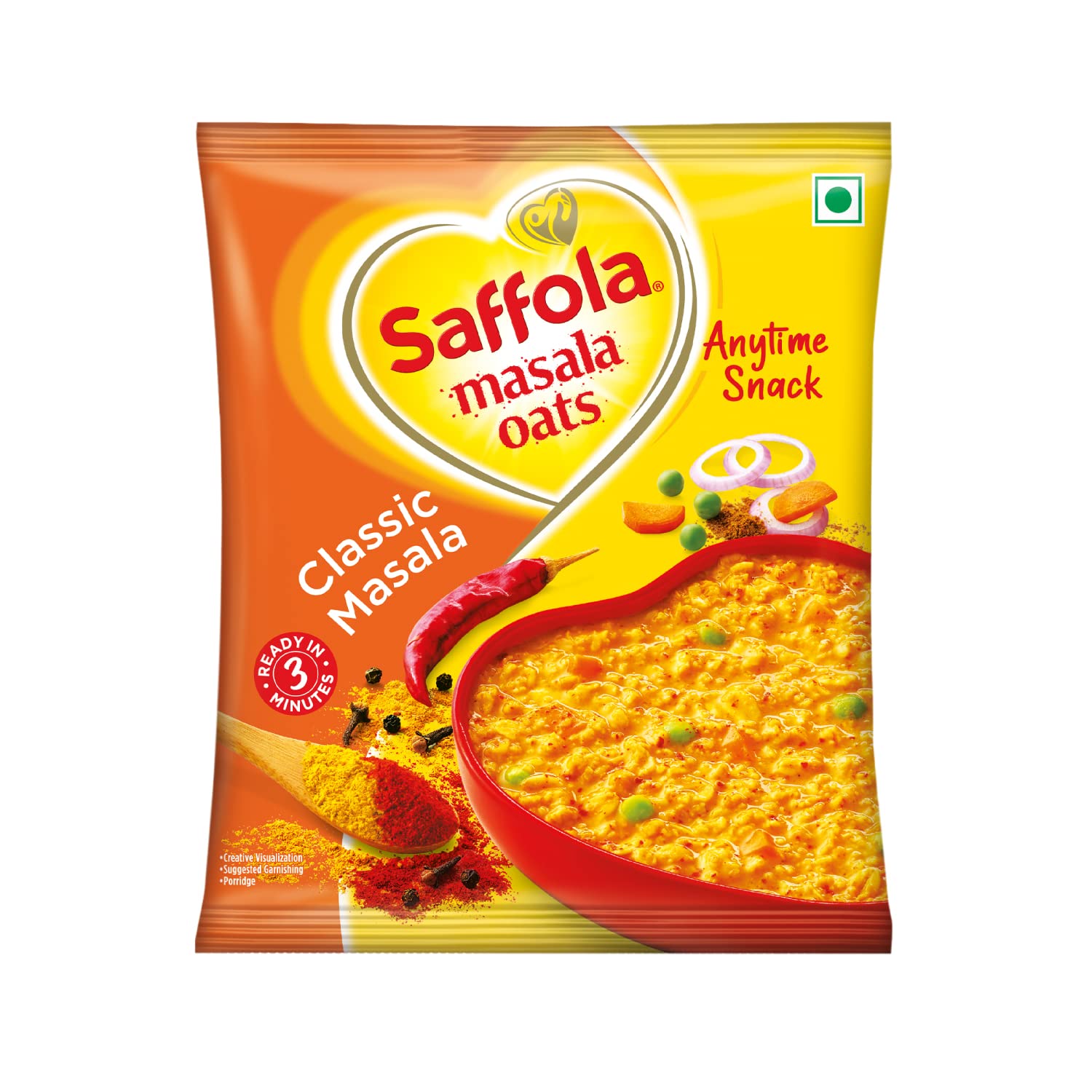
The catalog includes products from GITS, Haldirams, Swad, Everest, Gandhi Appliances LLC., Protinex, Tamicon, Saffola, Great Bazaar, 24 Mantara, VAHDAM, and Chief. These brands cover different types of Indian food, pantry ingredients, beverages, and related grocery products. Compare each item by its own ingredients, format, preparation instructions, and dietary information rather than choosing by brand name alone.
Shopping and storage tips
Read the complete listing before choosing a product, especially when buying for a specific recipe or dietary requirement. Packaging can affect freshness and convenience, while resealable formats may be useful for spices or dry ingredients used over time.
When trying an unfamiliar item, check how it is traditionally served or what ingredients are recommended alongside it. A curry base may need rice or bread, while a spice blend may be designed for a particular cooking method. Keep dry goods sealed in a cool, dry place and follow the label for products that require refrigeration after opening.
Frequently asked questions
What should I compare when buying Indian cuisine foods?
Compare ingredients, dietary information, package format, preparation method, spice level, storage requirements, and the dish or occasion the product is intended for.
Are Indian cuisine products always spicy?
No. Indian foods range from mild and aromatic to strongly spiced or hot. Check the product description, ingredient list, and any stated spice-level guidance.
How can I choose products for a dietary restriction?
Review the full ingredient list and allergen statement, then confirm the product’s dietary suitability in the listing and on the package. Avoid relying only on the product name or photos.
How should Indian spices and pantry foods be stored?
Follow the label’s storage directions. Many dry goods should be kept sealed in a cool, dry place, while prepared foods may require refrigeration after opening.
Where can I find related international foods?
Browse the catalog’s Asian Cuisine and Latin Cuisine categories for additional international pantry and meal options.