

Cleaning Tools for Business and Home Use
Compare cleaning tools by their intended task, surface compatibility, handle design, and maintenance needs. K-Catalog helps you review product specifications and features before visiting Amazon.
111 products in catalog
111 results
Filters

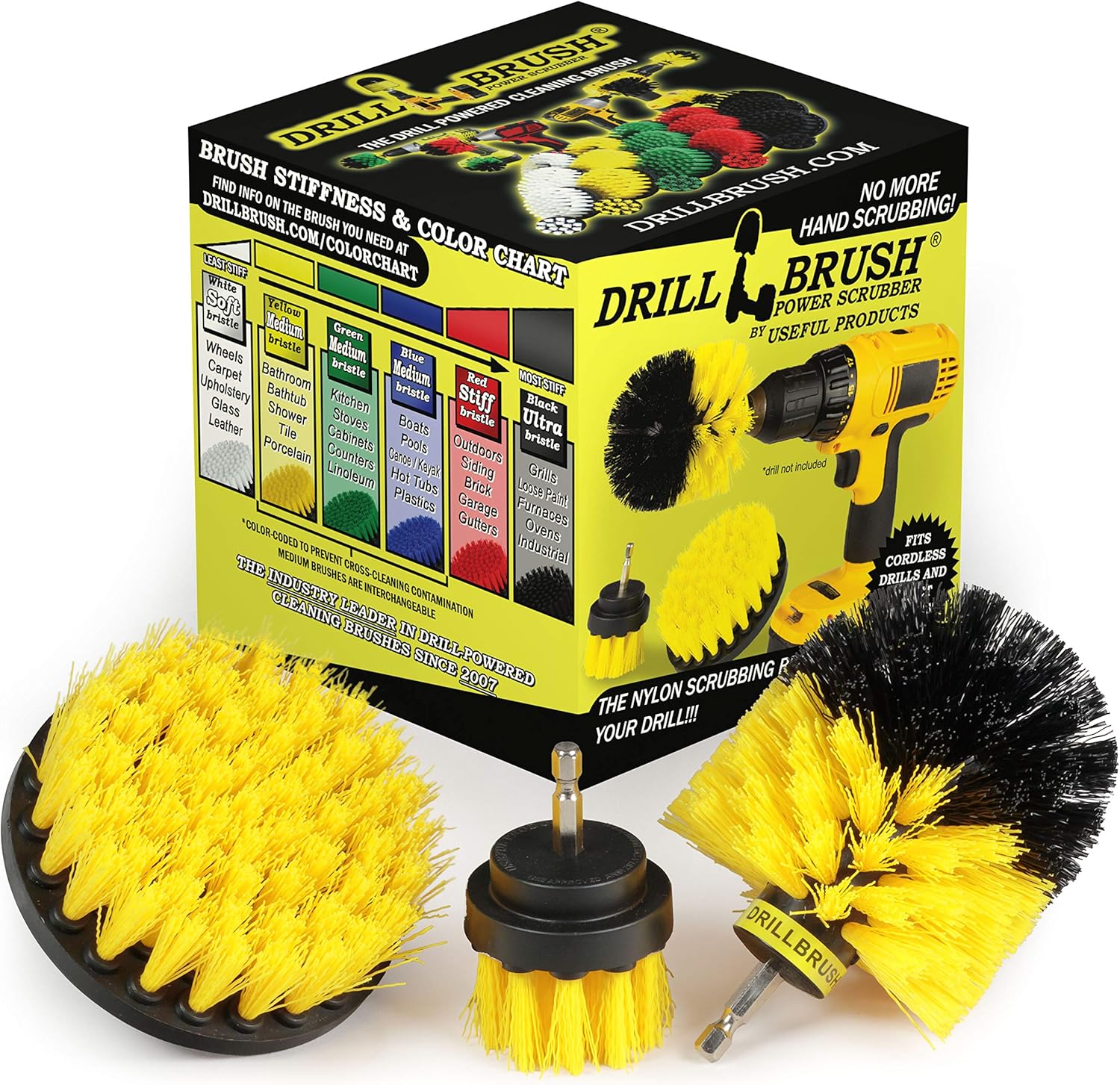
Drill Brush Power Scrubber by Useful Products
Drill Brush Attachment - Bathroom Surfaces Tub, Shower, Tile and Grout All Purpose Power Scrubber Cleaning Kit –Grout Drill Brush Set – Drill Brushes by Drill Brush Power Scrubber by Useful Products
See current price

The Ringer
The Ringer - The Original Stainless Steel Cast Iron Cleaner, Patented XL 8x6 Inch Design
See current price


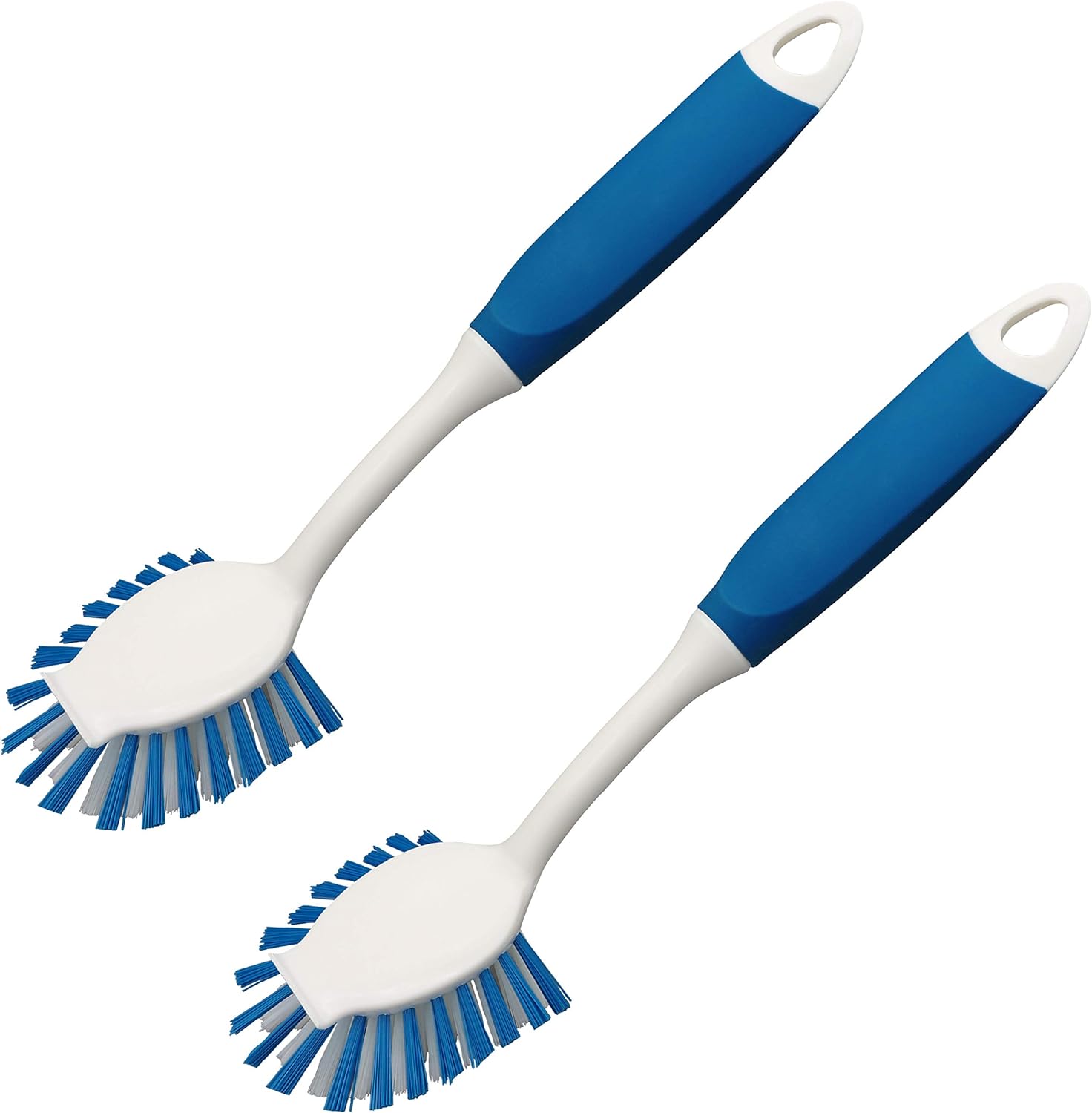


Midwest Hearth
Air Conditioner Condenser Fin and Refrigerator Coil Cleaning Whisk Brush
See current price

Mr. Scrappy
Mr. Scrappy Universal Garbage Disposal Brush, Sturdy Grip Handle, 11-Inches,Yellow
See current price


Popular brands in Cleaning Tools
Cleaning tools cover a wide range of everyday and commercial tasks, from scrubbing stubborn residue to reaching narrow spaces and maintaining hard floors. The right choice depends on the surface, the type of soil or debris, the amount of effort required, and how often the tool will be used.
This category is part of Janitorial Supplies for business, but many tools may also suit kitchens, bathrooms, workshops, offices, and other areas that require regular cleaning. Compare the available specifications carefully, since similar-looking tools can differ in construction, flexibility, reach, and care requirements.
How to choose cleaning tools
Start with the cleaning task rather than the appearance of the tool. A brush designed for grout or textured surfaces may be too aggressive for delicate finishes, while a soft tool may not remove baked-on or embedded soil efficiently. Consider where the tool will be used and whether it needs to work with water, cleaning solutions, or a particular surface.
Key questions to consider include:
- Is the tool intended for floors, dishes, bathrooms, appliances, upholstery, or general-purpose cleaning?
- Does the brush or cleaning head have the stiffness needed for the task?
- Is the handle comfortable and long enough for the area being cleaned?
- Can the tool be rinsed, dried, stored, or replaced easily?
- Will its materials tolerate the cleaning products used in the space?
For business environments, durability and easy storage can matter as much as cleaning performance. A tool that is simple to maintain and quick to access may be more practical for routine work.
Types of cleaning tools to compare
Because this catalog category includes varied products rather than separate listed subcategories, compare tools by their function and construction. Brushes are useful for targeted scrubbing, especially around seams, corners, fixtures, and textured surfaces. Look for information about bristle material, bristle firmness, head shape, and whether the design is intended for a specific surface.
Multi-purpose scrubbers can suit several areas when a versatile tool is preferred. These may be helpful for general household or facility cleaning, but the product specifications should clarify the surfaces and tasks the tool is designed to handle.
Specialized attachments and powered-scrubbing accessories can help with repetitive or intensive cleaning. Before choosing one, check compatibility with the intended equipment, attachment method, working area, and cleaning material. A tool that fits one handle or device may not fit another.
Compact tools are useful for edges, tight spaces, sinks, grout lines, and small fixtures. Larger or longer-handled designs may be more suitable for floors and other areas where bending or kneeling would be inconvenient.
Features and specifications that matter
Materials and durability: Check whether the body, handle, bristles, pad, or other cleaning surface is made for wet conditions and repeated use. Construction details can also affect how easily the tool dries and whether residue collects in joints or seams.
Ergonomics: A contoured grip, non-slip surface, or balanced shape can make repetitive cleaning more manageable. For extended tasks, consider the handle length, grip position, and amount of pressure the tool is designed to accept.
Surface compatibility: Product descriptions may identify suitable materials such as tile, glass, stainless steel, plastic, wood, or fabric. Always follow the manufacturer’s guidance, particularly on finishes that can scratch, dull, stain, or absorb moisture.
Maintenance: Rinseable and easy-to-dry designs may be more convenient in frequently used areas. Check whether the cleaning head is removable, replaceable, or intended to be discarded after wear. Storage features can be useful where tools need to remain organized and accessible.
Size and reach: Compare the overall dimensions, head size, and handle length with the area to be cleaned. A compact tool offers control in confined spaces, while a longer reach can help with floors, high surfaces, or areas behind fixtures.
Brands represented in the catalog
The Cleaning Tools catalog includes products from HIWARE, Eyliden, Drill Brush Power Scrubber by Useful Products, Ttmix, Rubbermaid, Scrub Daddy, OXO, mDesign, Iconikal, ZILJJ, Quickie, and Oubomu. These brands are represented across the available selection, but each product should be evaluated on its own specifications, intended use, materials, and compatibility rather than brand name alone.
Practical tips for use and care
Use a tool only on surfaces and with cleaning solutions that the product information permits. If a surface is unfamiliar or delicate, testing a small inconspicuous area can help reduce the risk of visible damage. Avoid mixing cleaning chemicals unless their labels specifically allow it.
Rinse away residue after use when appropriate, then allow the tool to dry fully before storage. Inspect bristles, pads, handles, and attachments for wear. A damaged or excessively worn tool may clean less effectively and could be more likely to scratch surfaces or break during use. Keeping tools separated by task can also reduce cross-contamination between kitchens, bathrooms, work areas, and other spaces.
Frequently asked questions
What cleaning tool should be used for a specific surface?
Choose a tool whose product information identifies the surface as compatible. Match the tool’s firmness and construction to the material, and use extra care with polished, coated, painted, or delicate finishes.
Are cleaning tools suitable for commercial use?
Some are designed for frequent or demanding cleaning, while others are intended for lighter household tasks. Compare construction, handle design, maintenance instructions, and stated use before selecting a tool for a business setting.
How do I choose between a compact and long-handled tool?
Compact tools provide control in small or detailed areas. Long-handled tools can improve reach and reduce bending when cleaning floors, large surfaces, or difficult-to-access locations.
What should I check before buying a cleaning attachment?
Confirm the attachment method, compatible equipment, dimensions, intended surface, and whether the accessory is designed for wet or dry use. Compatibility details are more reliable than appearance alone.
How can cleaning tools be kept sanitary?
Follow the care instructions, remove residue after use, allow the tool to dry, and store it in a clean area. Use separate tools for tasks where cross-contamination is a concern.
Where can I check the current product details?
Review each catalog listing for available specifications and features, then visit Amazon to check the current product information before buying.