

Jewelry Making Tools & Accessories
Compare jewelry making tools and accessories for beading, assembly, repairs, and creative projects. Review features, materials, and compatibility before choosing supplies.
649 products in catalog
649 results
Filters


Mudder
MUDDER Stainless Steel Finger Sizer Measuring Ring Tool, Size 1-13 with Half Size, 27 Pcs
See current price


NIUPIKA Online
NIUPIKA Ring Sizer Set Finger Size Gauge Measure Tool Jewelry Sizing Tools Rings Size 1-13 with Half Size 27 Pieces
See current price
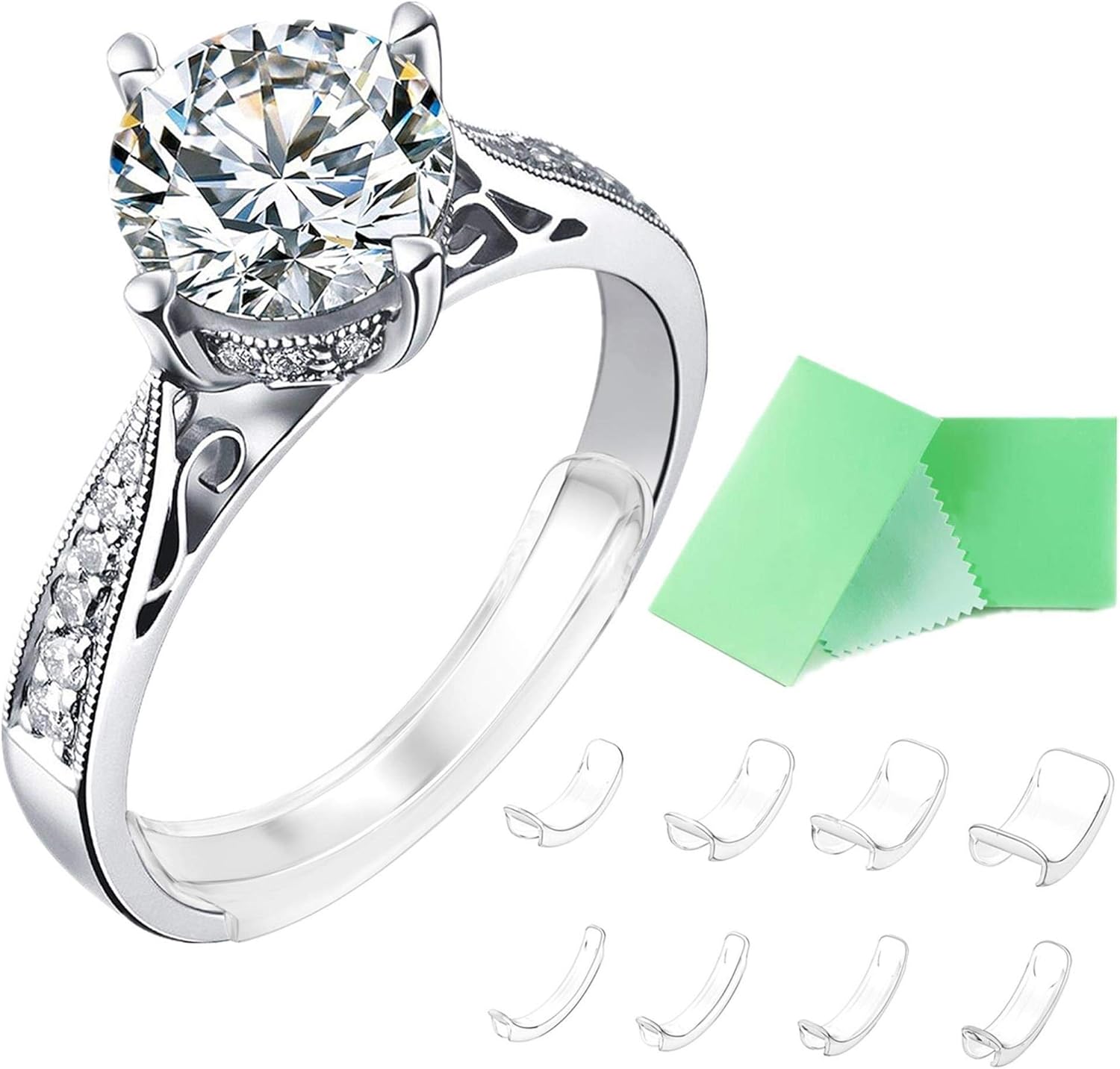


PUKAYANXUAN
PUPUKA Ring Sizer, US Size 2-15 EUR Size 41-76 with Half Size, Easy-to-Use Ring Sizer Measuring Tool
See current price


WORKPRO
WORKPRO 7-Piece Jewelers Pliers Set, Jewelry Making Tools Kit with Easy Carrying Pouch (Blue)
See current price


PEACOCK JEWELS
Finger Measuring Tool - Ring Sizer Gauge (1-17 USA Ring Sizer) for Women, Men & Kids / Measure Your Ring Size @ Home
See current price

Popular brands in Jewelry Making Tools & Accessories
Jewelry making tools and accessories help turn loose components into finished bracelets, necklaces, earrings, wire designs, and other projects. The right setup depends on the materials you use, the type of work you do, and how much control or precision you need.
This category is part of Beading & Jewelry Making, with options for beginners building a basic toolkit as well as experienced makers adding specialized equipment.
How to choose jewelry making tools
Start by identifying the tasks you perform most often. Cutting wire requires a different tool from opening jump rings, shaping metal, threading beads, or creating consistent loops. A practical toolkit may include several complementary tools rather than one multipurpose option.
Consider these factors before choosing:
- Project type: Match tools to beading, wire wrapping, chain assembly, repairs, or metalwork.
- Material: Check whether the tool is intended for jewelry wire, thread, cord, findings, sheet metal, or other materials.
- Precision: Fine tips and controlled movement can help with small components and detailed work.
- Comfort: Handle shape, grip material, spring action, and overall balance matter during extended sessions.
- Workspace: Compact tools may suit portable kits, while larger equipment can provide more leverage for demanding tasks.
If you are starting from scratch, prioritize versatile basics. If you already have core pliers and cutters, specialized tools may add more value for a particular technique.
Common tool types and accessories
Jewelry making tools are often selected by function. Pliers may be used for gripping, bending, shaping, crimping, or reaching into tight spaces. Cutters are designed for trimming wire, thread, cord, or chain, but the correct cutting surface depends on the material.
Other useful categories include:
- Loop and shaping tools for forming consistent bends, coils, and wire loops.
- Crimping tools for securing crimp beads or tubes in beaded designs.
- Threading and stringing accessories for organizing, guiding, and finishing strands.
- Measuring and layout tools for maintaining symmetry and planning component placement.
- Storage accessories for separating beads, findings, wire, and works in progress.
- Finishing and repair tools for adjusting clasps, jump rings, chains, and small metal components.
For project materials, browse Beads & Bead Assortments, Jewelry Findings, or Beading Supplies. These related categories can help you match tools with the components you plan to use.
Features and specifications to compare
Tool specifications can reveal how an item is intended to perform. Look for the tool’s stated material, jaw or tip design, cutting capacity where provided, handle construction, and whether the working surfaces are smooth, serrated, flat, or tapered.
For accessories, compare dimensions, compartment layout, closure style, adjustability, and compatibility with the supplies in your workspace. A storage case with divided sections may help prevent small parts from mixing, while a flexible organizer may be easier to carry between work areas.
Sets can be convenient when you need several basic tools at once. However, compare the individual functions included in a set rather than assuming every set covers the same tasks. A specialized single tool may be more suitable when a project requires a particular tip shape or finishing method.
Brands represented in the catalog
The catalog includes jewelry-making tools and accessories from brands such as The Beadsmith, SE, Sona Enterprises, Mudder, Vouiu, Beadalon, Mr Rex, PH PandaHall, PEACOCK JEWELS, JARLINK, EURO TOOL, and KUUQA. Compare each listing by its stated construction, intended use, dimensions, and included accessories rather than choosing by brand name alone.
For work involving molds, metal, or casting processes, see Jewelry Casting Supplies. If you want preselected materials and tools for a guided project, Jewelry Making Kits may be a better starting point.
Tips for safe and consistent results
Use a tool designed for the material and task to reduce slipping, surface marks, or unnecessary strain. Protect finished components from scratches by using smooth-jaw tools where appropriate, and keep cutting edges away from fingers and delicate surfaces.
Store tools dry and clean, especially after working with materials that can leave residue. Keep small components separated and check that handles, springs, jaws, and cutting edges remain in usable condition. For charms and decorative additions, browse Charms when planning the finished design.
Frequently asked questions
What tools are useful for a basic jewelry-making setup?
A basic setup often includes gripping pliers, round- or flat-nose pliers, suitable cutters, measuring tools, and supplies for securing or finishing the chosen design. Select each item according to the materials and techniques you use.
How do I choose between different plier shapes?
Jaw shape affects access, grip, and the type of bend you can create. Flat jaws can hold components, tapered jaws can reach smaller spaces, and rounded jaws are useful for forming curves and loops.
Can one cutter work for every jewelry-making material?
Not always. Cutting capacity and edge design vary, so check the listing specifications and intended material before using a cutter on wire, cord, thread, or chain.
Are tool sets better than individual tools?
A set can provide a convenient starting collection, while individual tools allow more precise selection. Compare the functions, construction, and included accessories to see which option fits your projects.
What should I look for in a jewelry tool organizer?
Consider compartment sizes, portability, closure style, and whether the layout separates tools from small components. The best format depends on your workspace and whether you store supplies at home or carry them to another location.