
Readaeer
READAEER Round Knitting Looms Set Craft Kit Tool with Hook Needle and Pompom Maker
See current price

Compare knitting looms and boards by project type, size, peg layout, yarn compatibility, and included tools. This guide helps beginners and experienced crafters choose a practical setup.
75 products in catalog
75 results
Readaeer
See current price
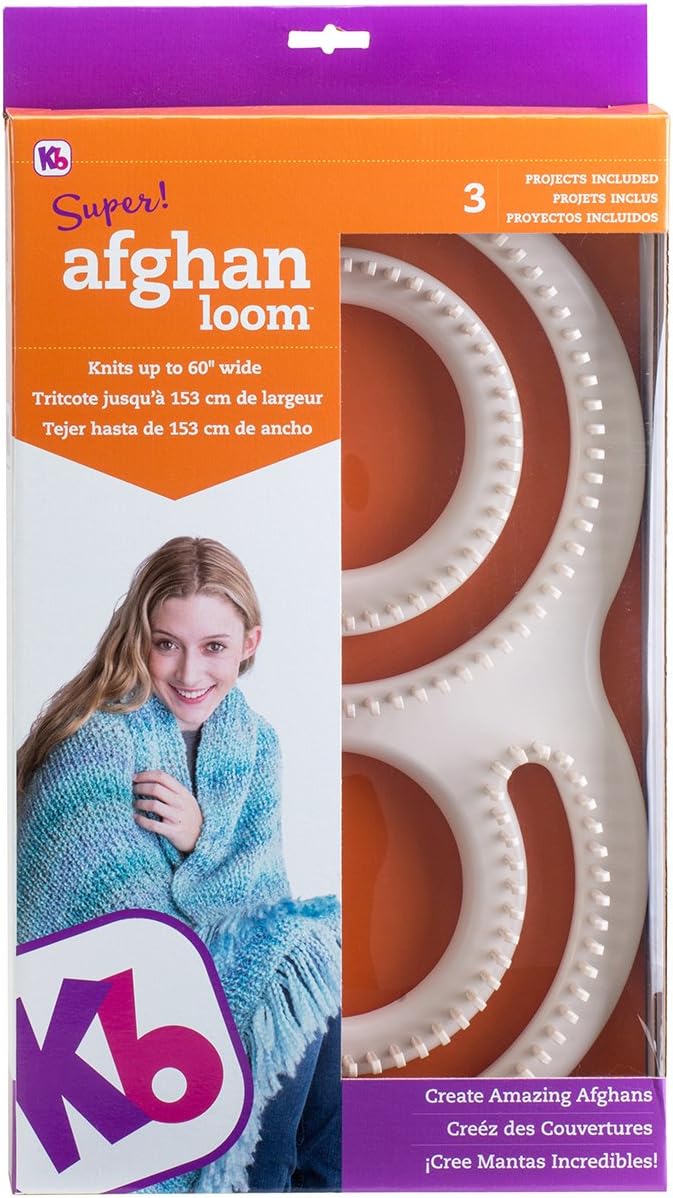

LAYOER
See current price

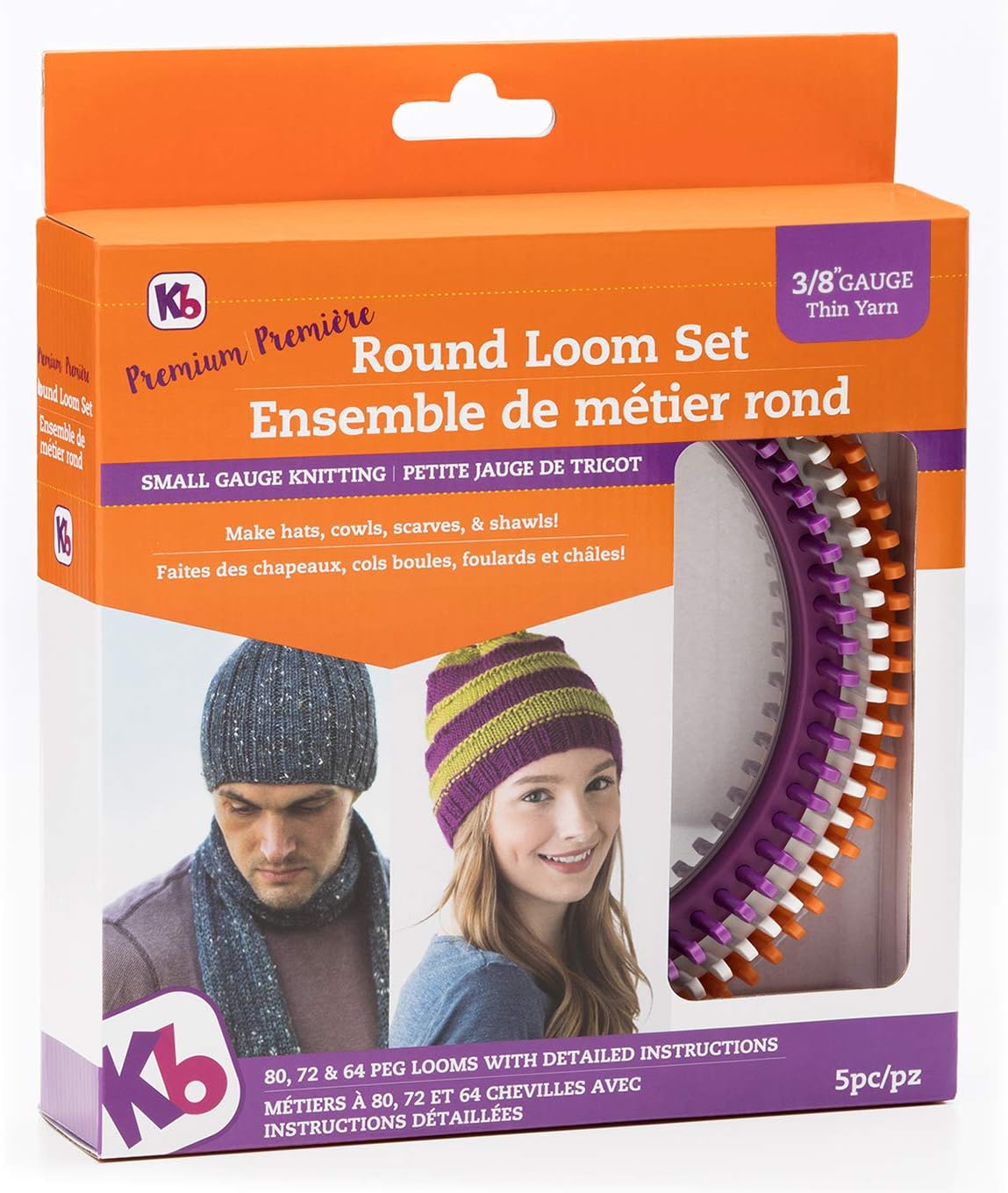
AUTHENTIC KNITTING BOARD
See current price

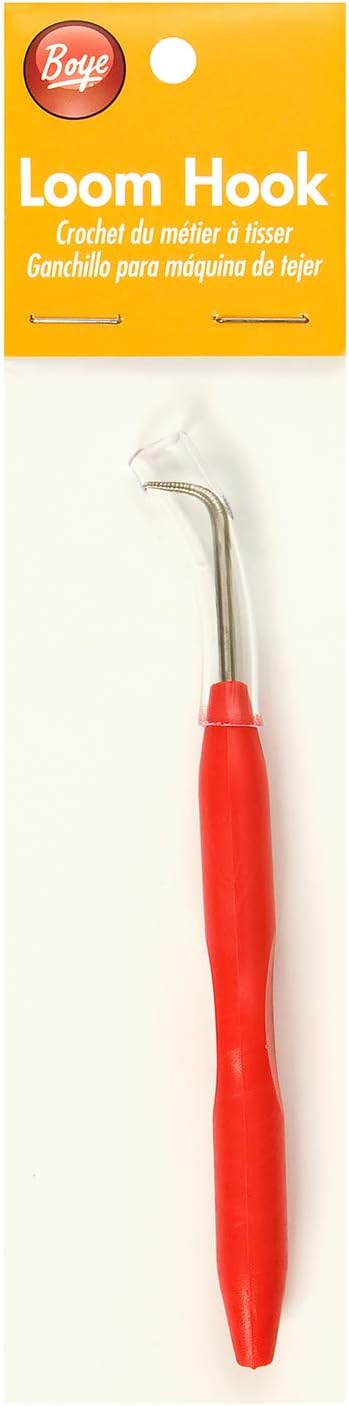


Craft-tastic
See current price


AUTHENTIC KNITTING BOARD
See current price


AUTHENTIC KNITTING BOARD
See current price


Knitting looms and boards offer a needle-free way to create knitted fabric, making them useful for beginners, children with supervision, and experienced crafters exploring alternative techniques. The right choice depends on the project you want to make, the yarn you plan to use, and how much control you want over stitch size and fabric shape.
This K-Catalog category includes options from brands such as AUTHENTIC KNITTING BOARD, FYGAIN, Coopay, JAMIT, Boye, ALIMELT, KACSOO, PureZoneA, Curtzy, Darice, S SELDORAUK, and Sentro. Compare the specifications and included accessories for each listing before choosing a loom or board.
Start with the finished item rather than the tool itself. A compact loom may be convenient for narrow or small projects, while a larger board can provide more room for wider panels. If you are learning, look for a straightforward peg layout, clear spacing, and instructions that match the techniques you want to practice.
Consider these questions before buying:
The shape and peg arrangement influence both the technique and the projects a loom suits. Product listings may use different terminology, so check the photos and specifications carefully.
Peg spacing is one of the most important details. Closer pegs can create a different fabric density from wider spacing, and the suitable range depends on the yarn and the tension you want. Do not assume that any yarn will work equally well with every loom.
Also compare the following:
The best yarn choice depends on the loom’s peg spacing, the stitch pattern, and the fabric’s intended use. Bulky yarn can fill the gaps quickly, while finer yarn may require a closer peg arrangement or a technique that creates more coverage. Always check the product guidance and make a small test section when possible.
For supplies, browse Yarn alongside the loom category. A yarn with consistent thickness is generally easier to work with while learning because it makes wrapping and tension more predictable. Knitting & Crochet Notions can also help with finishing, measuring, and organizing a project.
The catalog includes knitting loom and board listings from AUTHENTIC KNITTING BOARD, FYGAIN, Coopay, JAMIT, Boye, ALIMELT, KACSOO, PureZoneA, Curtzy, Darice, S SELDORAUK, and Sentro. These brands may offer different formats, materials, set configurations, and intended uses, so compare each individual listing’s specifications instead of choosing by brand name alone.
If you are comparing loom knitting with traditional needlework, Knitting Needles and Crochet Hooks provide alternative tools and techniques. The best option depends on the fabric appearance, motion, and project method you prefer.
Keep the loom steady while wrapping yarn, and avoid pulling so tightly that stitches become difficult to lift. Consistent tension helps the fabric look more even. Follow the recommended wrapping sequence for the stitch pattern, particularly when using a new loom shape.
Before starting a large project, test the yarn on a small section. Check whether the fabric is too loose, too dense, or difficult to remove from the pegs. Store the loom away from heat and moisture, and inspect plastic or wooden parts for rough edges that could catch yarn. For children, choose a design appropriate to their age and supervise use of hooks and other small accessories.
Yes. Looms can offer a straightforward introduction to knitted fabric, especially when the peg layout and instructions are easy to follow. Start with a small practice project to learn wrapping and tension.
Some long looms and knitting boards can produce flat panels, while round looms are commonly used for tubular work. Check the product description for the intended knitting method.
Match the working dimensions to the project. Consider the desired width or circumference, the yarn thickness, and whether the design allows multiple sizes or configurations.
Some listings include a loom hook or other tools, but accessories vary. Review the included-items section before purchasing.
Not always. Yarn thickness and texture should suit the peg spacing and project design. Follow the manufacturer’s guidance and test a small section before committing to a full project.
Depending on the project, you may want yarn, a yarn needle, stitch markers, measuring tools, and finishing supplies. Knitting & Crochet Notions is a useful place to compare related accessories.