
Alcon Laboratories Inc
Opti-Free Replenish Multi-Purpose Disinfecting Contact Lens Solution, 2 oz (Pack of 6)
See current price

Compare lab supplies and consumables for sample handling, storage, preparation, safety, and routine laboratory work. Check materials, dimensions, packaging, and compatibility before choosing products.
760 products in catalog
760 results
Alcon Laboratories Inc
See current price
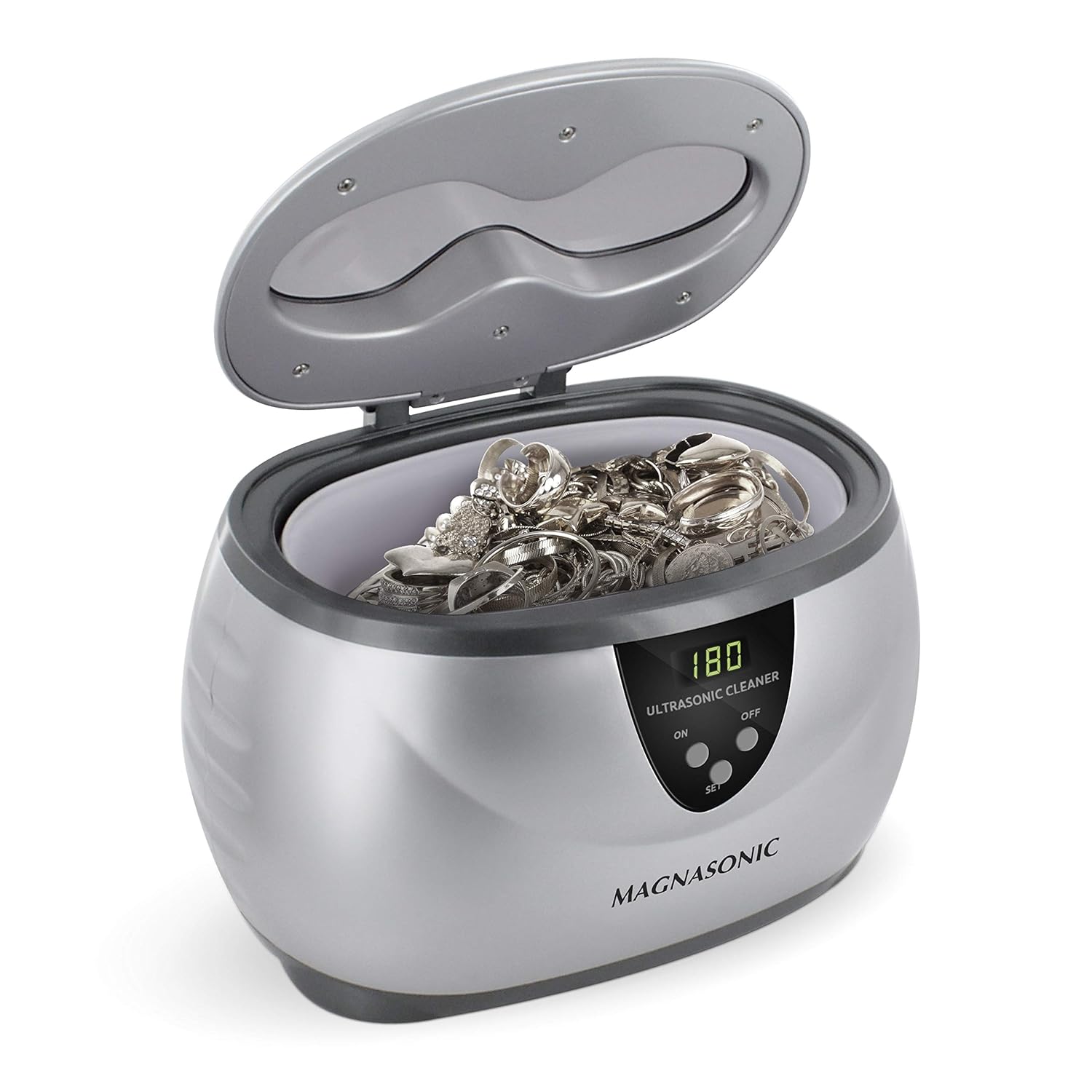
Magnasonic
See current price


Aquapapa
See current price


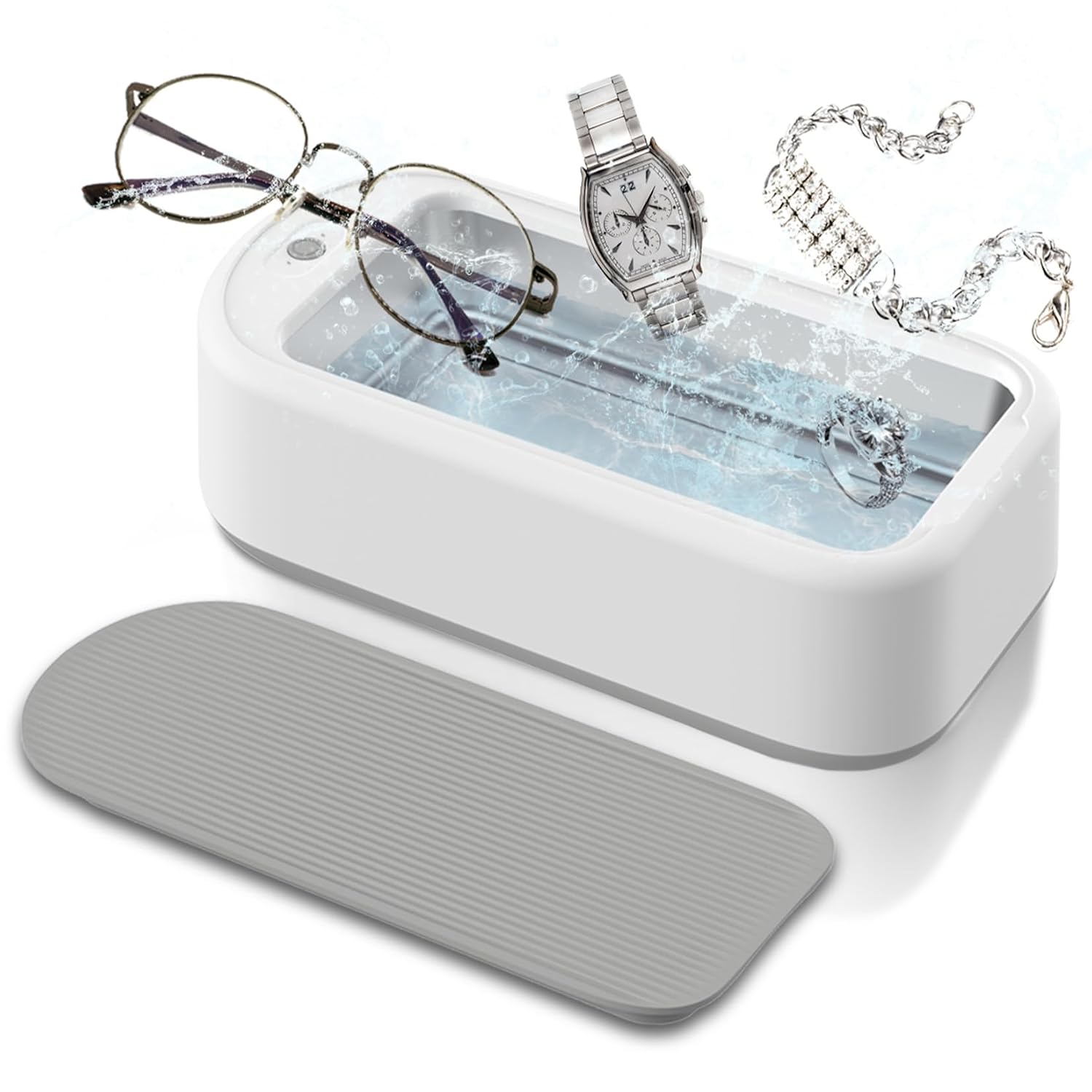
Shantou Chenghai District Oumijie Electronics Factory
See current price

BH SUPPLIES
See current price


BSTEAN
See current price


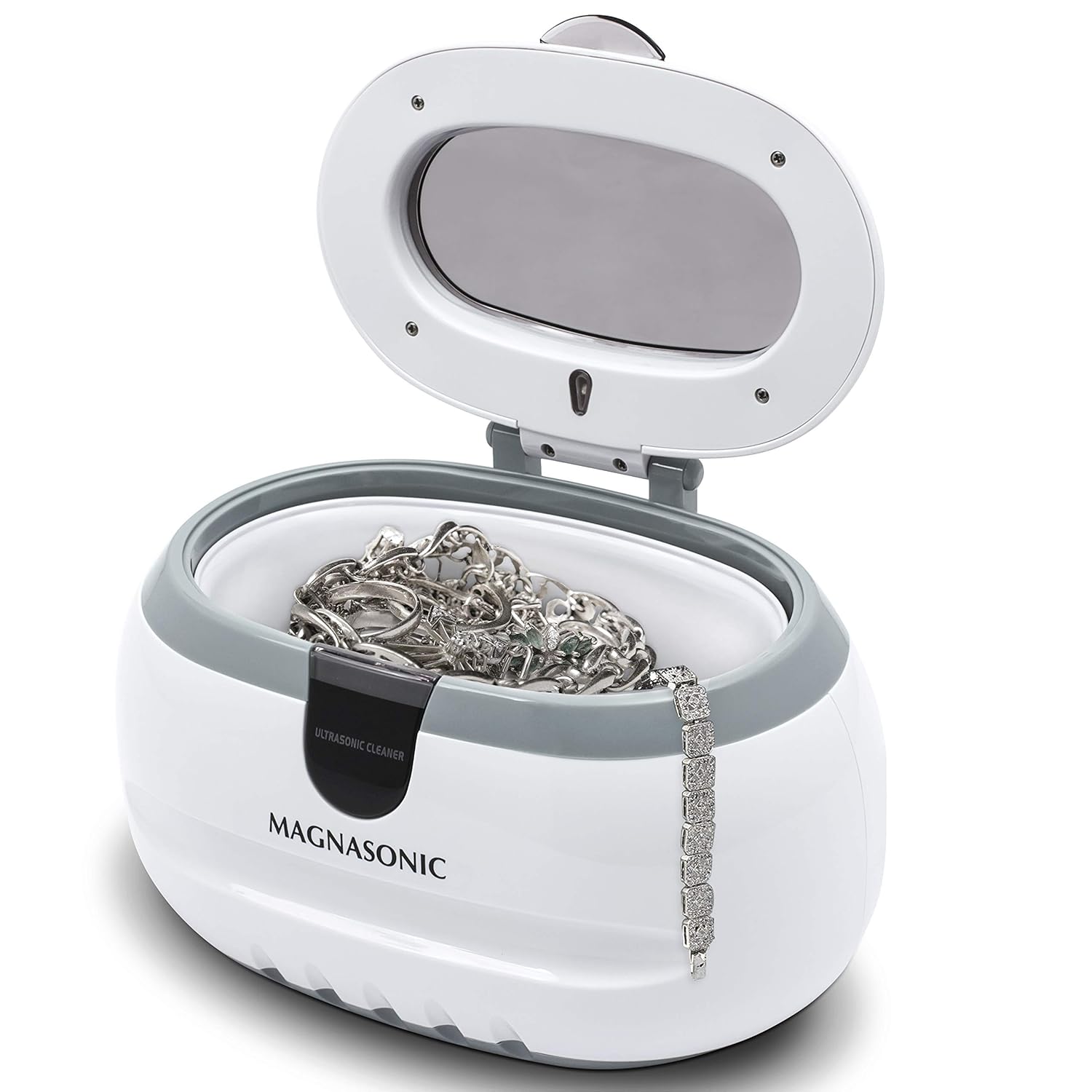

Lab supplies and consumables support the day-to-day work of research, education, manufacturing, healthcare, and testing environments. This category brings together disposable and reusable items that help with preparing, transferring, organizing, protecting, and documenting samples or materials.
When comparing products, focus on how an item fits your workflow rather than choosing by appearance alone. Material, capacity, sterility, chemical compatibility, closure style, and storage requirements can all affect whether a supply is suitable for the task.
Start by defining the job the product must perform. A container used for short-term sample handling may have different requirements from one intended for long-term storage, transport, or exposure to chemicals. Similarly, a disposable item for clean work may need different specifications from a general-purpose supply used in teaching or preparation areas.
Consider these questions before comparing options:
Product specifications should be checked carefully because similar-looking supplies may be intended for different applications.
This category is part of the broader [Lab & Scientific Products]( /category/industrial-scientific-lab-scientific-products/ ) catalog. For more specialized comparisons, browse [Glassware & Labware]( /category/glassware-labware/ ) for vessels and laboratory handling items, or explore [Lab Instruments & Equipment]( /category/lab-scientific-products-lab-instruments-equipment/ ) when the task requires measurement, analysis, or powered equipment.
Shoppers working with reagents and prepared solutions can also compare [Lab Chemicals]( /category/lab-chemicals/ ). For workspace organization and infrastructure, see [Lab Furniture]( /category/lab-furniture/ ). Applications involving cell, molecular, or biological workflows may be better served by [Life Science Supplies]( /category/life-science-supplies/ ).
Material and compatibility: Common laboratory materials can differ in resistance to solvents, acids, bases, heat, impact, and moisture. Confirm the manufacturer’s stated compatibility for the substances and conditions involved.
Dimensions and capacity: Check internal and external dimensions, working capacity, opening size, and available space in racks, cabinets, refrigerators, or instruments. A product that fits the sample may not fit the storage system.
Cleanliness and sterility: Determine whether the item is supplied sterile, suitable for cleanroom use, individually packaged, or intended for general handling. If sterility matters, review the stated sterilization method and packaging condition.
Closures and handling: Caps, lids, seals, grips, dispensing features, and labeling surfaces can affect spill prevention and ease of use. For transport or storage, consider how securely the item closes and whether it can be opened without contaminating the contents.
Packaging and documentation: Packaging quantity, protective wrapping, lot information, expiration details where applicable, and included documentation may matter for inventory control and regulated workflows. Compare the complete specification rather than relying only on the product title.
Brands appearing in this catalog include INTERTECK PACKAGING, Dry & Dry, SHAOTONG, BH SUPPLIES, A AKRAF, LabAider, HaBeuniver, BSTEAN, VEVOR, ROVSUN, Bartovation, and YNK. They cover a range of laboratory supply and consumable listings. Compare each product on its own specifications, intended use, materials, and packaging rather than treating brand presence as a substitute for compatibility checks.
Keep clean and unused supplies protected from dust, moisture, heat, and direct light when the product instructions call for those conditions. Separate sterile items from opened or used materials, and maintain clear labeling for samples and prepared solutions. Follow the manufacturer’s handling instructions and your organization’s procedures for personal protective equipment, chemical exposure, biohazard control, and disposal.
For reusable items, confirm whether cleaning, disinfection, or sterilization is permitted and whether those processes could affect the material. For disposable items, check local and workplace requirements before discarding anything that contacted chemicals, biological materials, sharps, or other regulated waste.
They are products used to support laboratory procedures, including sample handling, preparation, storage, protection, organization, and routine cleanup. Some are reusable, while others are intended for one-time use.
Match the material to the sample and working conditions. Check compatibility with chemicals, temperature, moisture, light, and any cleaning or sterilization process required.
No. Sterility varies by product and application. Review the listing specifications and packaging information to determine whether sterile or non-sterile supplies are appropriate.
Compare capacity, overall dimensions, opening size, wall or format details where provided, and compatibility with racks, storage areas, or equipment used in the workflow.
Review intended use, material, packaging, sterility, closure, size, compatibility, and handling requirements side by side. The most suitable option is the one that matches the process and storage conditions.