
DuraScoop
DuraScoop® Premium Multicat Cat Litter Scoop | Solid Metal | Litter Box Tray Pan Sifter
See current price

Compare cat litter and housebreaking supplies by material, odor control, cleanup style, box compatibility, and your cat’s habits. Review product specifications to find options suited to your home.
1,555 products in catalog
1,555 results
DuraScoop
See current price
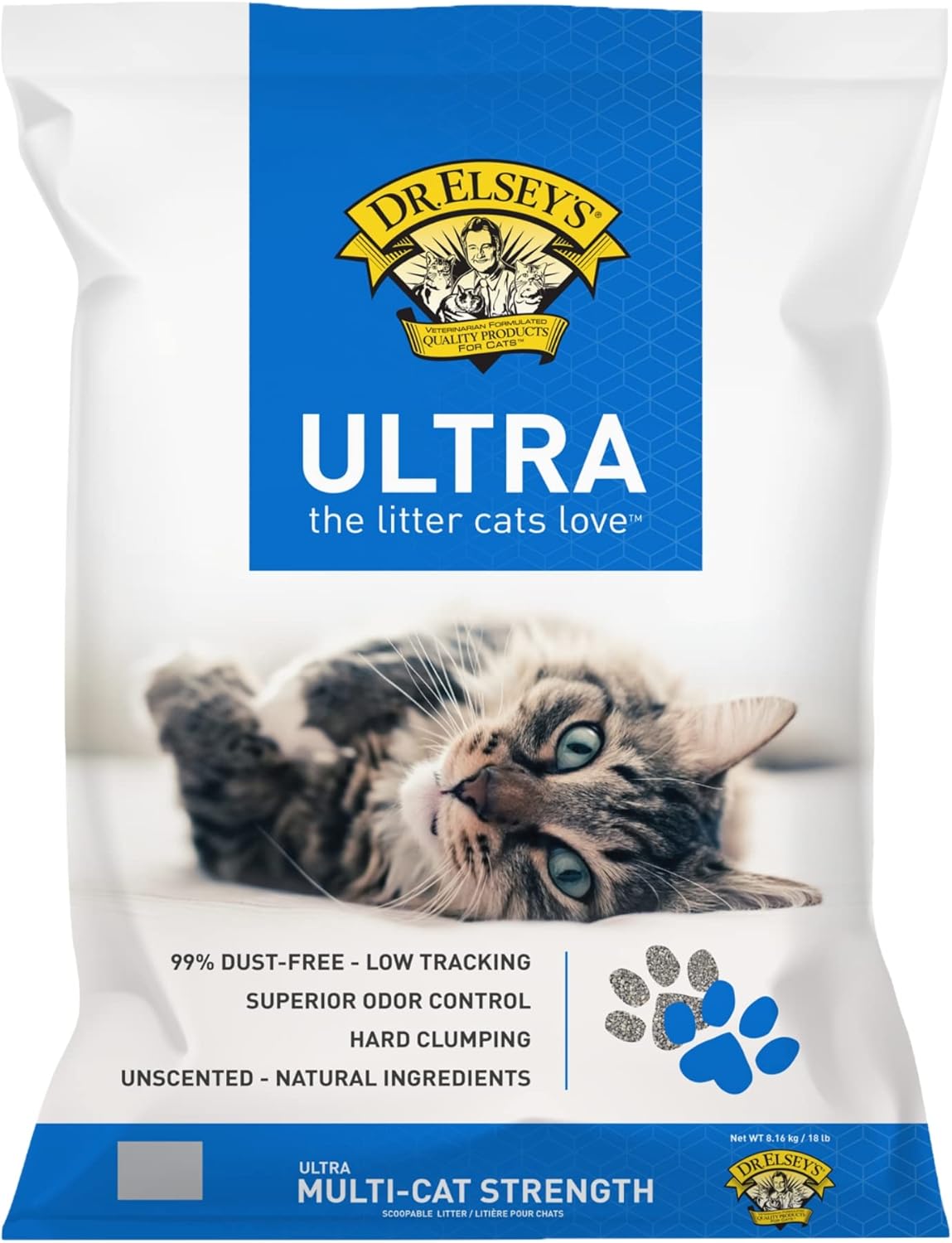


Fresh Step
See current price


Arm & Hammer
See current price
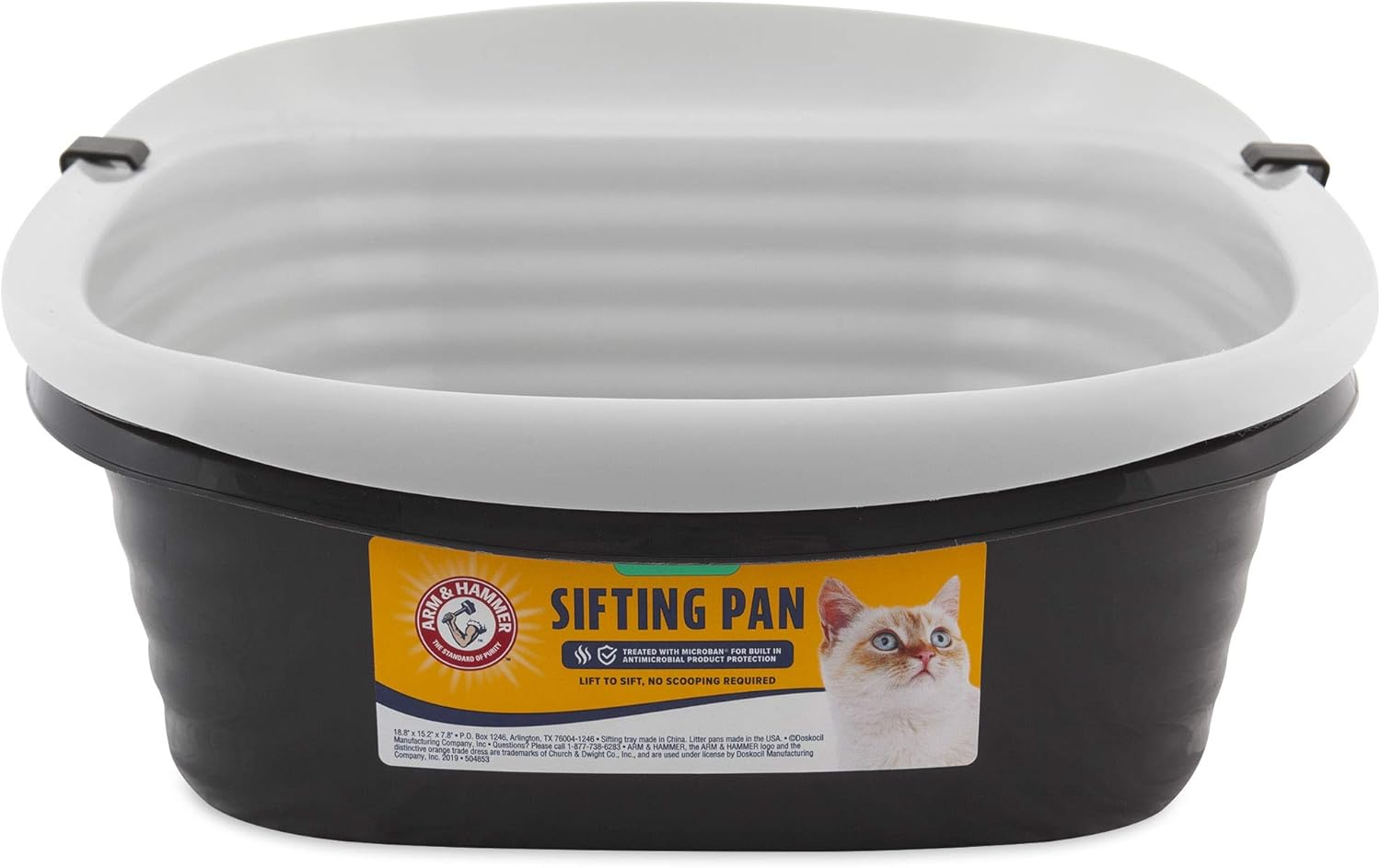
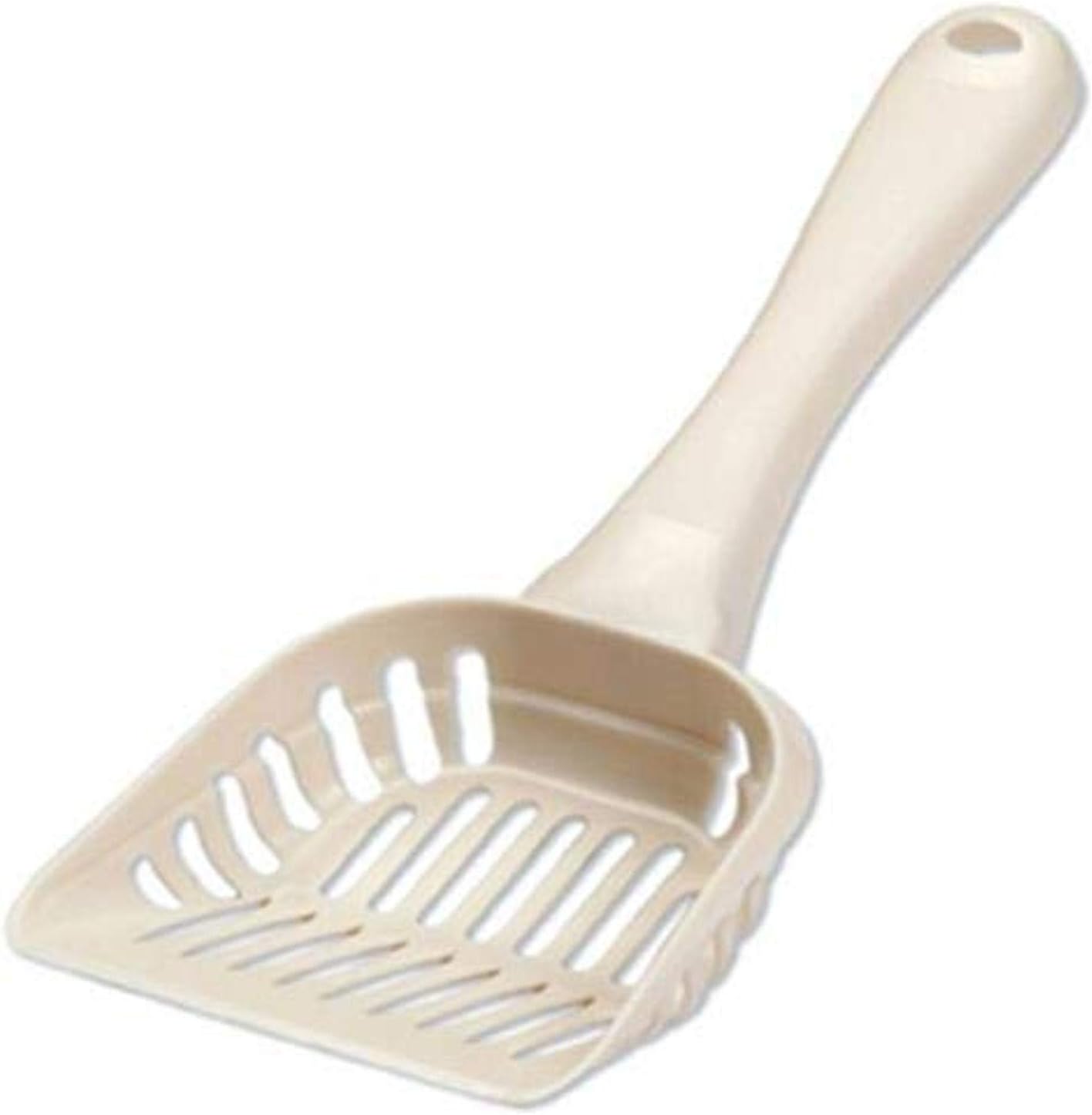


Phillips Feed & Pet Supply
See current price

Fresh Step
See current price

Choosing the right litter and housebreaking supplies can make daily cleanup easier and help create a comfortable routine for your cat. K-Catalog brings together products for different litter preferences, household setups, and maintenance styles so shoppers can compare specifications and features in one place.
Whether you are preparing for a kitten, replacing an existing litter setup, or looking for a more convenient cleaning routine, focus on your cat’s acceptance as well as the practical needs of your home.
Start with the way your cat currently uses the litter area. Some cats prefer a particular texture or scent level, while others may be sensitive to changes. If you are switching products, comparing the material, particle size, fragrance, and intended use can help you choose an option that is less disruptive.
Consider the location of the litter box, how often it can be cleaned, and whether more than one cat will use it. Odor management, tracking, dust, and waste removal are all important factors. The right choice is often a balance between your cat’s comfort and the amount of maintenance your household can manage.
For broader cat-care needs, browse [Cats]( /category/cats/) alongside this category, or compare complementary [Beds & Furniture]( /category/beds-furniture/) for a more complete home setup.
Clumping litter is designed to form a scoopable mass around liquid waste, which can make spot cleaning more convenient. Non-clumping options may suit shoppers who prefer a different maintenance routine or material. Check the product description for the intended cleaning method and disposal guidance.
Litter may be made from clay, plant-based fibers, wood, paper, mineral materials, or other formulations. Each material can differ in texture, dust, absorption, odor handling, and how it should be disposed of. If material is important to you, read the listed composition rather than relying on appearance alone.
Traditional litter boxes require routine scooping and washing. Automated or self-cleaning designs may reduce the frequency of manual waste removal, but they require careful attention to dimensions, power requirements, compatible litter, and replacement components. Make sure the design fits the available space and your cat’s comfort level.
Housebreaking supplies can include training aids, odor removers, liners, scoops, mats, and other cleanup accessories. These products can be useful when introducing a new kitten, managing accidents, or keeping the area around the box cleaner. Confirm that any cleaner is intended for the surface and use you have in mind.
The catalog includes products from Nature's Miracle, Purina Tidy Cats, Arm & Hammer, Fresh Step, LitterMaid, Van Ness, Tidy Cats, Petmate, Wellap, PetSafe, So Phresh, and Easyology. These brands appear across different types of litter, boxes, cleaning products, and accessories. Compare the specifications of individual products rather than choosing by brand name alone, since features can vary within a brand.
You may also want to compare [Feeding & Watering Supplies]( /category/cats-feeding-watering-supplies/) and [Health Supplies]( /category/cats-health-supplies/) when organizing other everyday cat-care essentials.
Place the litter box in a quiet, accessible area where your cat can enter and leave without being cornered. Keep it away from feeding and watering equipment when possible, and avoid moving it abruptly after your cat has established a routine.
Scoop or empty the box according to the litter and box instructions, and clean the container with a product suitable for the surface. Replace liners, filters, trays, or other components as directed. A litter mat can help collect particles near the entrance, while a covered design may help contain litter but can be less comfortable for some cats.
When changing litter, transition gradually if your cat is reluctant to use the new material. If housebreaking problems continue or begin suddenly, consult a veterinarian, since changes in litter-box behavior can have health or stress-related causes.
Clumping litter is often convenient for spot cleaning because liquid waste forms a scoopable mass. The best option depends on your cat’s preference, the product instructions, and your preferred cleaning routine.
Compare your cat’s tolerance and your odor-control priorities. Unscented litter avoids added fragrance, while scented products may appeal to shoppers seeking a fragranced approach to odor management.
Compare the unit’s dimensions, entry design, power requirements, cleaning cycle, compatible litter, waste container, and replacement-part needs. Confirm that it will fit the intended location.
Look for a box entrance and litter texture that suit your cat, and consider a mat designed to collect particles. Regular sweeping or vacuuming around the box can also help maintain the surrounding area.
A gradual transition is generally easier for cats that are sensitive to changes. Mix the new product with the old one over time while monitoring whether your cat continues using the box normally.