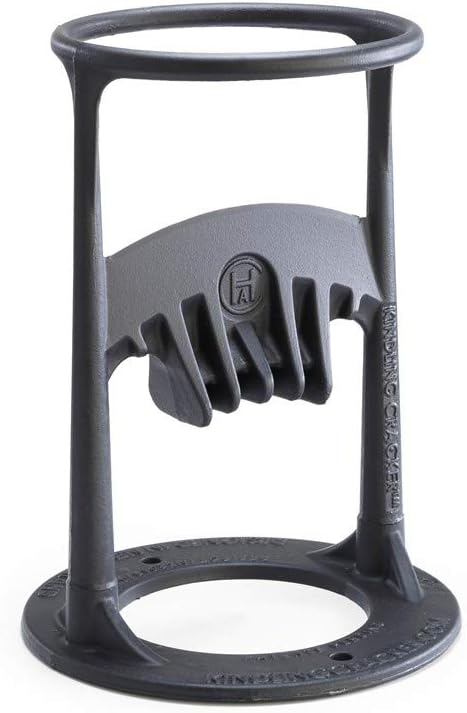
Kindling Cracker
Kindling Cracker Firewood Splitter - Kindling Splitter Wood Splitter Wood Splitting Wedge Manual Log Splitter Wedge
See current price

Compare log splitters by power source, splitting force, portability, operating style, and safety features. Review specifications to find equipment suited to your firewood routine.
46 products in catalog
46 results
Kindling Cracker
See current price

Kindling Cracker
See current price


Southland Outdoor Power Equipment
See current price
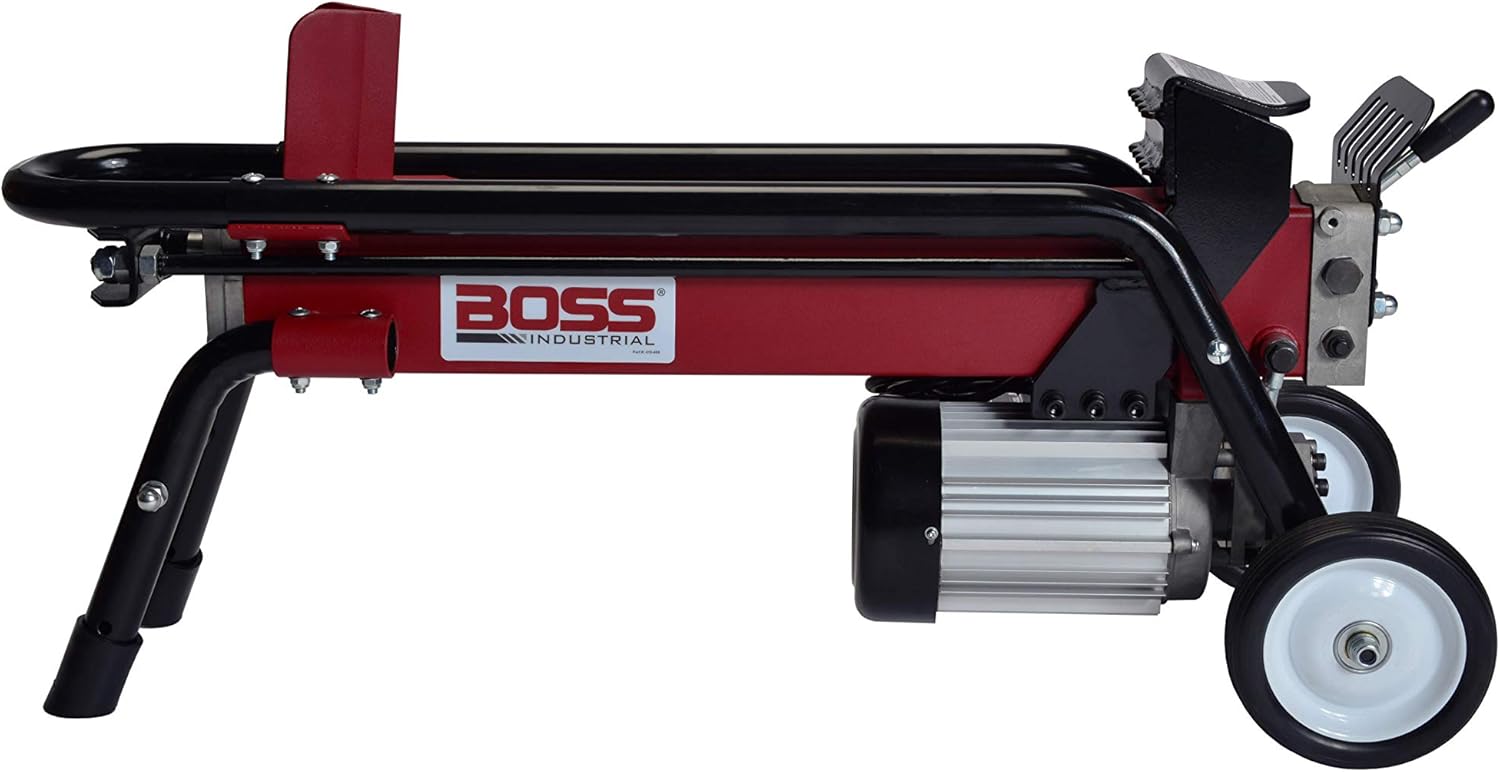


UniExtra
See current price


EasyGoProducts
See current price


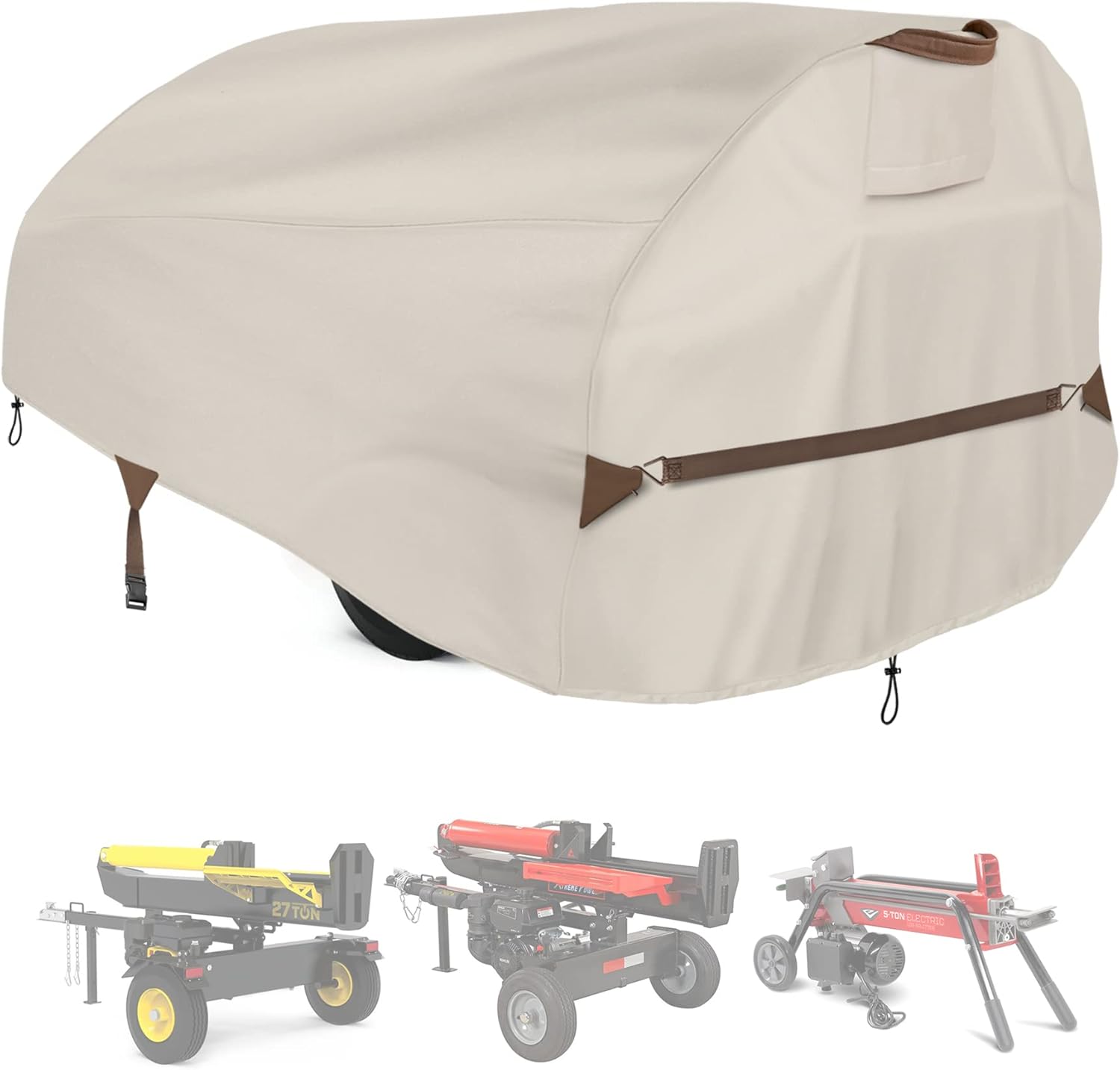

Champion Power Equipment
See current price


Log splitters can make processing firewood more manageable than relying on a splitting maul alone. The right choice depends on the type and volume of wood, where the machine will be used, how it will be transported, and how much setup and maintenance is acceptable.
K-Catalog helps shoppers compare log splitter specifications and features in the Outdoor Power Tools category without treating one design as right for every property. Consider the points below before selecting a model, then check the detailed product information for compatibility with your work area and firewood needs.
Start with the wood you usually split. Smaller, straight-grained pieces may require less capability than large, knotty, or irregular logs. The diameter and length of the logs should be compared with the splitter’s stated operating capacity, while the machine’s splitting force helps indicate the type of work it is designed to handle.
Also consider how often the splitter will be used. Occasional users may prioritize simple operation, compact storage, and lower maintenance. Frequent firewood preparation can make cycle time, handling ergonomics, durability-related construction details, and convenient transport more important.
If your outdoor equipment needs extend beyond firewood, browse the broader Outdoor Power Tools category to compare related equipment in one place.
Log splitters are commonly differentiated by their power source and operating setup. Each type suits a different balance of convenience, mobility, and performance.
A horizontal setup may be convenient for many ground-level logs, while a vertical configuration can reduce the need to lift heavier pieces onto a platform. If a product supports more than one operating position, compare the adjustment process and the space required around the machine.
Product listings may use different terminology, so compare specifications directly rather than relying on appearance alone. Pay attention to:
Specifications should be evaluated as a group. A powerful machine may be less suitable if it is difficult to move, while a compact model may not match the size or condition of the logs being prepared.
The Log Splitters catalog includes products from EasyGoProducts, GARDRIT, YWNYT, Kindling Cracker, SuperHandy, VARWANEO, SELUGOVE, BH Blue Home, Mighty Hand, Champion Power Equipment, Tooltrex, and KBY. These brands are represented in the catalog for comparison; shoppers should review each listing’s specifications, included components, operating instructions, and compatibility details rather than choosing by brand name alone.
For parts and supporting equipment, explore Replacement Parts & Accessories. If preparing logs also involves cutting branches or firewood, Chainsaws may be a useful related category to compare separately.
Operate a log splitter on a stable, level surface with enough clearance for loading, splitting, and removing wood. Keep hands, feet, loose clothing, and bystanders away from the splitting area. Use protective equipment appropriate for the task, inspect the machine before operation, and follow the manufacturer’s instructions for startup, shutdown, maintenance, and storage.
Never exceed the stated log dimensions or use damaged components. Powered models may require additional precautions involving fuel, electricity, hot surfaces, hydraulic pressure, or ventilation. Plan where split wood will be placed so the work area stays clear and stable.
Choose based on log size and condition, available power, workload, portability needs, storage space, and the amount of maintenance you are prepared to perform.
Neither is universally better. Horizontal operation can suit smaller or easily lifted logs, while vertical operation may reduce lifting for heavier pieces. A convertible design can provide more flexibility when specified.
Splitting force describes the pushing force available to break apart a log. Compare it with the size, species, grain, knots, and moisture condition of the wood you plan to split.
Cycle time describes the machine’s operating interval, but real productivity also depends on loading, repositioning, clearing split pieces, and the operator’s workflow.
Review the machine’s weight, wheel and handle design, transport method, storage dimensions, operating position, and any vehicle or surface requirements stated in the product information.