

Massage Tools & Equipment
Compare massage tools and equipment by design, massage technique, comfort, and intended use. This catalog helps you narrow options for relaxation, recovery, and everyday muscle care.
4,342 products in catalog
4,342 results
Filters
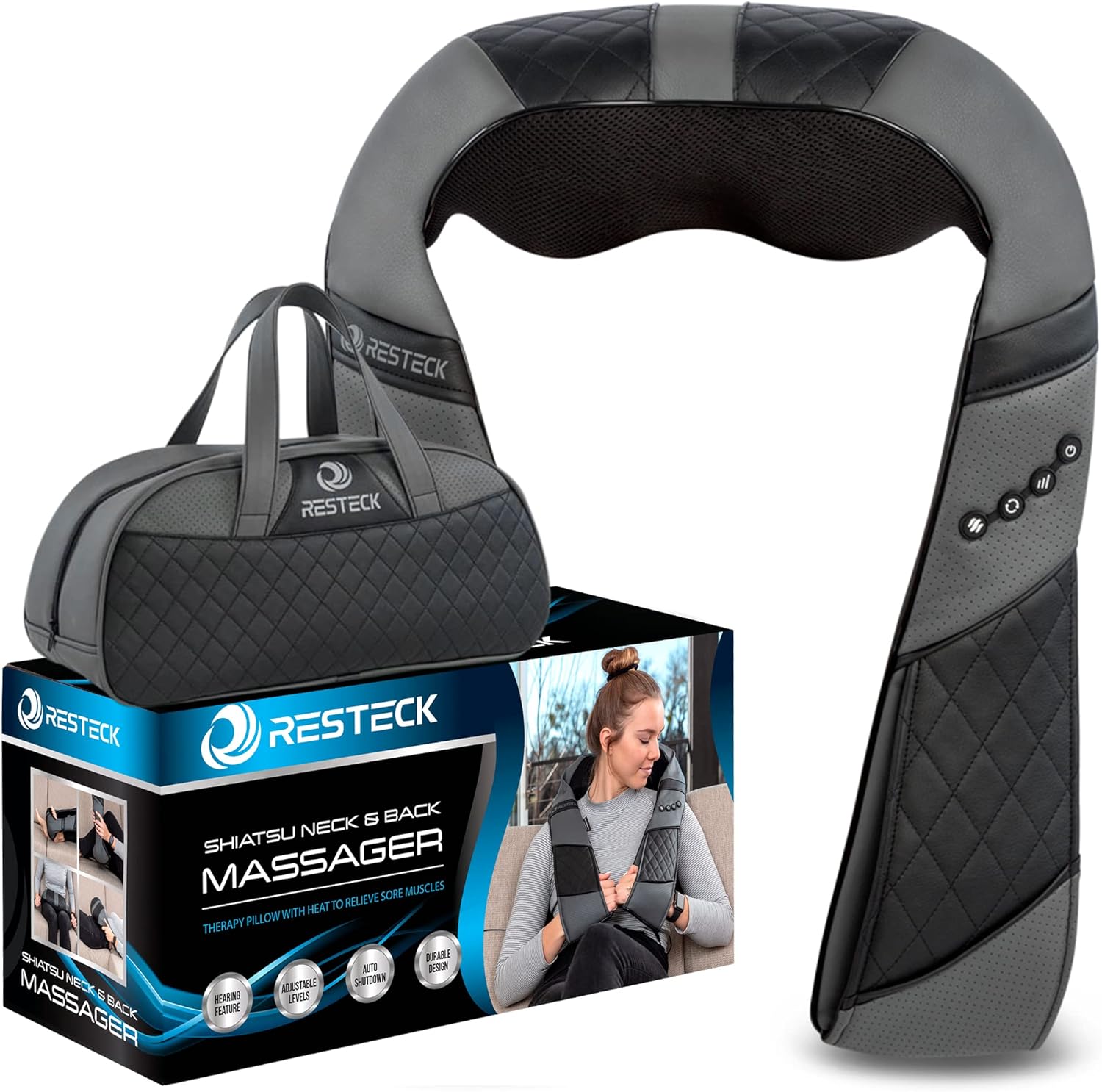
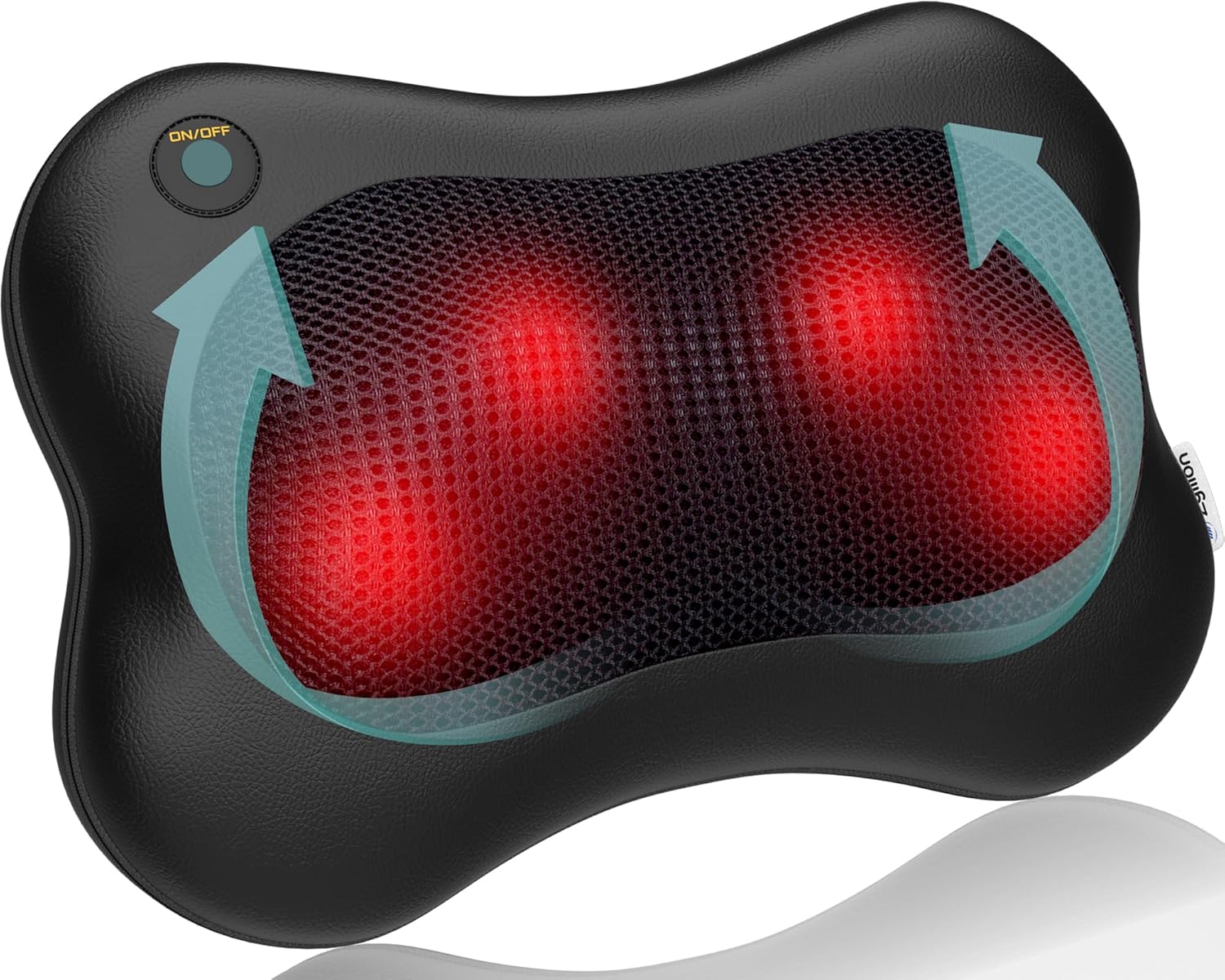
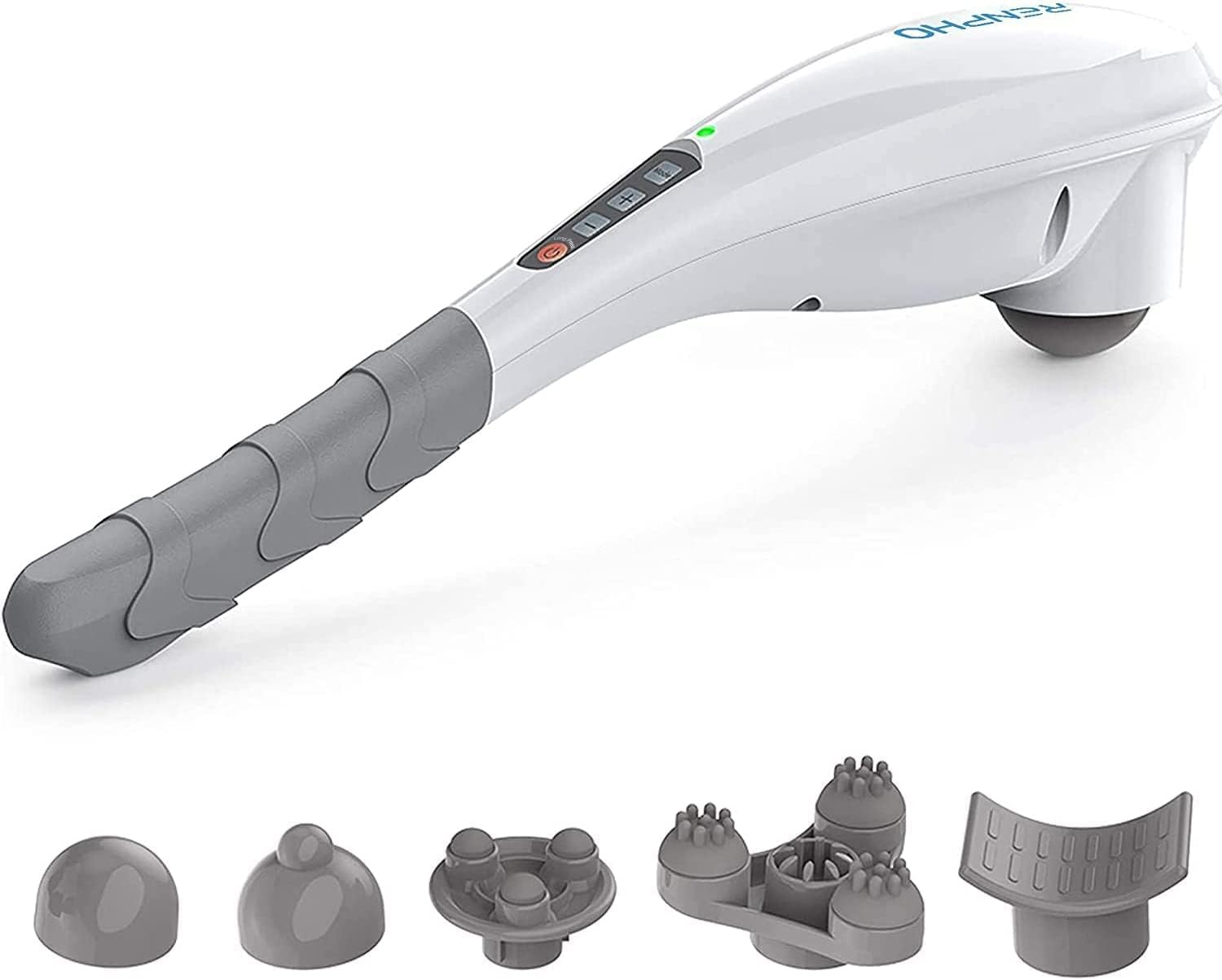


USAGA
USAGA Head Massager Scalp Massager 20 Fingers Head Scratcher for Head Body Relaxing
See current price






Popular brands in Massage Tools & Equipment
Massage tools and equipment can make self-care more convenient, whether the goal is relaxing after a long day, loosening tight muscles, or supporting a recovery routine. Options range from compact handheld tools to larger devices designed for the back, legs, feet, or full-body use.
K-Catalog brings together a broad selection to compare by function and specifications. Before choosing, consider where you will use the product, how much control you want over pressure and intensity, and whether portability or hands-free operation matters most.
How to choose massage equipment
Start with the area of the body you want to address and the type of massage sensation you prefer. A handheld tool can offer more precise control, while a cushion, pad, or seat-style product may be more convenient for extended use. Foot-focused equipment is designed around the shape and needs of the feet, whereas percussion tools are generally intended for targeted muscle work.
Other practical considerations include:
- Massage style: Look for percussion, vibration, kneading, rolling, compression, heat, or a combination of functions.
- Control: Compare speed settings, intensity levels, massage modes, and whether controls are located on the device or a remote.
- Coverage: Check whether the product targets one area or is designed for multiple body regions.
- Power source: Corded models can suit a fixed location, while rechargeable or battery-powered tools are easier to move.
- Ergonomics: Handle shape, weight, controls, and the ability to reach your back or legs can affect everyday convenience.
Main types to compare
Because there are no listed subcategories for this catalog page, compare products by their intended use and operating style. This makes it easier to distinguish between similar-looking devices.
Handheld and percussion tools
Handheld massagers are useful when you want to direct the device yourself. Compare the grip, head or attachment options, operating noise, speed range, and whether the shape makes it easy to reach areas such as the shoulders, back, arms, and legs. Percussion-style models may be suited to shoppers seeking a more concentrated sensation, while gentler vibration tools can be preferable for lighter everyday use.
Massage cushions and seat-style devices
Cushions and seat massagers can provide hands-free support while sitting in a chair or on a sofa. Check the body areas covered, such as the back, neck, shoulders, or seat, along with the placement and movement of massage nodes. Confirm that the dimensions and attachment method work with the chair where you plan to use the product.
Foot massagers
Foot-focused products may use kneading, rolling, vibration, compression, heat, or several of these functions. Compare the interior space, foot coverage, control options, cleaning requirements, and whether the design accommodates your preferred level of enclosure. A compact foot tool may be easier to store, while a larger unit may offer more extensive coverage.
Pads, mats, and targeted tools
Massage pads and smaller targeted products can be useful for a specific body area or a simple relaxation routine. Look at the surface texture, flexibility, fastening method, and whether the product is intended for seated, lying-down, or hands-on use. Manual rollers, balls, and similar tools do not require electrical power, but they do require the user to control pressure and movement.
Features and specifications that matter
Heat can add warmth to a massage session, but it is important to compare whether heat is optional, adjustable, or built into a particular mode. For powered products, review the control layout and timer functions so the device is straightforward to operate without interrupting your routine.
Attachments and interchangeable heads can increase versatility, although more accessories may require additional storage. For rechargeable tools, compare charging requirements and portability. For corded equipment, consider cord length and the location of the outlet. Materials, removable covers, and wipe-clean surfaces are also worth checking, especially for products used directly against skin or shared by multiple people.
Brands represented in the catalog
The catalog includes products from P&J Trading, Homedics, Snailax, COMFIER, RENPHO, LifePro, Body Back, FITPULSE, FIT KING, Wahl, cotsoco, and CHIROGUN. These brands are well represented across the available selection. Compare each product’s specifications and intended use rather than choosing by brand name alone, since designs and features can vary within a brand.
For more wellness and relaxation products, browse the broader Wellness & Relaxation category.
Safe and practical use
Read the product instructions before use and begin with a lower intensity when trying a new device. Avoid applying strong pressure directly over bones, open wounds, irritated skin, or areas that are swollen or painful without a clear reason. Do not use heat or compression settings longer or more intensely than the instructions allow.
People with circulation concerns, reduced sensation, recent injuries, implanted medical devices, or other health conditions should ask a qualified medical professional whether a particular type of massage equipment is appropriate. Stop using a product if it causes sharp pain, numbness, dizziness, or unusual discomfort.
Frequently asked questions
Which massage tool is best for targeted muscle areas?
Handheld or percussion tools generally offer the most direct control over a specific area. Compare the grip, attachments, intensity settings, and reach before choosing.
Are massage cushions suitable for every chair?
Not necessarily. Check the product dimensions, securing straps, seating requirements, and the areas supported to confirm compatibility with your chair.
What should I compare in a foot massager?
Review the massage technique, foot space, heat and compression settings, controls, cleaning needs, and how easy the unit is to store.
Is a rechargeable massage tool more convenient than a corded one?
Rechargeable models are typically easier to move, while corded models can be convenient for a regular location without charging between uses. Compare power requirements with where you plan to use the tool.
Can massage equipment replace professional medical care?
No. These products are intended for personal relaxation or general muscle-care routines and should not replace diagnosis or treatment from a qualified professional.