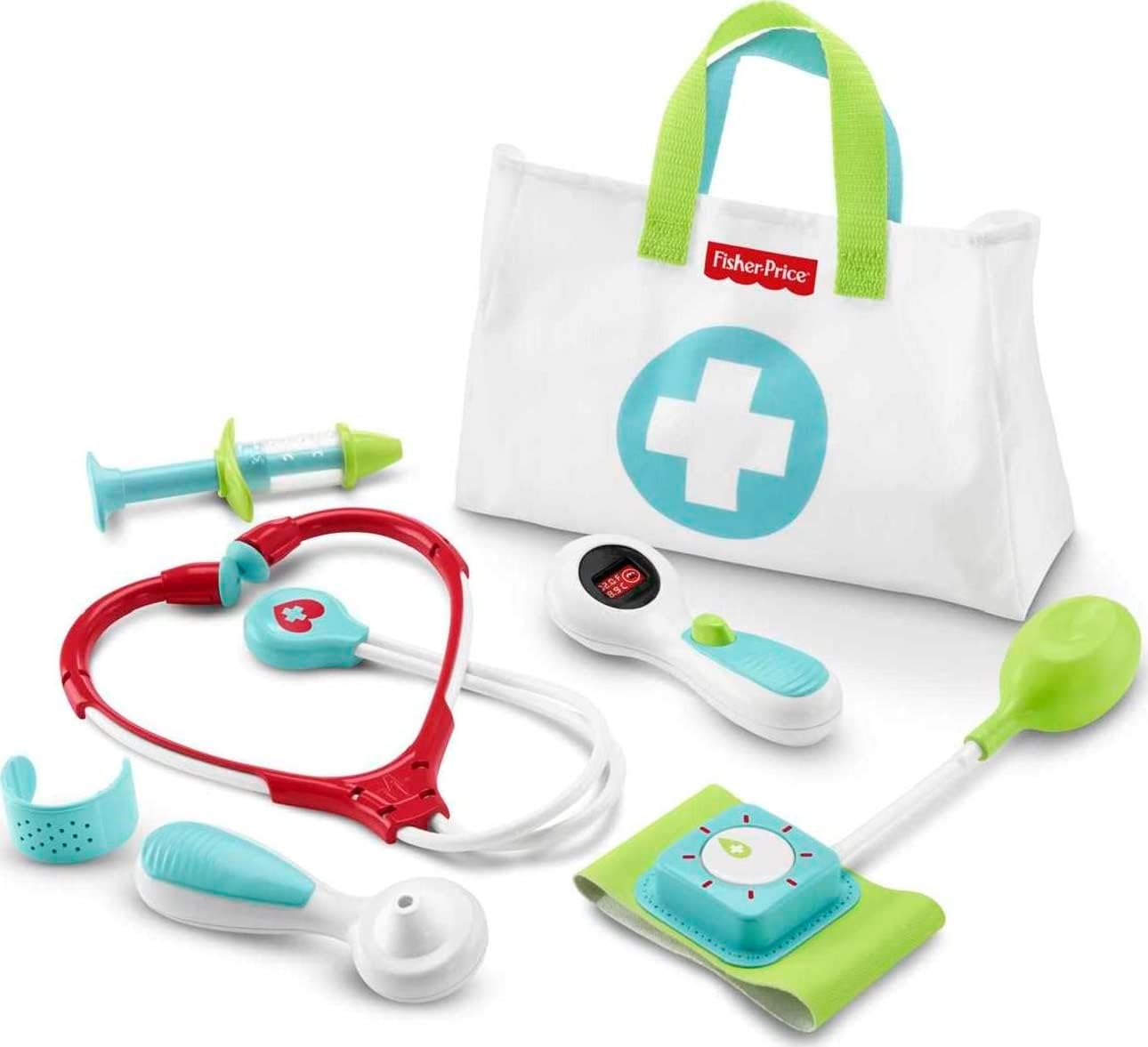
Fisher-Price
Fisher-Price Doctor Playset Medical Kit 7-Piece Toy for Dress Up and Preschool Pretend Play Ages 3+ Years
See current price

Explore medical kits designed for imaginative role-play, from simple doctor sets to fuller kits with accessories and storage. Compare included tools, materials, age guidance, and play features before choosing.
154 products in catalog
154 results
Fisher-Price
See current price


RONG XING TOY FACTORY
See current price


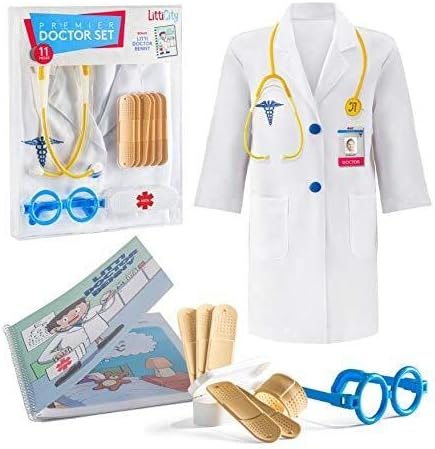

Branford LTD
See current price


Medical kits give children a way to act out doctor, nurse, and veterinarian scenarios through pretend play. A well-matched set can support storytelling, turn-taking, and familiar routines while keeping the focus on imaginative play rather than real medical use.
When comparing medical kits, look beyond the number of accessories. Consider which tools are included, how easy they are to store, whether the pieces suit the child’s age and play style, and whether the set works well for solo or shared play.
Start with the kind of pretend play the child enjoys. Some children prefer role-playing a doctor’s visit, while others may want a kit that supports caring for dolls, stuffed animals, or family members. A smaller set can be easier for younger children to handle and put away, while a larger collection may offer more scenarios for children who enjoy extended play.
Pay attention to the recommended age range and any manufacturer guidance. Check that the pieces are suitable for the intended child, especially when the set includes small accessories. Adults should inspect toys before use and supervise play when appropriate.
Medical kits can differ considerably in format and contents. Common options include:
Look for realistic-looking but clearly toy-oriented pieces, such as a play stethoscope, thermometer, syringe, bandage accessories, or a toy medical bag when those features match the listing. The exact contents vary, so compare the product specifications rather than relying on the kit name alone.
For children who enjoy building a complete dress-up scenario, medical kits can pair naturally with Dress-Up Accessories or Costumes. These related categories can help create a broader pretend-play setup without requiring every accessory to come in one kit.
Compare the following details before selecting a set:
A kit with many parts is not automatically the best fit. Fewer, well-chosen pieces may be easier to manage, while children who enjoy detailed scenarios may appreciate a more extensive collection.
The Medical Kits catalog includes products from brands such as Melissa & Doug, Just Play, Branford LTD, Kidzlane, Liberry, Gizmovine, Battat, Learning Resources, Fisher-Price, FisherPrice, Fajiabao, and Dlordy. Compare each individual listing’s specifications and included accessories, since features can vary between products from the same brand.
Medical kits can also complement other pretend-play themes. For children who like role-playing everyday jobs, browse Play Tools. For broader imaginative setups, Kitchen Toys and Magnetic & Felt Playboards offer different ways to build scenes, routines, and stories.
Keep pretend medical tools separate from real medical supplies so children can distinguish make-believe equipment from items used for health care. Store small pieces in the included case or a labeled container, and check periodically for damaged parts, loose components, or missing pieces.
If multiple children will play together, consider sets with enough variety to support turn-taking. Establish simple play boundaries, such as not placing toy items in the mouth or using accessories on pets. For children who are sensitive to sounds or textures, review the listing for electronic effects and material details before buying.
The contents vary by product. Listings may include pretend examination tools, caregiving accessories, a case, or patient-themed pieces, so review the specifications for the exact set.
They can encourage imaginative storytelling, communication, role-playing, and familiar-care routines. The learning value depends on the child’s age, interests, and how the set is used.
A case can make transport and cleanup easier, especially when the set contains many separate accessories. If portability is not important, a tray or open container may also meet the child’s needs.
Suitability depends on the product’s stated age guidance and the size of its pieces. Always check the manufacturer’s recommendations and supervise play when needed.
Many children use medical kits to care for dolls and stuffed animals in pretend scenarios, but the exact accessories and play possibilities depend on the set.