

Mouthguards for Sports and Training
Compare mouthguards by fit, construction, comfort, and intended sport. This catalog helps you explore options for practice, competition, contact sports, and athletic training.
206 products in catalog
206 results
Filters


Shock Doctor
Shock Doctor Pro Mouth Guard, Shock Absorbing Mouth Protection, Custom Fit, Adult & Youth
See current price


Shock Doctor
Shock Doctor Gel Max Mouth Guard, Heavy Duty Protection & Custom Fit, Adult & Youth
See current price


NXT NXTRND
Nxtrnd One Football Mouth Guard, Breathable Mouthpiece, 2 Straps Included, Fits Adult & Youth (Purple)
See current price

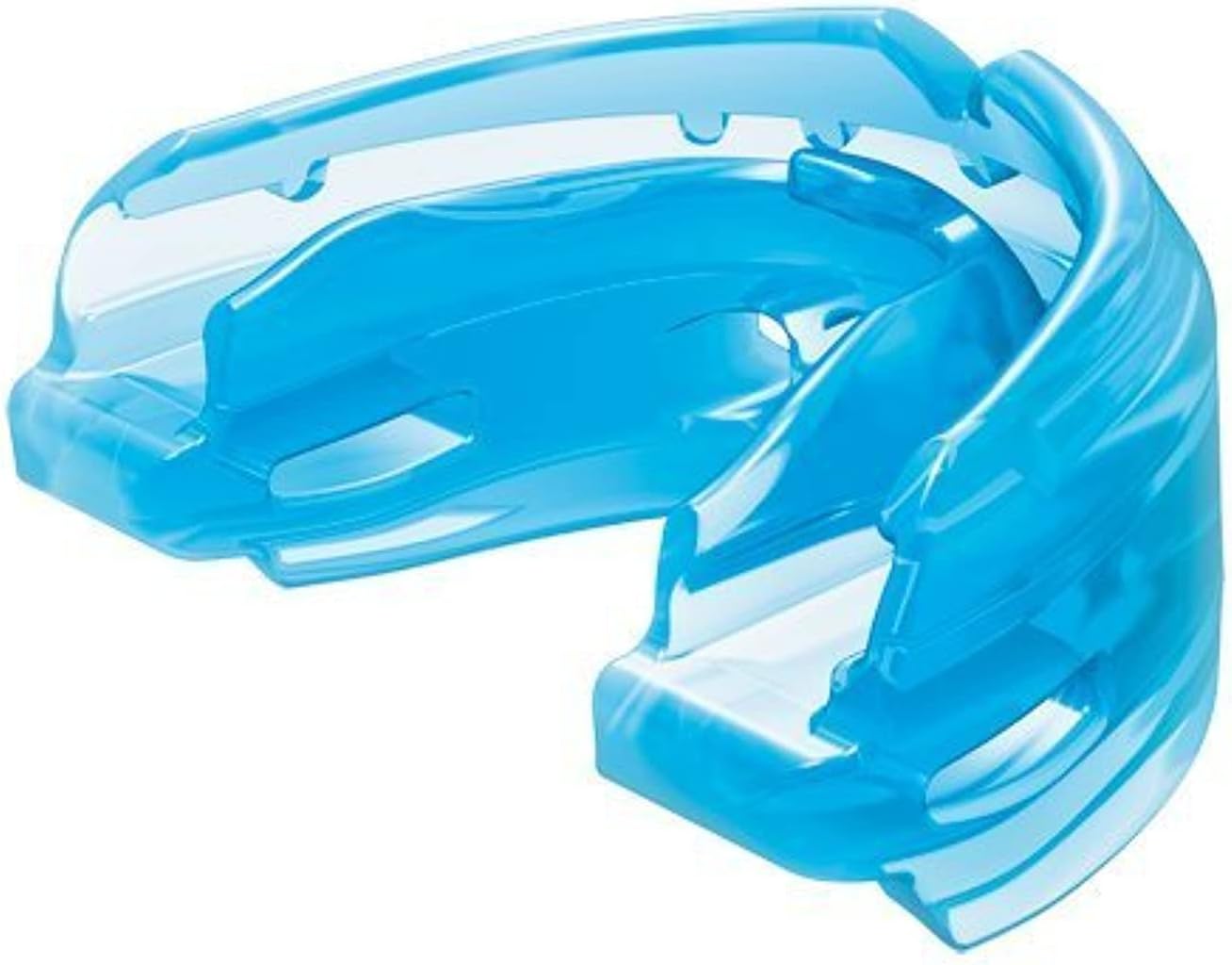

Markwort
Markwort Vettex Model 25 Doubleguard Football Mouthguard with Lip Protection
See current price


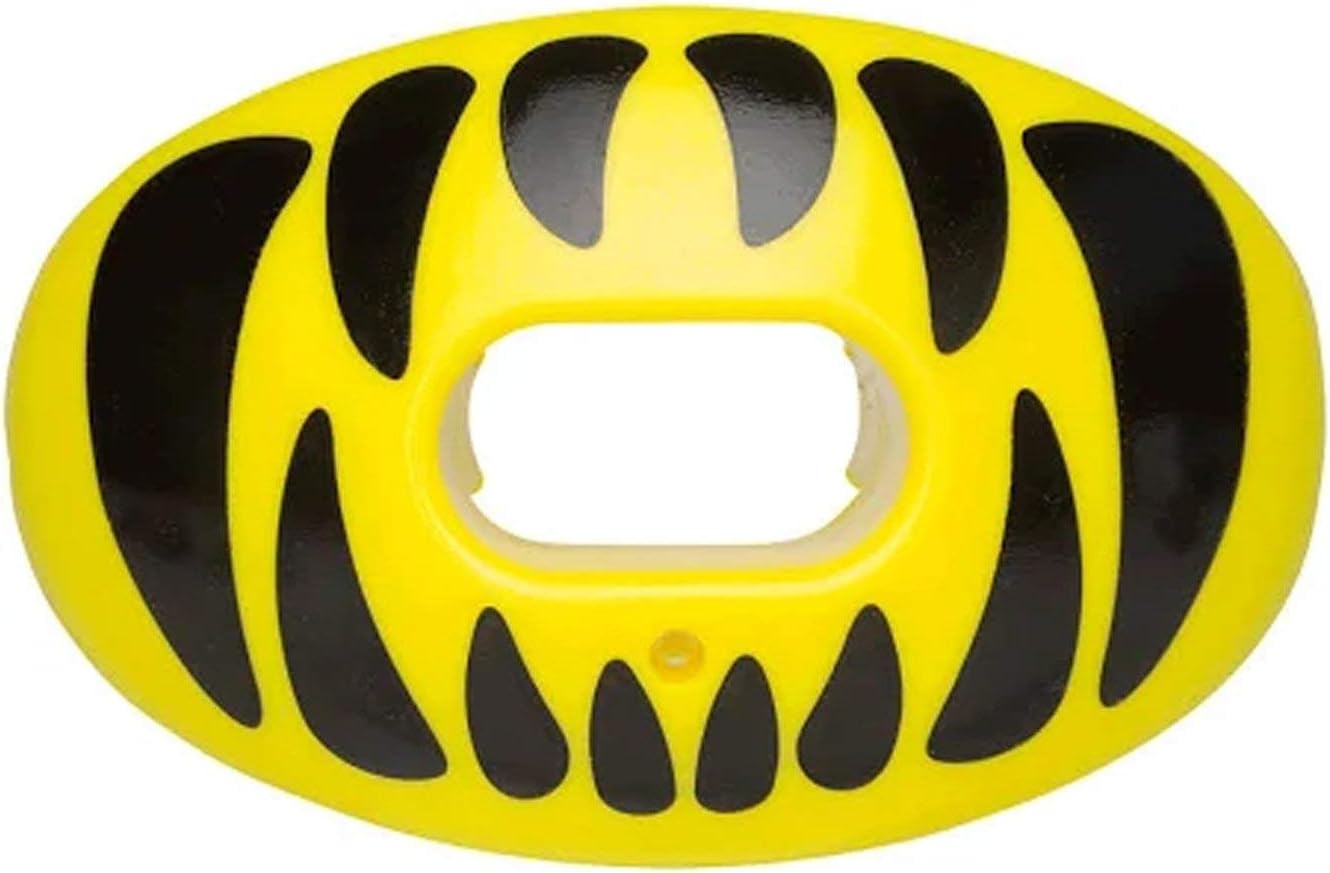
New Age Performance
New Age Performance 6DS Sports and Fitness Mouth Piece - Jaw Stabilizer and Performance Enhancer for Weight Lifting and Non-Contact Sports, Blue
See current price


Popular brands in Mouthguards
Mouthguards help create a protective barrier between the teeth, lips, cheeks, and sports equipment during athletic activity. The right choice depends on the sport, the level of contact, how securely the guard stays in place, and whether the wearer needs a custom-feeling fit or a simple ready-to-use option.
K-Catalog includes mouthguards from brands such as SISU, OPRO, Shock Doctor, Battle, Palong, Under Armour, NXT NXTRND, Loud Mouth, Oral Mart, Ringside, SAFEJAWZ, and Coolrunner. Compare each product’s specifications and features, then check the current listing on Amazon for availability and additional product details.
How to choose a mouthguard
Start with the activity and the level of impact involved. A guard for boxing, martial arts, football, hockey, or another contact sport may need a secure fit and substantial coverage. For training or lower-contact activities, comfort, speech, breathing, and ease of use may be higher priorities.
Consider who will wear the mouthguard. Adult and youth designs may differ in size and fit, so follow the manufacturer’s sizing guidance rather than choosing by appearance alone. If the wearer has braces, dental work, or other special dental considerations, ask a dentist or orthodontist which type is appropriate before buying.
Common mouthguard types
Boil-and-bite mouthguards
Boil-and-bite guards are softened in hot water and molded around the teeth. They offer a more personalized fit than a basic stock guard, but the molding process matters. Read the instructions carefully, allow the material to cool as directed, and avoid remolding unless the manufacturer permits it.
Stock mouthguards
Stock mouthguards come ready to wear and typically require little preparation. They can be convenient for occasional use or as a quick replacement, though a fixed shape may feel less secure or comfortable for some athletes. Check whether the guard is intended to stay in place while speaking or breathing.
Custom-fit and adjustable designs
Some mouthguards emphasize a closer, more individualized fit through molding systems or adjustable construction. These options may suit athletes who want a secure feel during movement, but compatibility with the wearer’s dental situation and careful fitting are especially important.
Single and double mouthguards
Single mouthguards generally cover one row of teeth and are often chosen for a balance of protection, airflow, and communication. Double mouthguards cover both upper and lower teeth and may be designed for more demanding contact sports. Compare the product’s instructions and intended use before selecting either style.
Features and specifications to compare
- Fit and retention: Look for details about molding, adjustment, and whether the guard is designed to stay in place during activity.
- Size range: Confirm whether the product is made for youth, adults, or a particular age or mouth size.
- Breathing and speech: Some designs include airflow channels or a lower-profile shape intended to make communication easier.
- Material: Check the listed construction and any stated material restrictions, especially when allergies or sensitivities are a concern.
- Braces compatibility: Do not assume a standard mouthguard works with braces. Look for explicit compatibility information.
- Case or storage: A ventilated case can make transport and storage more convenient while allowing the guard to dry between uses.
- Sport-specific design: Boxing and martial arts guards may differ from those intended for field sports or general training.
- Instructions: Molding, cleaning, replacement, and storage guidance can vary between products, even within the same style.
Fit, care, and replacement tips
A mouthguard should feel secure without causing sharp pressure, excessive gagging, or difficulty breathing. If it becomes loose, damaged, uncomfortable, or difficult to keep in place, stop using it until the fit is checked or the guard is replaced. A dentist can help assess fit when there are concerns about comfort or protection.
Rinse the guard after use and clean it according to the manufacturer’s directions. Let it dry fully before storing it in its case, and keep it away from excessive heat that could deform the material. Inspect it regularly for tears, thinning, rough edges, or bite marks. Replace it when it no longer fits correctly or shows significant wear.
Brands in the catalog
The Mouthguards catalog includes products from SISU, OPRO, Shock Doctor, Battle, Palong, Under Armour, NXT NXTRND, Loud Mouth, Oral Mart, Ringside, SAFEJAWZ, and Coolrunner. These brands may offer different approaches to molding, coverage, ventilation, sizing, and sport use, so compare the individual product specifications rather than choosing by brand name alone.
For broader sports protection categories, browse Sports Medicine and compare mouthguards with other equipment suited to athletic safety and training needs.
Frequently asked questions
Should a mouthguard feel tight?
It should fit securely without painful pressure or distracting discomfort. A loose guard may move during activity, while an overly tight or poorly molded guard may be difficult to wear consistently.
Can a mouthguard be used with braces?
Only use a product that clearly states it is compatible with braces or has been recommended by a dental professional. Braces can change the fit and may require additional room for tooth movement.
How should a mouthguard be cleaned?
Rinse it after use and follow the product’s cleaning instructions. Allow it to dry before placing it in a case, and avoid hot water unless the instructions specifically call for it during fitting.
How do I choose between a single and double mouthguard?
Compare the coverage, fit, breathing, speech, and intended sport. A double guard may feel more substantial, while a single guard can offer a less bulky design for some athletes.
When should a mouthguard be replaced?
Replace it when it becomes damaged, misshapen, loose, uncomfortable, or difficult to keep in place. Youth athletes may also need a new size as their teeth and mouth change.