

Nail Art & Polish for At-Home Manicures
Compare nail polish and nail art products by formula, finish, color, application method, and included accessories. Find options suited to simple touch-ups, detailed designs, or gel manicures.
12,269 products in catalog
12,269 results
Filters

Mineral Fusion
Mineral Fusion Nail Polish Remover, Acetone-Free & Non Drying for Regular & Shellac Nail Polishes, 6 Ounce
See current price



SUNUV
UV LED Nail Lamp, SUNUV Gel Nail Light for Nail Polish 48W UV Dryer with 3 Timers SUNone
See current price





Popular brands in Nail Art & Polish
Nail art and polish products make it easier to create anything from a clean, single-color manicure to detailed designs with layered finishes, decorative accents, and salon-style effects. The right choice depends on your preferred formula, application method, skill level, and how much time you want to spend on preparation and curing.
Use this category to compare product specifications and features across a wide selection of manicure essentials. Whether you are refreshing a natural nail, practicing nail art, or building a more complete home manicure setup, focus on compatibility and application requirements as well as color and appearance.
How to choose nail art and polish
Start by deciding what kind of manicure you want to create. Traditional polish is suited to straightforward application and can be removed with standard polish remover, while gel formulas typically require curing with a compatible lamp. Nail art products may be used alone or combined with polish to add patterns, texture, shine, or decorative details.
Consider these factors before choosing:
- Formula: Look for traditional polish, gel polish, base coat, top coat, builder-style products, or specialty formulas according to your routine.
- Finish: Common appearance options include glossy, matte, glitter, metallic, shimmer, sheer, and cream finishes.
- Color selection: Think about whether you need one specific shade, a coordinated set, neutrals for everyday wear, or brighter colors for creative designs.
- Application method: Check whether the product is brushed on, painted with a detail brush, applied as a sticker or decal, or placed as an embellishment.
- Removal and upkeep: Gel and layered nail art can require more preparation and removal steps than a simple polish manicure.
- Skill level: Beginners may prefer uncomplicated formulas and easier-to-control brushes, while experienced users may want highly pigmented colors, fine-detail tools, or specialty effects.
Popular nail art and polish options
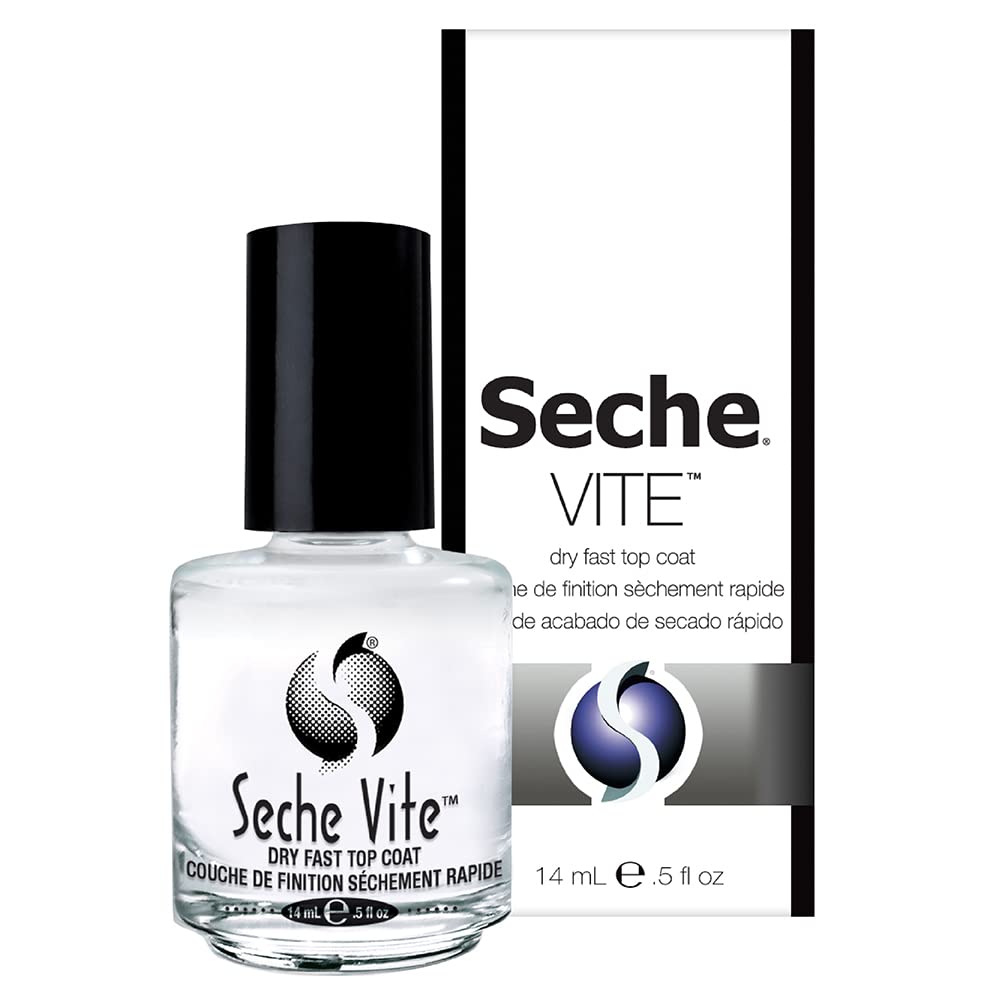
Because this category includes many different manicure formats, comparing the product type is an important first step. Traditional nail polish is a practical choice for users who want a familiar brush-on application and flexible color changes. Base and top coats can be selected separately to support a complete polish routine.
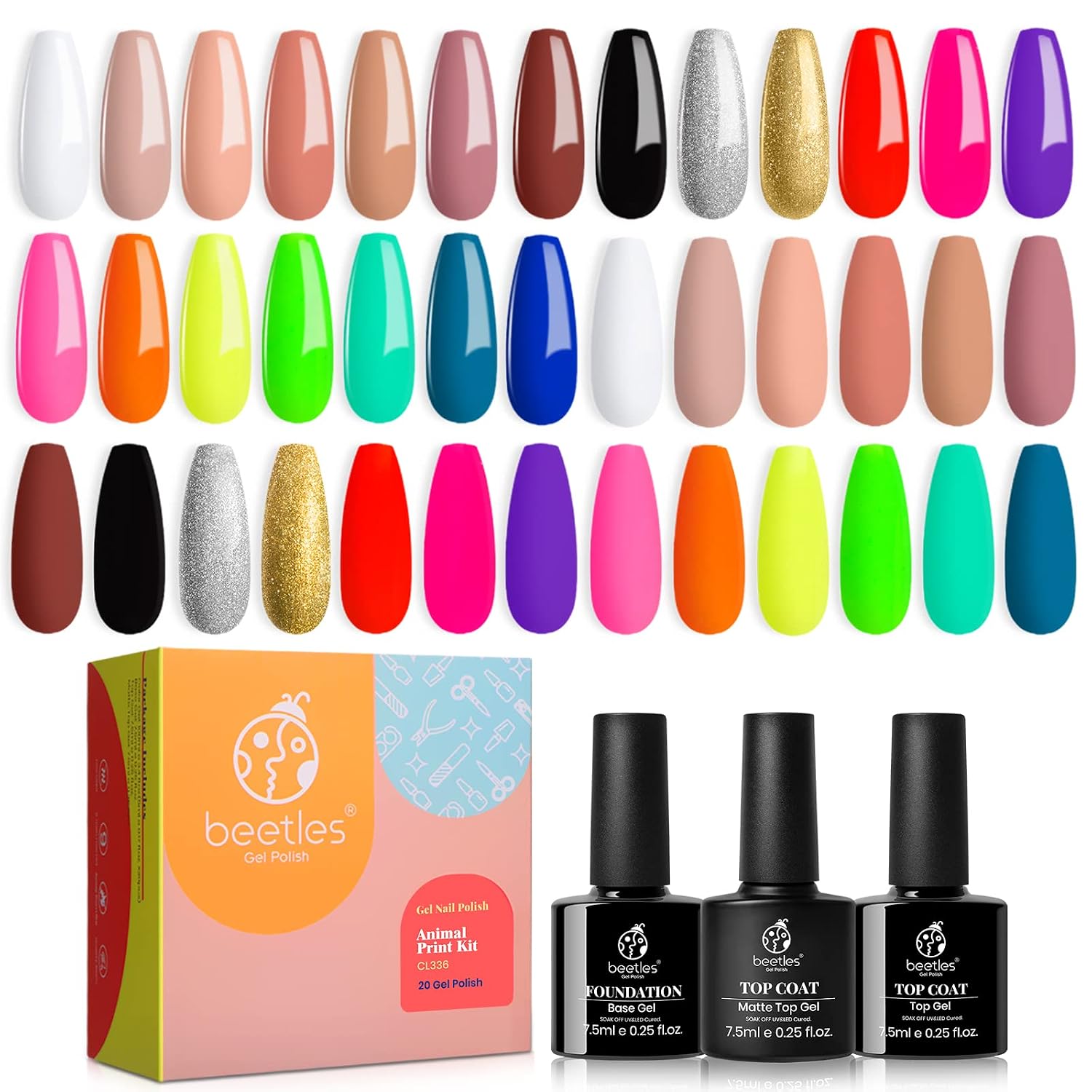
Gel polish is designed for users who have access to the required curing equipment and are comfortable following a multi-step process. When considering gel products, check the stated curing requirements and whether the formula is intended for the lamp type you use. A coordinated color set may be useful for creating multiple looks, while individual shades offer more control over your collection.
Nail art products can include decorative pieces, glitter, pigments, stamping supplies, decals, striping materials, and tools for precise designs. These options suit shoppers who want to add accents without applying a complicated design freehand. For a broader selection of manicure equipment and add-ons, browse Tools & Accessories.
Shoppers looking for preparation, maintenance, or treatment products may also want to compare Nail Care. Products focused on moisturizing, cleansing, or caring for the surrounding skin can be found in Foot & Hand Care.
Key features and specifications to compare
The product listing and packaging details can help you determine whether an item matches your manicure setup. Pay attention to the following information:
- Curing instructions: Gel products may specify a lamp type, curing method, or application sequence. Confirm that these requirements fit your available equipment.
- Coat recommendations: Some products are intended for use with a base coat, top coat, or both. Following the recommended sequence can help you plan the full manicure.
- Brush design: A wider brush may cover the nail quickly, while a narrower brush can offer more control around the edges. Detail brushes are intended for lines, small shapes, and precision work.
- Opacity: Sheer, translucent, and highly pigmented formulas create different results. Opacity can affect how many coats you want to apply and how much the natural nail shows through.
- Drying or curing process: Traditional polish air-dries, while gel products generally need a curing step. Factor this into the time and equipment required.
- Set contents: Kits may combine colors, tools, decorations, or preparation products. Review the included items to avoid buying duplicates or missing a product needed for the intended design.
- Finish and texture: Glitter, shimmer, metallic, matte, and glossy finishes can look different under various lighting. Product images and descriptions may help you compare the expected effect.
- Removal method: Check whether the formula calls for standard remover, soaking, filing, or another specific process. Avoid choosing a product without considering how you will remove it later.
Brands represented in the catalog
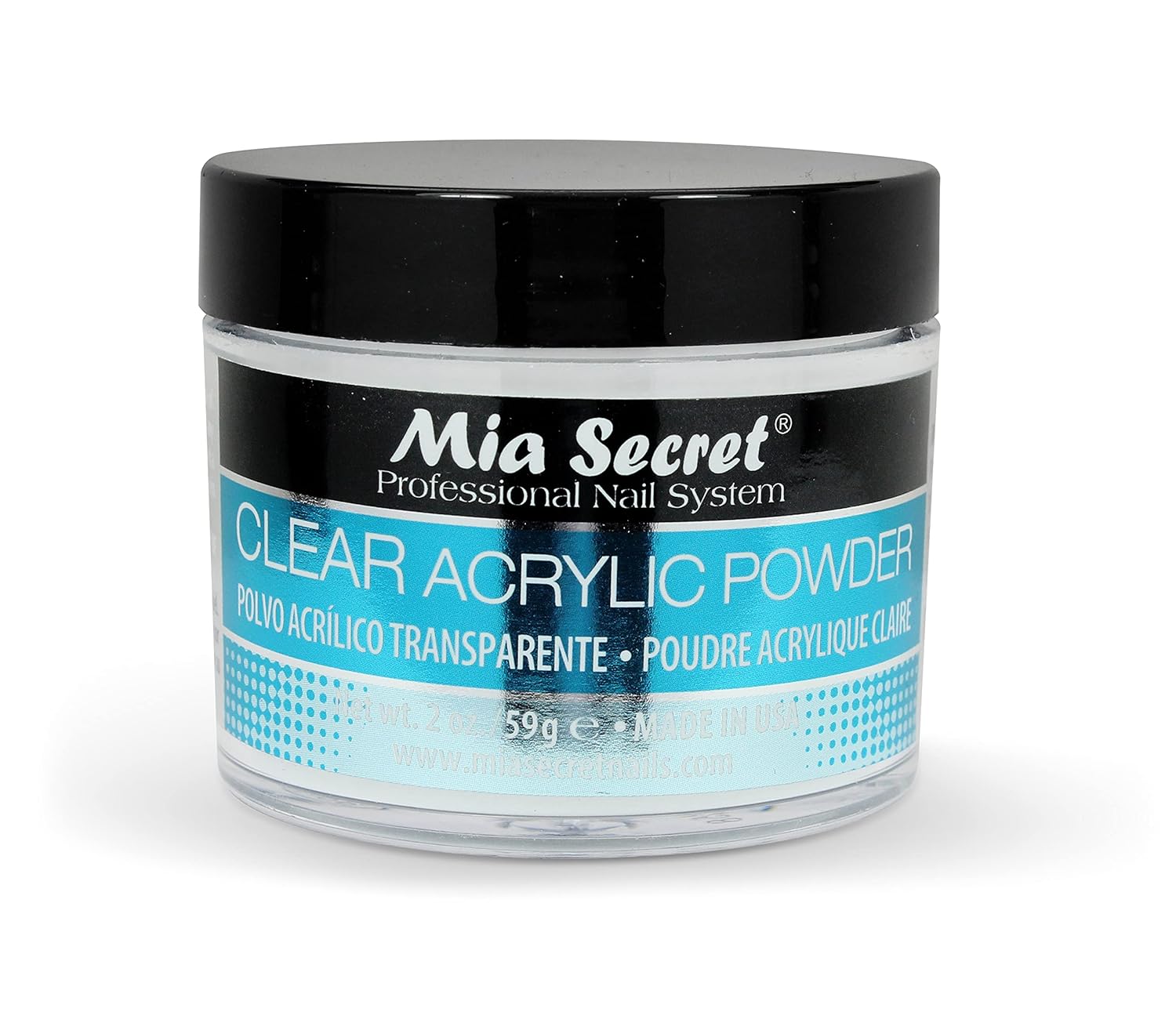
The catalog includes products from a range of brands, giving shoppers multiple lines to compare by formula, color selection, finish, packaging, and included accessories. Brands represented here include Elite99, Maitys, Modelones, Sally Hansen, beetles Gel Polish, Morovan, KISS, Saviland, Mia Secret, Makartt, CLAVUZ, and Essie.
These brands may cover different parts of the category, from everyday polish and gel color to nail art supplies and manicure kits. Brand name alone does not determine whether a product is right for your routine, so compare the specific formula, application instructions, shade, finish, and kit contents of each listing.
Application, compatibility, and care tips
Prepare the nail surface according to the product instructions before applying color or decorations. Clean, dry nails can make it easier to apply polish evenly. Keep product away from the surrounding skin where possible, and allow each layer to dry or cure as directed rather than applying the next step too quickly.
For gel products, compatibility matters. Check the curing guidance, lamp requirements, and recommended base or top coat before starting. If a kit includes several components, review how they are intended to work together. Do not assume that every lamp, polish, top coat, or decoration is interchangeable.
Store bottles and art supplies securely with their closures properly sealed. Keep them away from heat and direct sunlight when the product instructions recommend it. Brushes and tools should be cleaned according to their material and the formula used. For nail stickers, decals, and embellishments, consider the nail shape and available surface area so the design does not interfere with normal use.
When removing polish or gel, follow the product’s stated method and avoid forceful peeling or picking. If a product causes discomfort or irritation, discontinue use and follow the relevant safety guidance on the packaging. Always check the label for ingredients, warnings, and any usage limitations that may apply to your situation.
Frequently asked questions
What is the difference between traditional polish and gel polish?
Traditional polish generally dries in the air and can be removed with standard nail polish remover. Gel polish typically requires a compatible curing lamp and a more structured application and removal process.
Do I need a base coat and top coat?
They are not required for every product, but many manicure routines use them as separate preparation and finishing steps. Check the instructions for the specific polish or kit to confirm what is recommended.
How should I choose a nail art kit?
Compare the included colors, tools, decorations, application method, and instructions. Choose a simpler set for basic designs or a more varied kit if you want to experiment with multiple techniques and finishes.
Are all gel polishes compatible with every nail lamp?
Not necessarily. Check the product’s curing requirements and compare them with the specifications of your lamp before purchasing or applying the product.
What finish is easiest for an everyday manicure?
Glossy cream or sheer finishes are commonly chosen for simple, versatile looks, but the best option depends on your preferred coverage, color, and maintenance routine.
How can I compare shades online?
Use the listed color name, finish, opacity information, and product images together. Screen settings and lighting can affect how a shade appears, so treat online color previews as a guide rather than an exact match.