
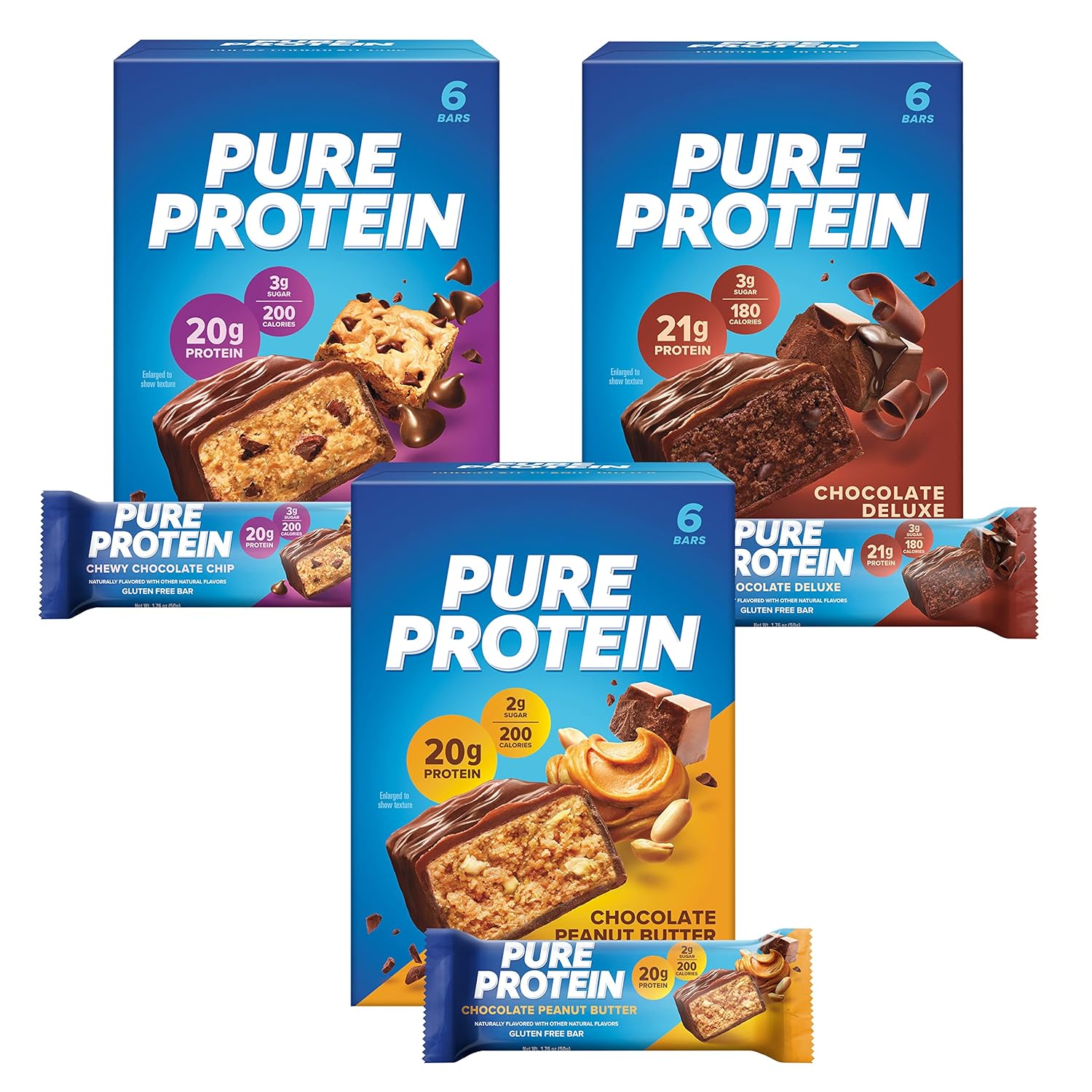
Nutrition Bars & Drinks for Everyday Goals
Compare nutrition bars and drinks by ingredients, nutrition facts, format, and dietary preferences. Browse catalog options to find products that fit workouts, busy days, or planned eating routines.
770 products in catalog
770 results
Filters


Gatorade
Gatorade Whey Protein Recover Bars, Chocolate Chip, 2.8 ounce bars (12 Count)
See current price
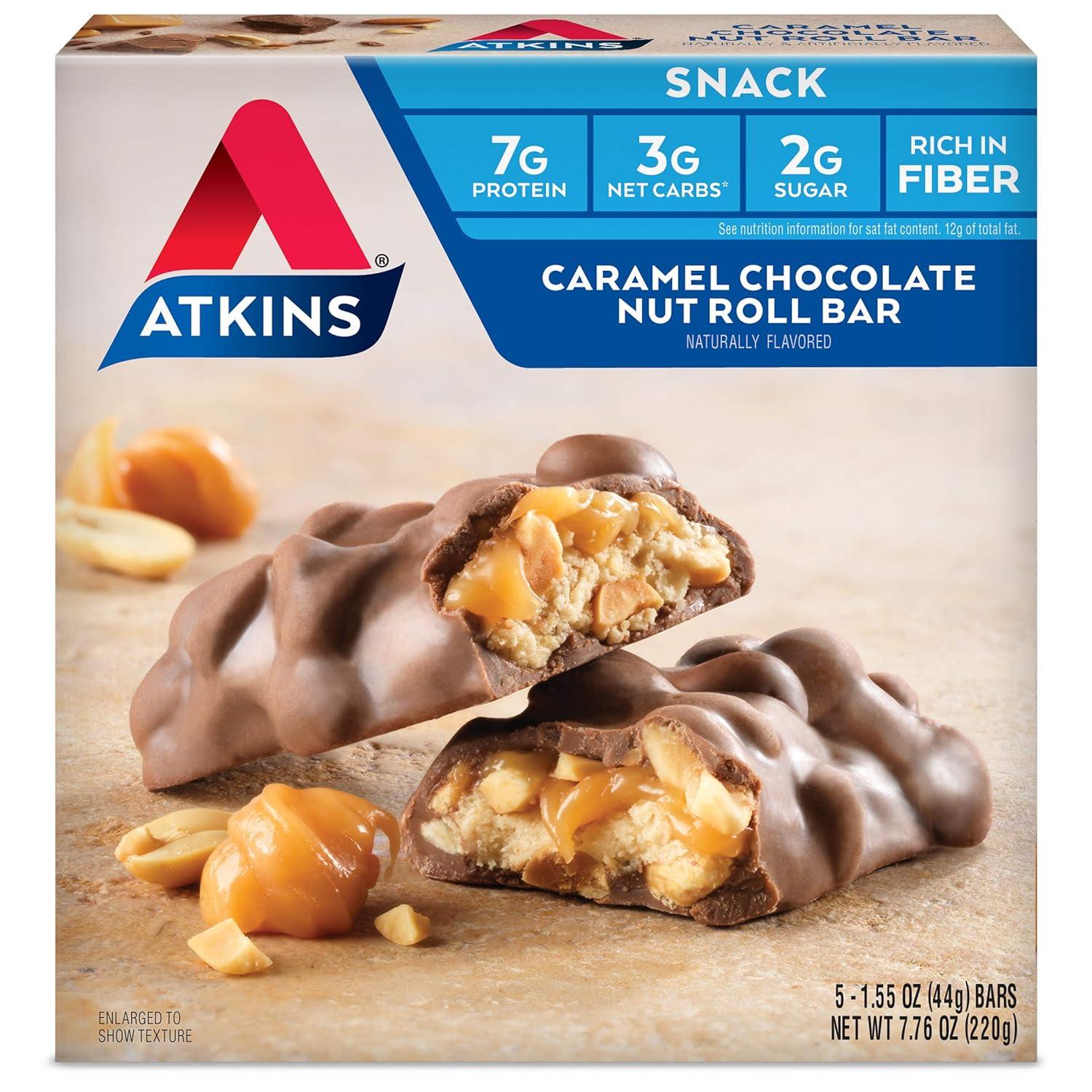
ATKC7
Atkins Snack Bar, Caramel Chocolate Nut Roll, Keto Friendly, 1.55 Ounce (5 Bars)
See current price


Quest Nutrition
Quest Nutrition Protein Bar, Chocolate Chip Cookie Dough, 2.12 oz,12 Count
See current price


Atkins Nutritionals, Inc
Atkins Endulge Caramel Nut Chew Bar, Dessert Favorite, 1g Sugar, Good Source of Fiber, 10 Count
See current price

AmazonUs/QUF79
Quest Nutrition Sea Salt Caramel Almond Snack Bar, High Protein, Low Carb, Gluten Free, Keto Friendly, 1.52 Oz (Pack of 12)
See current price


AmazonUs/QUF79
Quest Nutrition Peanut Chocolate Crunch Snack Bar, High Protein, Low Carb, Gluten Free, Keto Friendly, 1.52 Oz (Pack of 12)
See current price


Europa Sports Products
Power Crunch Protein Wafer Bars, High Protein Snacks with Delicious Taste, Peanut Butter Fudge, 1.4 Ounce (12 Count)
See current price


AmazonUs/GOMJ9
GoMacro MacroBar Organic Vegan Protein Bars - Maple Sea Salt (2.3 Ounce Bars, 12 Count)
See current price
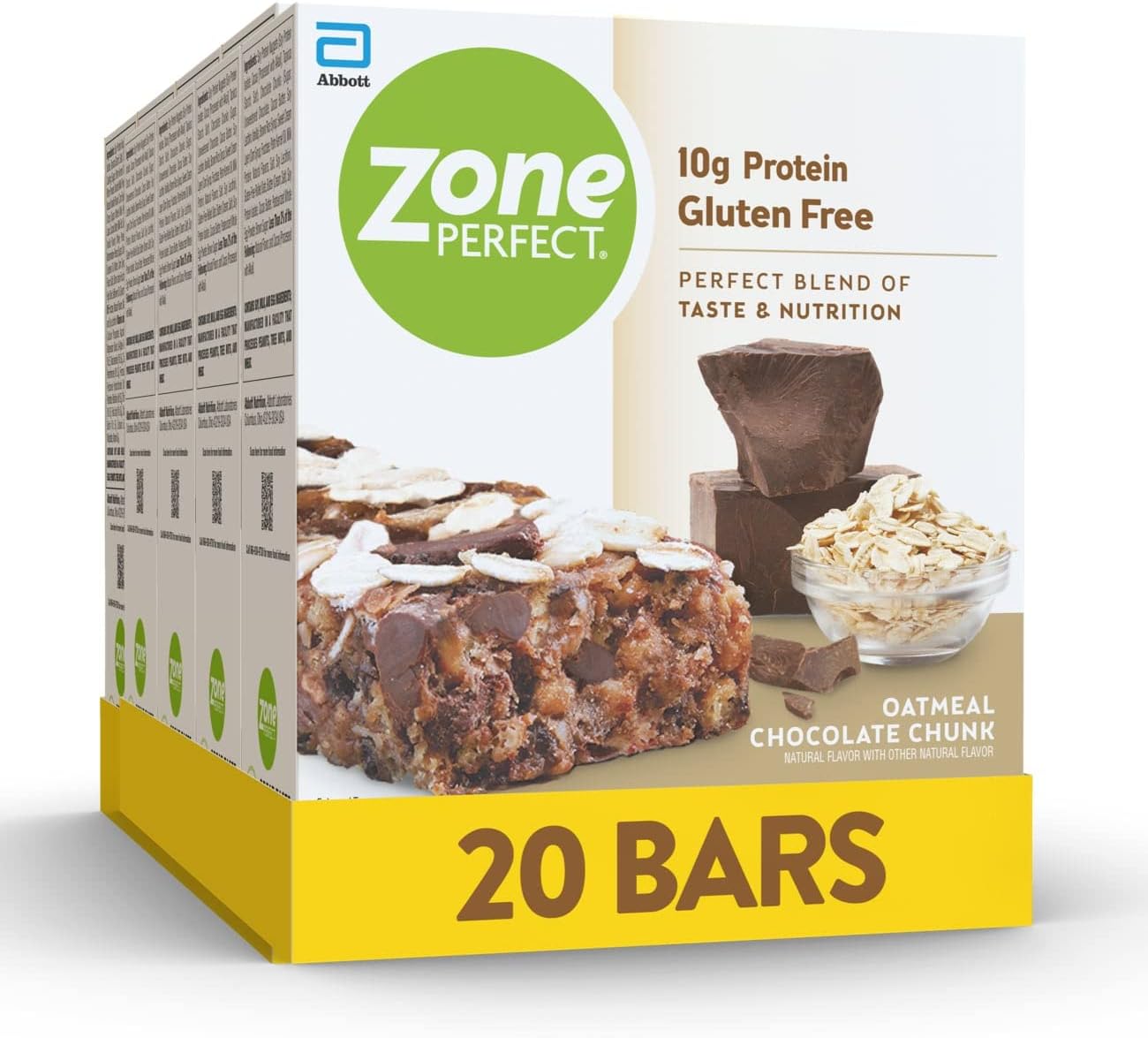
Abbott Nutrition
ZonePerfect Protein Bars, 10g Protein, Gluten-Free, Nutritious Snack Bar, Oatmeal Chocolate Chunk, 20 Bars
See current price


Popular brands in Nutrition Bars & Drinks
Nutrition bars and drinks can make it easier to keep a convenient option on hand for busy schedules, exercise sessions, travel, or between-meal hunger. The right choice depends on what you want from the product—not just its flavor or packaging.
Use this category to compare specifications and features across bars, shakes, and other nutrition-focused drinks. Check the product label for serving information, ingredients, allergens, and storage guidance before making a choice.
How to choose nutrition bars and drinks
Start with the role the product will play in your routine. A bar or drink intended as a quick snack may have different nutritional characteristics from one selected for post-workout use or as part of a structured eating plan.
Consider these questions:
- What is your goal? Look for products aligned with everyday snacking, protein intake, workout fueling, energy support, or weight-management plans.
- Which format is most practical? Bars are portable and usually easy to store, while ready-to-drink products can be easier to consume when you do not want to prepare food.
- What ingredients fit your diet? Review the full ingredient list for sweeteners, dairy, soy, nuts, grains, and other ingredients you avoid.
- How filling should it be? Compare protein, fiber, fat, carbohydrates, and serving size rather than focusing on a single front-label claim.
Related catalog categories can help refine your search: browse Sports Nutrition for exercise-focused products, Weight Loss for products associated with weight-management routines, or Endurance & Energy for options suited to longer periods of activity.
Types of nutrition bars and drinks
Nutrition and snack bars
Bars are useful when portability matters. Compare texture, serving size, protein and fiber content, sweeteners, and potential allergens. Some are designed more like snacks, while others may be positioned around protein or meal support, so the nutrition facts panel is more useful than the product name alone.
Protein bars and drinks
Protein-focused products vary in their protein source, amount per serving, carbohydrate content, and added ingredients. Dairy-based, plant-based, and blended formulas may suit different dietary preferences. Check whether the product requires refrigeration, mixing, or any preparation before use.
Energy and workout-oriented options
Products intended for activity may emphasize carbohydrates, electrolytes, caffeine, or other functional ingredients. Compare the label with your planned activity and personal tolerance. Caffeine and other stimulants may not be appropriate for everyone, and serving guidance should be followed.
Meal-support and weight-management products
Some bars and drinks are marketed for meal replacement or weight-management routines. Compare calories, protein, fiber, vitamins, minerals, and serving instructions, and consider how the product fits with the rest of your meals. These products should not automatically be treated as a complete substitute for varied food.
Key specifications and features to compare
Product labels can help you make a more informed comparison. Pay attention to:
- Nutrition facts: Compare protein, carbohydrates, fiber, sugars, fat, sodium, and serving size.
- Ingredient sources: Identify the main protein source, sweeteners, oils, grains, and added nutrients.
- Dietary suitability: Look for information relevant to vegetarian, vegan, gluten-free, dairy-free, or other dietary needs, then verify the full label.
- Allergen statements: Check for common allergens and possible cross-contact warnings if allergies are a concern.
- Format and storage: Note whether a drink is ready to use, requires mixing, or needs refrigeration after opening.
- Flavor and texture: Bars may range from chewy to crisp, while drinks can differ in thickness, sweetness, and mixability.
Brands represented in the catalog
The catalog includes products from Clif Bar, Quest Nutrition, Detour, Atkins, Zone Perfect, MET-Rx, Power Crunch, Premier Protein, MuscleTech, Optimum Nutrition, General Mills, and ONE Brands. These brands cover a range of bar and drink formats, ingredient profiles, and intended uses. Compare individual product specifications rather than assuming that every item from a brand has the same nutritional profile.
Practical tips for choosing and using them
Keep portability and storage in mind if the product will stay in a bag, car, desk, or gym locker. Heat can affect some bars and drinks, so follow the package instructions. For powdered products, use the recommended liquid and preparation method, and pay attention to whether the container must be refrigerated after opening.
If you are managing an allergy, medical condition, pregnancy-related dietary needs, or a restricted diet, review the label carefully and ask a qualified healthcare professional about ingredients or supplements that may not be suitable. Nutrition bars and drinks work best when selected for a specific purpose and used as part of an overall eating pattern.
Frequently asked questions
Are nutrition bars the same as protein bars?
Not necessarily. Nutrition bars can serve as general snacks or meal-support products, while protein bars are formulated with a stronger emphasis on protein. Check the nutrition facts and ingredient list to confirm the product’s characteristics.
What should I compare in a nutrition drink?
Compare serving size, protein, carbohydrates, sugars, fat, sodium, ingredients, allergens, and preparation or storage requirements. If the product contains caffeine or other active ingredients, check those details as well.
Are nutrition bars suitable for replacing meals?
Some products are marketed for meal replacement, but not every bar provides the same nutrients or portion size as a meal. Follow the package directions and consider the product in the context of your overall diet.
How can I choose a product for exercise?
Consider the activity’s duration and intensity, then compare carbohydrate, protein, electrolyte, caffeine, and serving information. Choose a format that is practical to consume before, during, or after the activity.
How do I check whether a bar or drink fits my diet?
Read the complete ingredient list, nutrition facts panel, allergen statement, and any applicable dietary labeling. Formulas can differ across products, even within the same brand.