

Pacifiers, Teethers & Teething Relief
Compare pacifiers, teethers and teething relief products by shape, materials, size, care requirements and intended use. Review specifications to narrow options for your baby’s routine.
1,404 products in catalog
1,404 results
Filters


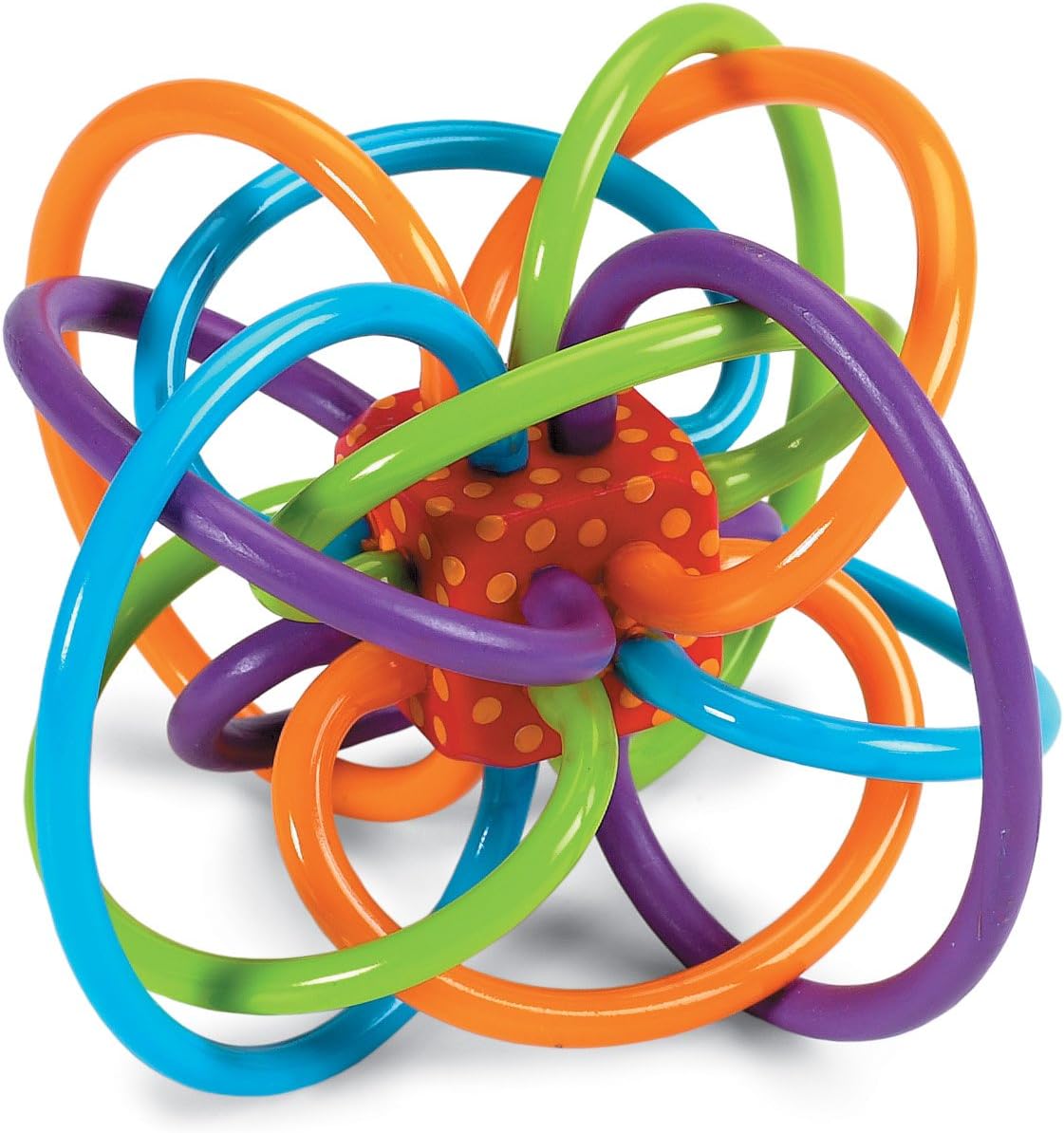
Manhattan Toy
Manhattan Toy Winkel Rattle & Sensory Teether Toy, Blue/Green/Orange, 5 Inch x 4 Inch x 3.5 Inch
See current price


Tommee Tippee
Tommee Tippee Ultra-Light Silicone Pacifier, Symmetrical One-Piece Design, BPA-Free Silicone Binkies, 0-6m, 4-Count
See current price

Bright Starts
Bright Starts Oball Grasp & Teethe Easy Grasp BPA-Free Infant Teether Toy, Multi-Color, Age 3 Months and up
See current price


Munchkin
Munchkin® Arm & Hammer Pacifier Wipes - Safely Cleans Baby and Toddler Essentials, 2 Pack, 72 Wipes
See current price

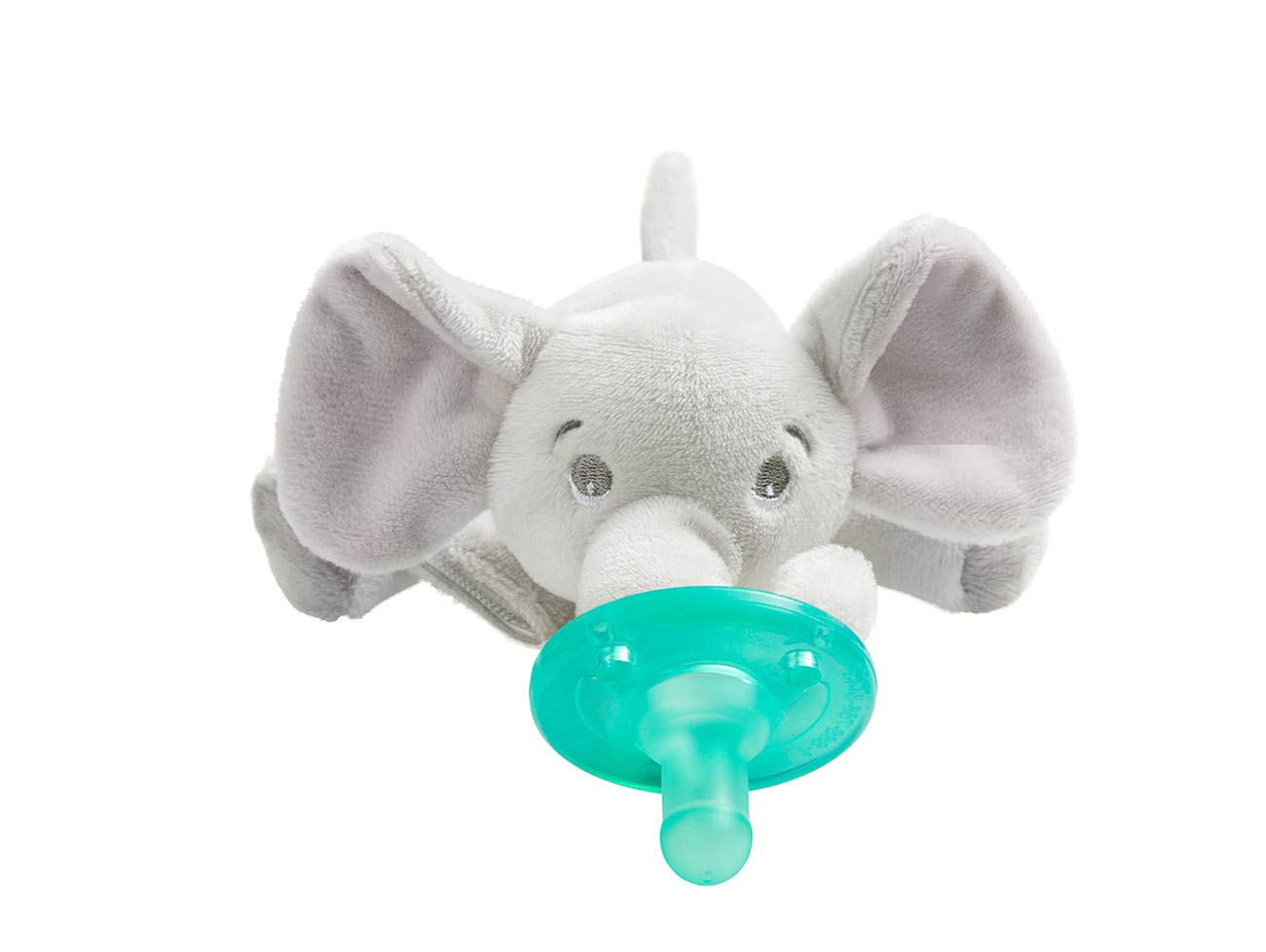
Philips AVENT
Philips AVENT Soothie Snuggle Pacifier Holder with Detachable Pacifier, 0m+, Elephant, SCF347/03
See current price


Popular brands in Pacifiers, Teethers & Teething Relief
Choosing items for soothing and teething is easier when you separate the product’s purpose from its design. Pacifiers are intended for sucking comfort, while teethers give babies something suitable to mouth and chew. Teething relief products can include chilled, textured or soothing designs, so specifications and care instructions are important to compare.
This K-Catalog category is part of Baby Care, with products from brands including Bibs, MAM, WubbaNub, Nuby, NUK, Tommee Tippee, Itzy Ritzy, Philips AVENT, KIDS PREFERRED, Mary Meyer, Manhattan Toy and Dr. Brown's.
How to choose
Start with the situation the product needs to address:
- For soothing: Compare pacifier shape, shield design, nipple material and the age guidance provided by the manufacturer.
- For chewing: Look for a teether with textures or surfaces that are easy for small hands to hold and mouths to reach.
- For teething comfort: Consider whether the item is designed for refrigeration, has multiple textures, or includes a soft and easy-to-grip construction.
- For everyday use: Prioritize simple cleaning, durable materials and a design that fits naturally into your child’s routine.
Age guidance should be treated as a starting point rather than an afterthought. Babies develop at different rates, and caregivers should check the product instructions for suitability, supervision and cleaning requirements.
Pacifiers, teethers and teething relief options
Pacifiers vary in nipple shape, shield style and overall construction. Some are designed with ventilation around the mouth, while others emphasize lightweight construction or a particular grip and style. Compare the stated material, recommended age range and cleaning method before choosing.
Teethers may be made with soft, flexible, firm or mixed-texture surfaces. Ring shapes can be easier to grasp, while multi-texture designs offer different areas for chewing. Some options include attached plush characters or other features; these should be assessed for cleanability and secure construction.
Teething relief products can include chilled teethers and designs intended to massage the gums. If refrigeration is part of the instructions, follow the manufacturer’s guidance rather than freezing an item unless the packaging specifically says it is suitable. Products should be used as directed and inspected regularly for wear.
Features and specifications to compare
Product pages can differ considerably in the details they provide. Pay attention to:
- Materials: Check whether the pacifier or teether uses silicone, rubber, plastic, fabric or a combination of materials, and review any care directions.
- Shape and grip: A handle, ring or contoured body may affect how easily a baby can hold the item.
- Mouth-contact design: Examine the nipple shape, chewing surfaces, ventilation openings and shield size where those details are listed.
- Cleaning: Look for dishwasher compatibility, sterilization guidance and whether the product has parts that need separate cleaning.
- Portability: Cases, clips or compact designs can be useful away from home, but accessories should be used only as instructed.
- Quantity and design variety: Sets may offer replacement options or different textures, while single items can be useful when testing which style suits your baby.
Avoid choosing based on appearance alone. A visually appealing item still needs to be practical to clean, comfortable for the intended use and appropriate for the child’s age.
Brands represented in the catalog
The catalog includes a broad selection from Bibs, MAM, WubbaNub, Nuby, NUK, Tommee Tippee, Itzy Ritzy, Philips AVENT, KIDS PREFERRED, Mary Meyer, Manhattan Toy and Dr. Brown's. Comparing products across these brands can help shoppers see differences in materials, shapes, included accessories, cleaning instructions and intended age ranges. Brand presence here is for catalog organization and comparison, not an endorsement.
Care and safety tips
Inspect pacifiers and teethers before each use. Replace any item showing cracks, tears, loosened parts, deep scratches or other signs of damage. Keep products clean according to the manufacturer’s instructions, and avoid using harsh cleaning methods that are not approved for the material.
Never attach a pacifier with an improvised cord, ribbon or string. Use clips and accessories only as directed, and do not modify the product. Supervise use when required by the instructions, especially with teethers that contain multiple components, fabric elements or small attached features. For questions about teething symptoms or a child’s comfort, consult a pediatric healthcare professional.
For adjacent baby-care needs, shoppers can also browse Grooming, Hair Care, Bathing and Health.
Frequently asked questions
What is the difference between a pacifier and a teether?
A pacifier is designed primarily for sucking comfort. A teether is designed to give a baby a surface or texture to hold and chew.
How do I choose the right pacifier?
Compare the manufacturer’s age guidance, nipple shape, shield design, materials and cleaning instructions. The most suitable style can vary from one baby to another.
Can teethers be placed in the refrigerator?
Only if the product instructions say refrigeration is appropriate. Follow the stated storage and temperature guidance, and do not freeze an item unless the manufacturer specifically permits it.
How often should pacifiers and teethers be replaced?
Replace them when they show damage, wear or changes in shape. Also follow any replacement guidance supplied with the product.
Are decorative pacifiers or plush teethers safe for every baby?
Not necessarily. Check age guidance, construction and attached parts, and supervise use as directed. Inspect the item regularly for loose or damaged components.