
Amazon Basics
Amazon Basics 46,000 BTU Outdoor Propane Patio Heater with Wheels, Commercial & Residential, Slate Gray
See current price

Compare patio heaters by heating method, placement, controls, safety features, and weather suitability to find a practical fit for your deck, patio, balcony, or outdoor dining area.
145 products in catalog
145 results
Amazon Basics
See current price


Dr Infrared Heater
See current price


Mr. Heater
See current price
Mr. Heater
See current price


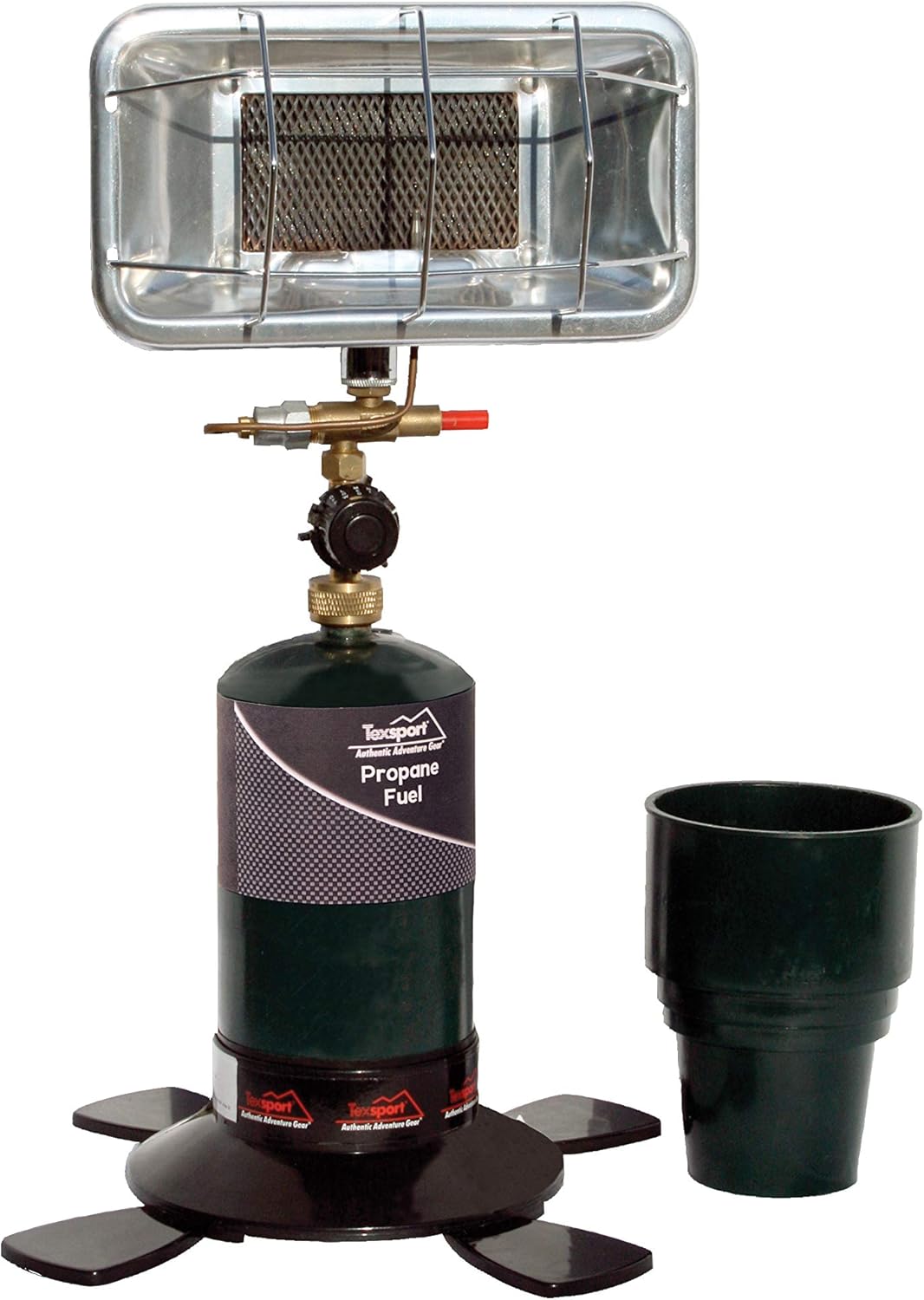
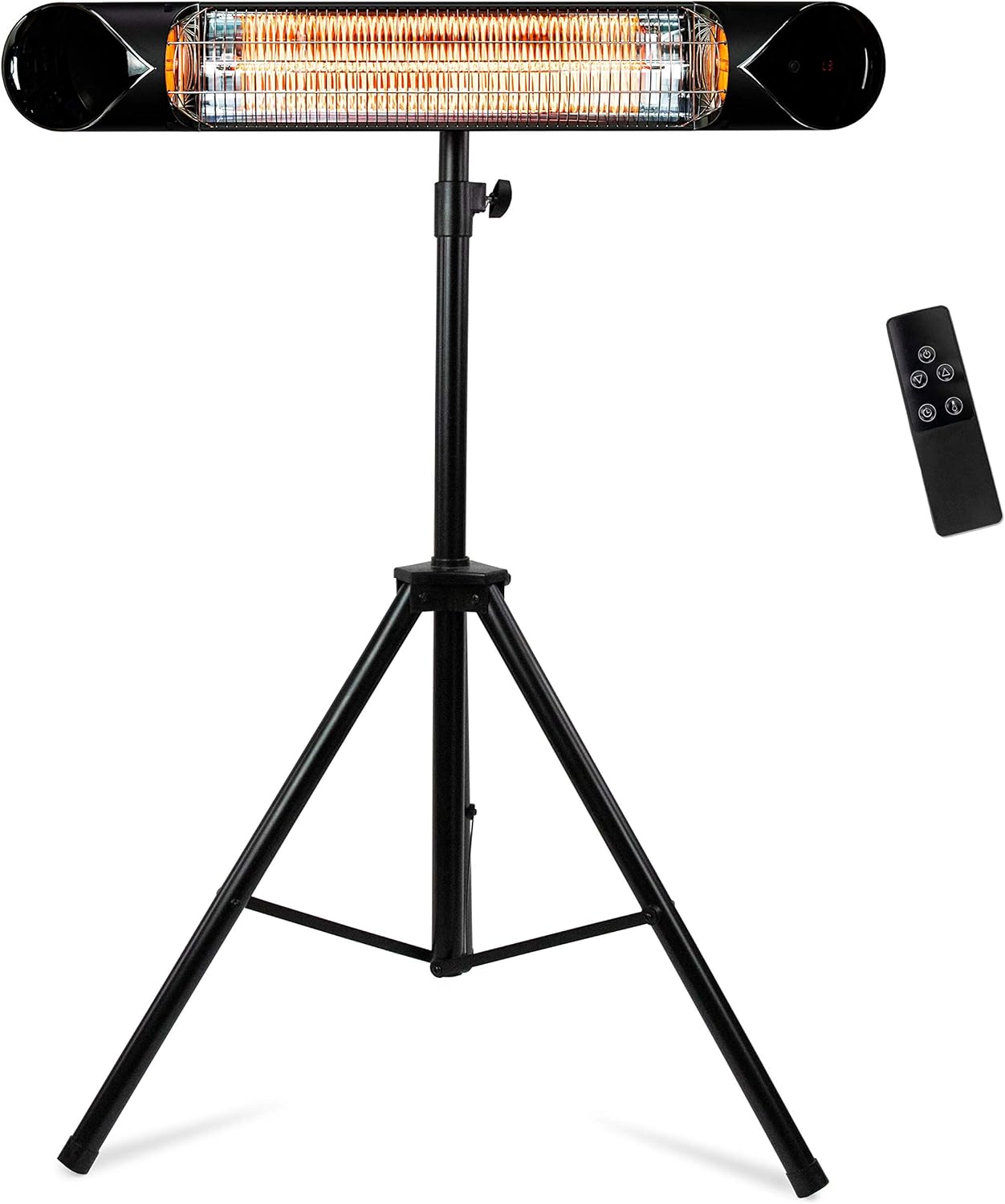


Mr. Heater
See current price


Patio heaters can make outdoor areas more comfortable when temperatures drop, whether you are warming a seating area, extending time around an outdoor table, or creating a more usable commercial-style entertaining space. The right choice depends on where the heater will go, how much space needs warmth, and whether you prefer fuel-powered or electric operation.
Use this catalog to compare specifications and features across patio heater designs. Pay close attention to installation requirements, controls, stability, and the conditions in which each product is intended to operate.
Start with the layout of your outdoor space. A freestanding heater can be positioned near chairs or tables and moved when needed, while a tabletop model is suited to a smaller gathering area. Wall-mounted and ceiling-mounted designs can save floor space, but they require a suitable mounting surface and careful attention to installation instructions.
Also consider how often the heater will be used. A fuel-powered model may suit patios without convenient electrical access, while an electric heater can be a practical option where a suitable outlet is available. For covered patios, verify that the heater is approved for that type of location and follow clearance requirements.
Propane heaters are often chosen for portable outdoor heating and areas without an extension cord or nearby outlet. Compare the fuel-container requirements, ignition method, heat settings, runtime information, and access to the tank compartment. A stable base and wheels can make a freestanding unit easier to position, but the heater should still be placed on a level surface.
Electric models typically require less fuel-related maintenance and can be convenient for covered outdoor areas when installed and operated as directed. Compare the power requirements, cord length, control method, mounting options, and whether the unit is designed for wall, ceiling, or freestanding use.
Tabletop heaters are useful when warmth should remain close to a dining or conversation area. Portable designs offer flexibility, but compact size does not automatically mean they can be used in every setting. Check the product specifications for placement, ventilation, stability, and outdoor-use requirements.
For an alternative source of outdoor warmth and ambiance, browse Fire Pits & Outdoor Fireplaces. These products have different fuel, clearance, and maintenance considerations than patio heaters.
When comparing products, focus on features that affect comfort, operation, and long-term suitability:
The patio heater catalog includes products from Mr. Heater, TRUSTECH, Air Choice, Hiland, UPHA, Sunjoy, DURA HEAT, DONYER POWER, Pamapic, EAST OAK, Buyplus, and MENSI. Comparing specifications within and across these brands can help narrow the selection by fuel type, form factor, controls, construction, and intended placement. Brand availability may vary as the catalog changes, so product-level specifications remain the most useful basis for comparison.
Position a patio heater away from flammable materials, overhanging branches, curtains, and areas where people may bump into it. Keep required clearances around the heating element and never use a fuel-powered heater in an enclosed space unless the product instructions specifically allow that application.
Before operating a propane model, inspect the hose, regulator, connections, and tank compartment for signs of damage. For electric heaters, check the cord, plug, outlet requirements, and protection from moisture. Do not cover or store a hot heater, and allow it to cool fully before moving it. A protective cover can help reduce exposure during storage, but it should be used only as directed by the manufacturer.
If your outdoor setup includes a fire feature, related accessories such as Fire Pit Covers, Fire Glass, and Fire Pit & Outdoor Fireplace Parts are listed separately. For hot-weather comfort, Misting Systems may complement an outdoor seating area without replacing a heater’s function.
Some are, but suitability depends on the heater type, ceiling height, ventilation, and required clearances. Check the product instructions before installation or use under a roof.
Freestanding or portable models are generally the most flexible. Look for wheels, a manageable design, and a stable base, while following safe moving and cooling procedures.
Some may require specific voltage, amperage, or circuit protection. Compare the electrical specifications with the outlet available at the intended location.
Turn it off, disconnect fuel or power as directed, let it cool completely, and store it in a dry, protected location when practical. Follow the manufacturer’s instructions for covering and seasonal storage.
Confirm the heating method, placement, coverage guidance, power or fuel requirements, controls, safety features, weather suitability, and installation needs.