
TANGDIAABBCC
GenericABCDEFG Pinewood Pete Graphite Lube Powder - Great on Pinewood Cars, Locks, Guns and More.
See current price

Compare Pinewood Derby kits, car parts, wheels, axles, and building supplies by their specifications and features. Find options for new builds, upgrades, and race-day preparation.
26 products in catalog
26 results
TANGDIAABBCC
See current price

Pinewood Pro
See current price


Pinewood Pro
See current price


Pinewood Pro
See current price


Maximum Velocity
See current price

e-jades Pinewood Derby Car
See current price

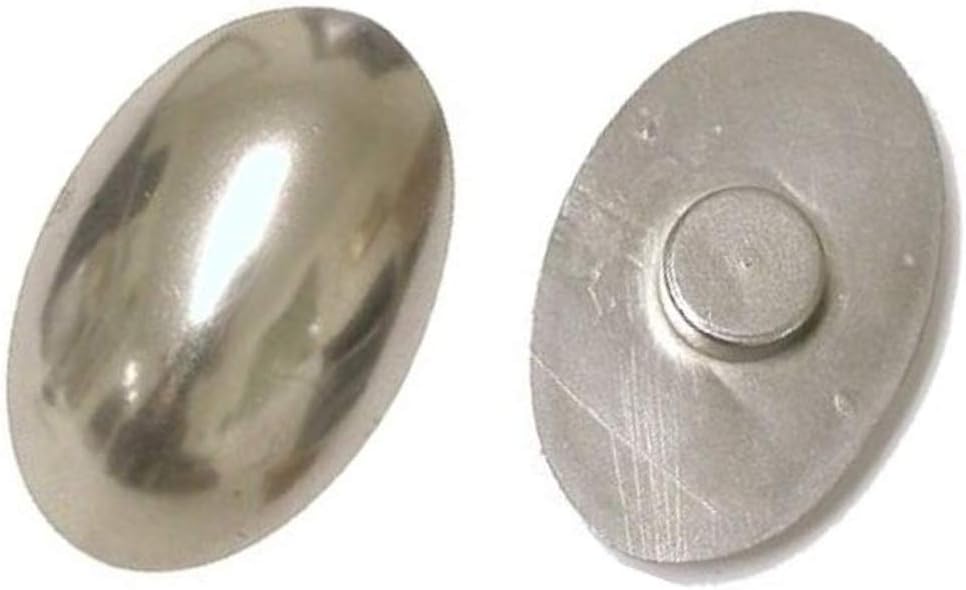


Maximum Velocity
See current price


Woodland Scenics
See current price

Pinewood Pro
See current price

Woodland Scenics
See current price

Pinewood Pro
See current price
Pinewood Derby projects combine model building, design, and hands-on tinkering. Whether the goal is a family craft project or a competition-ready car, the right supplies can make the build easier to plan and customize.
Use this catalog to compare the materials, components, tools, and finishing details that suit the project. Before choosing parts, check the rules for the specific event, since requirements for dimensions, weight, wheels, axles, and modifications can vary.
Start by deciding whether you need a complete starting point or individual components for an existing car. A kit may be convenient for a first build, while separate wheels, axles, tools, or finishing supplies can help experienced builders customize a design.
Consider these questions before selecting products:
For broader hobby projects, browse Model & Hobby Building to compare related supplies and activities.
Pinewood Derby products generally fall into a few practical groups. Car kits and blocks provide the foundation for shaping a car. They may suit builders who want to create a design from the beginning without sourcing every component separately.
Wheels and axles affect fit, alignment, and rolling performance. Replacement or upgrade components may be useful when the original hardware is not suitable for the planned build, but compatibility with the car body and event rules is important.
Tools and finishing supplies support shaping, smoothing, painting, detailing, and final preparation. These can include items for cutting or sanding wood, checking alignment, preparing axles, and applying decorative finishes. Some projects may also need small hardware or accessories for assembly.
If the project extends beyond Pinewood Derby cars, Model Kits offer another way to compare buildable hobby projects. Accessories, Hardware & Tools may also be useful when the work requires general-purpose equipment or replacement components.
The most useful specifications depend on the stage of the project. For a kit or blank car body, compare the material, shape, included components, and how much shaping remains. A design that needs extensive cutting may offer more freedom, while a pre-shaped body can shorten the building process.
For wheels and axles, check the intended vehicle type, fit, finish, and compatibility. Small differences in alignment or axle placement can affect how the car rolls, so parts should match the body and the rules of the event. If a product is intended for a particular racing organization or track format, confirm that it is allowed before ordering.
For tools and supplies, look at the task each item is designed to handle. Sanding products, alignment tools, polishing materials, paints, and adhesives are not interchangeable. Also consider whether the builder needs simple hand tools for a supervised project or more specialized equipment for careful tuning.
Appearance deserves attention as well. Compare paintability, surface preparation requirements, included decals or details, and the intended finish. A smooth, well-prepared surface can make decorative work easier, while a more elaborate design may require additional drying, masking, or touch-up supplies.
The catalog includes Pinewood Pro, Woodland Scenics, Maximum Velocity, Arlington Creations, LLC, Pine Car Derby, COZYMATE, Pinewood Power, e-jades Pinewood Derby Car, TUNDRA, Boy Scouts of America, TANGDIAABBCC, and Gejoy. These brands and listings can be compared by product type, included components, compatibility information, and stated specifications rather than by brand name alone.
Product descriptions should be checked carefully for what is included. A listing may focus on a body, hardware set, wheel or axle components, a tool, or a complete project package, and the appropriate choice depends on what is already available in the workshop.
Plan the design before cutting or drilling. Mark the intended shape, wheel locations, and axle positions, then confirm that the finished design will meet the event’s requirements. Work gradually when removing material, since it is easier to refine a shape than to replace material that has already been cut away.
Allow time for sanding, painting, adhesives, and other finishes to dry fully. Check that wheels turn freely, axles are seated consistently, and the car tracks as intended on a suitable surface. Keep small parts organized during assembly, and follow the safety guidance for saws, drills, adhesives, paints, and other tools.
For related display and collecting projects, see Pre-Built & Diecast Models. Builders interested in other hands-on hobbies can also explore Model Trains & Accessories or Rockets.
Not always. Some listings may provide a complete starting kit, while others focus on a body, wheels, axles, tools, or finishing supplies. Check the included-items section before choosing.
Separate components can make sense for repairs or customization, but they must fit the car body and comply with the event’s rules. Confirm compatibility before ordering.
Review the organizer’s rules for permitted materials, dimensions, weight, wheel and axle specifications, and allowed modifications. Requirements can differ between events.
A kit can provide a convenient starting point, especially when it includes the main body and hardware. Beginners should also consider the tools, supervision, and finishing supplies needed for the planned design.
The tool list depends on the project, but shaping, sanding, alignment, assembly, and finishing commonly require different supplies. Choose tools according to the materials and tasks described in the product listing.