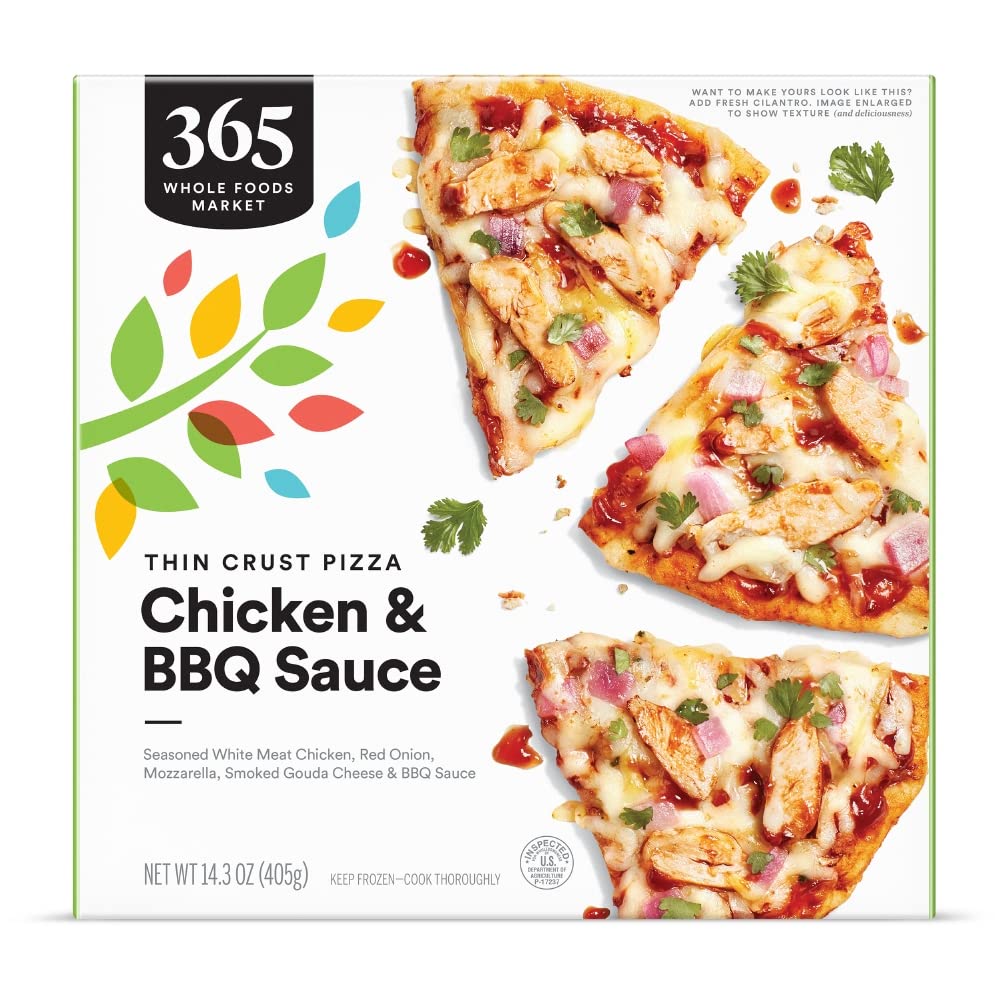
365 By Whole Foods Market
365 by Whole Foods Market, Pizza Thin Crust Barbeque Chicken, 14.3 Ounce
See current price

Compare pizza crusts by format, ingredients, texture, and preparation style. K-Catalog helps you review available options and choose a crust for homemade pizza, flatbreads, or quick meals.
38 products in catalog
38 results
365 By Whole Foods Market
See current price


365 By Whole Foods Market
See current price

365 By Whole Foods Market
See current price


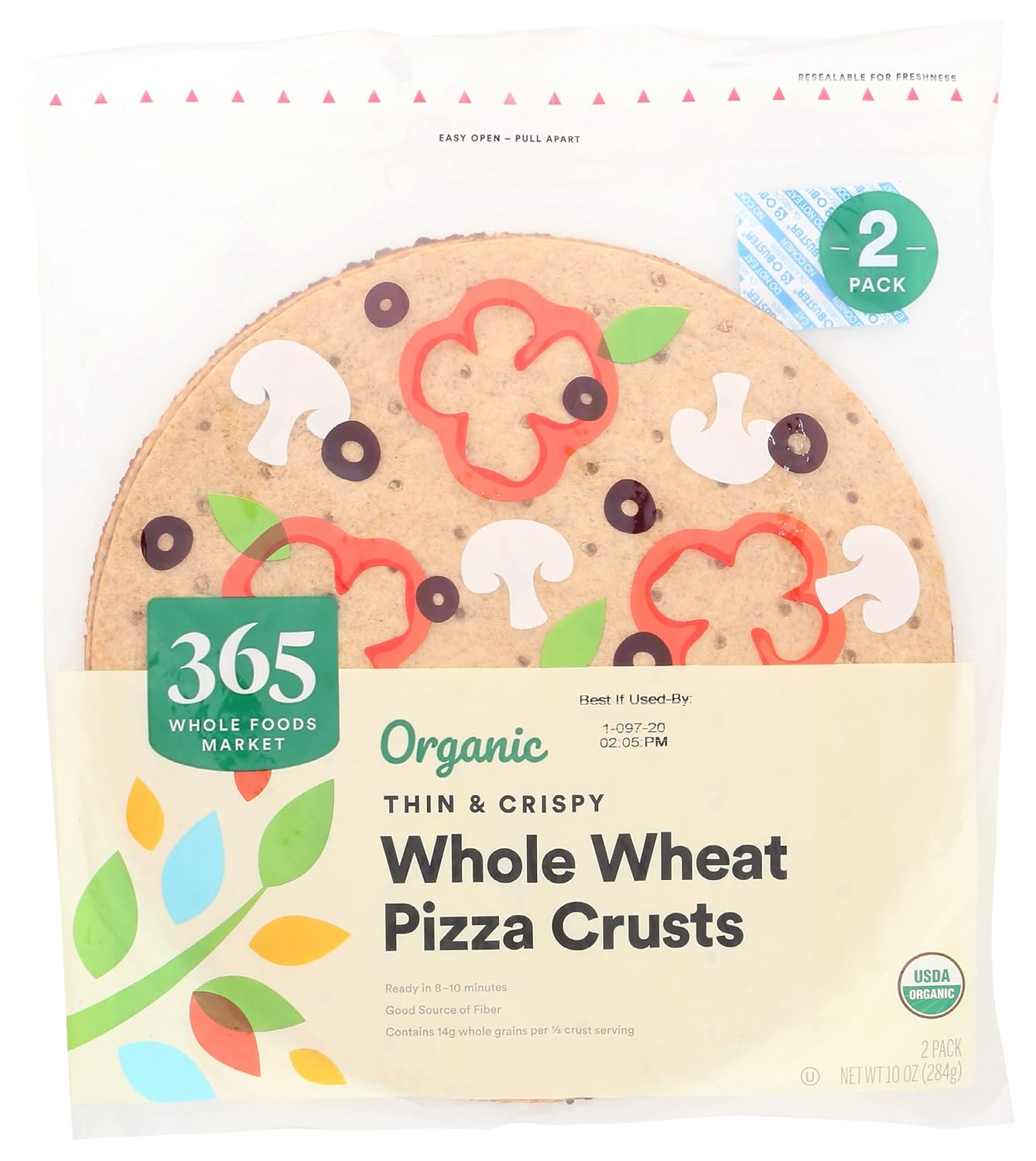
365 By Whole Foods Market
See current price


Amazon.com Services, Inc.
See current price




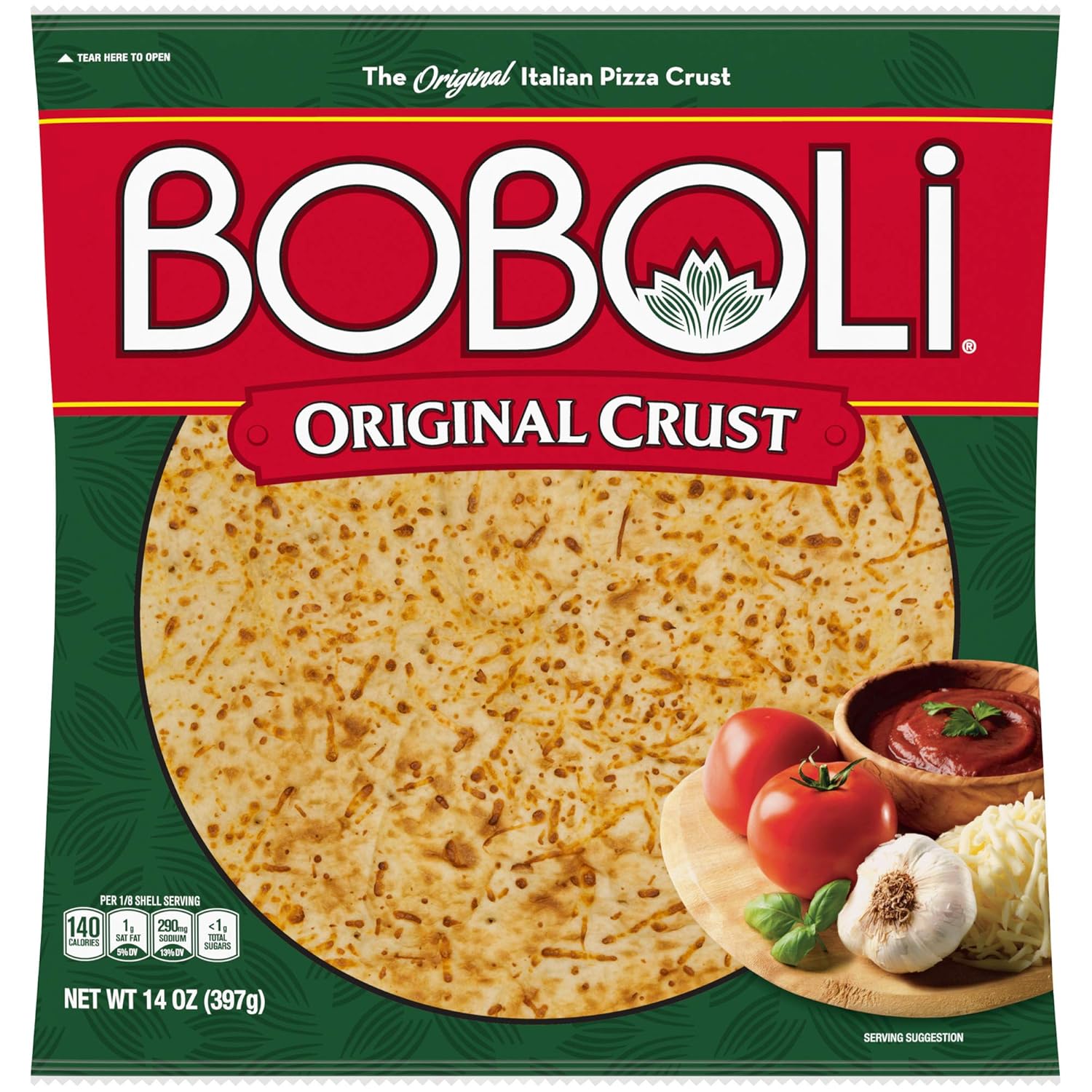


365 By Whole Foods Market
See current price


Pizza crusts provide the base for homemade pizzas without requiring you to prepare dough from scratch. Depending on the product, you may find ready-to-bake dough, prebaked crusts, thin styles, or alternatives made with different ingredients.
Use this catalog to compare package details, serving formats, ingredient information, and preparation instructions before visiting Amazon to check the current price and purchase options.
Start by deciding how much preparation you want to do. A ready-to-bake dough can be shaped and topped at home, while a prebaked crust is designed for faster assembly and cooking. Some shoppers prefer a thinner, crispier base, while others want a softer or more substantial crust.
Consider how you plan to use the crust as well. A large round crust may suit a shared pizza, while smaller individual portions can make toppings and serving easier. Flat, flexible crusts may also work for folded pizzas, wraps, or other casual meals, depending on the package instructions.
Important factors to compare include:
Pizza crusts can differ substantially in structure and preparation. Traditional dough-based products are suitable for shoppers who want to shape the base and control the final thickness. Preformed or prebaked crusts are more convenient when speed and consistency matter.
Thin crusts are often chosen for a lighter, crisper bite and may work well when you want toppings to be the focus. Alternative crusts use ingredients such as vegetables, nut-based components, or other nontraditional bases. These can appeal to shoppers following a particular eating pattern, but the texture and baking method may differ from standard wheat dough.
For broader bakery browsing, explore Breads & Bakery, or compare Refrigerated Doughs when you want dough that is prepared at home rather than a finished crust.
Read the package information carefully before choosing. Baking temperature and time can affect whether the finished crust is soft, crisp, or browned, so the product’s own instructions are more useful than general pizza-baking assumptions.
Also compare the crust’s shape and flexibility. A sturdy base may be better for heavier toppings, while a thinner or more delicate crust may suit a simple cheese or vegetable pizza. If the product is intended to be customized, check whether it is sold plain or seasoned and whether toppings are included.
Storage is another practical consideration. Refrigerated and frozen products may require planning before preparation, while shelf-stable options can be easier to keep available for quick meals. Check package directions for opening, storage after opening, and safe preparation.
The Pizza Crusts catalog includes products from 365 By Whole Foods Market, jiffy, General Mills, ThinSlim Foods, FlatOut, Outer Aisle, Mama Marys, Golden Home, KBosh Food LLC, Scotty's Everyday, OUTER AISLE GOURMET, and Rich Products Corporation.
These brands may offer different formats, ingredient profiles, and preparation methods. Brand familiarity can help narrow a search, but product-level details should guide the final comparison. Review each listing’s ingredients, storage requirements, format, and cooking directions because products from the same brand may serve different purposes.
Match the crust to the amount and type of toppings you plan to use. Moist sauces, fresh vegetables, and generous cheese can require a base that holds its shape, while lighter toppings may work well with a thin crust. Avoid adding more toppings than the product instructions recommend if you want the center to cook evenly.
Use the recommended pan, rack position, and oven settings when provided. For crispness, a preheated oven and a suitable baking surface may help, but preparation should follow the package directions. Let the finished pizza rest briefly before cutting so the toppings and crust are easier to handle.
If you are shopping for someone with food allergies or dietary restrictions, read the complete label and check cross-contact information where available. Product formulas and packaging can change, so confirm the details on the current listing.
Some are ready to top and bake, while others are dough products that require shaping or additional preparation. Check the product instructions for the exact format.
Dough generally needs to be shaped and baked as part of the preparation process. A prebaked crust has already been formed and partially or fully baked, so it is usually intended for topping and reheating.
Look for a product described as thin or crisp and follow its recommended oven temperature, timing, and baking surface. Moisture from toppings can also affect the result.
Some products are made for specific dietary preferences, but claims vary by item. Read the ingredient list, allergen statement, and product description before buying.
Storage depends on the product. Follow the package guidance for shelf-stable, refrigerated, or frozen crusts, including instructions after opening.
Compare the crust style, ingredients, size and shape, preparation requirements, storage method, dietary information, and cooking directions.