
WhiteWave Foods Company
Silk Shelf-Stable Almond Milk Singles, Dark Chocolate, Dairy-Free, Vegan, Non-GMO Project Verified, 8 oz. (Pack of 12)
See current price

Compare plant-based milk by its base ingredient, flavor, texture, nutrition information, and intended use. This category helps shoppers explore options for drinking, cooking, baking, and coffee.
256 products in catalog
256 results
WhiteWave Foods Company
See current price

AmazonUs/HPHPO
See current price

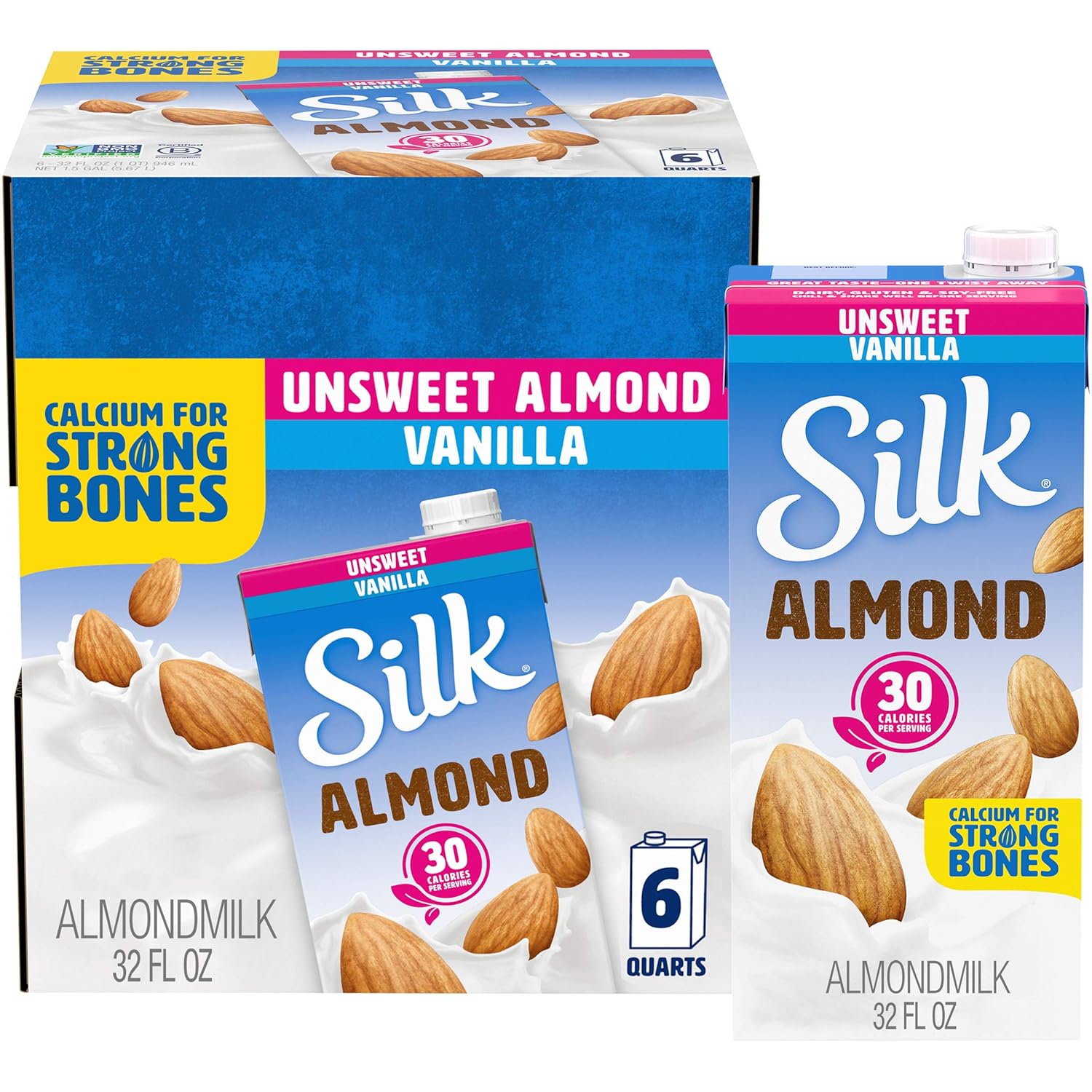

Amazon.com Services LLC.
See current price


Blue Diamond Almonds
See current price
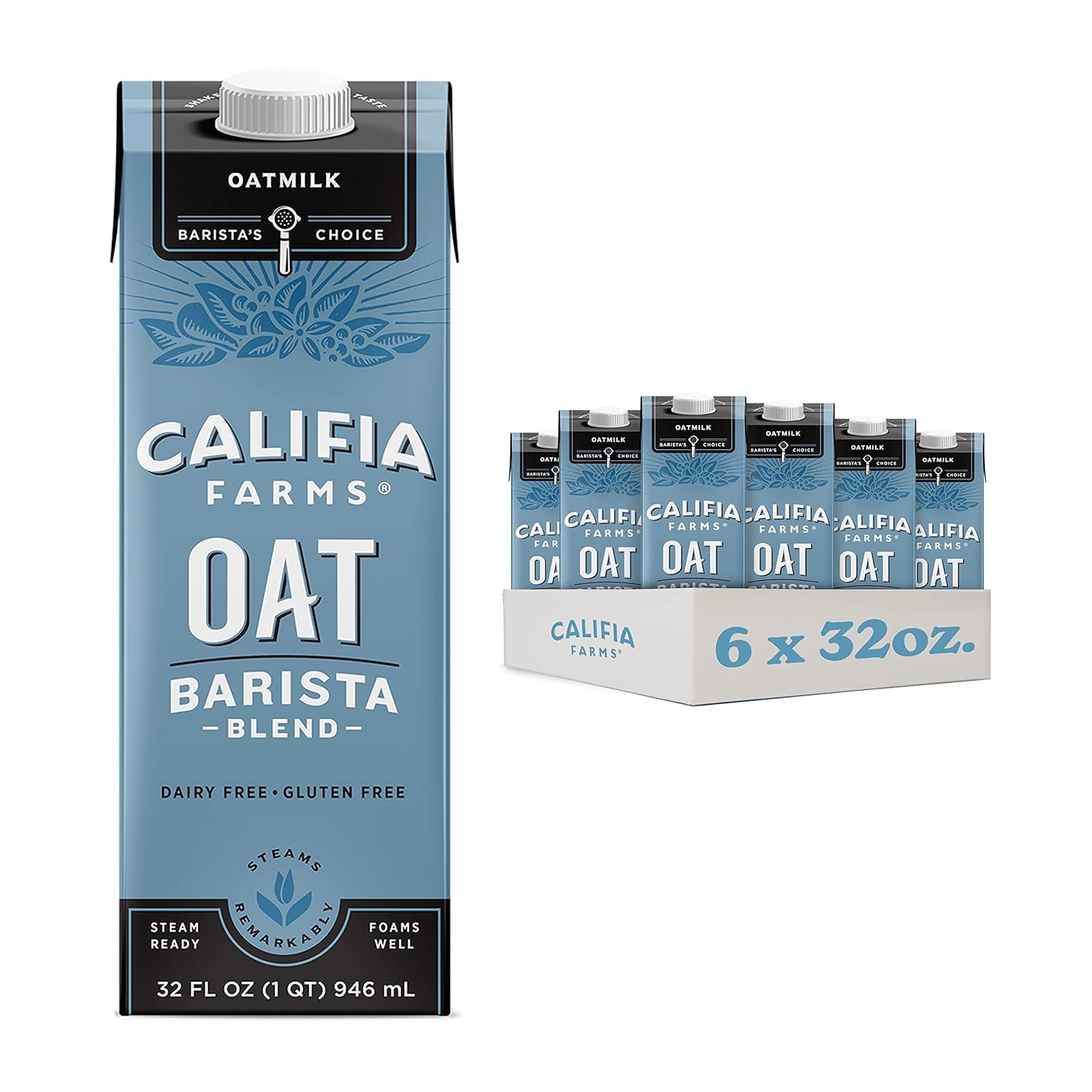


365 By Whole Foods Market
See current price


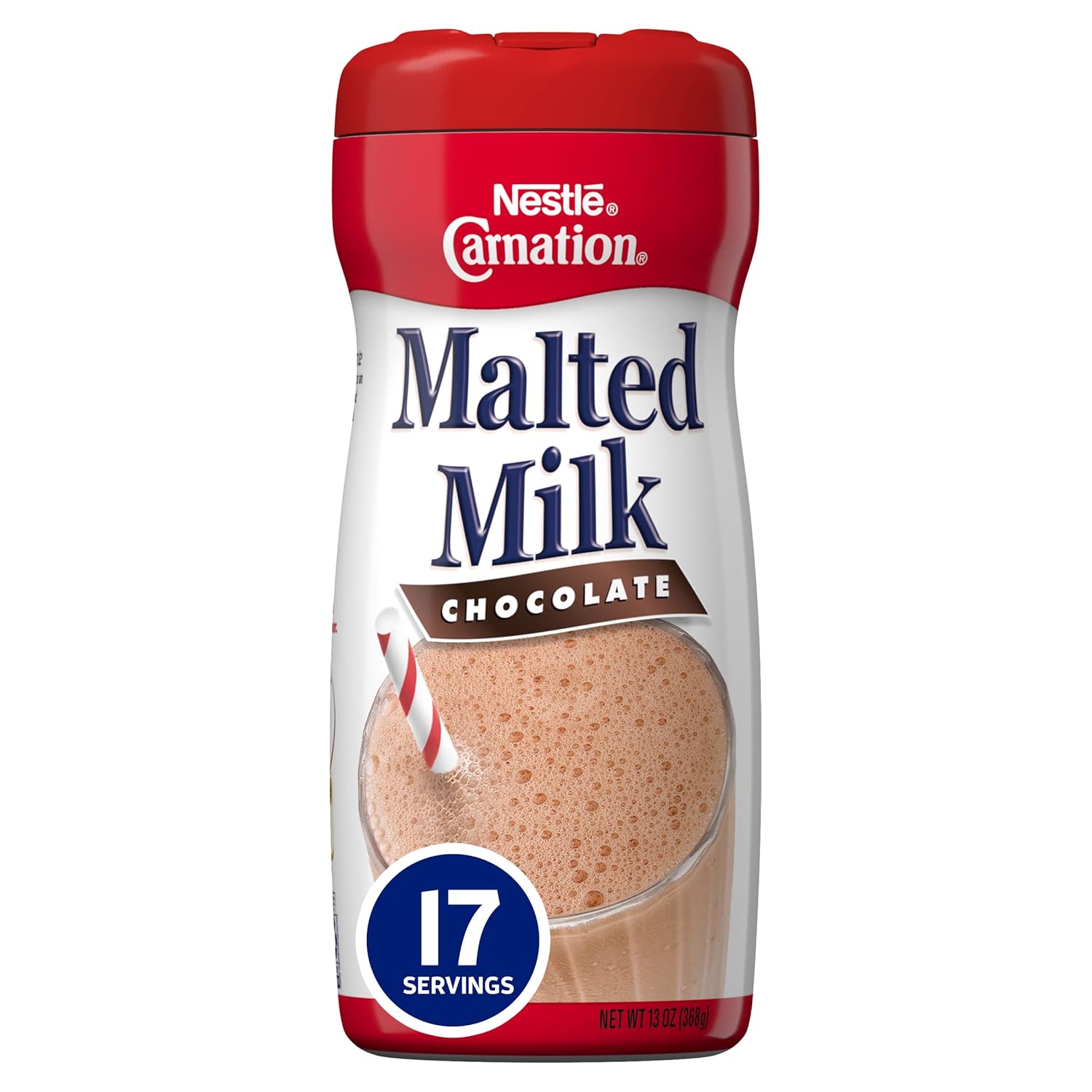


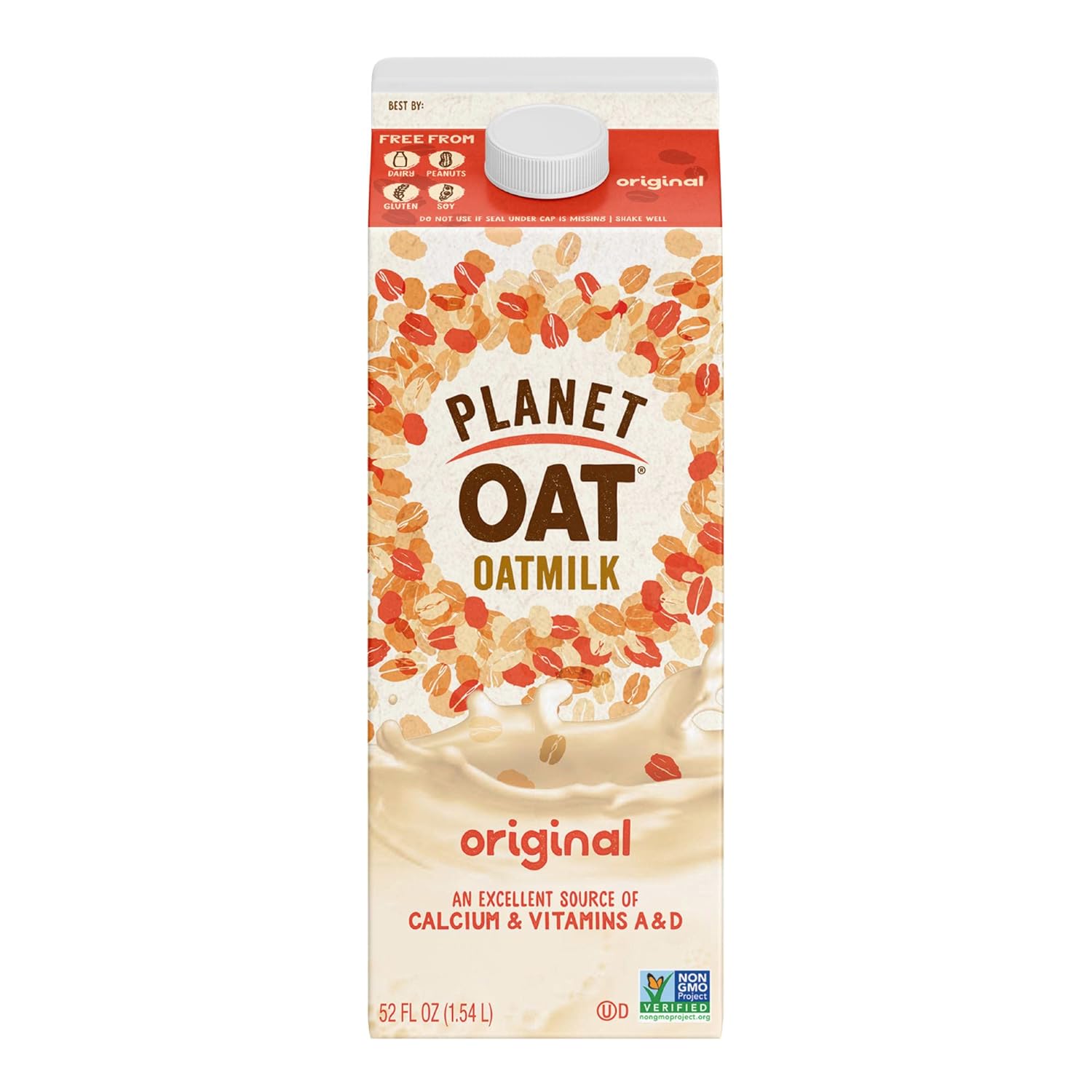

McCormick & Company, Inc.
See current price

365 By Whole Foods Market
See current price


Amazon.com Services LLC.
See current price

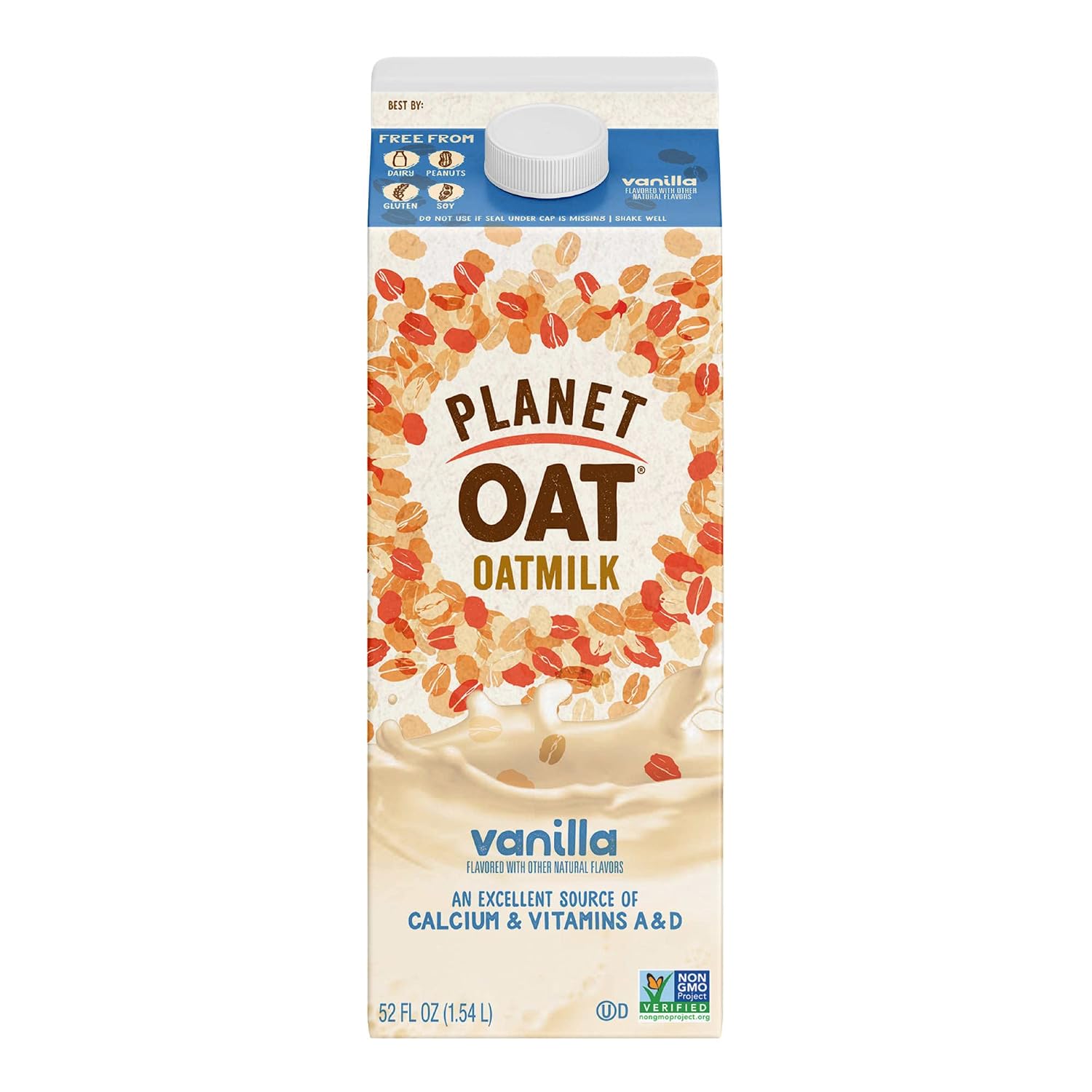
Plant-based milk can be a useful alternative to dairy milk for everyday drinking and recipes. The right choice depends on more than the base ingredient: flavor, thickness, sweetness, fortification, storage, and package format can all affect how well a product fits your routine.
Use this catalog to compare product specifications and features before checking the current price and purchase options on Amazon. For a broader look at related groceries, visit the Dairy, Eggs & Plant-Based Alternatives category.
Start with how you plan to use the product. A beverage for drinking may call for a pleasant flavor and smooth texture, while milk for cereal, smoothies, sauces, or baking may need to perform well when mixed or heated.
Consider these factors:
The base ingredient is one of the most useful ways to narrow the selection. Almond milk is often chosen for its mild nutty character, while oat milk is known for a fuller texture that can work well in coffee and blended drinks. Soy milk can be a practical option for shoppers looking for a plant-based beverage with a more substantial nutritional profile.
Coconut-based products may bring a distinct tropical flavor, and macadamia milk can appeal to shoppers seeking another nut-based option. Pea-based beverages are also available in the wider plant-based milk market. Always check the product details because recipes, flavors, sweeteners, and nutritional values vary between products.
For adjacent options, compare Plant-Based Coffee Creamers when coffee is the main use, or browse Dairy & Plant-Based Yogurt for spoonable alternatives.
Product labels and listing details can help distinguish similar cartons or containers. Look for the following information before choosing:
The catalog includes plant-based milk from brands such as 365 By Whole Foods Market, Califia Farms, Silk, Milkadamia, Pacific Foods, Blue Diamond, SO DELICIOUS, and Chobani. It also includes listings associated with Amazon.com Services LLC., HP HOOD, White Wave Foods, and WhiteWave Foods. Availability and product selection can change, so compare the specifications shown on each individual listing rather than relying on the brand name alone.
Check whether a product is shelf-stable or refrigerated before opening, and follow the package directions for storage after opening. Shake the container if instructed, since ingredients may separate during storage. For cooking or baking, use an unsweetened plain variety when you want to minimize added flavor. For coffee, compare texture and intended use because thinner beverages may behave differently from creamier options.
Plant-based milk is not always a direct substitute in every recipe. Differences in fat, protein, sweetness, and acidity can affect sauces, baked goods, coffee drinks, and foamed beverages. When a recipe is sensitive to these characteristics, match the replacement to the original function as closely as possible.
Plant-based milk is a non-dairy beverage made from ingredients such as nuts, grains, legumes, seeds, or coconut. The base and formulation determine its flavor, texture, and nutrition information.
The best option depends on preferred flavor, thickness, and how the beverage performs when heated or frothed. Compare products marketed or described for coffee use and review the listed ingredients and features.
Choose based on how you will use it. Unsweetened milk is generally more versatile for savory dishes and recipes, while sweetened varieties may suit drinking, cereal, or smoothies.
No. Some products are shelf-stable before opening, while others are sold refrigerated. Check the package instructions and refrigerate products when directed.
Often, but results can vary by recipe and product. Compare sweetness, fat, protein, and texture, and select a plain variety when you do not want additional flavor.