

Pre Cuts for Quilting
Browse precut quilting fabrics and compare dimensions, fabric details, colors, patterns, and bundle contents before choosing materials for your next project.
293 products in catalog
293 results
Filters


GravitationOnline
Upholstery/Craft Jute Webbing (Burlap) 3.5 Inches X 10 Yards-Natural W/Black Stripes
See current price


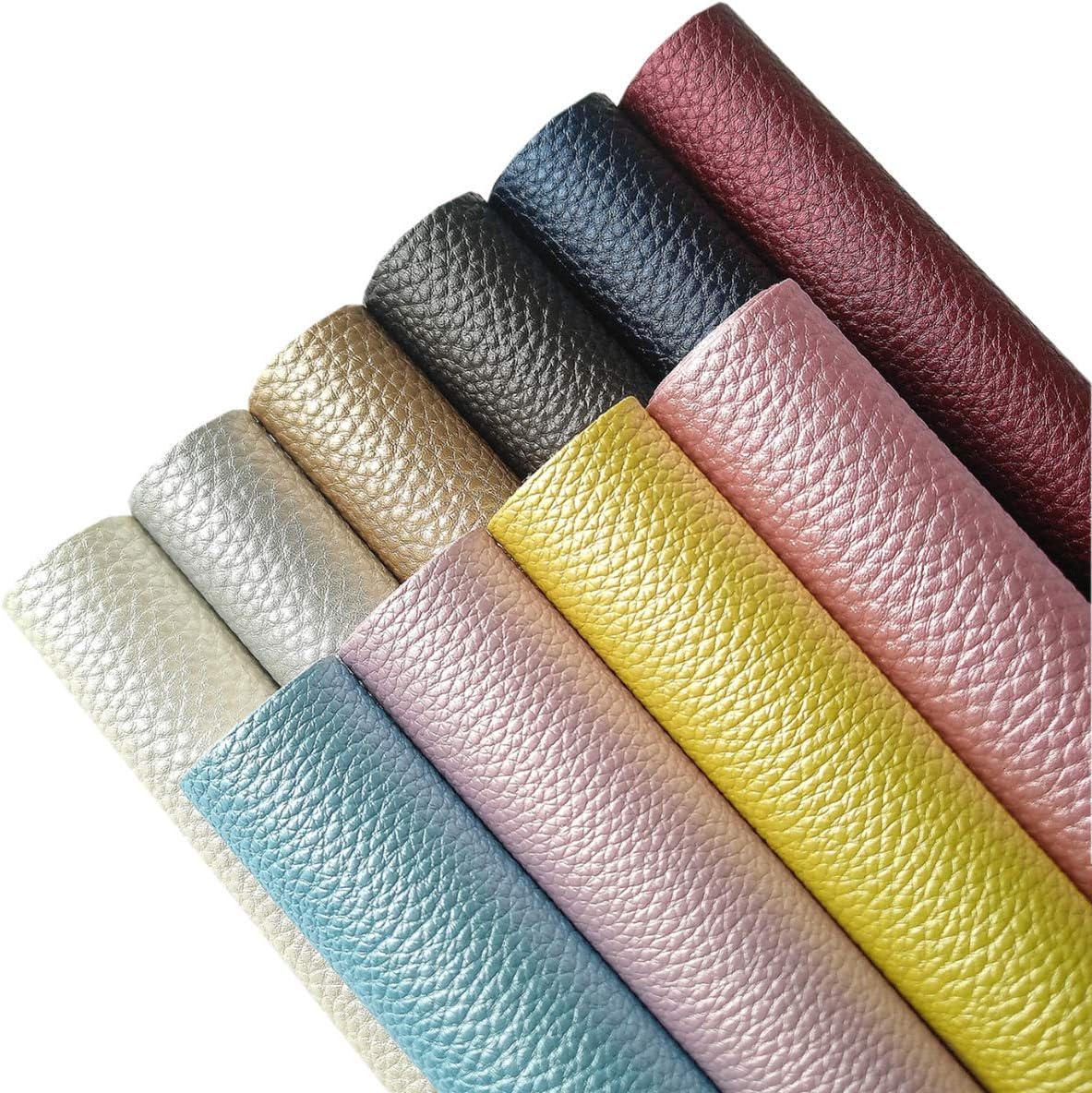
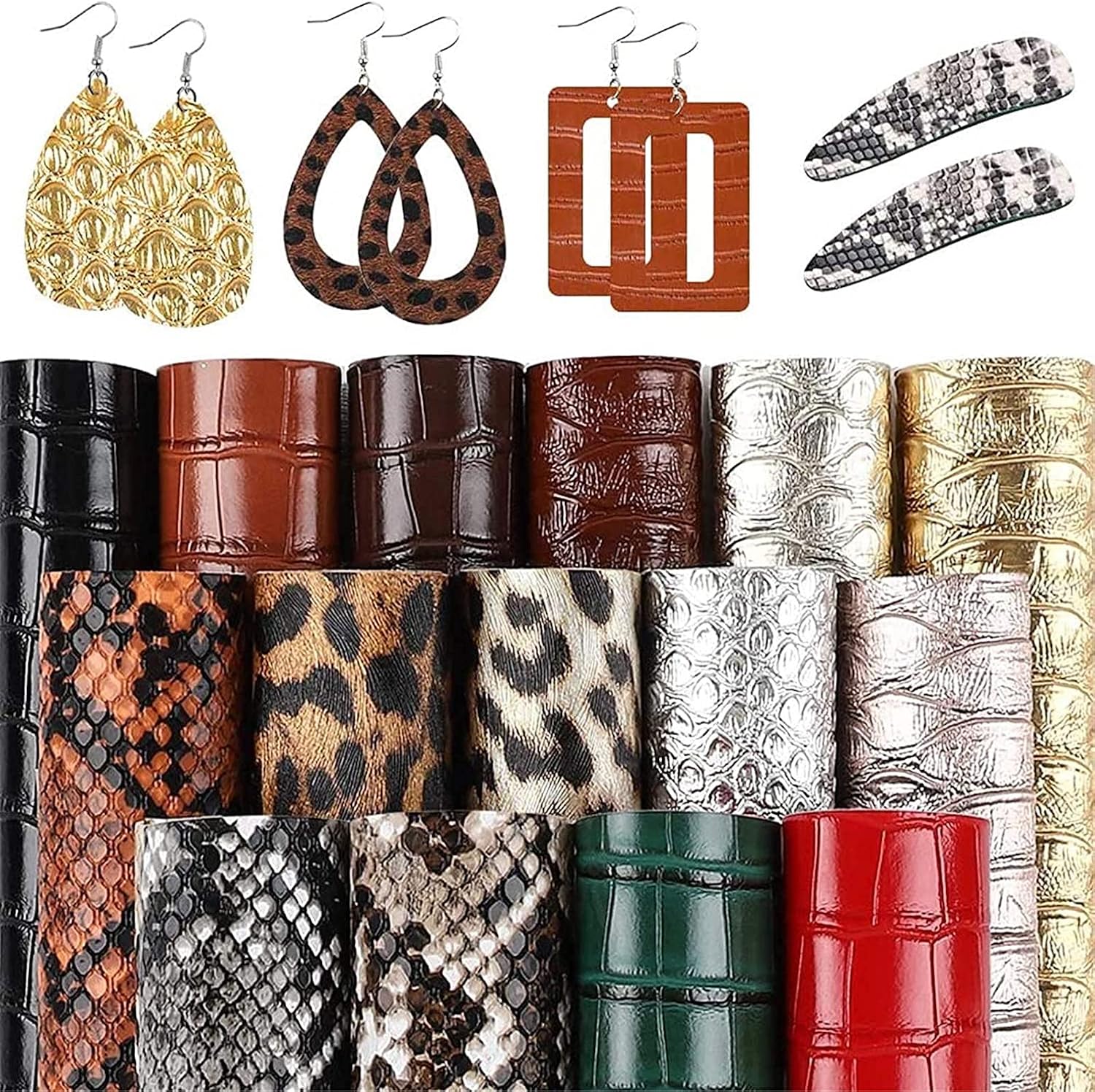

COTTONVILL
COTTONVILL 20COUNT Cotton Solid Quilting Fabric (10inch Square, 29-Pine Green)
See current price


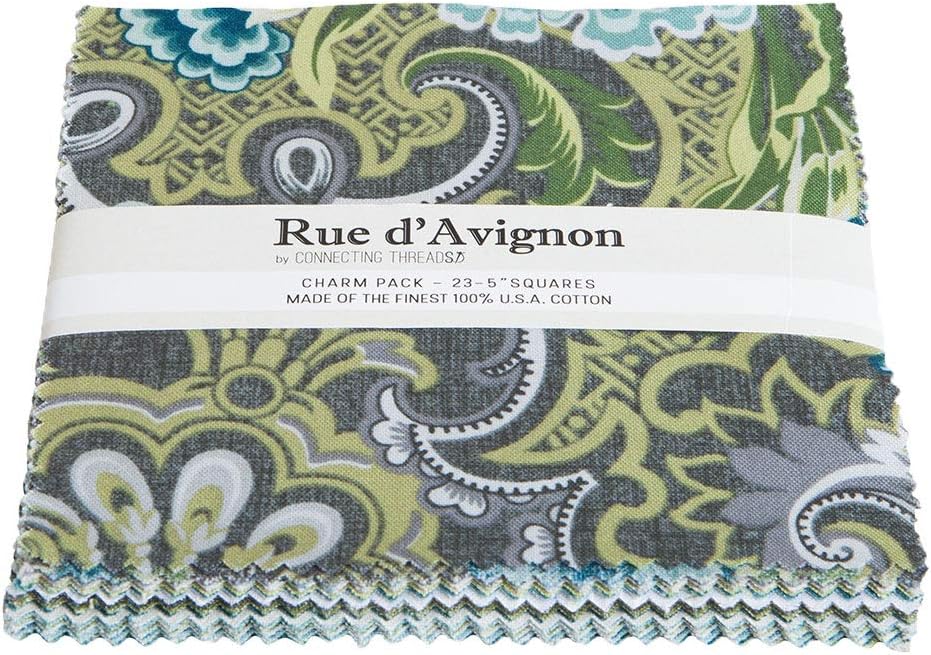
Connecting Threads
Connecting Threads Collection Precut Quilting Fabric Bundles (Rue D'Avignon - Charm Squares)
See current price

Popular brands in Pre Cuts
Pre cuts make quilting fabric easier to plan, measure, and combine. Instead of beginning with a full yardage cut, shoppers can choose coordinated pieces in ready-to-use shapes or sizes for patchwork, appliqué, table runners, small accessories, and other sewing projects.
This K-Catalog page is part of the broader Quilting Fabrics category. Compare each listing’s specifications carefully, since the term “pre cut” can describe several different formats and bundle styles.
How to choose precut quilting fabric
Start with the pattern or project instructions. The required shape and finished size should guide the type of precut you select. A project built around strips may be easier to organize with strip cuts, while a design based on repeated blocks may call for squares or a coordinated assortment.
Consider these factors before choosing:
- Project size: Small cuts suit patchwork accents and compact projects; larger pieces provide more flexibility for cutting or combining patterns.
- Color scheme: Look for bundles organized around complementary colors, a single palette, or a specific visual theme.
- Pattern repeat: Solids, tonal prints, florals, geometrics, and novelty designs create different effects when arranged together.
- Quantity and variety: Check how many pieces are included, whether prints repeat, and whether the assortment is intended to coordinate.
- Skill and convenience: Ready-cut fabric can reduce measuring and cutting work, but precise dimensions still matter for accurate piecing.
Common types of pre cuts
Precut quilting fabric is available in several practical formats. Product titles and bundle descriptions may use different terminology, so confirm the listed dimensions rather than relying on the format name alone.
- Squares: Useful for traditional blocks, simple patchwork, checkerboard layouts, and quick fabric combinations.
- Strips: Suitable for strip piecing, borders, binding, sashing, and designs that use repeated narrow bands.
- Rectangles: Helpful for log cabin variations, brick layouts, tumblers, and projects requiring elongated pieces.
- Triangles and specialty shapes: These can simplify certain quilt patterns, but matching the cut shape to the pattern is especially important.
- Fat-quarter-style pieces and assorted cuts: Larger irregular yardage cuts can offer more design flexibility while still providing manageable pieces for quilting.
- Coordinated bundles: Assortments may combine multiple colors or prints for a unified project, though the balance of light, medium, and dark fabrics should be checked.
Specifications and features to compare
The most important detail is the finished cut dimension. A small difference can affect seam allowances, block proportions, and how many pieces are needed. Check whether measurements are listed before or after any finishing, folding, or packaging process when the description provides that information.
Also compare the following details:
- Fabric material and stated weave or quilting-fabric construction
- Individual piece dimensions and shape
- Number of distinct designs or color variations
- Whether pieces are single-layer, folded, or packaged as a bundle
- Print scale and pattern direction when relevant
- Care instructions and any notes about shrinkage or colorfastness
- Intended use, especially if the fabric is marketed for quilting, crafts, décor, or general sewing
Pre cuts are not automatically interchangeable. Two bundles may appear similar while using different dimensions, fabric weights, or assortments. If a pattern specifies a particular precut format, match the measurements first and treat appearance as a secondary consideration.
Brands represented in the catalog
The catalog includes precut quilting-fabric listings from FabricLA, RayLineDo, David accessories, DEKOTH, Connecting Threads, Janwalker, Tatuo, Boao, David Angie, Robert Kaufman, Life Glow, and AOUXSEEM. Brand names can help narrow a search, but the specifications for the individual listing should determine whether a product fits the project.
Planning, storage, and sewing tips
Before cutting or sewing, lay out the pieces in the intended arrangement. This makes it easier to check color balance, identify directional prints, and spot missing shapes. Keep pieces organized by color, block, or sewing order to reduce mistakes during assembly.
If the project instructions recommend prewashing, follow those instructions before piecing. Otherwise, check the product information and consider how washing may affect fabric dimensions. Store unused cuts flat or folded in a dry place, away from direct sunlight, and keep light and dark fabrics separated when loose fibers or dye transfer could be a concern.
When sewing, use the seam allowance specified by the pattern and press seams consistently. Accurate alignment is particularly important with small squares, triangles, and prints with a visible direction.
Frequently asked questions
Are precut fabrics ready to sew?
They are generally prepared for use in quilting or craft projects, but they may still need sorting, pressing, layout planning, or additional cutting depending on the pattern.
How do I know which precut size I need?
Start with the pattern requirements and compare its required shapes and measurements with the product specifications. Do not choose by bundle name alone.
Can different precut bundles be combined?
Yes, when the dimensions, fabric construction, and color scheme work together. Matching cut sizes and compatible seam allowances is essential.
Are all pieces in a bundle different?
Not necessarily. Some assortments include repeated prints or colors, so review the listing details for information about variety and bundle contents.
Should quilting fabric be washed before use?
Follow the pattern or project instructions and review the product’s care information. Washing can affect fabric size and texture, so use a consistent approach for fabrics that will be sewn together.
Where can I check the current product details?
Open an individual catalog listing to compare its specifications and features, then visit Amazon to check the current product information and availability.