

Pre-Kindergarten Toys for Play and Learning
Explore pre-kindergarten toys for imaginative play, early learning, building, creativity, and active fun. Compare specifications and features to find options suited to a child’s interests and play space.
25,305 products in catalog
25,305 results
Filters

Mattel
Hot Wheels Set of 20 Toy Cars & Trucks in 1:64 Scale, Collectible Vehicles (Styles May Vary)
See current price


Baby Einstein
Baby Einstein Baby's First Music Teacher Developmental Toys Kit and Gift Set, Newborn and up
See current price







Popular brands in Pre-Kindergarten Toys
Pre-kindergarten toys can support open-ended play, creativity, movement, and early skill-building without making play feel like a lesson. The right choice depends on the child’s interests, developmental stage, available space, and how independently they play.
K-Catalog helps shoppers compare product specifications and features across a broad selection of pre-kindergarten toys. Use the details below to narrow the choices before checking individual products.
How to choose pre-kindergarten toys
Start with the kind of play the toy encourages. Some children enjoy pretend scenarios and storytelling, while others prefer construction, puzzles, music, art, or physical activity. Toys that allow more than one way to play can remain engaging as a child’s ideas and abilities develop.
Consider these factors when comparing options:
- Age and developmental fit: Check the manufacturer’s recommended age range and whether the activities match the child’s current abilities.
- Interests: Choose themes, characters, animals, vehicles, tools, or creative activities that reflect what the child already enjoys.
- Independence: Look for toys the child can set up, use, and put away with an appropriate amount of adult help.
- Play format: Decide whether the toy is best for solo play, cooperative play, family interaction, or a combination.
- Available space: Large playsets and active toys need room for setup and movement, while compact kits may suit bedrooms, tables, or travel.
- Storage: Containers, trays, stackable pieces, or built-in storage can make cleanup easier, especially for sets with many small components.
For younger children who are still developing basic coordination and simple pretend-play skills, Toddler Toys may also provide suitable alternatives. Shoppers looking across the broader category can browse Preschool for additional play formats.
Types of pre-kindergarten toys
Because this catalog does not separate pre-kindergarten toys into listed subcategories, compare products by their main play purpose instead.
Pretend play and role play
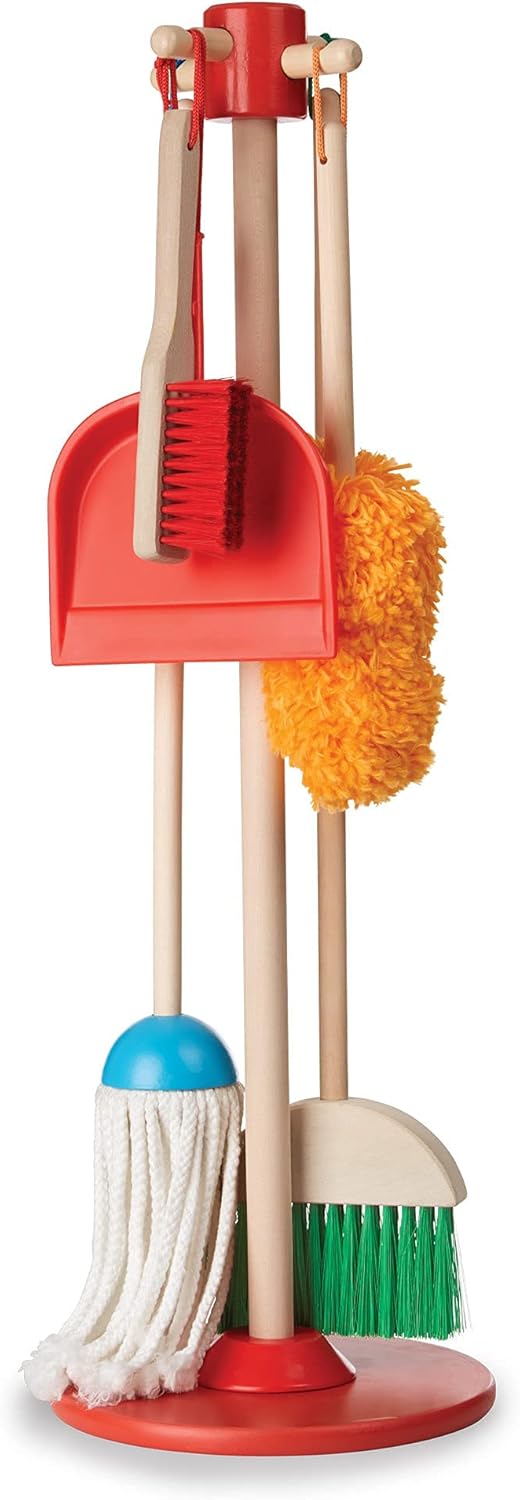
Play kitchens, dress-up accessories, figures, dolls, animal sets, and themed play environments encourage storytelling and social interaction. These toys can help children act out familiar routines, invent characters, and practice sharing roles with siblings or friends. Look for sets with versatile pieces rather than a narrowly defined storyline if open-ended play is a priority.
Building and construction
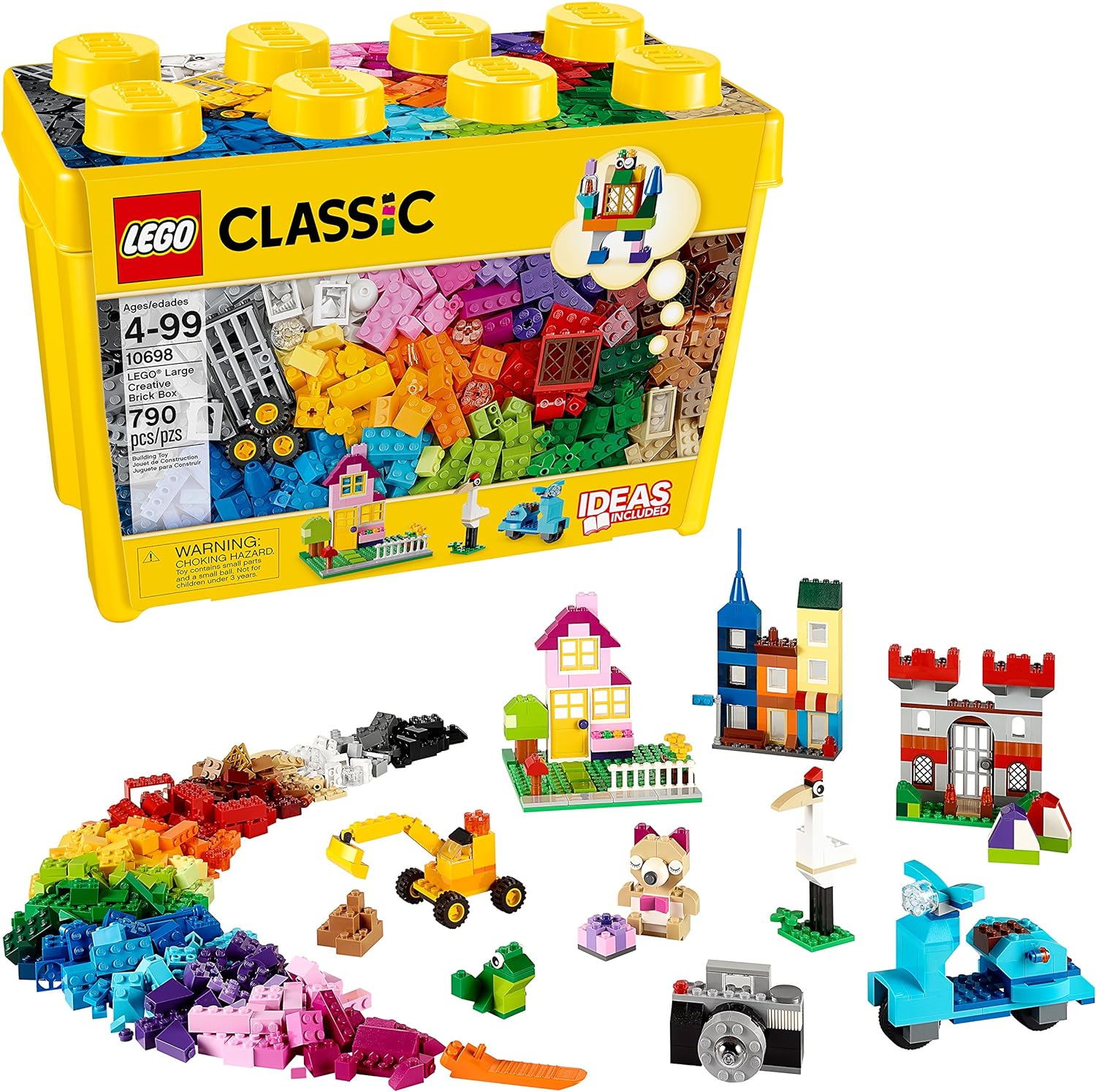
Blocks, bricks, magnetic construction systems, and assembly sets provide opportunities to experiment with balance, patterns, shapes, and simple problem-solving. Compare the size and quantity of pieces, the recommended age range, and whether the set supports free building or follows specific construction ideas. Larger pieces may be easier for some children to handle, while more detailed sets can suit children ready for added challenge.
Learning and skill-building toys
Puzzles, sorting activities, matching games, counting toys, alphabet materials, and early logic games can make practice more interactive. Pay attention to the skill being emphasized and whether the toy offers adjustable difficulty or multiple activities. Clear instructions and durable components are useful when adults plan to play alongside the child.
Art and creative play
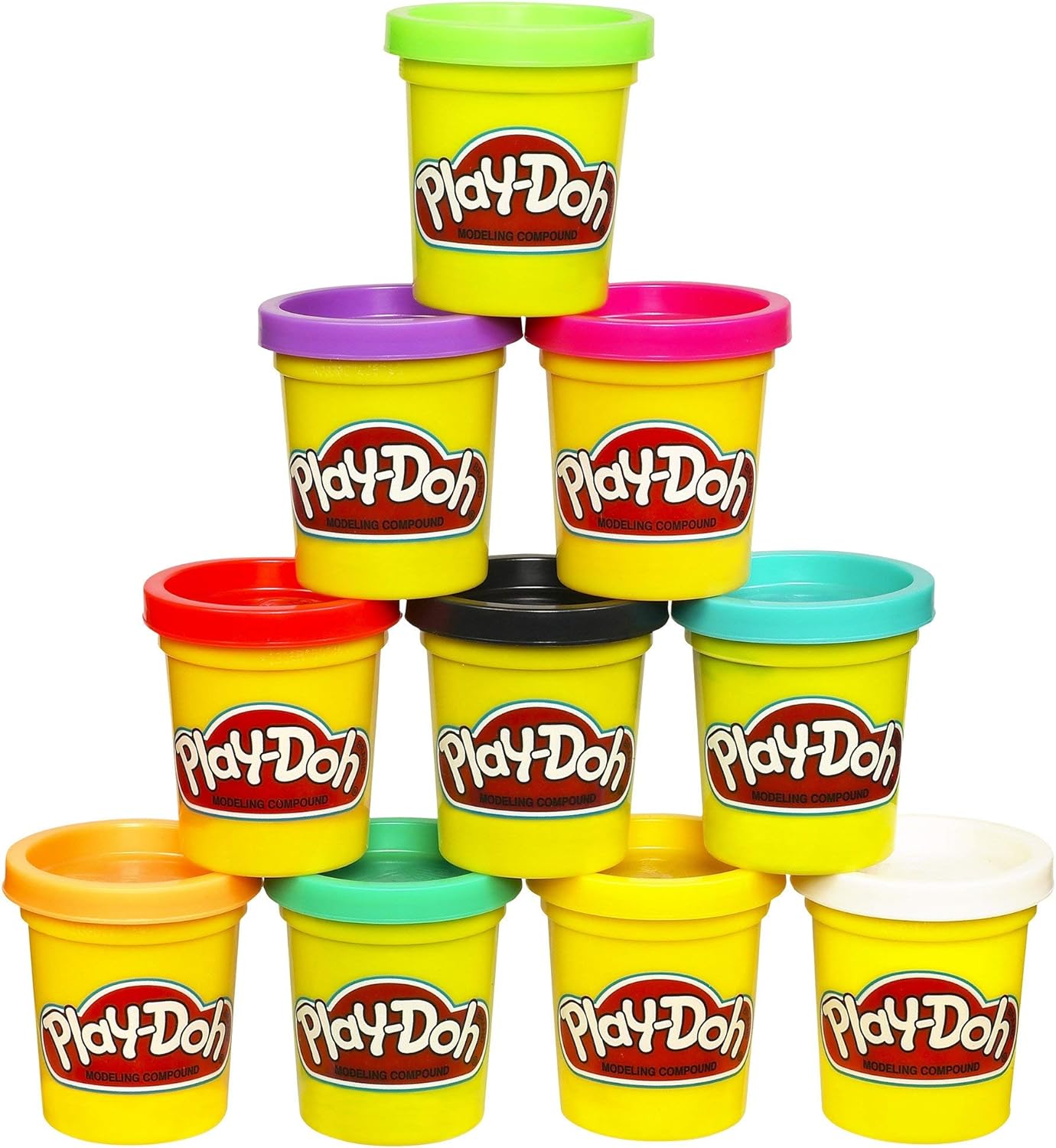
Drawing, painting, modeling, and craft sets give children ways to explore color, texture, and self-expression. Compare what supplies are included, whether materials need to be purchased separately, and how easily the finished activity can be cleaned up. A simple setup may encourage more frequent use than a complicated kit that requires extensive preparation.
Vehicles, figures, and small-world play
Toy vehicles, animals, people, and play environments can turn a floor, table, or play mat into an imaginative setting. These products work well on their own or alongside blocks and pretend-play accessories. Check the dimensions and the number of pieces carefully, particularly if the set will be combined with toys already in the home.
Music and active play
Musical toys encourage rhythm and sound exploration, while balls, ride-on toys, and movement-focused products promote active play. For these choices, consider noise level, required floor space, stability, and whether the item is intended for indoor or outdoor use. Active toys should be used in an environment appropriate for the child and the product’s instructions.
Features and specifications to compare
Product details can vary substantially even within the same type of toy. Before choosing, compare the following specifications:
- Materials: Check whether the toy is primarily plastic, wood, fabric, metal, or a combination, and review any care instructions.
- Piece size: Smaller components may be unsuitable for children who still place objects in their mouths. Always follow the manufacturer’s safety guidance.
- Dimensions: Confirm that the toy will fit the intended play area and that storage is practical.
- Power requirements: Electronic toys may require batteries, charging, or an outlet. Check whether power sources are included or sold separately.
- Sound and light features: Review volume controls, sound settings, and whether the features can be used without electronic effects.
- Assembly: Some playsets require adult assembly. Check the setup details before giving the toy to a child.
- Cleaning: Smooth, wipeable surfaces may be easier to maintain than plush or intricate designs.
- Included accessories: Make sure the listed components match the type of play the child wants to pursue.
Safety labeling and manufacturer instructions should take priority over general age guidance. Inspect toys periodically for loose, cracked, or damaged parts, and keep packaging materials away from children.
Brands represented in the catalog
The catalog includes products from Mattel, Fisher-Price, Hasbro, Melissa & Doug, Just Play, Lego, PLAYMOBIL, Spin Master, MGA Entertainment, Wild Republic, VTech, and Joyin Inc. These brands cover a range of play styles, including pretend play, construction, figures, learning activities, creative projects, animals, electronics, and active entertainment.
Brand familiarity can help narrow a large selection, but the specific product details matter more than the brand name alone. Compare the recommended age range, dimensions, materials, accessories, power needs, and care instructions for each item.
Practical tips for everyday play
Rotate toys instead of presenting every option at once. Keeping a smaller selection available can make it easier for a child to choose an activity and can help older toys feel new when they return to the rotation.
Create a dedicated place for each type of toy. Bins for building pieces, shelves for figures, and a protected surface for art materials can make independent play and cleanup more manageable. If a toy includes many components, take a quick inventory after opening it and choose a storage method that keeps the pieces together.
For shared play, consider whether the design supports turn-taking. Sets with several figures, tools, or building pieces may work better for siblings or group play than a toy centered on a single small component. Adult participation can also help children understand rules, use unfamiliar features, or extend a simple toy into a longer story.
Frequently asked questions
What makes a toy suitable for pre-kindergarten play?
A suitable toy matches the child’s abilities and interests while offering a manageable level of challenge. Check the manufacturer’s age guidance, safety information, and the type of play the toy supports.
Are open-ended toys a good choice?
Open-ended toys can be used in different ways, which may encourage imagination, experimentation, and repeated play. Blocks, figures, art materials, and pretend-play accessories are common examples.
How should small parts be evaluated?
Review the product’s safety labeling and recommended age range, then consider whether the child can use the pieces responsibly. Keep small components away from younger children who may put objects in their mouths.
What should be checked before buying an electronic toy?
Compare battery or charging requirements, volume controls, sound and light settings, included accessories, and whether the toy can still be used when electronic features are turned off.
How can pre-kindergarten toys be kept organized?
Choose storage that matches the toy: bins for loose pieces, shelves for larger sets, and separate containers for art supplies. Keeping related components together makes setup and cleanup easier.