

Handpieces & Instruments for Dental Professionals
Compare dental handpieces and instruments by compatibility, intended procedure, construction, maintenance requirements, and other practical specifications.
109 products in catalog
109 results
Filters


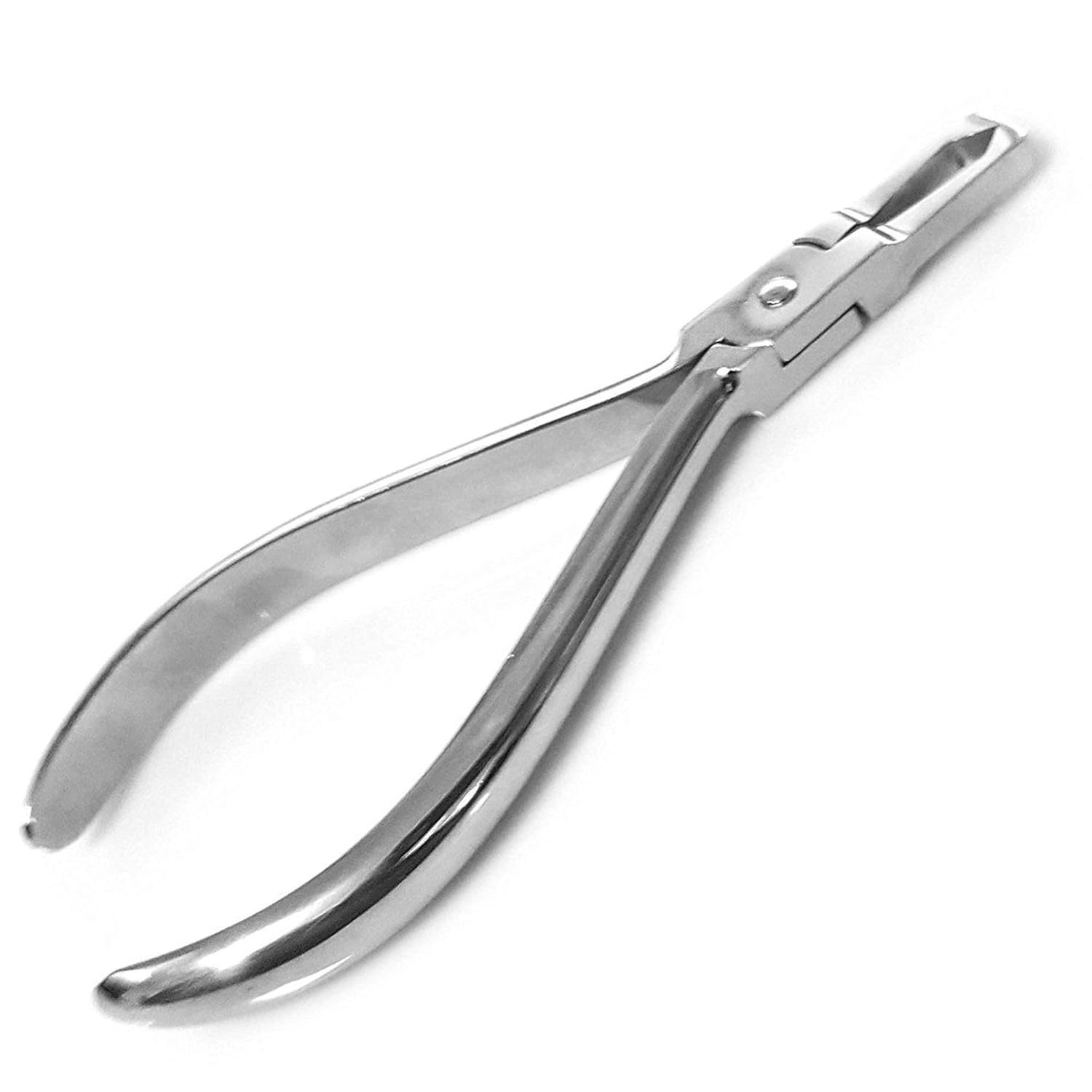
SURGICAL ONLINE
Surgicalonline Orthodontic Bracket Removing Pliers Stainless Steel Dental Braces Removal Tools Bracket Gripper Plier
See current price

Med Chalet
Med Chalet EXELint Disposable Syringe, Sterile Single Pack, 50 ml to 60 ml Medical Grade Catheter Tip, J1
See current price
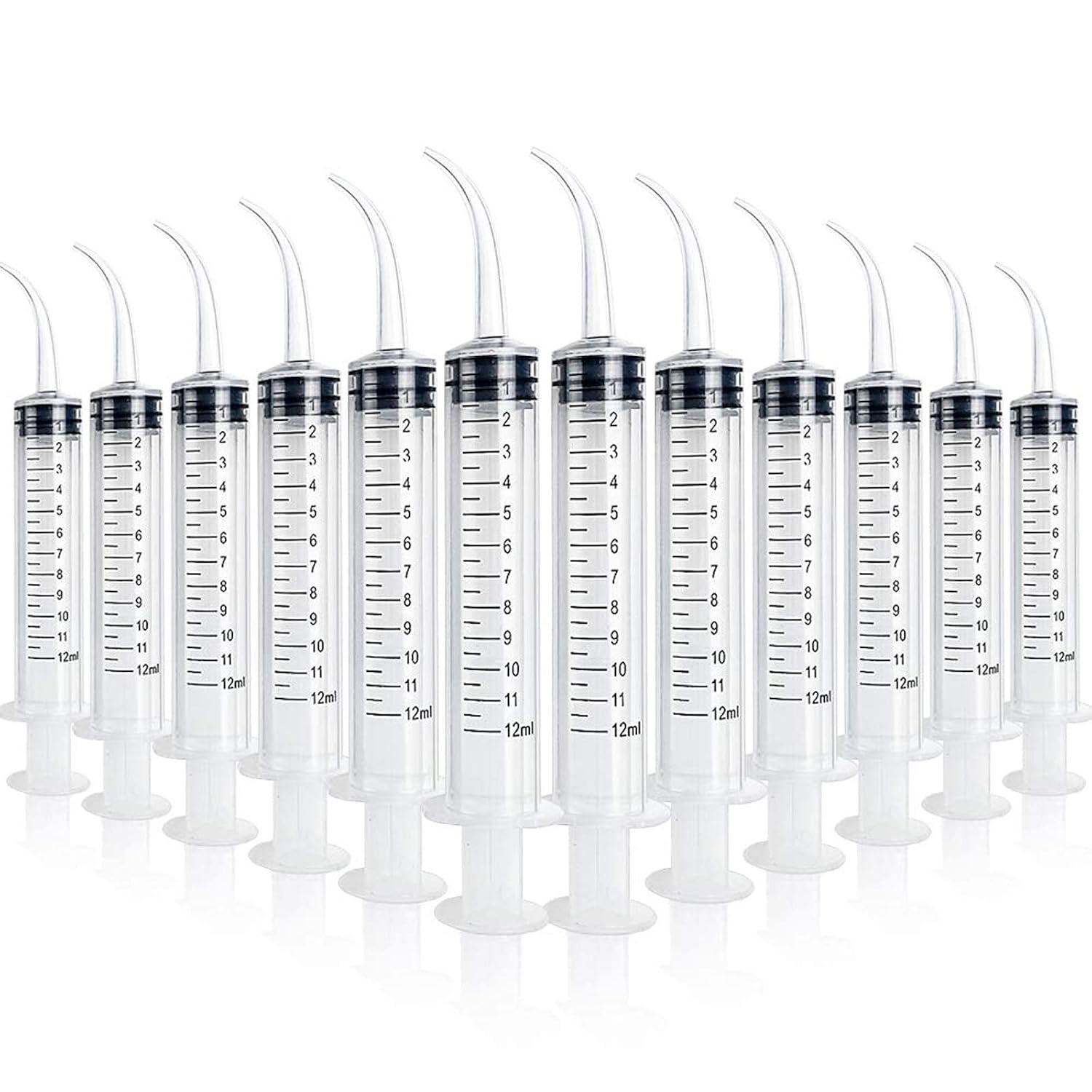


A2ZSCILAB
Stainless Steel Dental Mirror #5 with Handle 6.5", Dentist Tool for Teeth Cleaning Inspection
See current price


rosenice
4pcs Disposable Dental Irrigation Syringe with Curved Tip Colostrum Syringes for Dental Care
See current price


Popular brands in Handpieces & Instruments
Handpieces and instruments support a wide range of clinical, laboratory, and dental care tasks. The right choice depends less on appearance than on the instrument’s intended use, compatibility with existing equipment, handling characteristics, and cleaning requirements.
This K-Catalog category brings together options within Professional Dental Supplies, helping shoppers compare listed specifications before visiting Amazon for current product details.
How to choose handpieces and instruments
Begin with the procedure or task the instrument must support. A device intended for routine examination may have very different requirements from one used for preparation, polishing, laboratory work, or other specialized procedures. Confirm the intended application in the product description rather than relying on a general product name.
Important considerations include:
- Compatibility: Check connections, fittings, drive systems, dimensions, and any equipment requirements. Compatibility should be confirmed against the dental unit or accessories already in use.
- Handling: Consider weight, balance, grip shape, access, and whether the instrument can be controlled comfortably during the intended task.
- Construction: Materials and surface finish can affect durability, corrosion resistance, cleaning, and day-to-day handling.
- Maintenance: Review whether the item is designed for cleaning, disinfection, lubrication, or sterilization, and follow the manufacturer’s instructions.
- Included components: Check whether the listing includes only the main handpiece or instrument, or also includes attachments, tubing, keys, stands, or other accessories.
Common types to compare
The category name covers several types of dental equipment, so shoppers should identify the product format before comparing individual listings. Handpieces may be designed for different drive arrangements, connection standards, speeds, control methods, or procedures. Instrument listings may instead focus on examination, manipulation, cutting, finishing, measuring, or laboratory use.
For handpieces, compare the drive type, connection, operating requirements, head or working-end design, and compatibility with burs or other attachments where applicable. For manual instruments, pay closer attention to the working end, handle design, material, dimensions, and intended clinical function.
Some shoppers may also need to coordinate instruments with other supply groups. Related catalog sections include Consumables, Oral Hygiene & Preventive Care, and Cosmetics & Restoratives. These categories can help when assembling supplies for a broader procedure or practice workflow.
Specifications worth comparing
Product titles do not always show every detail needed for a confident choice. Open the full listing and compare the technical specifications side by side. Depending on the product, useful details may include:
- Connection or interface standards
- Compatible accessories, burs, or attachments
- Operating method and required equipment
- Working-end shape and dimensions
- Handle size, grip texture, and overall balance
- Materials used in the body and working surfaces
- Cleaning, disinfection, lubrication, and sterilization guidance
- Whether replacement parts or accessories are available
- Packaging contents and any included documentation
For equipment used across multiple treatment rooms, standardizing connections and maintenance procedures can simplify setup. For occasional or specialized work, the most important factor may be matching the instrument precisely to the task.
Brands represented in the catalog
The catalog includes products from Denshine, Tilcare, EZGO, Nuanchu, LabAider, PlastCare USA, Xesscare, ASVEL, AZDENT, POLKASTORE, HiMo, and RZJZGZ. These brands are represented across the available listings; they are not presented as endorsements. Compare each product’s specifications, included items, compatibility information, and care instructions independently.
Brand familiarity can be useful when checking replacement accessories or maintaining consistency across a practice, but the product-level details still matter. Two items from the same brand may serve different purposes or require different connections and maintenance routines.
Practical purchasing and maintenance tips
Before choosing, compare the product with the equipment already available in the office or laboratory. If a listing leaves compatibility unclear, consult the manufacturer’s documentation or ask a qualified supplier before ordering. This is especially important for connections, power requirements, attachments, and sterilization workflows.
Inspect reusable instruments according to the applicable workplace procedures. Follow the manufacturer’s cleaning and maintenance directions, and do not assume that every handpiece or instrument can be processed in the same way. Keep accessories organized and verify that replacement components match the original specification.
Shoppers comparing broader procedural supplies may also find Impression Materials & Accessories and Orthodontic Supplies. Selecting compatible items across categories can help avoid delays caused by missing or mismatched components.
Frequently asked questions
What should be checked first when choosing a dental handpiece?
Start with the intended procedure and confirm compatibility with the dental unit, connection, drive system, and required attachments. Then compare handling and maintenance requirements.
Are dental instruments interchangeable between equipment setups?
Not necessarily. Connections, dimensions, attachments, and operating requirements can vary. Verify the product specifications against the equipment in use before ordering.
How can shoppers compare manual instruments?
Compare the working end, intended function, materials, dimensions, handle design, and cleaning instructions. The correct shape and size depend on the task and user preference.
What does a listing’s included-items section tell shoppers?
It identifies what comes with the product and what may need to be purchased separately. Check for attachments, tubing, tools, cases, or other accessories before making a selection.
How should reusable handpieces and instruments be maintained?
Follow the manufacturer’s instructions and applicable workplace protocols for cleaning, disinfection, lubrication, sterilization, storage, and inspection. Requirements can differ by product.