

Pool Pumps for Pools & Spas
Compare pool and spa pumps by flow, motor design, connections, and compatibility. Use the specifications to narrow options for circulation, filtration, or water features.
82 products in catalog
82 results
Filters

Intex Recreational Inc.
INTEX 26667EG QS500 Krystal Clear Saltwater System with E.C.O. (Electrocatalytic Oxidation) for up to 7000 Gallon Above Ground Pools
See current price


Polaris
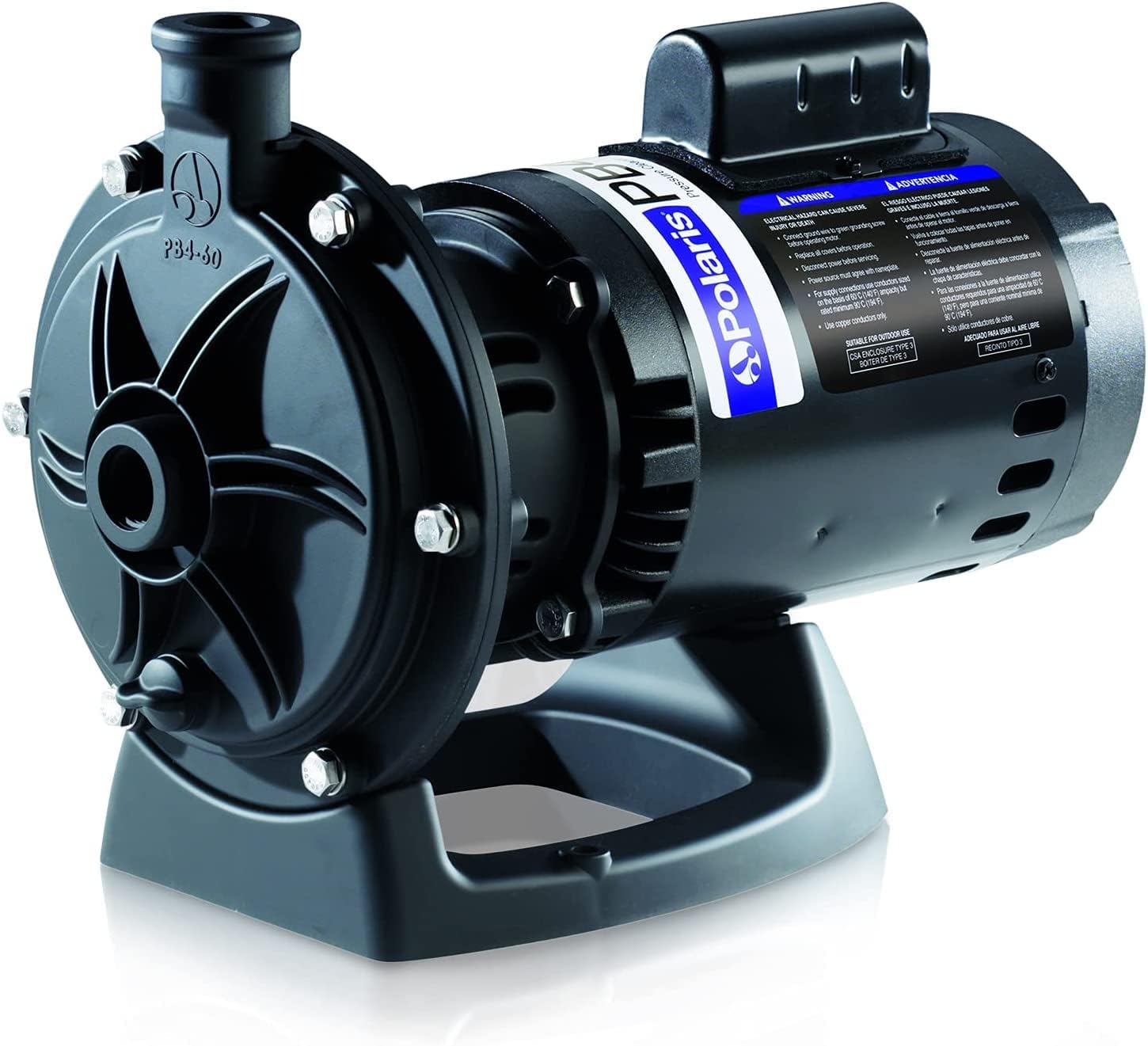
POLARIS PB4-60 OEM Booster Pump 3/4 HP for Pressure Pool Cleaners PB460 180-480
See current price




Hayward
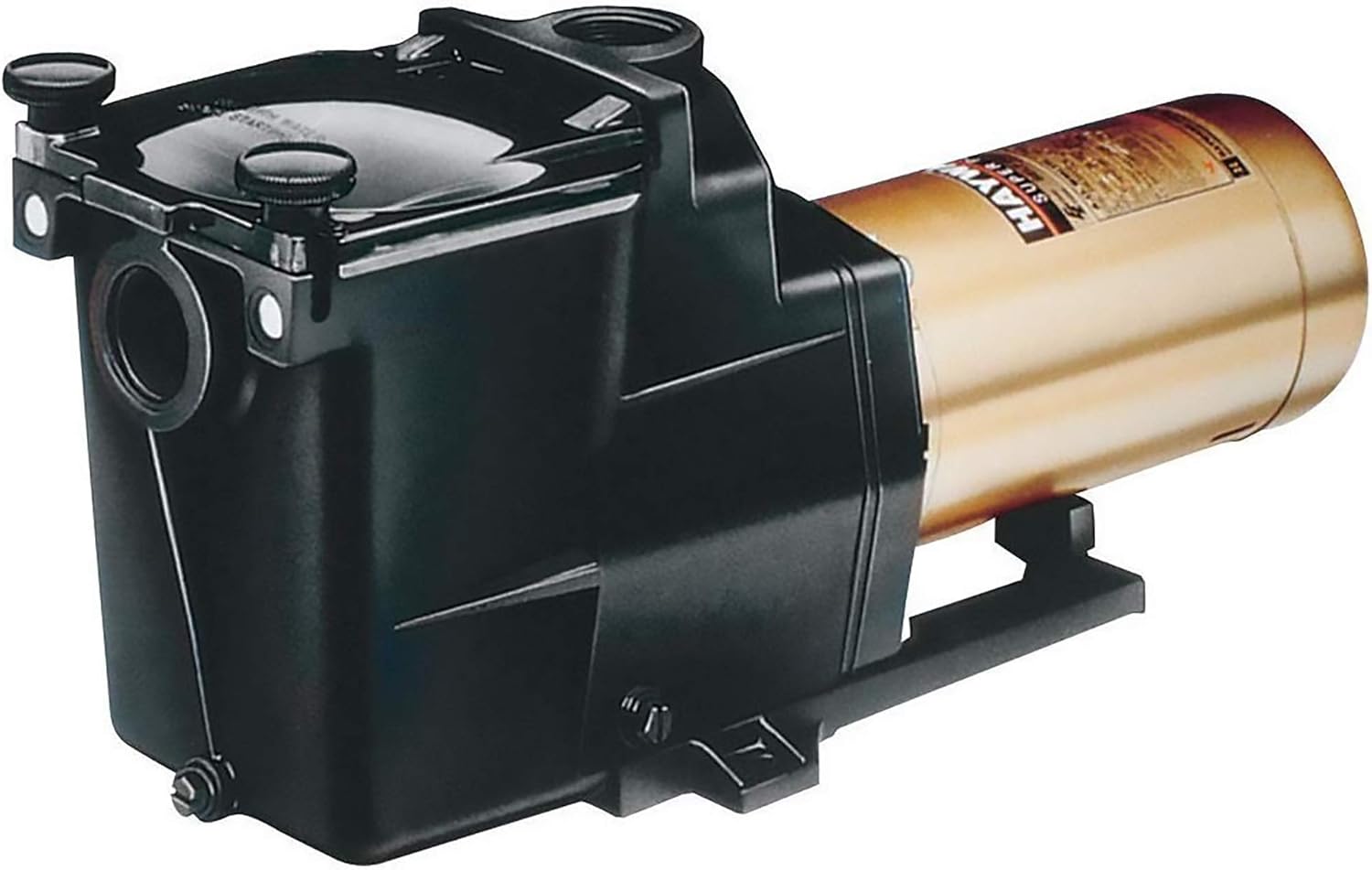
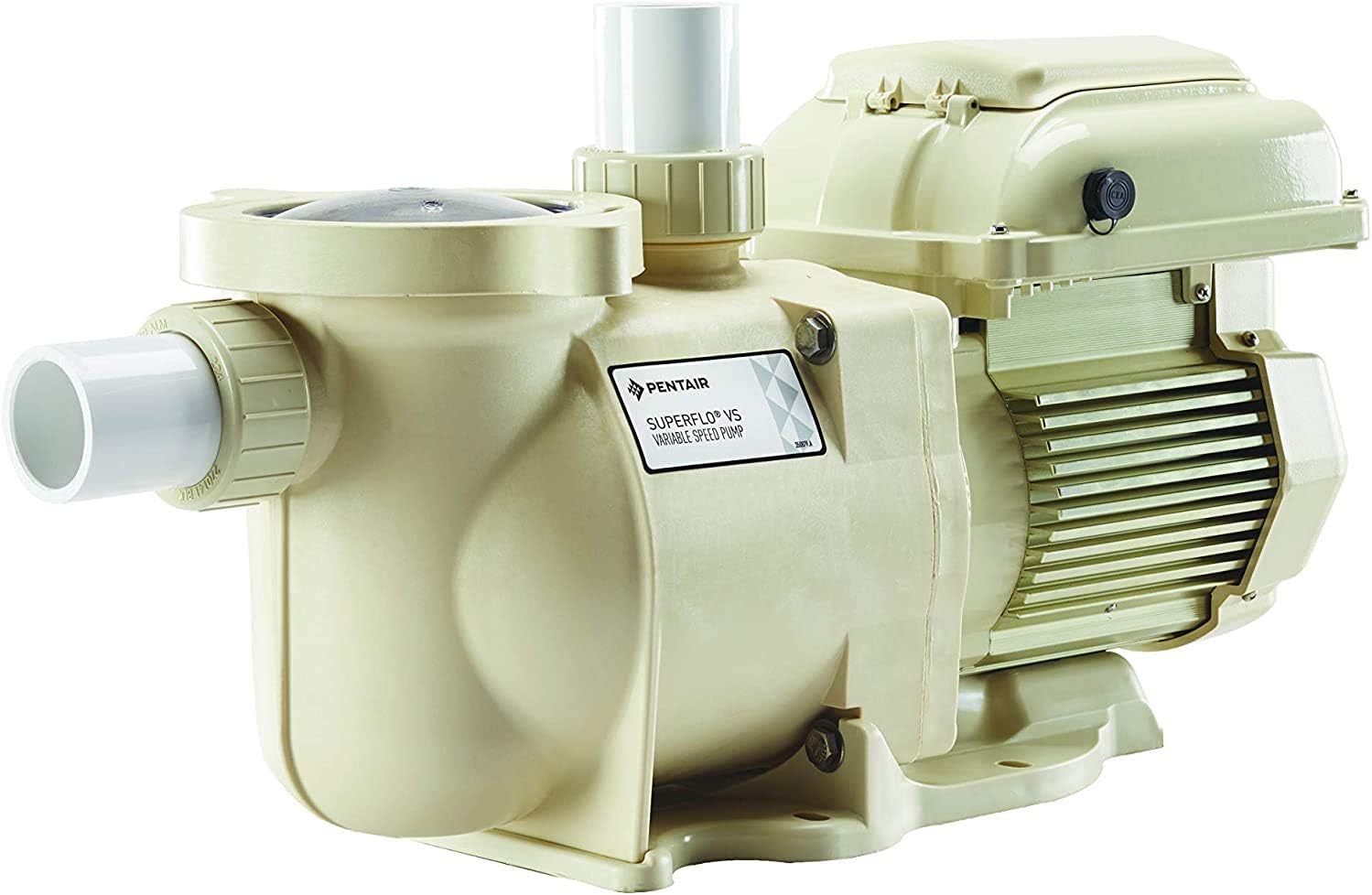
Hayward SP1610Z1MBK Motor Replacement for Select Hayward Pump, 1.0 HP Maxrate Motor
See current price


XtremepowerUS
XtremepowerUS 2HP In-Ground Swimming Pool Pump Variable Speed 2" Inlet 230V High Flo w/ Slip-On Fitting
See current price


Pentair
Pentair C108-33P 5-Inch Trap Strainer Basket Replacement Sta-Rite Pool and Spa Pump
See current price
Popular brands in Pumps
Pool pumps keep water moving through filtration, heating, sanitation, and other equipment. The right choice depends on your pool or spa system, plumbing, electrical setup, and the work the pump needs to perform.
K-Catalog lists pumps from brands including Hayward, Pentair, XtremepowerUS, Polaris, Waterway Plastics, Blue Wave, Raypak, Zodiac, EDOU, Oswerpon, Intex Recreational Inc., and ELEGRP. Compare the listed specifications carefully, then check the current product details on Amazon before buying.
How to choose a pool pump
Start by identifying the pump’s job. A primary circulation pump may need to support filtration and water treatment, while a booster pump can power a cleaner or another dedicated accessory. Spa and hot tub systems may require a compact pump designed for their plumbing and circulation requirements.
Before comparing motor features, confirm the replacement or installation requirements:
- Pool or spa type and approximate water volume
- Existing plumbing size and connection style
- Required voltage and available electrical supply
- Space available for the pump and access for maintenance
- Compatibility with the filter, heater, cleaner, or other equipment
A pump that is too small may not provide the required flow. A pump that is too large can be an unsuitable match for the filter and plumbing, so system compatibility matters more than choosing the highest advertised performance.
Common pump types
Circulation and filtration pumps
These pumps move water through the pool’s filtration and treatment system. They are the usual choice for replacing a main pool pump, but the correct model still depends on the existing equipment and plumbing layout.
Variable-speed pumps
Variable-speed designs allow the motor to operate at different speeds. Lower-speed operation may suit routine circulation, while higher speeds can support tasks that need more flow. Check the control method, programming features, electrical requirements, and compatibility with the rest of the system.
Single-speed pumps
Single-speed pumps run at one operating speed and can be a straightforward replacement when their electrical and plumbing specifications match the existing setup. Confirm the flow requirements rather than assuming that a similar-looking pump will fit.
Booster and specialty pumps
Booster pumps are intended for particular accessories, such as pressure-side cleaners. Other specialty pumps may support spas, water features, or small above-ground pool systems. The product description should clearly match the intended application.
Specifications and features to compare
Flow and performance: Look for the manufacturer’s flow information and determine whether it applies to the conditions of your installation. Plumbing resistance, filter condition, elevation, and connected equipment can affect actual performance.
Motor and controls: Compare motor type, speed control, scheduling, priming behavior, and control compatibility. A programmable pump may be useful when circulation needs vary, while a simpler control layout may suit a basic replacement.
Electrical requirements: Verify voltage, phase, wiring needs, and any installation requirements before ordering. Electrical work around pools and spas should follow local codes and be handled by a qualified professional where appropriate.
Connections and construction: Check inlet and outlet sizes, union or threaded connections, housing materials, lid design, drain plugs, and access to the strainer basket. These details affect installation and routine cleaning.
Noise and placement: If the pump is close to a home, patio, or relaxation area, motor noise and vibration may matter. Confirm the recommended installation position and leave enough room for service access.
Match the pump to related equipment
A pump works as part of a larger water-care system. Compare compatible Filters & Filter Media and make sure the pump’s flow is suitable for the filter. If you are replacing several connected components, Parts & Accessories may help identify unions, lids, baskets, seals, and other system parts.
For cleaner maintenance, browse Cleaning Tools & Chemicals. Pumps that support temperature-control equipment should also be checked against Heaters & Accessories. If you are selecting equipment for a new or replacement pool, see Swimming Pools for the broader setup.
Brands represented in the catalog
The Pumps catalog includes products from Hayward, Pentair, XtremepowerUS, Polaris, Waterway Plastics, Blue Wave, Raypak, Zodiac, EDOU, Oswerpon, Intex Recreational Inc., and ELEGRP. Brand availability can vary by product type and specification, so compare the individual pump’s connection details, electrical requirements, performance information, and installation guidance rather than choosing by brand alone.
Installation and maintenance tips
Turn off power before inspecting or servicing a pump, and follow the manufacturer’s instructions for priming, winterizing, cleaning, and replacement parts. Keep the strainer basket clear, inspect seals for leaks, and avoid running a pump dry. Confirm that valves are positioned correctly before restarting the system.
For a replacement, photograph or record the existing pump’s label, wiring information, plumbing connections, and dimensions. Match these details with the new product listing, and use a qualified pool or electrical professional when the installation involves unfamiliar wiring, major plumbing changes, or local safety requirements.
Frequently asked questions
What type of pump is right for a pool?
A primary circulation or filtration pump is generally used for the main pool system. The required flow, connections, electrical setup, and filter compatibility determine the suitable option.
Are variable-speed pumps suitable for every pool?
Not automatically. They can offer adjustable operation, but the pump must still match the plumbing, filter, electrical supply, controls, and performance requirements of the installation.
Can a booster pump replace the main pool pump?
Usually not. A booster pump is typically designed for a dedicated accessory, such as a compatible cleaner, rather than for complete pool circulation and filtration.
How can a replacement pump be matched to existing plumbing?
Compare the inlet and outlet sizes, connection type, pump dimensions, flow requirements, and electrical specifications with the current installation. Manufacturer documentation is important when details are unclear.
What should be checked before installing a pool pump?
Confirm compatibility with the filter and other equipment, available electrical supply, plumbing layout, installation clearance, local safety requirements, and the manufacturer’s instructions.