

Radio Scanners: Compare Types and Features
Compare radio scanners by form factor, frequency coverage, signal support, programming options, and everyday usability. Review specifications to find a scanner suited to home, vehicle, or portable listening.
27 products in catalog
27 results
Filters




AirNav RadarBox
AirNav RadarBox FlightStick - ADS-B USB Receiver with Integrated Filter, Amplifier and ESD Protection
See current price
Popular brands in Radio Scanners
Radio scanners let listeners monitor compatible public-service, aviation, marine, weather, amateur radio, and other transmissions, depending on the scanner’s supported frequencies and signal formats. The right choice depends less on appearance than on where you plan to listen, which systems you want to monitor, and how much programming you are comfortable managing.
This K-Catalog category is part of Security & Surveillance. Browse the available products by their listed specifications, then check the current product details on Amazon before making a purchase.
How to choose a radio scanner
Start with the signals and services you want to monitor. A scanner designed for basic analog channels may not support newer digital or trunked systems. If you want to follow several types of traffic in different locations, prioritize broad frequency coverage and support for the signal formats used in your area.
Consider how and where the scanner will be used:
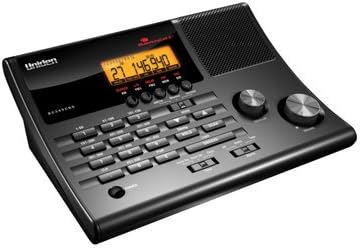
- At home: A desktop or base-style scanner may be convenient for regular monitoring and connection to a larger antenna.
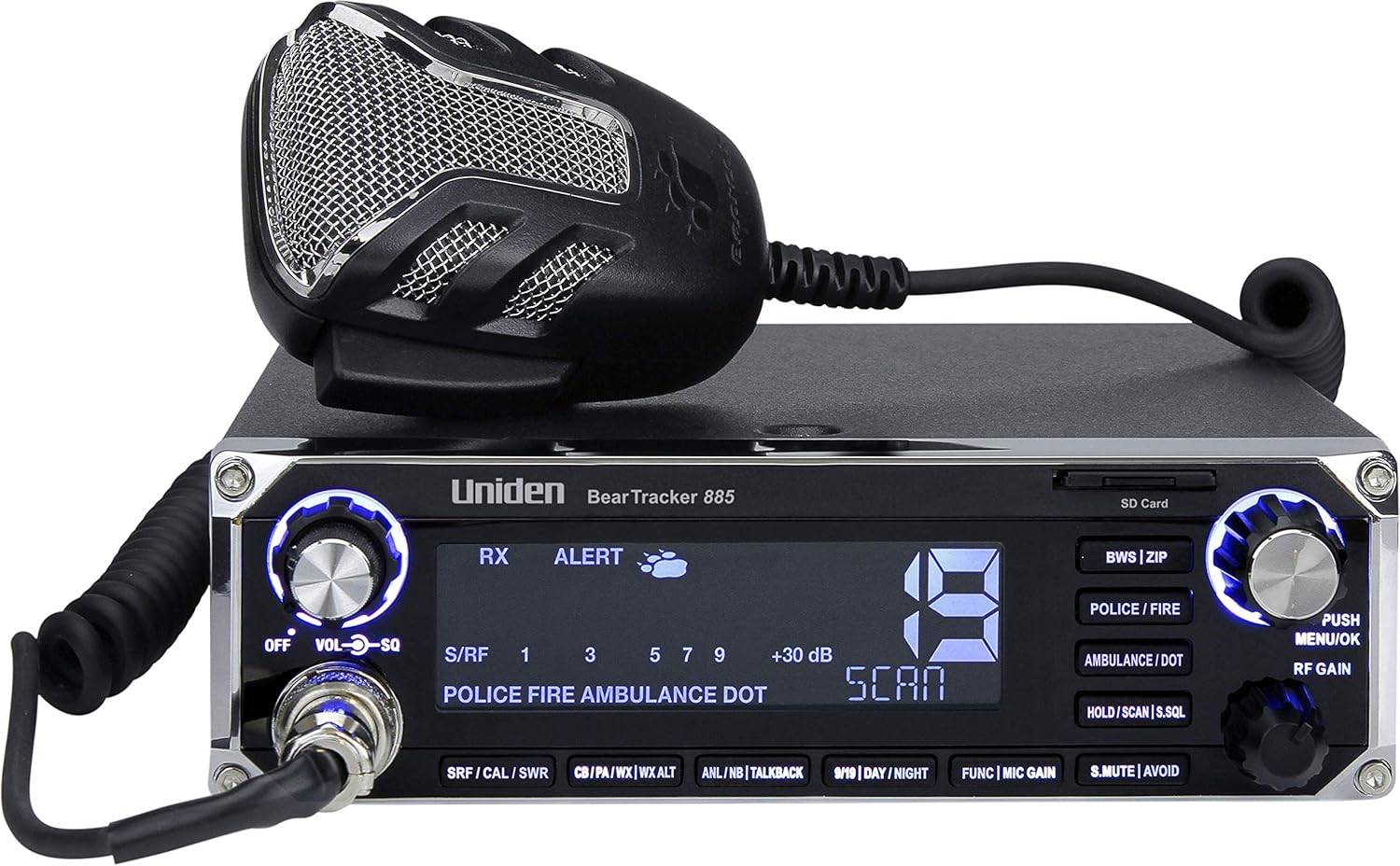
- In a vehicle: A mobile unit can be easier to install permanently and operate from a fixed location in the car.
- On the go: A handheld scanner is more portable and may include a rechargeable battery, though battery life and antenna design should be checked carefully.
If local systems are difficult to identify, look for products with clear programming tools, database support, or computer connectivity. These features can reduce setup time, but compatibility still depends on the scanner and the systems in your area.
Common radio scanner types
Handheld scanners
Handheld models suit users who need portability around the home, outdoors, or in a vehicle. Compare battery type, charging method, screen readability, keypad layout, included antenna, and memory capacity. A compact design is convenient, but a larger control layout may be easier for frequent manual adjustments.
Base and desktop scanners
Desktop scanners are generally better suited to a fixed listening position. They may offer a larger display, more accessible controls, and connection options for an external antenna. Before choosing one, check its power requirements, antenna connector, and available mounting or placement options.
Mobile scanners
Mobile scanners are intended for vehicle or other semi-permanent installations. Compare the mounting approach, power connection, display visibility, control layout, and compatibility with an external antenna. Make sure the dimensions and installation requirements suit the intended vehicle or workspace.
Key features and specifications to compare
Frequency coverage indicates which frequency ranges the scanner can receive. Wider coverage is not automatically better if it does not include the services you want, so compare the listed bands with local frequency information.
Analog and digital support is one of the most important distinctions. Check whether the scanner supports the modulation and digital formats used by the channels you plan to monitor. Some products may receive analog signals but not digital communications.
Trunking support matters for systems that dynamically assign channels. If your area uses a trunked radio system, confirm that the scanner supports the relevant trunking type and that it can be programmed with the required system information.
Other useful specifications include:
- Number of channels, banks, or memory locations
- Search, scan, priority, and lockout functions
- Display type, backlighting, and menu structure
- USB, computer, or software programming support
- Audio output and headphone connectivity
- Weather alert or other specialized reception modes
- Antenna connection and compatibility with accessories
Programming, antennas, and accessories
Programming can range from entering frequencies manually to importing channel information through a computer or approved software. Review the product’s programming method before buying, especially if you expect to manage multiple systems or locations. A scanner that is technically compatible may still require careful setup.
Reception also depends on location, obstructions, antenna quality, and the characteristics of the signal. An external antenna may help in some installations, but confirm connector compatibility and follow local installation and safety requirements. For related add-ons, see Accessories.
Brands represented in the catalog
The catalog includes radio scanners and related products from brands such as Uniden and Whistler, along with Anteenna, KaiGxin, Astatic, AirNav RadarBox, and Mcbazel. Compare each listing by its own specifications rather than choosing by brand name alone, since supported bands, digital formats, controls, and included components can vary between products.
Use and compatibility tips
Before ordering, identify the frequencies and radio system types used in the area where the scanner will operate. Confirm that the product can receive those signals and that local communications are legally monitorable. Reception of a signal does not necessarily mean every transmission is intended for public listening.
Also check what comes in the box. A product may require a separate power adapter, programming cable, mounting hardware, replacement antenna, or software. For home monitoring that involves cameras or other equipment, the Home Security Systems and Surveillance Video Equipment categories may be useful starting points.
Frequently asked questions
What is the difference between a handheld and desktop radio scanner?
A handheld scanner is designed for portability and usually runs from a battery, while a desktop model is intended for a fixed location and typically uses external power. Compare controls, antenna connections, and intended placement.
Do all radio scanners receive digital transmissions?
No. Digital reception depends on the scanner’s supported formats. Check the specifications carefully if the systems you want to monitor use digital or trunked communications.
Is a wider frequency range always better?
Not necessarily. The important factor is whether the scanner covers the bands and signal types used by the services you want to monitor. Extra coverage may not be useful for your particular location.
Can a radio scanner be used in a vehicle?
Some handheld and mobile scanners can be used in a vehicle, but installation and power requirements vary. Check the product dimensions, mounting method, power connection, and local laws before installing one.
Will an external antenna improve reception?
An external antenna can be helpful in some locations, but results depend on placement, obstructions, signal strength, and compatibility. Confirm the scanner’s connector and the antenna’s specifications before connecting them.