

Sandboxes & Beach Toys for Outdoor Play
Compare sandboxes and beach toys by design, materials, size, storage, and play features. Explore options for backyard, beach, and other outdoor play settings.
473 products in catalog
473 results
Filters



Toyosity
Surfer Dudes Classics Wave Powered Mini-Surfer and Surfboard Toy - Sumatra Sam
See current price

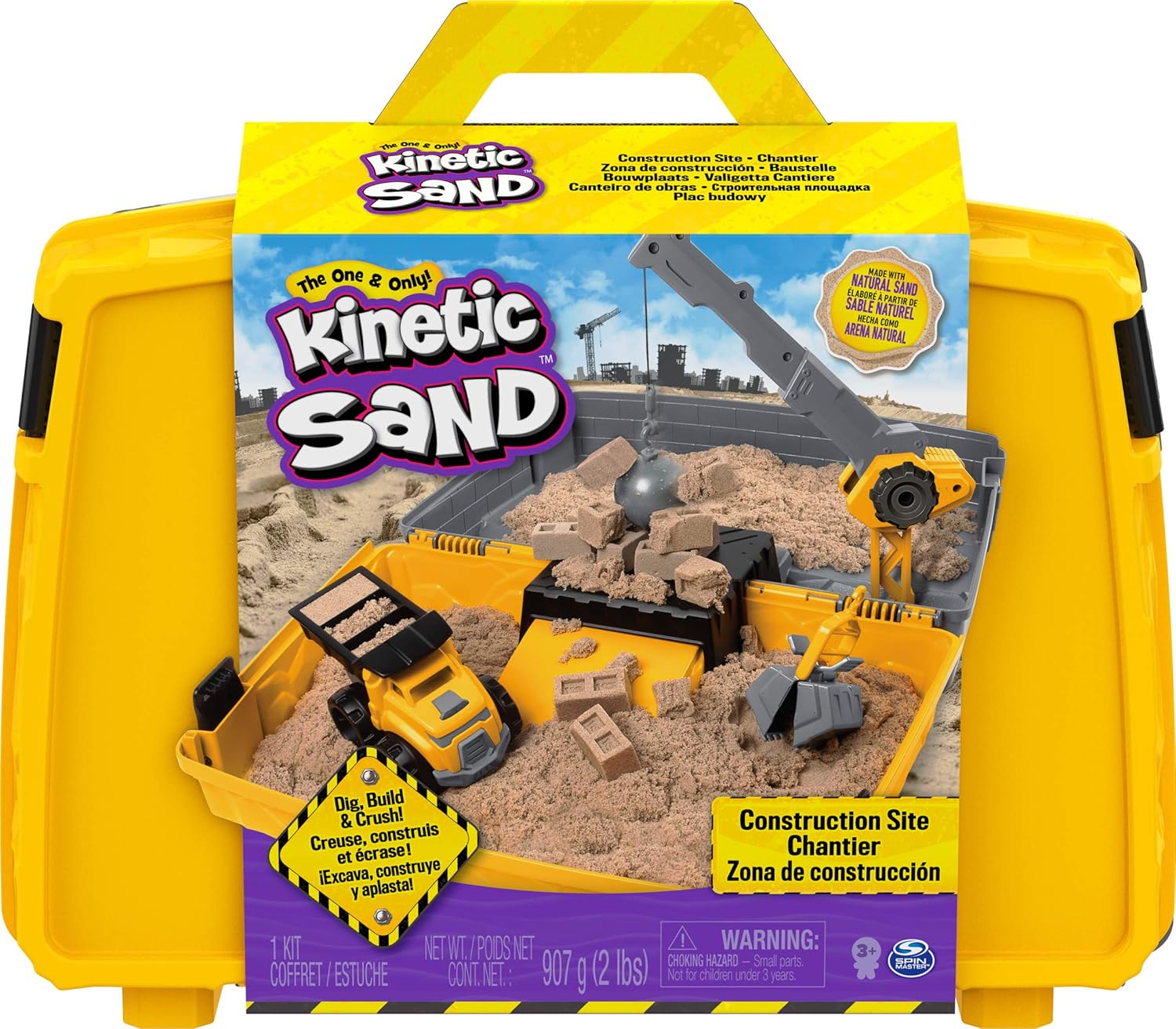
Kinetic Sand
Kinetic Sand, Dig & Demolish Playset with 1lb and Toy Truck, Play Sand Sensory Toys for Kids Ages 3 and up
See current price


The Big Dig®
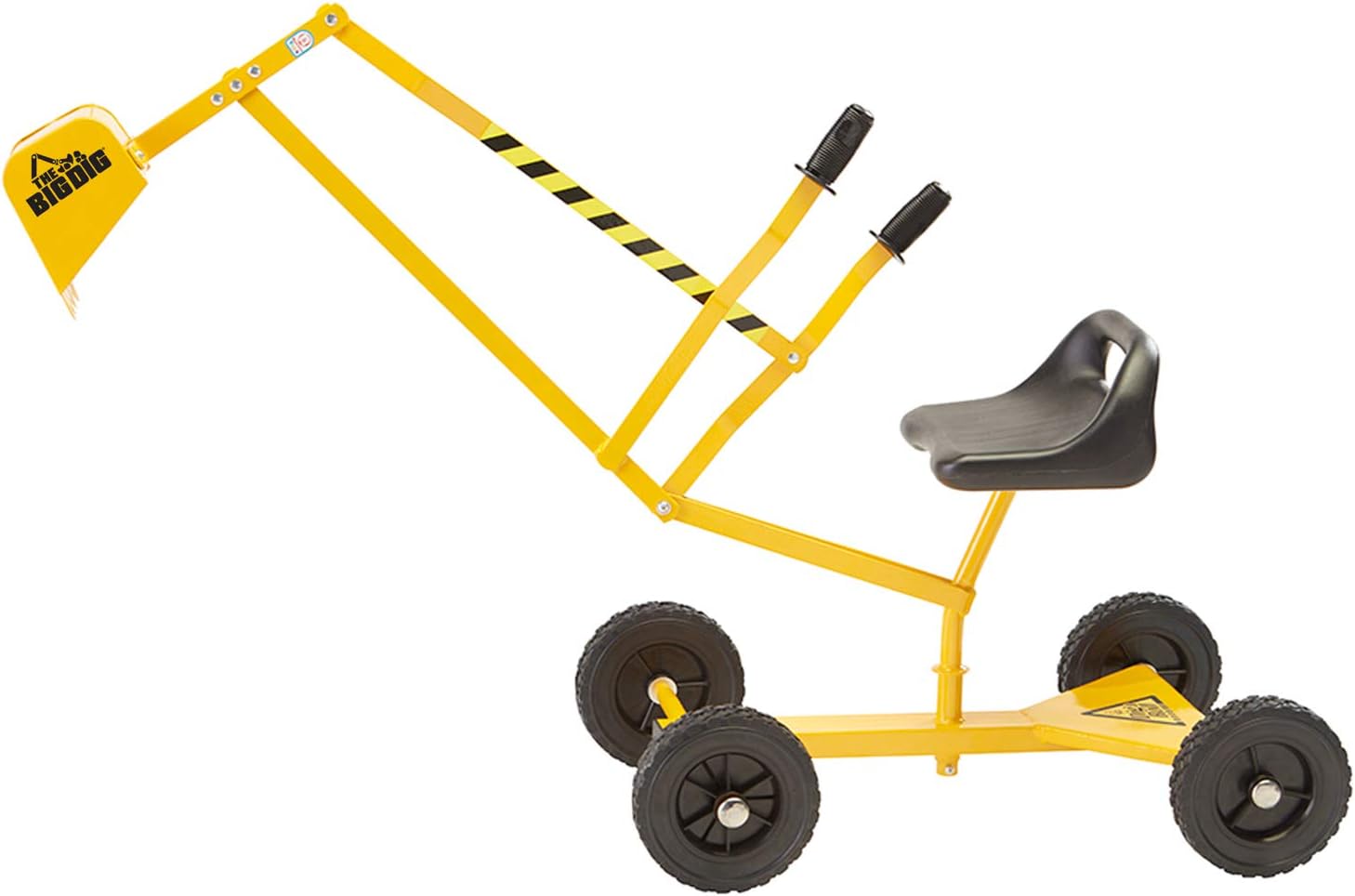
Big Dig Rolling Sandbox Digger Excavator Crane with 360 Degree Rotation Base
See current price
Step2
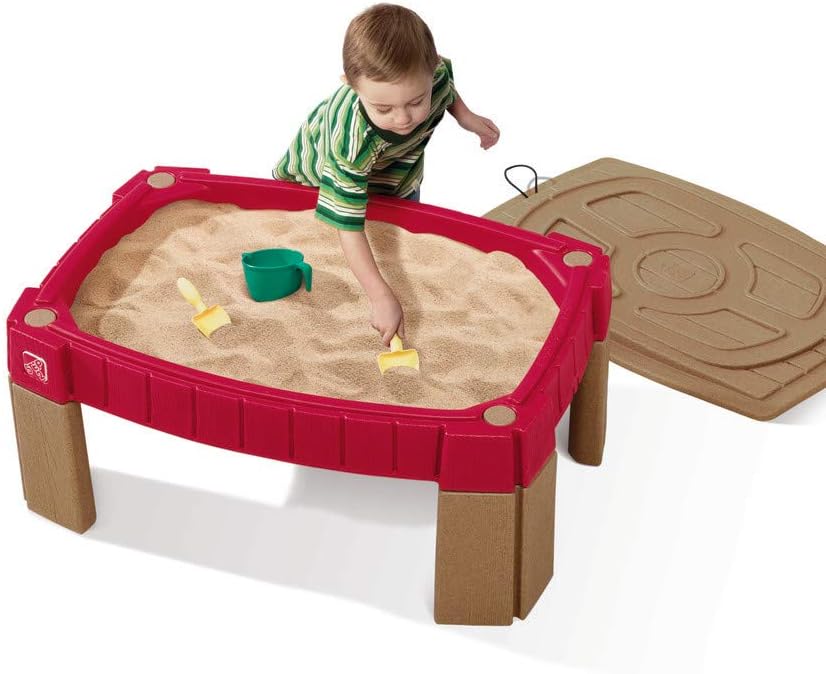
Step2 Naturally Playful Sand Table, Sand and water table basin, 8-piece accessory set.
See current price


Little Tikes - Dropship
Little Tikes Turtle Sandbox White, 38.75 L x 43.25 W x 12.00 H Inches
See current price


Best Choice Products
Best Choice Products Kids 3-in-1 Sand & Water Activity Table, Wood Outdoor Convertible Picnic Table w/Umbrella, 2 Play Boxes, Removable Top - Navy
See current price


Popular brands in Sandboxes & Beach Toys
Sandboxes and beach toys make it easy to create hands-on outdoor play, whether children are digging in the backyard, building at the shore, or scooping and pouring in a sensory play area. This category includes individual tools, coordinated sets, sand tables, and larger play structures.
The right choice depends on where the toys will be used, how much space is available, and whether convenient storage or a covered play area is important. Use the catalog to compare specifications and features before choosing items for your play space.
How to choose sandboxes and beach toys
Start with the play setting. A beach toy set should be easy to carry and simple to rinse, while a backyard sandbox or sand table can offer more room for extended play. If the toys will be used in more than one location, look for a manageable combination of durability, portability, and storage convenience.
Consider the child’s age and play style as well. Basic scoops and buckets support open-ended digging and filling, while molds, sifters, wheels, and themed accessories add variety. For group play, a larger set with several tools can help children play alongside one another.
Types to compare
There are several useful formats within this category:
- Sandbox and sand table sets: Designed for a dedicated play area, these may provide a contained surface for digging, scooping, and building. Compare the footprint, height, seating, and whether a cover or storage area is included.
- Beach bucket sets: Portable sets commonly combine buckets with shovels, rakes, molds, and other accessories. They suit trips to the beach, parks, and family vacations.
- Sand and water play accessories: Scoops, sifters, funnels, wheels, and pouring tools encourage experimenting with texture and movement. These can also complement a table or existing sandbox.
- Molds and building tools: Castle, animal, vehicle, and geometric molds help turn loose sand into structured creations. Look at the variety of shapes and the ease of releasing finished molds.
- Large outdoor play units: Some products combine a play surface with benches, covers, or multiple activity areas. These are worth comparing when the goal is a semi-permanent backyard setup.
For related outdoor activities, browse Pools & Water Toys, Toy Sports, or Play Sets & Playground Equipment.
Key features and specifications
Pay close attention to the material and construction. Plastic is common because it is lightweight and easy to clean, but thickness, molded edges, and the quality of moving parts can affect how well a toy suits regular outdoor use. Smooth surfaces and rounded edges are useful considerations for children’s play items.
For larger products, compare the assembled dimensions with the available space. Check whether the design needs to stay on a level surface and whether it can be moved when the play area is being cleaned or rearranged. A cover can help keep a sandbox protected between uses, while a built-in storage compartment may reduce loose accessories.
For portable sets, examine the number and type of included pieces, carrying options, and nesting or stacking design. Compact pieces are easier to transport, but larger tools may be more comfortable for digging and scooping. If a set includes wheels, handles, or rotating parts, check how those components are intended to work.
Brands represented in the catalog
The catalog includes sandboxes and beach toys from Melissa & Doug, Hape, Homeware, Liberty Imports, Step2, FUN LITTLE TOYS, Little Tikes, TOY Life, Costzon, O SPIELSTABIL, burgkidz, and TEMI. Comparing products across these brands can help shoppers evaluate differences in included accessories, construction, dimensions, and intended play format without relying on brand name alone.
You can also add variety to an outdoor play area with Bubbles, Kites & Wind Spinners, or Blasters & Foam Play.
Care, storage, and outdoor use
Rinse beach toys after use to remove sand and salt, then allow them to dry fully before storing. Keep small accessories together in a ventilated container or the product’s storage area. For sandboxes, inspect the play surface periodically and follow the manufacturer’s guidance for covering, cleaning, and replacing play materials.
Avoid leaving lightweight toys exposed to strong wind, and store them away from areas where they could become a tripping hazard. Before each use, check for cracks, sharp edges, loose handles, or damaged moving parts. Always follow the age guidance and supervision recommendations provided for the specific product.
Frequently asked questions
What should I look for in a backyard sandbox?
Compare the overall dimensions, height, seating, construction, cover options, and whether the design offers storage. Make sure it fits the intended location and has enough room for the children who will use it.
Are beach toy sets suitable for backyard use?
Yes. Buckets, scoops, molds, and sifters can be used at the beach, in a sandbox, or with other outdoor sensory play setups. Check the set contents and size to make sure they suit the intended activity.
How do I choose between a sandbox and a sand table?
A sandbox generally provides a larger ground-level play area, while a sand table raises the surface and may include seats or multiple activity sections. Consider children’s height, available space, and preferred play position.
What accessories add the most variety?
Scoops, rakes, sifters, molds, funnels, and pouring tools support different types of play. Sets with several tool shapes can be useful when children enjoy building, sorting, and experimenting.
How should sand and beach toys be stored?
Rinse off residue, dry the pieces completely, and keep them in a covered, ventilated location. Nesting buckets and a dedicated container can make small accessories easier to organize.