
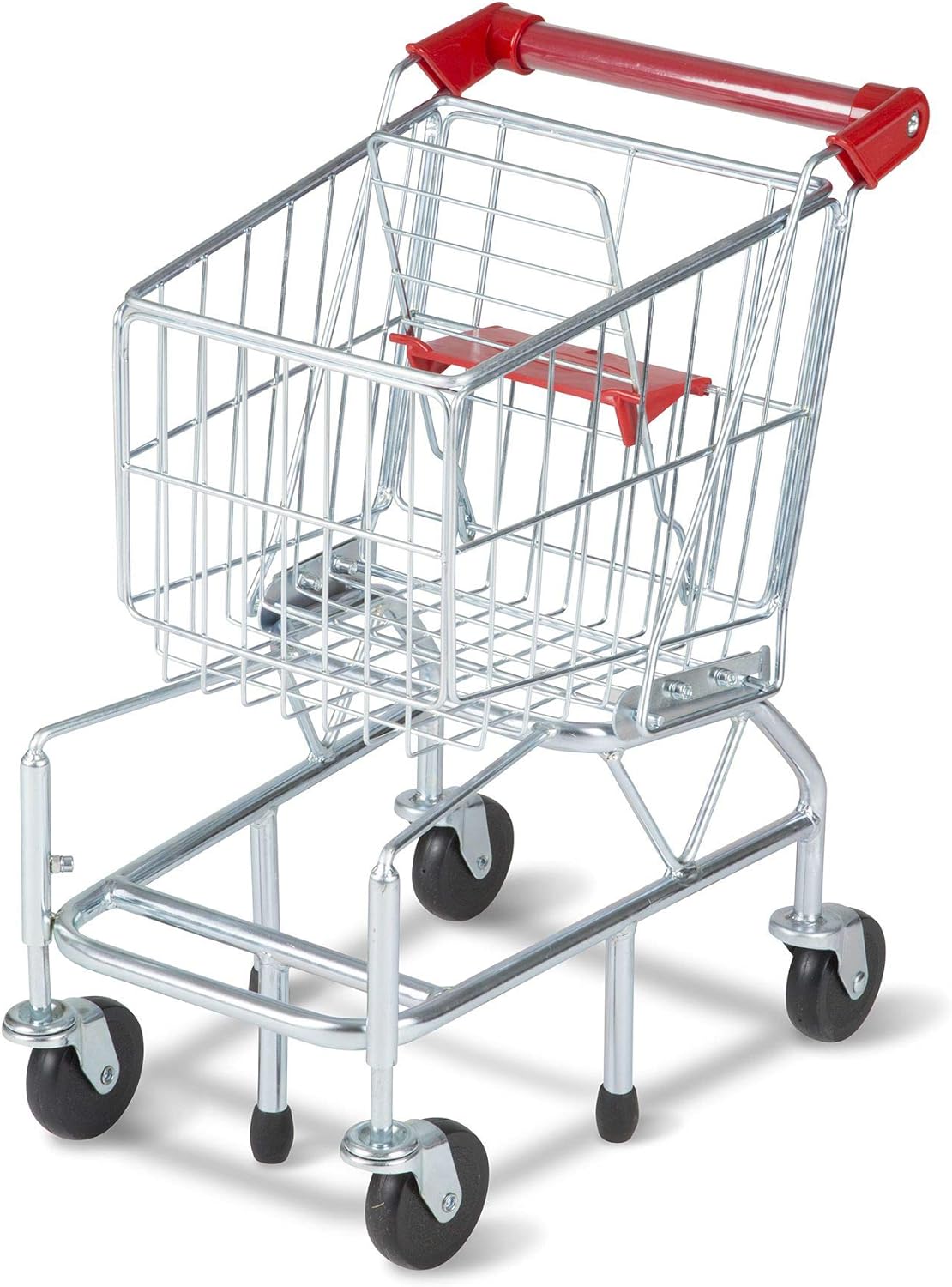
Shops & Accessories for Pretend Play
Explore shops and accessories for imaginative retail play, from compact setups for small spaces to larger role-play stations. Compare specifications and features before visiting Amazon for current availability.
73 products in catalog
73 results
Filters


Shopkins
Shopkins Season 3 (12-Pack) - Characters May Vary (Discontinued by manufacturer)
See current price


The New York Doll Collection
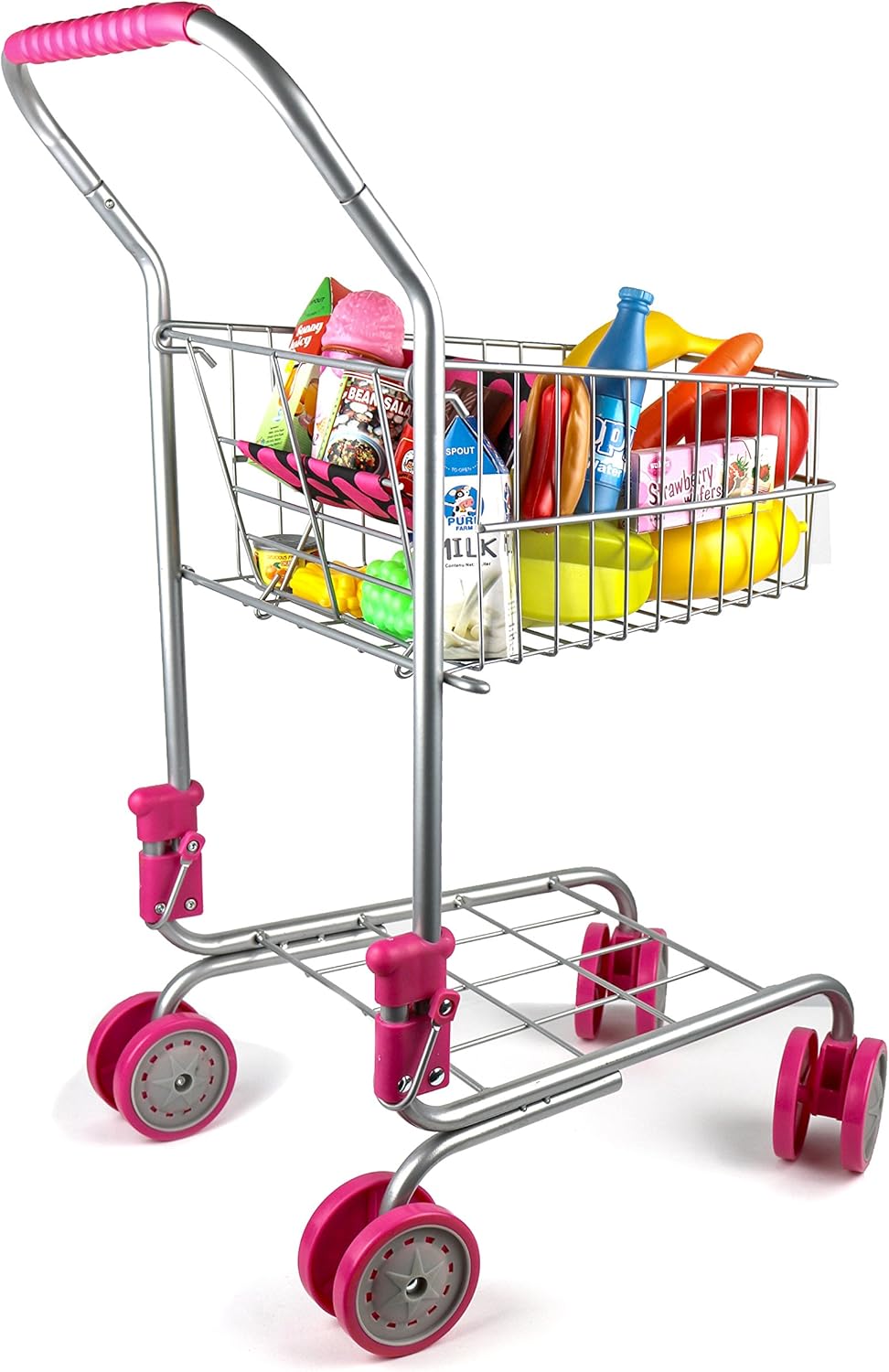
The New York Doll Collection Toy Shopping Cart for Kids and Toddler - Includes Food - Folds for Easy Storage - with Sturdy Metal Frame (Red)
See current price




Popular brands in Shops & Accessories
Pretend shops give children a setting for role-play, storytelling, and everyday social play. A market stand, checkout station, or themed shop can support activities such as choosing items, organizing displays, serving customers, and taking turns.
This K-Catalog category focuses on shops and accessories within Dress Up & Pretend Play. Compare the available designs by footprint, materials, storage, accessories, and the type of play your child enjoys most.
How to choose a pretend shop
Start with the space where the toy will be used and stored. A larger shop can create a more immersive play area, while a compact design may be easier to move or pack away. Check the listed dimensions and recommended age range, and consider whether the setup needs to fit against a wall, in a playroom corner, or in a shared family space.
Think about how many children may play at once. A wider counter, more than one access point, or several play stations can make group play more comfortable. For one child, a simpler counter or tabletop format may be enough and can leave more room for other toys.
Types of shop play to compare
Pretend shops can support different themes, so choose a format that matches the child’s interests:
- Market and grocery play: Useful for sorting, selecting, displaying, and “selling” pretend goods.
- Checkout and cashier play: Centers on scanning, collecting pretend payment, packing items, and taking turns.
- Service-themed shops: May encourage role-play around serving customers, arranging products, or managing a small business.
- Open-ended counters and stands: A flexible choice when children like inventing their own shop, café, stall, or ticket booth.
Accessories can expand the theme without requiring a completely different playset. For dress-up elements, browse Dress-Up Accessories. Costumes, Kitchen Toys, and Money & Banking can also complement shop scenarios.
Features and specifications that matter
Product descriptions can vary considerably, so compare the details that affect everyday play:
- Overall dimensions: Confirm the height and width of the counter, shelves, canopy, or other structural parts.
- Construction: Look for the listed materials and whether the design is intended for indoor use, outdoor use, or both.
- Stability: Consider the base, support points, and whether the shop is likely to be moved frequently.
- Storage: Shelves, bins, hooks, or compartments can help keep play items organized between sessions.
- Included accessories: Check exactly what comes with the product rather than assuming pictured props are included.
- Assembly: Review the assembly information, tools required, and whether adult setup is recommended.
- Age guidance: Use the manufacturer’s recommended age range and inspect accessories for small parts when younger children are present.
If the shop includes electronic sounds, lights, or a pretend payment device, check the listed power requirements and controls. A quieter, non-electronic setup may be preferable for bedrooms or shared living areas.
Building a complete pretend-play space
A shop does not need to be filled with many props to be engaging. Start with a clear play role and add accessories that encourage sorting, communication, and imaginative storytelling. Pretend food, reusable containers, fabric bags, labels, and toy money can help children create their own routines, but compatibility depends on the size and design of the shop.
For a broader play area, consider related Medical Kits for a clinic or pharmacy-style scenario, or Magnetic & Felt Playboards for movable signs, menus, and story elements. Keep the surrounding floor clear and place heavier items low when arranging shelves or displays.
Brands represented in the catalog
The catalog includes shops and accessories from brands such as Just Play, Think Gizmos, MGA Entertainment, Little Tikes, Liberty Imports, Theo Klein, Sotodik, Step2, Homeco, Le Toy Van, deAO, and Shindel. Brand availability can vary by product, so compare the specifications, included pieces, dimensions, materials, and care information for each individual listing rather than relying on the brand name alone.
Frequently asked questions
What age is a pretend shop suitable for?
Use the manufacturer’s stated age guidance as the main reference. Also consider the child’s ability to use the structure safely and whether any included accessories present a small-parts concern.
How much space does a pretend shop need?
The required space depends on the product’s dimensions and whether children need to stand on one or both sides. Leave enough clearance for movement, doors, drawers, and other play accessories.
Are shop accessories included?
Included accessories differ by listing. Read the product specifications and package contents carefully, especially when product images show additional props or pretend food.
Should a pretend shop be easy to store?
If the toy will be packed away regularly, compare its assembled footprint, weight, folding or detachable parts, and storage requirements. A simpler setup may be more practical for shared rooms.
Can a shop be used for more than one theme?
Yes. An open-ended counter can become a grocery, café, market stall, ticket booth, or service desk. Flexible designs are useful when a child’s pretend-play interests change over time.