
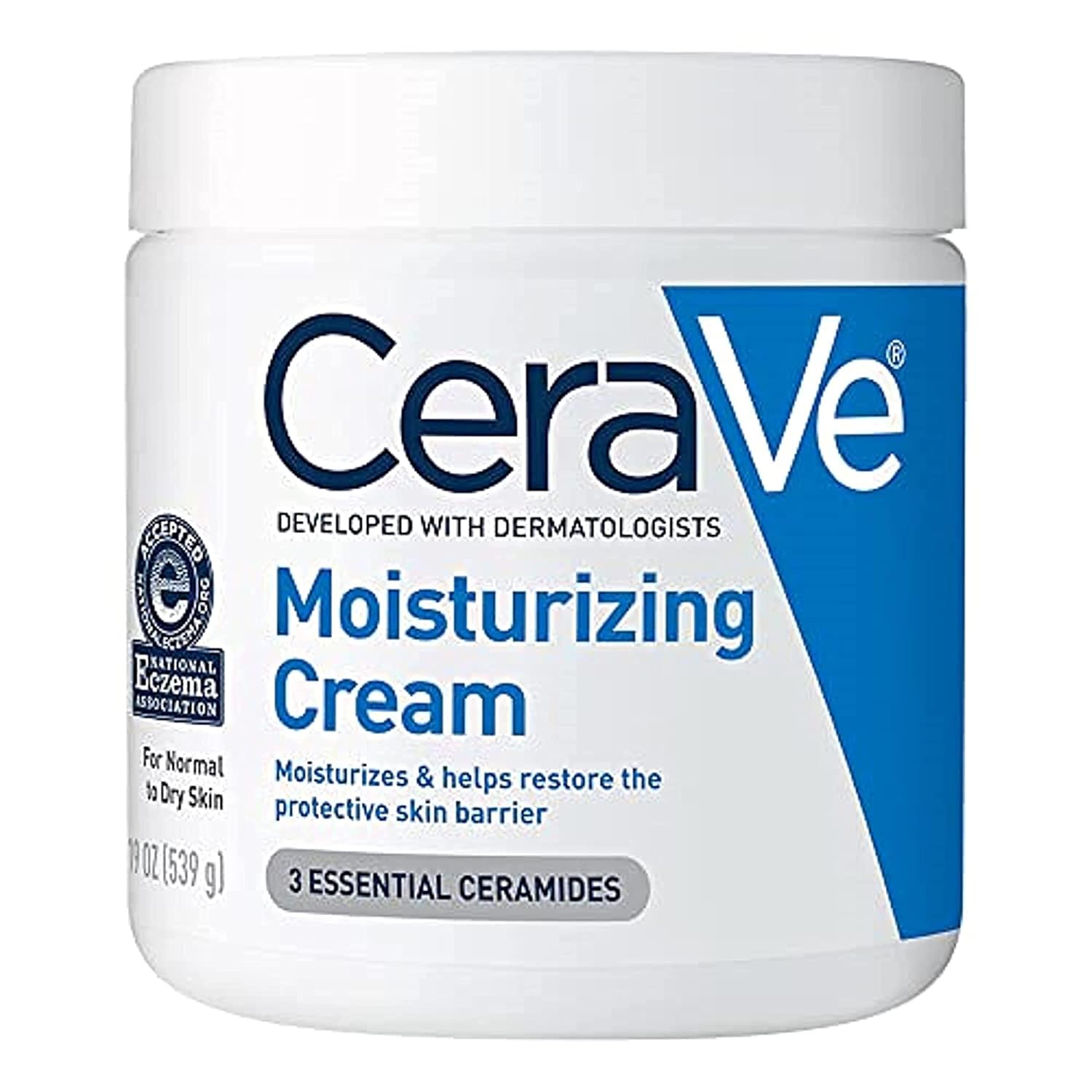
Face Skin Care Products
Compare face skin care products by purpose, formula, ingredients, and skin type. Use the catalog to evaluate cleansers, moisturizers, treatments, masks, and more before checking current product details.
12,356 products in catalog
12,356 results
Filters



Galderma Laboratories, Inc
Differin Acne Treatment Gel, 30 Day Supply, Retinoid Treatment for Face with 0.1% Adapalene, Gentle Skin Care for Acne Prone Sensitive Skin, 15g Pump (Packaging May Vary)
See current price


PanOxyl
PanOxyl Acne Foaming Wash Benzoyl Peroxide 10% Maximum Strength Antimicrobial, 5.5 Oz
See current price


Popular brands in Face
Face skin care covers a wide range of products designed for cleansing, moisturizing, treating, protecting, or simplifying a daily routine. The right choice depends on your skin’s needs, the products already in your routine, and how much time you want to spend applying them.
When comparing options, start with the product’s intended use and formula. Ingredient lists, texture, packaging, size, application instructions, and compatibility with your skin type can all affect whether a product fits your routine. For a broader view of the category, browse Skin Care and compare face products with other personal care options.
How to choose face skin care
A simple routine often includes a cleanser, a moisturizer, and daytime sun protection. Additional products—such as serums, exfoliants, masks, and targeted treatments—can be added according to specific concerns or preferences. Introducing products gradually can make it easier to identify how your skin responds.
Consider these factors before choosing:
- Skin type: Look for formulas described for dry, oily, combination, normal, sensitive, or acne-prone skin when those designations match your needs.
- Primary goal: Decide whether you want to cleanse, hydrate, smooth the feel of skin, reduce the appearance of dryness, remove makeup, or address another concern.
- Texture: Gels, foams, creams, lotions, balms, oils, and lightweight fluids feel different during application and may suit different routines.
- Ingredient preferences: Compare active ingredients, fragrance, essential oils, alcohol, exfoliating ingredients, and other components you may prefer to include or avoid.
- Routine compatibility: Check whether the product is intended for morning use, evening use, occasional use, or use with other products.
- Packaging: Pumps, tubes, jars, droppers, wipes, and single-use formats offer different levels of convenience and exposure to air or contact during use.
Common types of face products
Cleansers and makeup removers
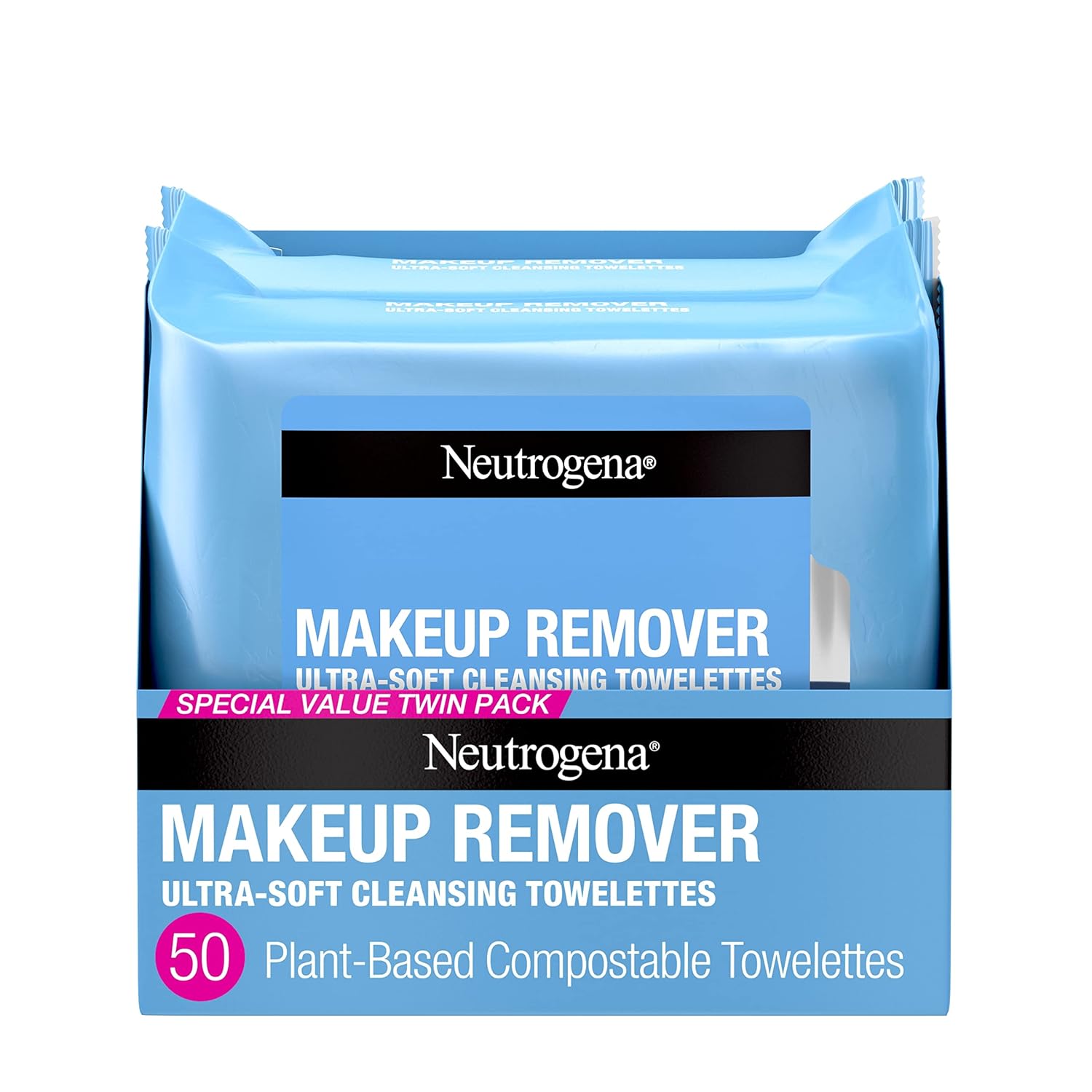
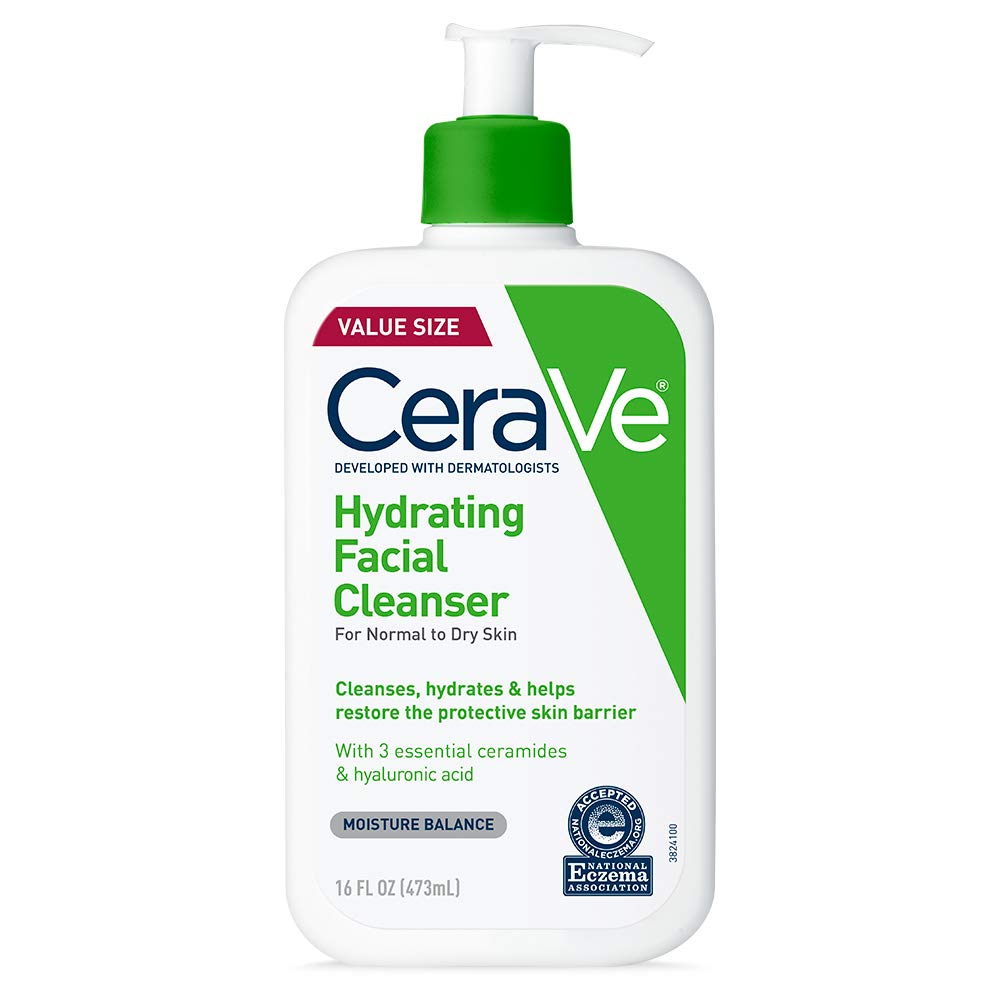
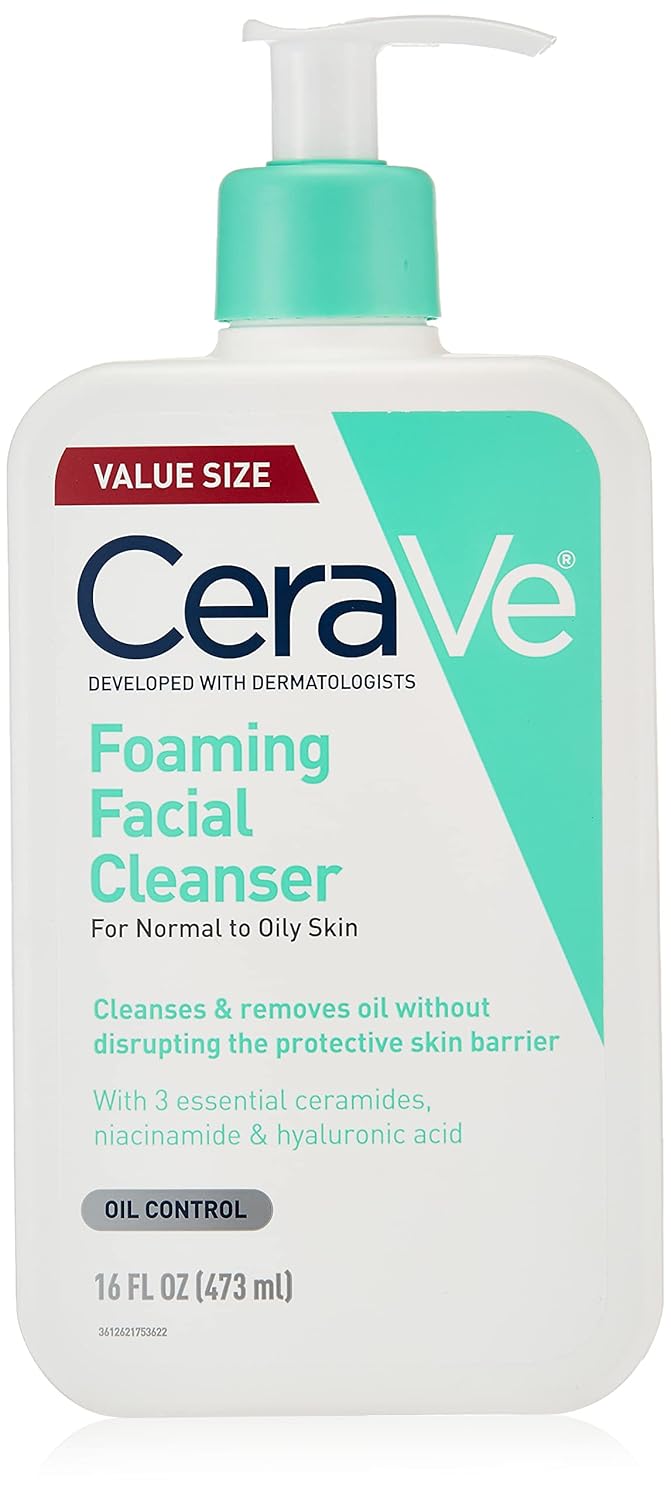
Cleansers help remove surface residue, excess oil, makeup, and other buildup. Foaming cleansers may appeal to shoppers who prefer a fresh-feeling finish, while cream, balm, oil, and micellar formats can suit those seeking a different cleansing experience. Compare whether a cleanser is intended for the whole face, eye makeup, or a particular skin type.
Moisturizers and face creams
Moisturizers come in textures ranging from lightweight lotions and gels to richer creams and balms. Consider whether you want a product for daytime, nighttime, or both. A daytime moisturizer may be selected alongside a separate sunscreen, while a richer formula may be more suitable for an evening routine or areas prone to dryness.
Serums and targeted treatments
Serums and treatments are often chosen for a specific routine goal. Compare the featured ingredients, recommended frequency, application order, and whether the formula is intended for the entire face or selected areas. Stronger exfoliating or active formulas may require more careful use, especially when combined with other treatments.
Exfoliants and masks
Exfoliants may use physical particles, acids, enzymes, or other approaches to help remove surface buildup. Masks can be formulated as creams, clays, gels, sheets, or overnight treatments. Pay attention to directions and frequency, since occasional-use products are not necessarily intended for daily application.
Facial oils and specialty products
Facial oils, mists, toners, eye-area products, and multi-purpose formulas can fill specific roles in a routine. Their usefulness depends on your preferred texture, application steps, and compatibility with products you already use. If you are shopping for products intended specifically for the eye area, compare the separate Eyes category.
Ingredients and specifications to compare
The ingredient list is one of the most useful specifications to check, particularly if you have known sensitivities or prefer a certain type of formula. Product descriptions may identify ingredients associated with hydration, cleansing, exfoliation, soothing, or antioxidant support, but the full label provides a more complete picture.
Also compare:
- Fragrance and scent: Some formulas are scented, unscented, or fragrance-free. These terms may have different meanings, so check the stated ingredients and product details.
- Active ingredients: Note the named active ingredients and their stated concentration when that information is provided.
- SPF information: A face product with sun protection may be convenient for daytime use, but compare its stated protection details with your own needs. Dedicated options are available in Sunscreens & Tanning Products.
- Format and application: Determine whether the product is rinsed off, left on, applied with hands, or used with a cotton pad or other tool.
- Container and size: Packaging affects portability, dispensing, and storage. A compact tube may suit travel, while a pump can be convenient for regular use.
- Compatibility guidance: Look for warnings about avoiding the eye area, using the product on damp or dry skin, or combining it with other ingredients.
Brands represented in the catalog
The Face catalog includes products from Neutrogena, Olay, L'Oreal Paris, Clinique, Garnier, Dermalogica, Burt's Bees, Mary Kay, Simple, Auriviz, Pond's, and ELEMIS. These brands may offer different product types, textures, ingredient approaches, and packaging formats, so brand name alone is not a substitute for comparing the specifications of individual products.
When comparing products from the same brand, check whether they serve different purposes or are designed for different skin types. A cleanser, moisturizer, treatment, and mask from one brand may still have distinct ingredients and usage instructions. Use the product details to determine which option best fits your routine rather than assuming that every item in a line is interchangeable.
Building a practical routine
A routine does not need to contain many products to be useful. Start with the steps you are most likely to follow consistently, then consider whether an additional product addresses a clear need. Apply products according to their directions, and avoid adding several unfamiliar active formulas at the same time if you want to identify which product is affecting your skin.
Patch testing can be a sensible precaution for a new product, particularly when you are concerned about sensitivity. Stop using a product if it causes discomfort or an unexpected reaction, and seek professional advice for persistent or serious skin concerns. Keep containers closed, follow storage instructions, and check any stated usage period after opening.
For related shopping, compare Body products for areas beyond the face, Lip Care for lip-specific formulas, and Sets & Kits when you prefer grouped products. Shoppers with a pregnancy-related use case can also review Maternity for products organized around that need.
Frequently asked questions
What products are commonly used in a face care routine?
A basic routine commonly includes a cleanser, moisturizer, and daytime sun protection. Serums, exfoliants, masks, and targeted treatments are optional additions based on individual preferences and goals.
How do I choose face products for sensitive skin?
Compare products labeled for sensitive skin and review the full ingredient list for fragrance, essential oils, exfoliating ingredients, and other components you may wish to avoid. Introduce new products one at a time and consider patch testing.
Should I choose a cream, lotion, or gel moisturizer?
Texture is largely a matter of preference and skin needs. Gels and lighter lotions may feel more comfortable for shoppers who dislike heavier textures, while creams and balms may appeal to those seeking a richer feel.
How often should I use an exfoliant or face mask?
Follow the specific product directions rather than assuming all exfoliants or masks have the same schedule. Consider the rest of your routine and avoid combining multiple potentially irritating products without checking compatibility.
Can I use face products around my eyes?
Not every face product is intended for the eye area. Check the product instructions and avoid applying formulas near the eyes unless the packaging specifically indicates that use is appropriate.
Where can I compare face products with sun protection?
Review the product’s stated sun protection information, application instructions, and formula details. You can also browse the Sunscreens & Tanning Products category for dedicated options.