

Soups, Stews & Chili
Compare soups, stews, and chili by flavor, ingredients, texture, serving size, and preparation needs. This category helps shoppers browse convenient prepared-food options for quick meals or sides.
91 products in catalog
91 results
Filters




Popular brands in Soups, Stews & Chili
Soups, stews, and chili can make a convenient meal, a filling side, or a starting point for a larger recipe. The right choice depends on how you plan to serve it, the texture and flavor you prefer, and any dietary or ingredient requirements in your household.
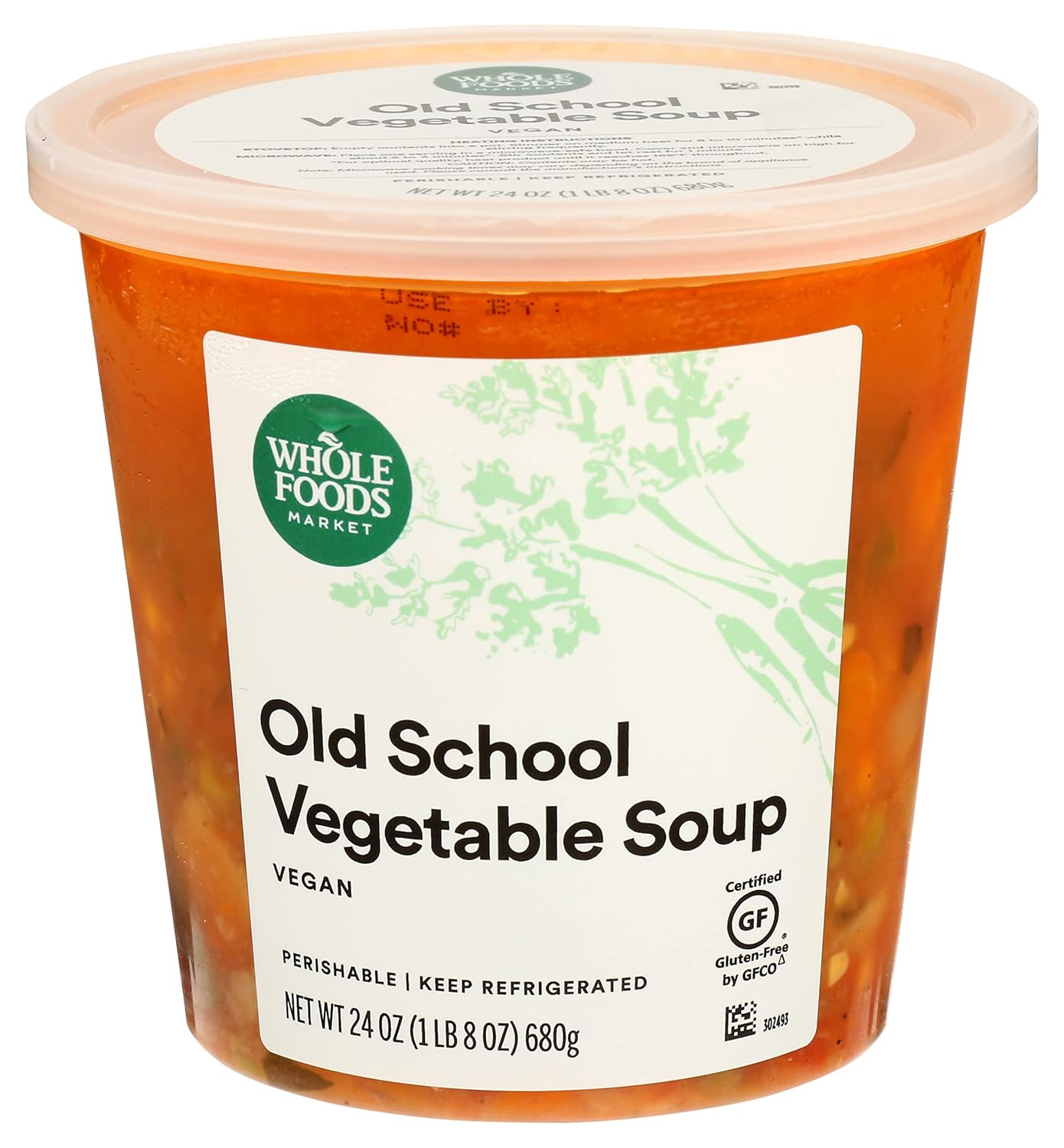
K-Catalog brings together prepared options from brands represented in the catalog, including Whole Foods Market, Kettle Cuisine, Imagine Foods, Streits, Clara's Kitchen, and Amazon Kitchen. Compare the listed specifications and features, then check the product page for the details that matter most to your purchase.
How to choose soup, stew, or chili
Start by deciding whether you want a light starter, a complete meal, or a versatile ingredient for cooking. Soup is often the broadest category, ranging from smooth broths and creamy recipes to chunky combinations of vegetables, grains, meat, or pasta. Stew generally has a thicker consistency and more substantial pieces, while chili is commonly built around beans, vegetables, and a seasoned tomato or meat base.
Consider the occasion as well. A shelf-stable or ready-to-heat option may suit a quick lunch, while a refrigerated prepared product may be more appropriate when you plan to serve it soon. If the product is intended as a side, compare it with the rest of the meal so the flavors and portion work together.
Types and flavor profiles to compare
Product names and descriptions can help distinguish the main styles available in this category:
- Broth-based soups: Lighter soups with a liquid base, often paired with vegetables, noodles, grains, or meat.
- Creamy soups: Smooth or blended recipes with a richer texture. Check the ingredient list if dairy or a particular thickener matters.
- Chunky soups and stews: More substantial choices with visible ingredients and a heartier consistency.
- Chili: Options may vary by the use of meat, beans, vegetables, spice level, and base ingredients.
- Vegetarian or plant-based recipes: Useful for shoppers avoiding meat, though the full ingredient and allergen information should be checked for each product.
When comparing similar products, look beyond the flavor name. Two tomato soups or bean chilis can differ substantially in texture, seasoning, ingredients, and preparation instructions.
Key features and specifications
Read the product details carefully before choosing. Important points to compare include:
- Ingredients: Look for the primary protein, vegetables, grains, beans, dairy ingredients, and cooking fats. Check for ingredients you avoid or prefer.
- Allergen information: Review the label for milk, wheat, soy, eggs, tree nuts, peanuts, fish, shellfish, or other relevant allergens. Manufacturing statements may also be important.
- Dietary fit: Terms such as vegetarian, vegan, gluten-free, kosher, or organic should be confirmed in the product information rather than assumed from the name.
- Texture: Decide whether you prefer a smooth puree, thin broth, chunky soup, or thick stew. Texture can be especially important when serving children or using the product in a recipe.
- Preparation: Compare whether the item is ready to heat, requires stovetop preparation, or has other handling instructions. Follow the package directions.
- Storage: Check whether the product is shelf-stable, refrigerated, or frozen, along with storage instructions after opening.
- Serving information: Review the stated serving details when planning a meal, side dish, or recipe ingredient.
Brands represented in the catalog
The catalog includes products associated with Whole Foods Market, Kettle Cuisine, Amazon, CONAGRA FOODS INC, Imagine Foods, Streits, Clara's Kitchen, Amazon Kitchen, Royal Asia, Tyson Foods, Inc., and Schwans. Brand availability can vary as the catalog changes, so compare the specifications of individual products rather than choosing by brand name alone.
For a broader prepared-food search, you can also browse Deli & Prepared Foods. Related choices such as Entrees, Deli Salads, and Sandwiches & Wraps may help you plan a complete meal. Dips, Salsas & Spreads can provide additional sides or toppings.
Serving, storage, and meal-planning tips
Match the product to the equipment and time available. Some soups and stews are intended for stovetop heating, while others may be suitable for microwave preparation. Use the package instructions for heating, stirring, and safe handling, especially for thicker products that may warm unevenly.
Think about add-ons before ordering. Bread, crackers, rice, pasta, shredded cheese, fresh herbs, or a side salad can change the character of a simple bowl. If you are using soup, stew, or chili as a recipe component, compare its seasoning and thickness with the other ingredients so the finished dish does not become too salty, thin, or spicy.
Frequently asked questions
What is the difference between soup, stew, and chili?
Soup usually has a more liquid base, stew tends to be thicker with larger pieces, and chili is generally a seasoned dish built around ingredients such as beans, vegetables, and sometimes meat. Product styles vary, so read the description.
How can I choose a soup for a quick meal?
Compare preparation instructions, storage requirements, texture, serving information, and ingredients. A ready-to-heat option may be convenient, while a concentrated product may require added liquid or preparation.
Should I check allergens even if I know the flavor?
Yes. Similar flavors can use different ingredients, and recipes may contain common allergens or manufacturing statements. Review the product’s current label and listing details before purchasing.
How do I choose between refrigerated, frozen, and shelf-stable products?
Consider when you plan to serve the item, available storage space, and the product’s handling instructions. Check the listing for storage requirements and use-by guidance.
Can soup, stew, or chili be used in recipes?
Often, these products can serve as a base, sauce, filling, or side, depending on their consistency and seasoning. Compare ingredients and preparation details before incorporating one into another dish.