

Stacking Blocks for Creative Building and Play
Compare stacking blocks by materials, dimensions, shapes, and play features. This guide explains what to look for when choosing blocks for toddlers, children, classrooms, or family play.
99 products in catalog
99 results
Filters

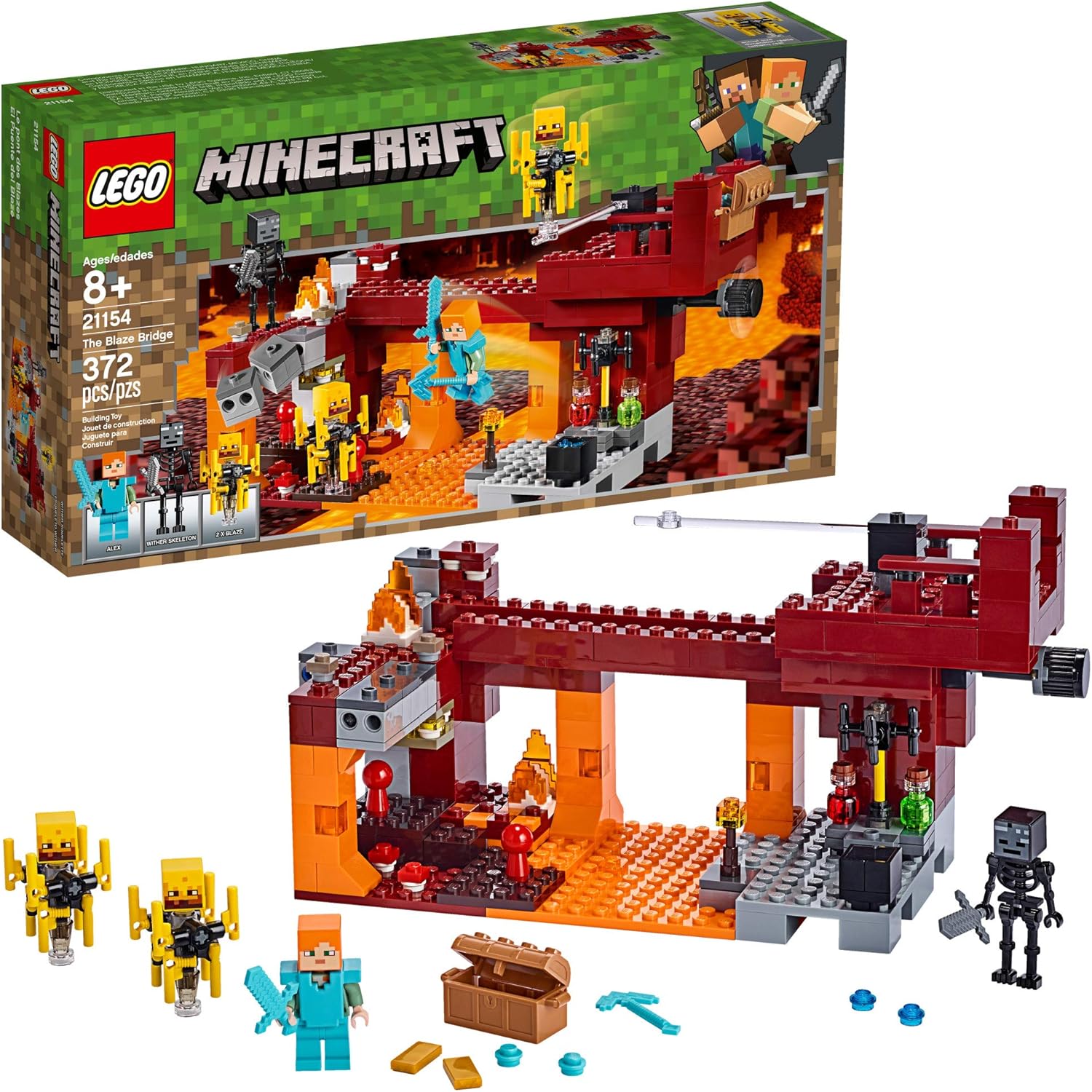
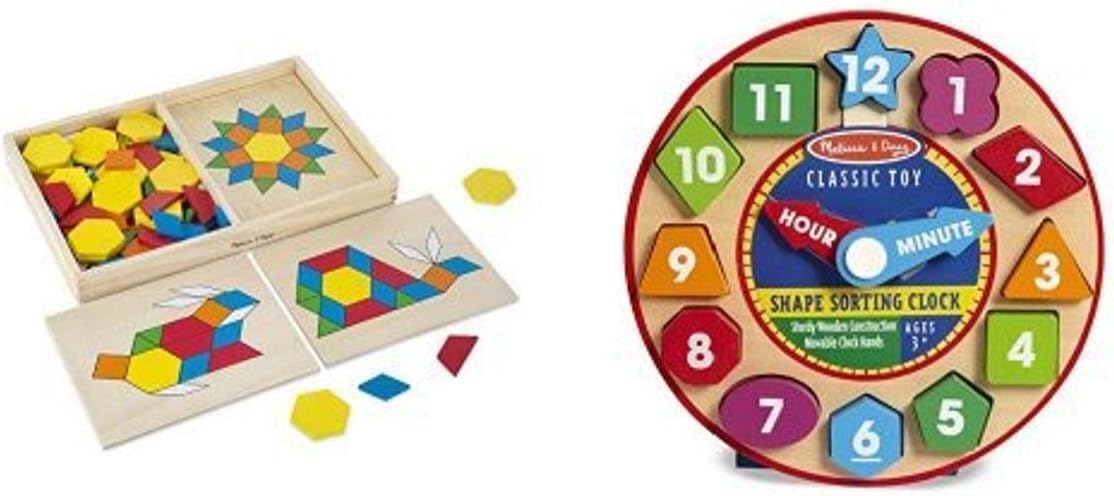


Popular brands in Stacking Blocks
Stacking blocks offer a simple way to build towers, arrange patterns, and explore balance through hands-on play. Sets can vary considerably in material, size, shape, decoration, and intended age range, so comparing specifications is useful before choosing one.
As part of the broader Building Toys category, stacking blocks may suit open-ended play, early construction activities, themed playrooms, or classroom use. The right set depends on who will use it, where it will be stored, and how much variety you want from each piece.
How to choose stacking blocks
Start with the child’s age and ability. Younger children generally need larger pieces that are easy to grasp and difficult to swallow, while older children may enjoy smaller blocks, more complex shapes, or sets that encourage structured challenges. Always check the manufacturer’s recommended age range and safety guidance.
Consider the intended play style as well. A basic set may be ideal for free building and repeated stacking, while blocks with numbers, letters, colors, or pictures can support guided activities. If the blocks are intended for group use, look for a format that is easy to sort and durable enough for regular handling.
Common types of stacking blocks
Although this category does not have separate catalog subcategories, stacking blocks come in several common formats:
- Wooden blocks: Often selected for a traditional feel and firm construction. Check the wood type, surface finish, edge treatment, and whether the pieces are painted or printed.
- Plastic blocks: Usually easy to wipe clean and available in bright colors or varied shapes. Compare the plastic type, piece size, and whether the design is suitable for indoor or outdoor use.
- Foam blocks: Lightweight and useful where softer pieces are preferred. Look for the foam material, covering, cleaning instructions, and resistance to tearing.
- Nesting or graduated blocks: Designed to fit inside one another or increase in size, making them convenient for stacking and storage. Compare the progression of sizes and how securely the pieces nest.
- Themed or educational blocks: May feature letters, numbers, animals, colors, or scenes. These can add sorting and recognition activities to ordinary tower building.
For more structured construction with connected pieces and a wider range of designs, browse Building Sets. If the play area includes character-based activities, Figures may complement a block setup.
Features and specifications to compare
Pay attention to the details that affect everyday use:
- Piece dimensions: Larger blocks are easier for small hands to hold, while compact pieces may offer more building options for older children. Check individual dimensions rather than judging size from product images.
- Set contents: Compare the number of pieces, shapes, colors, and whether every block is the same size or part of a graduated collection.
- Materials and finish: Look for smooth surfaces, rounded or softened edges, non-toxic finishes where stated, and construction appropriate for the recommended age.
- Weight and stability: Lightweight blocks are easier to move but may topple more readily. Heavier pieces can create steadier towers, though they may require closer supervision with younger children.
- Cleaning and care: Plastic may be simple to wipe, while wood and foam can have more specific cleaning restrictions. Follow the supplied care instructions.
- Storage: A container, bag, or stackable design can help keep pieces together between play sessions. See Storage & Accessories for related organization options.
Brands represented in the catalog
The catalog includes stacking block options from Lego, Mattel, ECR4Kids, Melissa & Doug, Morwant, Amazon Basics, RubRab, Hatchimals, DBHstore, GTL Industries, MOOMU, and Joyhub. These brands may differ in materials, themes, piece formats, and intended users, so compare the specifications of individual products rather than relying on the brand name alone.
Safety and playroom tips
Inspect blocks before use and remove any piece that is cracked, splintered, peeling, or otherwise damaged. For children who still mouth toys, choose pieces that meet the relevant age guidance and avoid small blocks or detachable parts unless the product is specifically designed for that stage.
Use stacking blocks on a stable, uncluttered surface. A low floor mat or play table can make building more comfortable, while a clear storage routine helps prevent missing pieces. Keep wooden blocks dry, avoid harsh cleaners unless permitted, and follow the manufacturer’s instructions for foam or printed surfaces.
Frequently asked questions
What age are stacking blocks suitable for?
Suitability varies by piece size, materials, and design. Check the manufacturer’s recommended age range, especially when a set contains small pieces or detachable parts.
Are wooden or plastic stacking blocks better?
Neither is universally better. Wood may appeal to shoppers seeking a traditional solid feel, while plastic can be convenient to clean and may offer more varied colors or shapes. Compare the full specifications and care requirements.
What block size is safest for young children?
Larger pieces are generally easier to grasp and less likely to present a small-part hazard, but the product’s age guidance should always take priority. Do not rely on appearance alone.
How many stacking blocks should a set include?
The right quantity depends on the available space and the type of play. A smaller set may suit travel or limited storage, while a larger assortment can support taller towers and group activities.
Can stacking blocks be used for learning activities?
Yes. Depending on their design, blocks can support sorting, color recognition, counting, sequencing, balance, and simple pattern activities alongside open-ended building.