

Stationery for Notes, Cards, Journaling, and More
Explore stationery for writing, planning, correspondence, journaling, and everyday organization. Compare formats, materials, dimensions, and useful features before visiting Amazon to check current product details.
111 products in catalog
111 results
Filters


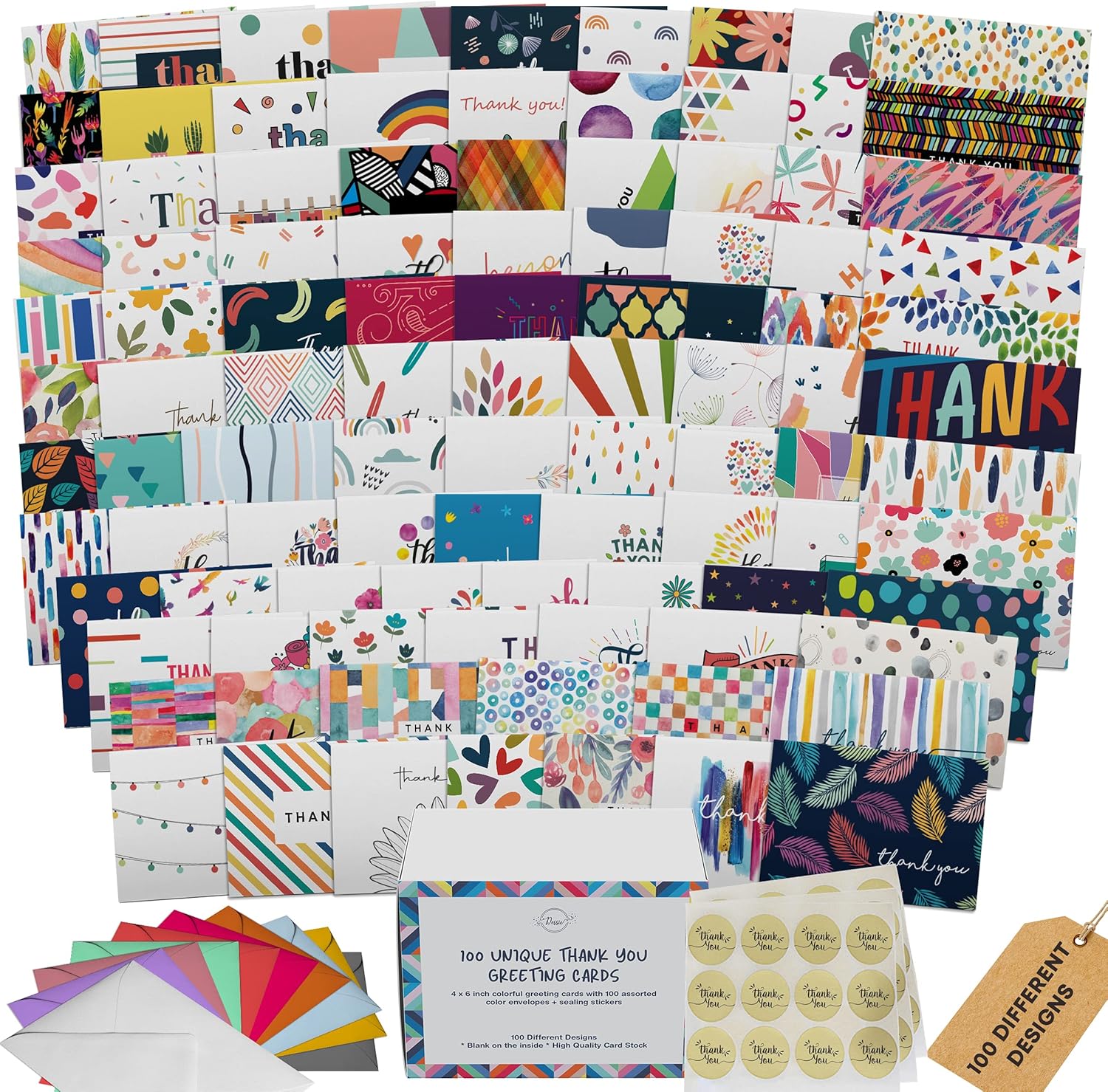
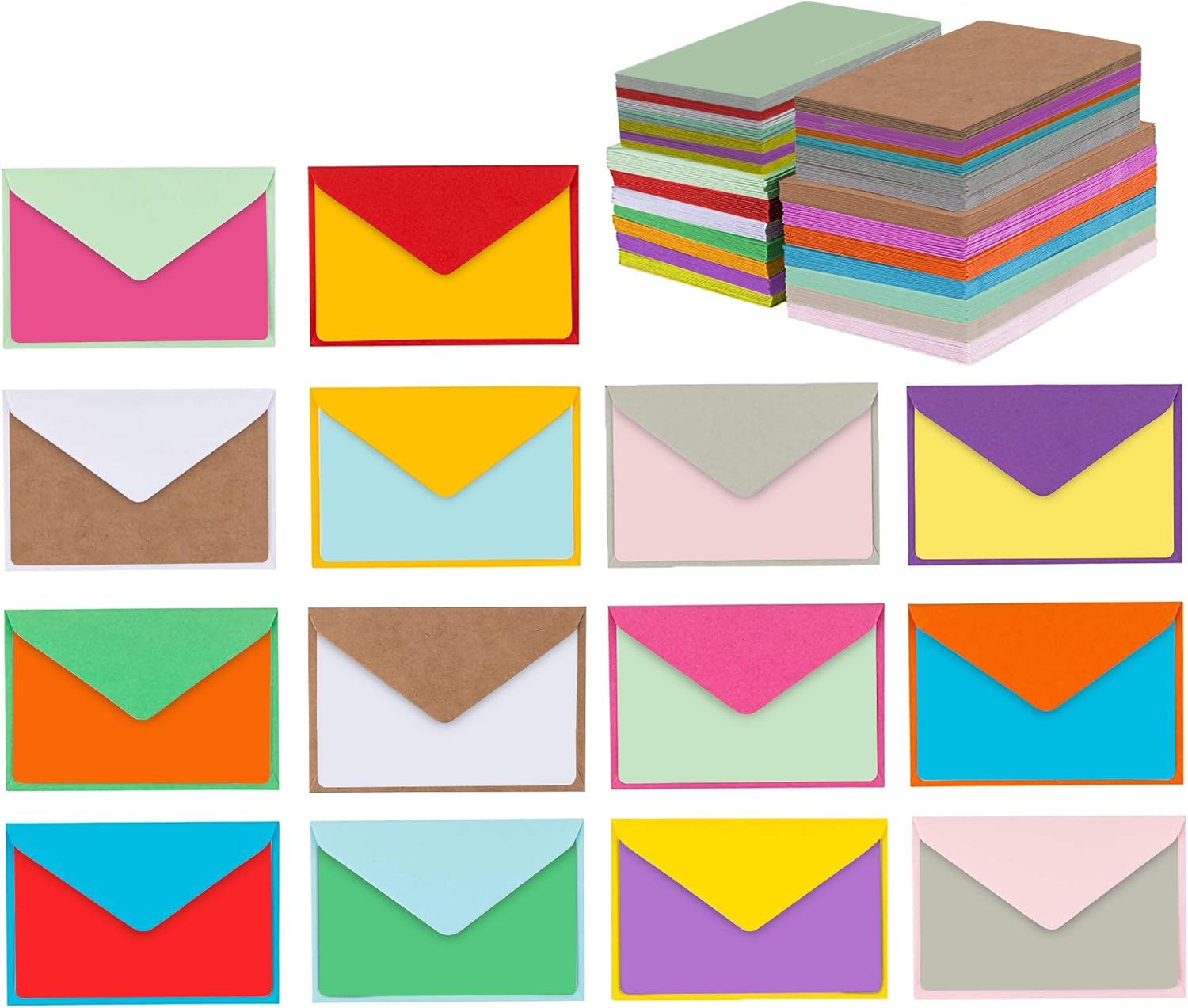

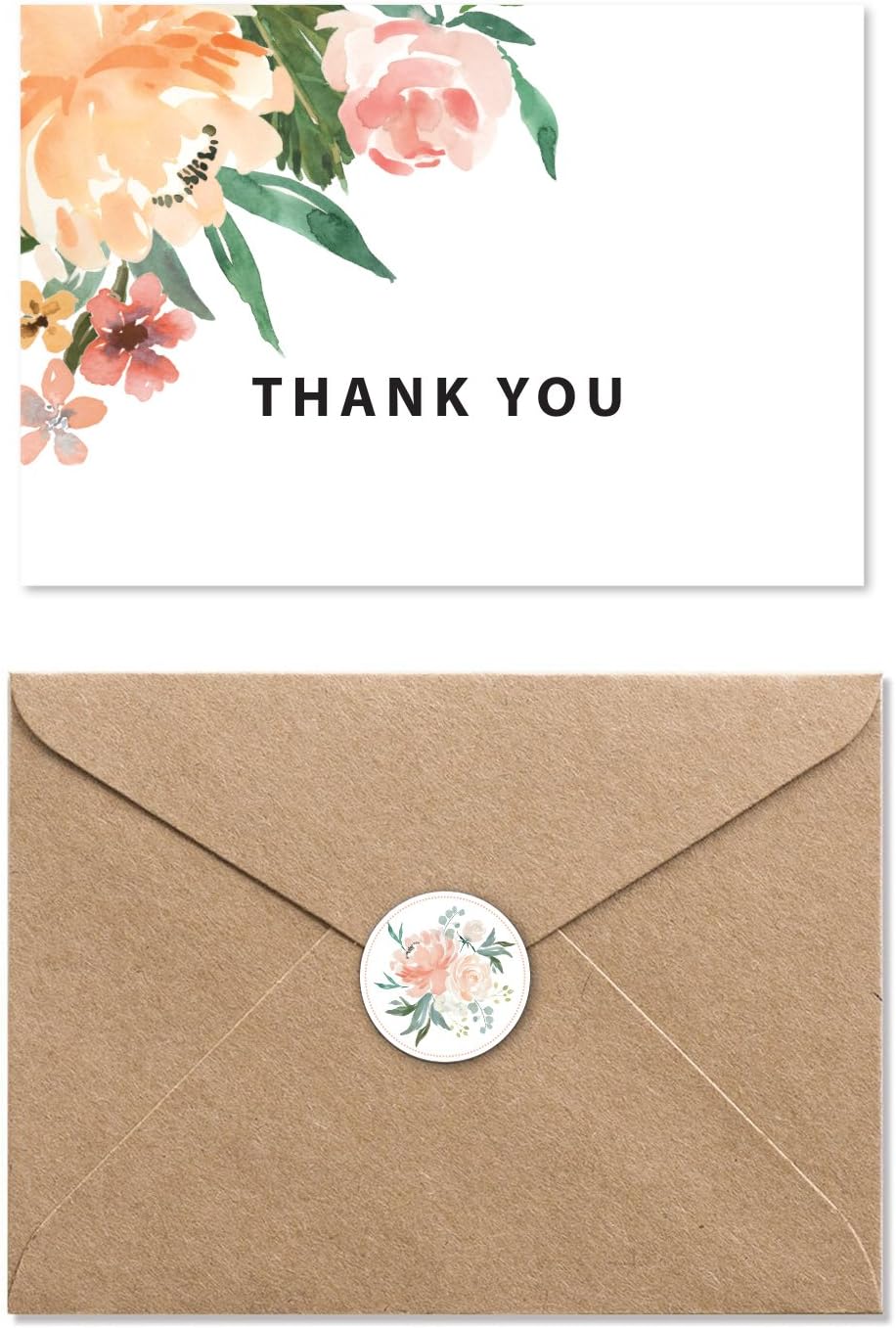

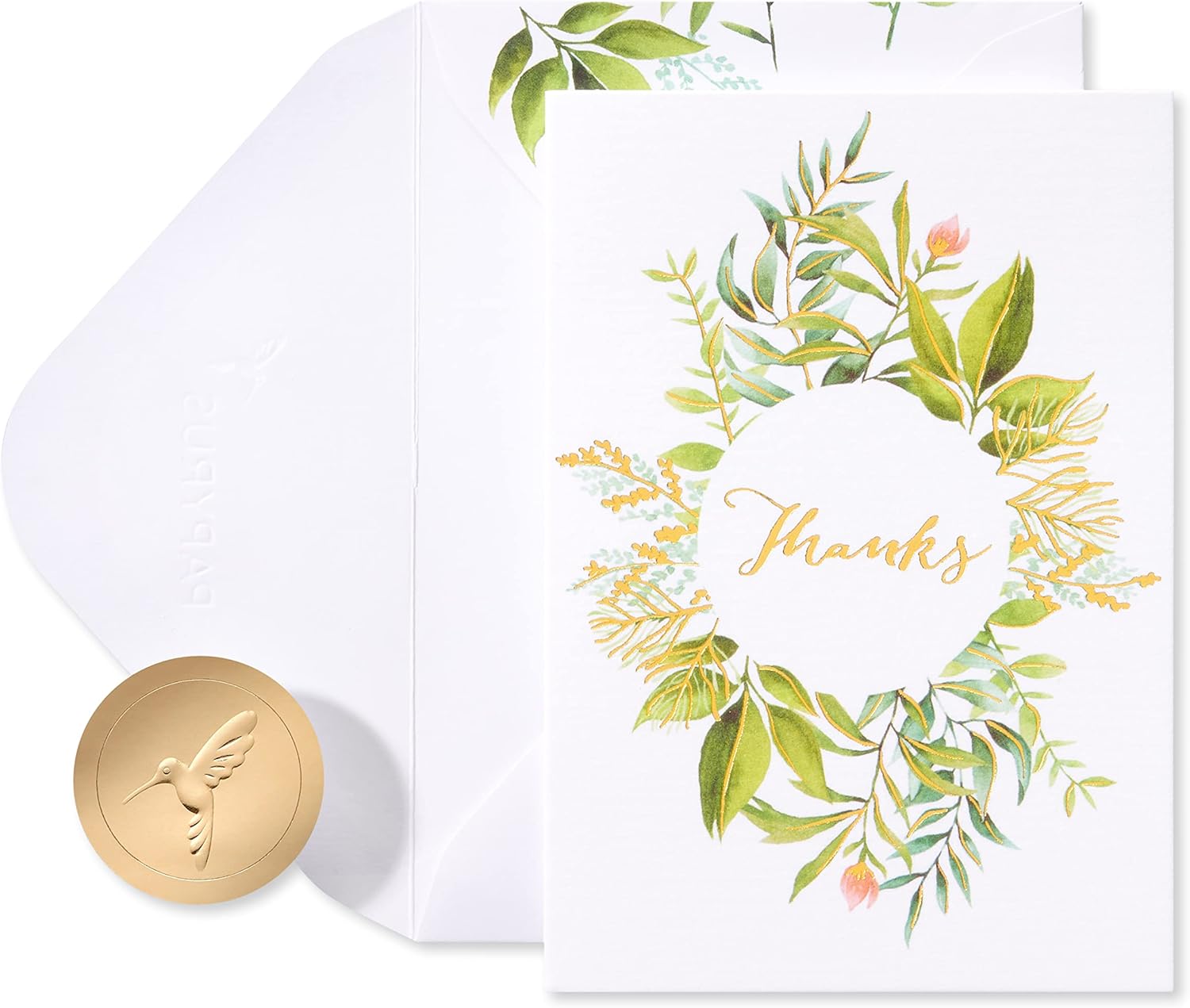

Mindful Messages
Mindful Messages Social Skills Positive Affirmations Meditation Self Care Cards
See current price



Purple Q Crafts
140 Mini Envelopes With White Blank Note Cards, Mini Envelopes 4"x 2.7" For Business Cards, Gift Cards (Gold)
See current price


Paper Frenzy
Paper Frenzy Christmas Greenery Thank You Note Cards and Envelopes - 25 pack
See current price

Popular brands in Stationery
Stationery covers a wide range of paper goods and writing essentials, from greeting cards and correspondence sets to notebooks, journals, planners, and desk accessories. The right choice depends on how you plan to use it, the writing tools involved, and whether appearance, portability, organization, or presentation matters most.
Use this catalog to compare product specifications and features across stationery styles. For a broader selection of related paper and presentation products, browse Stationery & Gift Wrapping Supplies or explore Gift Wrapping Supplies.
How to choose stationery
Start with the task the stationery needs to support. A compact notepad may suit quick lists, while a bound notebook or journal is more appropriate for longer-term notes. Cards and correspondence sets call for different considerations, including design, envelope compatibility, and space for a personal message.
Consider where the stationery will be used:
- Home and desk use: Larger pads, writing sets, and organized formats can stay in one place for regular access.
- School or office use: Look for portable sizes, durable covers, and layouts that make notes easy to scan later.
- Planning and journaling: Page structure, binding, and writing space are especially important for repeated use.
- Gifting or correspondence: Paper finish, artwork, envelope inclusion, and overall presentation may matter more than portability.
Common stationery formats
Stationery is often organized by its format and purpose rather than by one universal product type. Common options include:
- Notebooks and notepads: Useful for lists, meeting notes, reminders, and general writing. Compare binding, page count, ruling, and whether pages can be removed or rearranged.
- Journals and planners: Designed for personal writing, habit tracking, scheduling, or structured reflection. Check the page layout and whether the format matches your planning style.
- Cards and correspondence stationery: Suitable for thank-you notes, greetings, invitations, and personal messages. Review the card dimensions, envelope details, and design style.
- Writing sets: Sets can coordinate paper and envelopes for a more consistent presentation. Confirm what is included and whether the paper is suitable for your preferred pen.
- Desk and organizational paper goods: Sticky notes, labels, memo sheets, and related supplies can help separate tasks or identify items quickly.
Specifications and features to compare
Paper quality is a key consideration, but it should be evaluated alongside the intended writing instrument. Smooth paper may work well for fine-point pens, while a more substantial sheet can provide a sturdier feel for correspondence. If using markers, fountain pens, or gel pens, check the product description for guidance on paper suitability and potential show-through.
Also compare:
- Dimensions and orientation: Make sure the stationery fits your bag, desk, filing system, or envelopes.
- Page layout: Choose among ruled, blank, grid, checklist, dated, or other structured formats according to how you write.
- Binding and access: Spiral, stitched, glued, and hardcover constructions offer different combinations of flexibility, durability, and ease of use.
- Cover and finish: A flexible cover can be easier to carry, while a rigid cover may offer more protection in a packed bag.
- Included pieces: For sets, verify whether envelopes, labels, stickers, inserts, or other accessories are part of the package.
- Design and readability: Decorative artwork should complement the purpose without reducing usable writing space.
Brands in the catalog
The Stationery catalog includes products from The Best Card Company, Sweetzer & Orange, Papyrus, Graphique, Better Office Products, Knock Knock, Dessie, Nora's Nursery, My Scratch Offs, Jot & Mark, Canopy Street, and Paper Frenzy. These brands cover a range of stationery styles, from decorative correspondence and cards to practical paper goods and gift-oriented designs. Compare each product on its own specifications, materials, format, and included components rather than choosing by brand name alone.
Practical stationery tips
Match the product to your storage and usage habits. A frequently carried notebook benefits from a size and cover that fit comfortably in your bag, while a desk-based writing pad can prioritize page area. For cards and writing sets, check envelope dimensions before selecting separate envelopes or storage.
Keep paper products away from moisture, heat, and heavy pressure to help preserve their shape and finish. Store loose cards, envelopes, and specialty paper flat when possible. If stationery is intended for a particular printer, organizer, binder, or mailing format, verify compatibility before ordering.
Frequently asked questions
What stationery is useful for everyday notes?
Notebooks, memo pads, sticky notes, and lined writing pads are common choices. Select based on portability, page layout, binding, and how much writing space is needed.
What should I check when choosing stationery for correspondence?
Review the card or paper size, envelope compatibility, surface finish, design, and amount of usable space for writing. Confirm whether envelopes are included.
Is all stationery suitable for every pen?
No. Paper surfaces can respond differently to ballpoint pens, gel pens, markers, and fountain pens. Check the product details and consider show-through or ink drying when relevant.
What is the difference between a notebook and a journal?
A notebook is generally an open-ended writing format, while a journal may include a more intentional layout or be designed for reflection, tracking, or regular entries. The distinction varies by product.
How can stationery be kept in good condition?
Store it in a dry place, protect it from bending and spills, and keep cards and loose sheets flat. Use a cover or case when carrying notebooks and journals.