

Action Figures for Play and Display
Compare action figures by character style, articulation, scale, accessories, and intended use. K-Catalog helps shoppers review product specifications before choosing figures for play, display, collecting, or gifting.
10,848 products in catalog
10,848 results
Filters

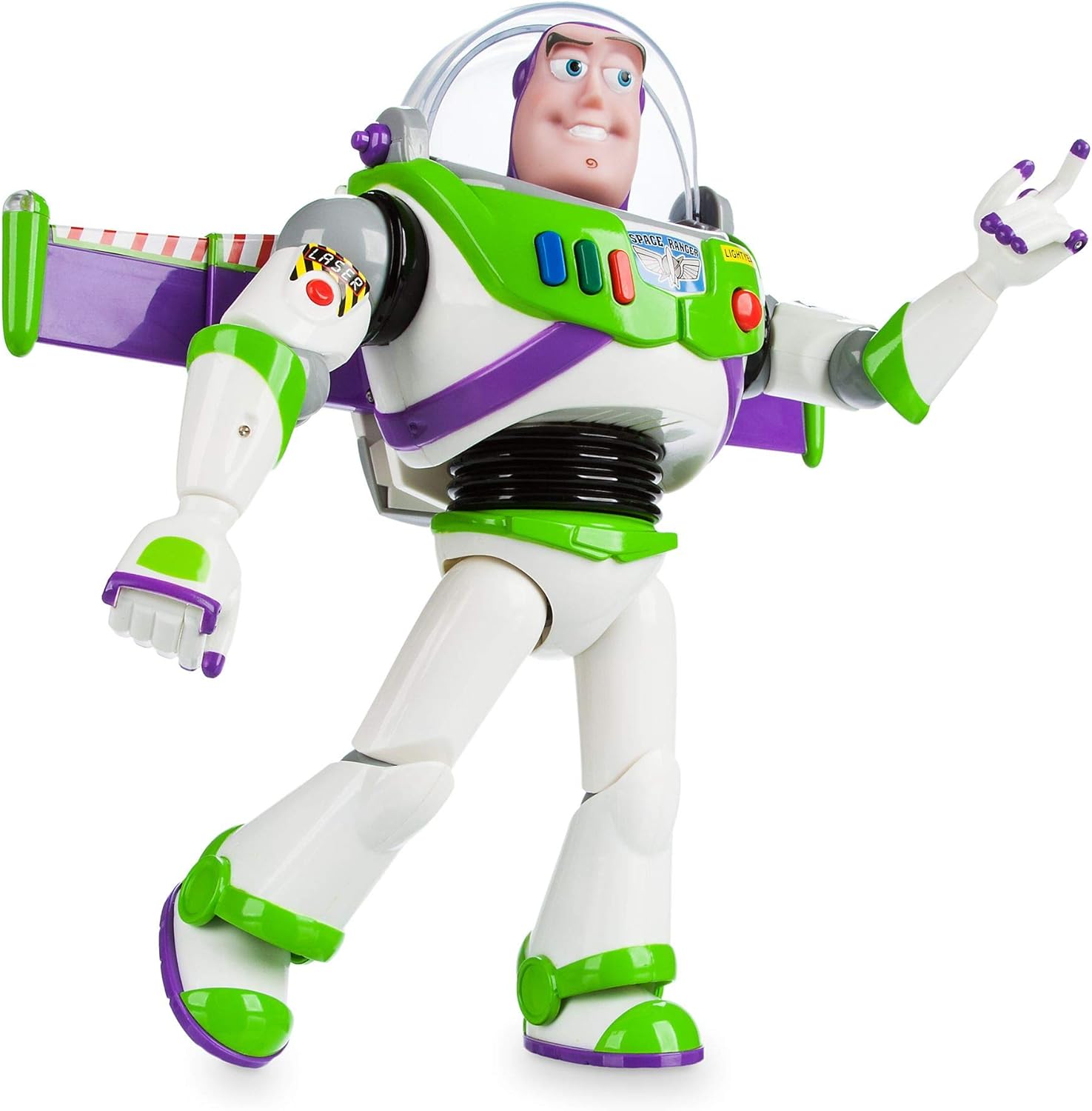


Funko
Funko Pop! Marvel: Avengers Endgame - Captain America with Broken Shield & Mjoinir
See current price


Moose Toys
Heroes of Goo Jit Zu Dino X-Ray Fossil Faceoff Versus Pack - Thrash vs Verapz
See current price

Spin Master
DC Comics Batman 12-inch Rebirth Action Figure, Kids Toys for Boys Aged 3 and up
See current price

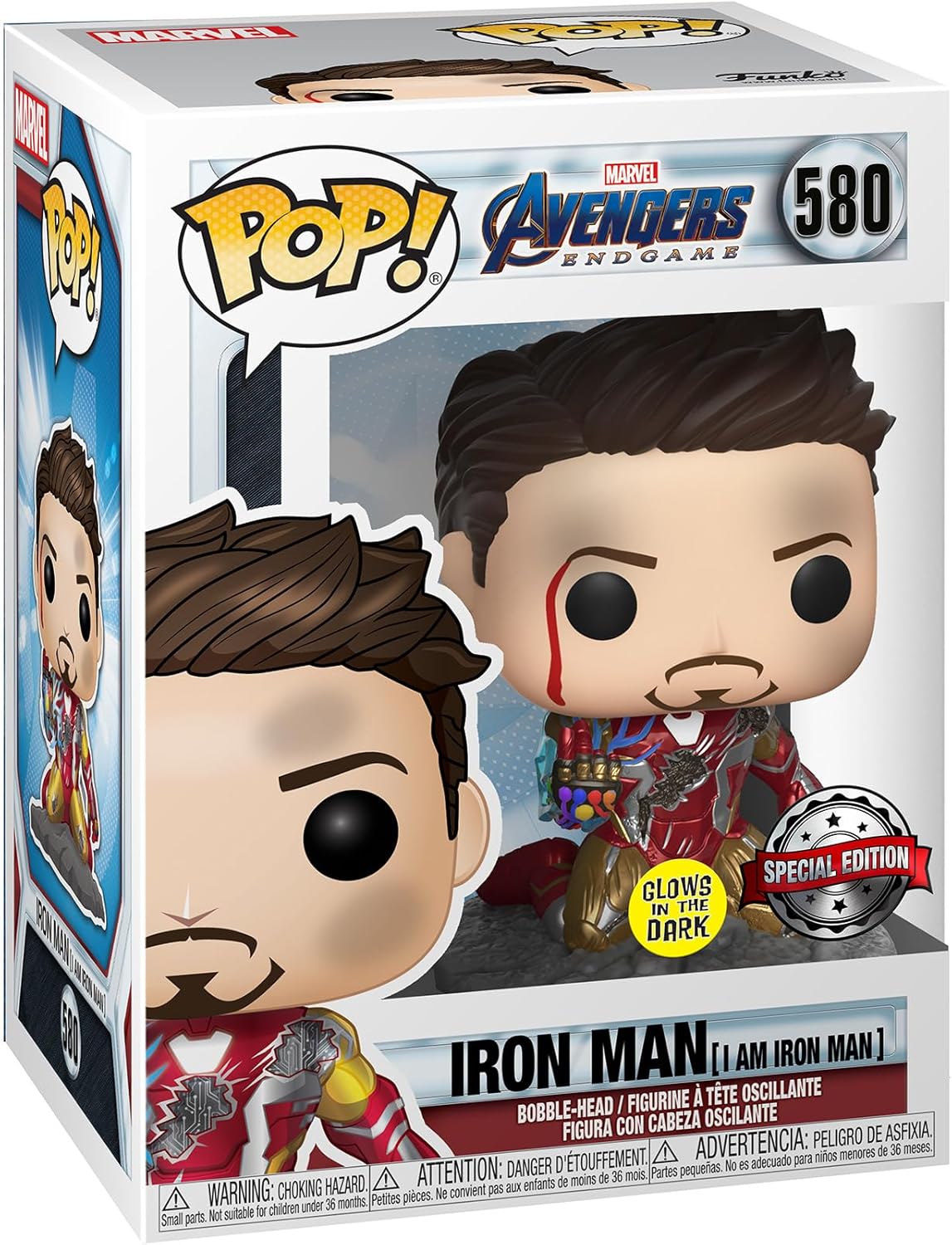


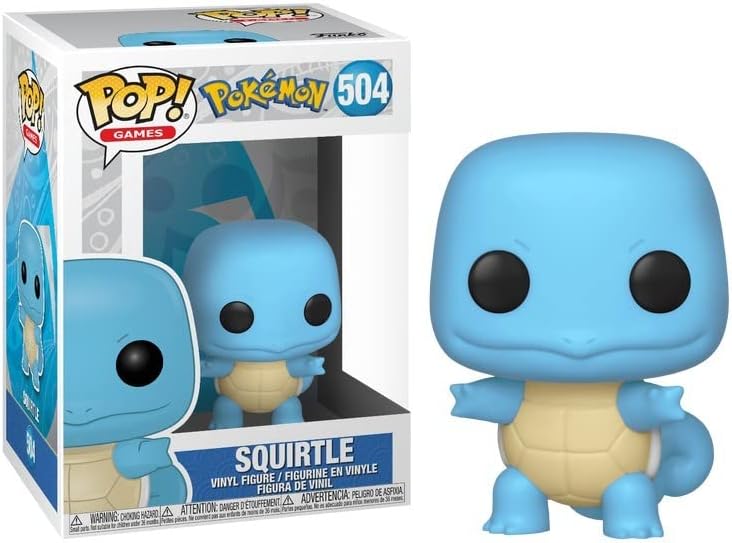

Spin Master
DC Comics Batman 12-inch Bat-Tech Batman Action Figure (Black/Blue Suit), Kids Toys for Boys Aged 3 and up
See current price

Bandai
ANIME HEROES - Saint Seiya: Knights of The Zodiac - Aries Mu Action Figure (36927)
See current price


Popular brands in Action Figures
Action figures can be simple toys for imaginative play, detailed collectibles for display, or versatile figures that suit both. This category brings together a broad selection of character figures from familiar toy and entertainment brands, making it easier to compare construction, movement, accessories, and presentation.
Start by deciding how the figure will be used. A child who wants to act out adventures may benefit from durable materials, easy-to-move joints, and accessories that support open-ended play. A collector may give more weight to sculpt detail, paint application, character accuracy, packaging, and display presence. For a gift, age guidance, theme, and included accessories can be just as important as the character itself.
How to choose an action figure
Before comparing individual products, consider the person receiving the figure and the type of play or display it needs to support.
- Play style: Look for figures designed for posing, storytelling, role-play, battles, team play, or imaginative scenes.
- Display style: Detailed sculpting, recognizable costumes, expressive faces, and a stable stance may matter more for a shelf or desk figure.
- Durability: Figures intended for frequent handling should have construction and joints suited to active play.
- Compatibility: Check whether the figure works with a particular playset, vehicle, creature collection, or accessory system.
- Age suitability: Review the manufacturer’s recommended age range and any small-parts warnings before buying.
- Character preference: A familiar hero, villain, creature, athlete, or fantasy character can make a figure more engaging as a gift.
It is also useful to check what comes in the package. Some figures are sold with interchangeable hands, equipment, weapons, clothing pieces, alternate faces, stands, creatures, or other character-specific accessories. Others focus on the figure itself and may be better suited to a simple play setup or a coordinated collection.
Types and related categories to explore
Action figures overlap with several nearby toy categories. Exploring related options can help when a particular character or play scenario calls for more than a standalone figure.
- Playsets can provide locations, backdrops, interactive elements, and accessories for storytelling. They are useful when the figure needs a setting rather than an open floor or shelf.
- Play Figure Vehicles add cars, aircraft, spacecraft, motorcycles, and other transportation-themed elements to action-oriented play. Check the intended figure size and compatibility before combining products.
- Animals may complement realistic or nature-themed figures, while Dinosaurs & Prehistoric Creatures suit adventure scenes, educational play themes, and creature collections.
- People offers figures based on human characters and everyday roles, which can expand pretend play beyond fictional adventures.
- Fantastic Creatures includes imaginative beings that pair naturally with fantasy heroes, villains, and story-driven collections.
These related categories are especially helpful for building a group of figures with a shared scale, setting, or theme. If the main goal is a single character for display, focus more closely on finish, pose, and presentation.
Key features and specifications to compare
Articulation and posing
Articulation describes how a figure moves. Common points include the neck, shoulders, elbows, wrists, waist, hips, knees, and ankles, though the exact arrangement varies. More articulation can support a wider range of poses, but it may also create a more complex figure that requires careful handling. Compare the joint design with the intended use rather than assuming that more movement is always better.
A figure for action scenes may benefit from balanced joints that hold poses during play. A display figure may need only enough movement to create a strong standing or action pose. Product descriptions may also identify swivel joints, ball joints, bending joints, or other mechanisms.
Scale and proportions
Scale affects how figures work together. A character figure may look out of place beside a vehicle, creature, or playset if their proportions differ significantly. Check the listed dimensions when available, and compare them with other items already in the collection. For a shelf display, overall height and footprint can affect how many figures fit in the intended space.
Materials and finish
Material information can help indicate how a figure is likely to feel and function. Plastic construction is common, while some products may include fabric clothing, rubberized parts, transparent elements, or other materials. Look for details about painted features, molded textures, printed designs, and surface finishes when appearance is important.
For children’s play, a simpler finish may be easier to maintain. For display, fine surface details and careful character styling may be higher priorities. Avoid assuming that a highly detailed figure is intended for rough play; always review the product description and age guidance.
Accessories and character sets
Accessories can extend play value and make a figure more recognizable. Compare the type and quantity of included pieces, whether they can be stored with the figure, and whether the figure can hold or wear them securely. Sets containing multiple figures may work well for group storytelling, while a single figure with several interchangeable parts can offer posing variety.
Also check whether accessories are removable and whether they include small pieces. This matters for storage, supervision, and compatibility with younger children.
Brands represented in the catalog
The Action Figures catalog includes products from Funko, Hasbro, Mattel, McFarlane Toys, BANPRESTO, Schleich, Bandai, Jazwares, Neca, POP, Spin Master, and Fisher-Price. These brands cover a range of character styles, from stylized collectibles and licensed entertainment figures to imaginative play figures and realistic creature designs.
Brand familiarity can help narrow a search, but the product-level specifications still deserve attention. Figures from the same brand may differ in size, articulation, accessory selection, intended age, packaging, and display style. Compare those details instead of relying on the brand name alone.
Tips for buying, storing, and displaying figures
Keep the figure’s intended environment in mind. Figures used in active play may need a storage bin or dedicated container for accessories. Display figures benefit from a stable, dust-resistant location away from direct sunlight, moisture, and areas where they can be knocked over.
For a multi-figure collection, group products by scale, theme, or story setting. This can make compatibility easier to judge and create a more cohesive display. If a figure includes delicate accessories or thin parts, store those separately when the figure is not being used.
When shopping for children, read the manufacturer’s age guidance and warnings, particularly when a package contains small accessories. For gifts, confirm the recipient’s preferred character or theme and consider whether they already own a compatible figure, vehicle, or playset.
Frequently asked questions
What makes an action figure different from a basic toy figure?
Action figures are generally character-focused and may include movable joints, themed accessories, or poseable designs. The exact level of articulation and detail varies by product.
Are action figures intended for play or collecting?
They can be intended for either purpose, and many suit both. Check the product description, age guidance, materials, articulation, packaging, and accessory design to understand whether a figure is better suited to active play, display, or a combination.
How do I choose a compatible action figure for a playset?
Compare the figure’s listed dimensions, proportions, and intended compatibility with the playset. Matching character themes is helpful, but scale is usually the most important practical consideration.
What should I compare when buying an action figure as a gift?
Start with the recipient’s preferred characters or themes, then compare age suitability, size, articulation, included accessories, durability, and whether the figure fits an existing collection.
How should detailed action figures be stored?
Store figures in a cool, dry location away from direct sunlight. Keep removable accessories together, support unstable poses, and use a covered display area or storage container when dust protection is important.