
Sunnyglade
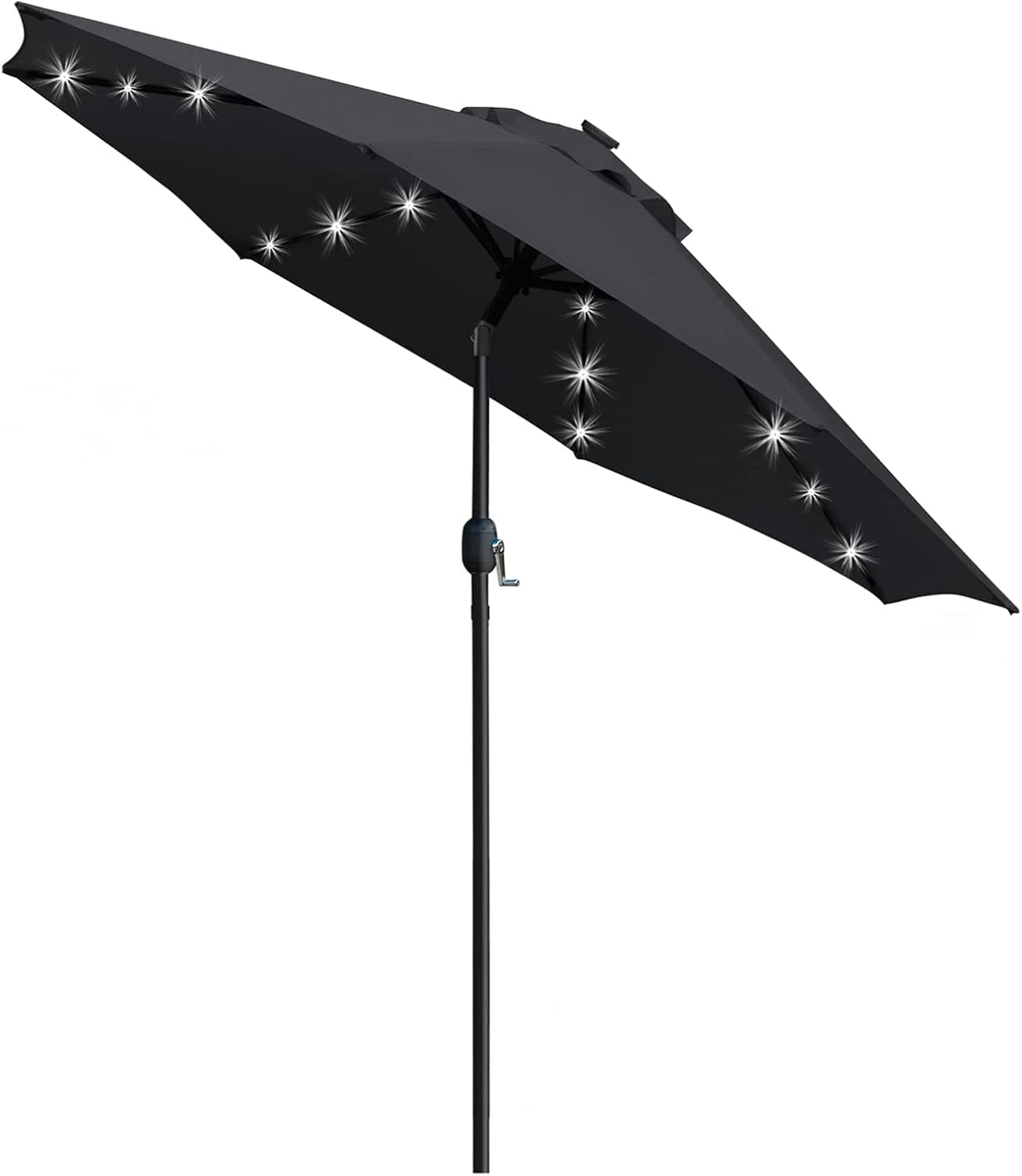
Sunnyglade 9' Patio Umbrella Outdoor Table Umbrella with 8 Sturdy Ribs (Teal Blue)
See current price

Compare umbrellas and shade solutions for patios, decks, gardens, and other outdoor spaces. Check dimensions, materials, mounting needs, and operating features before choosing.
2,250 products in catalog
2,250 results
Sunnyglade
See current price


Sunnyglade
See current price

Best Choice Products
See current price



Blissun
See current price


Best Choice Products
See current price


MasterCanopy
See current price

Sport-Brella
See current price
Whether you need shade for a dining table, lounge area, poolside space, or garden, the right outdoor covering depends on more than appearance. Umbrellas and shade products vary in footprint, support style, opening method, fabric, and installation requirements.
This K-Catalog category is part of Patio Furniture & Accessories. Use the product listings to compare specifications and features, then check the current product details on Amazon before buying.
Start by measuring the area you want to cover. Consider both the shade footprint and the clearance needed around furniture, walkways, doors, railings, and walls. A large canopy may provide broader coverage, but it also needs a suitable base, mounting point, or open area.
Think about how the shade will be used:
Also consider the local conditions. Wind exposure, available storage, and the need to remove the canopy seasonally can influence which design is appropriate.
Center-pole umbrellas are a familiar choice for patio tables and compact seating areas. Compare the canopy shape, pole diameter, base requirements, and whether the umbrella is designed to pass through a table.
Cantilever and offset umbrellas position the supporting pole beside the shaded area. They can be useful for sofas, loungers, and tables without a center opening, but the base and overall footprint deserve close attention.
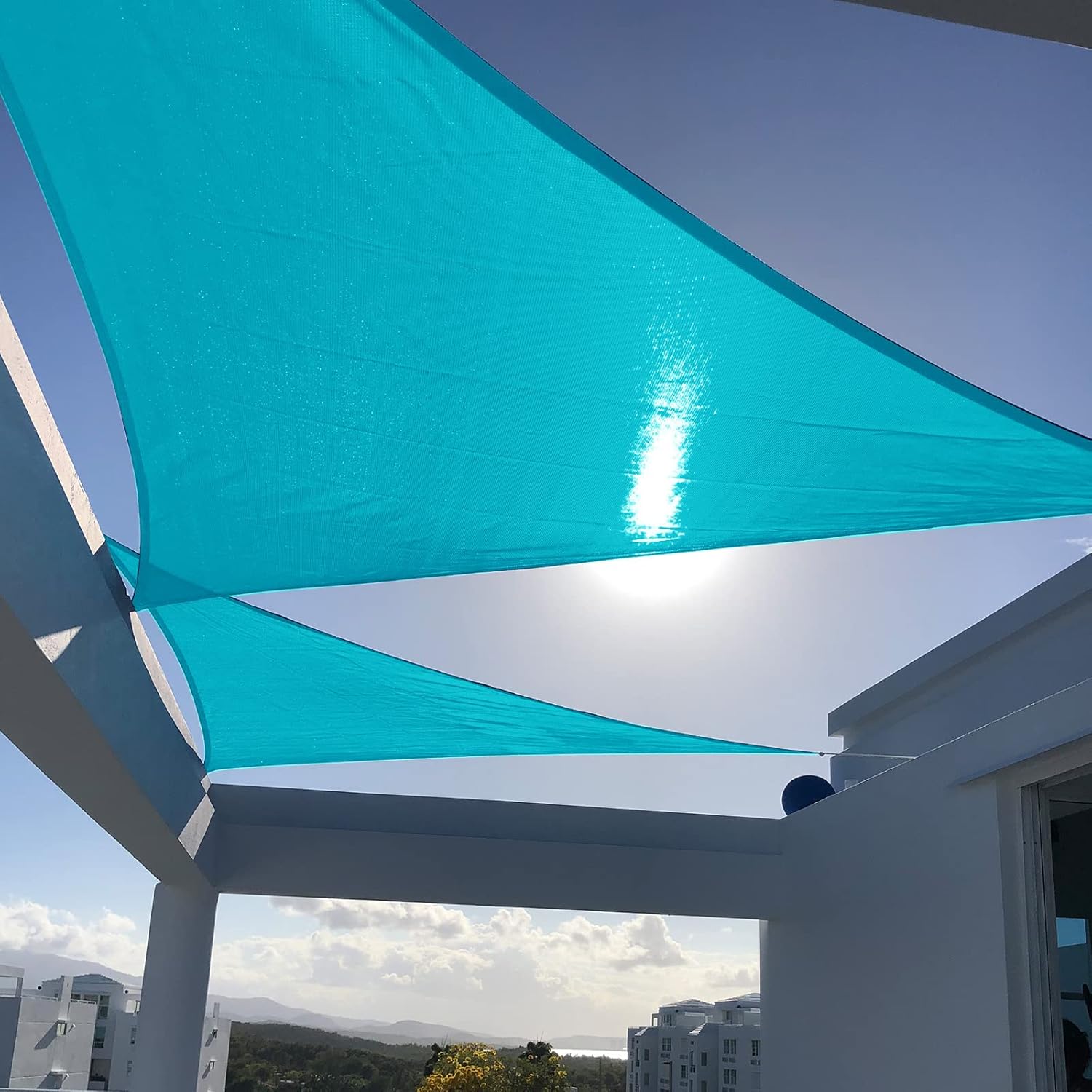
Shade sails use tensioned fabric attached to poles, walls, or other secure anchor points. They can cover larger or unusually shaped areas, though installation planning and anchor strength are important.
Freestanding shade structures include portable shelters and larger canopy-style solutions. These may provide broad coverage for gatherings or outdoor activity, but shoppers should verify the assembled dimensions, setup method, and storage needs.
For more substantial structures, compare the options in Canopies, Gazebos & Pergolas. If the shade is intended for a hammock area, Hammocks, Stands & Accessories may also be relevant.
Compare the following details rather than relying on the product name alone:
Shade works best when its support system matches the furniture layout. Measure table openings, chair positions, arm heights, and the clearance needed for the canopy to open fully. If you are furnishing a complete area, browse Patio Seating and Patio Furniture Sets to compare compatible layouts.
The visual finish matters too. Neutral canopy colors can blend with many furniture styles, while a contrasting shade can define a dining or relaxation zone. Keep nearby cushions and upholstery in mind, and consider Cushions when coordinating the overall outdoor setup.
The catalog includes products from San Diego Sail Shades, ColourTree, VOUA, Blissun, Fokebel, Best Choice Products, SONGMICS, AMMSUN, Bumblr, LE CONTE, Abba Patio, and Ralawen. Compare each listing’s dimensions, materials, included components, and care guidance rather than choosing by brand name alone.
For longer-term outdoor use, protecting the shade product when it is not needed can help keep the fabric and frame in better condition. A cover may also be useful for surrounding furniture; compare options in Patio Furniture Covers.
Measure the furniture or area to be shaded, then check the canopy dimensions and required clearance. Leave enough room for the umbrella to open without contacting walls, branches, or other objects.
Many freestanding umbrellas need a compatible base, while some table umbrellas use a table opening and additional support. Check the product specifications to confirm the required base and whether it is included.
Neither style is universally better. Cantilever designs can keep the pole beside the seating area, while center-pole umbrellas often suit tables designed for umbrella support.
Shade sails need secure, appropriately positioned anchor points. Review the installation requirements and confirm that walls, posts, or other supports can handle the intended setup.
Follow the manufacturer’s guidance. Closing, removing, or storing a canopy during strong wind or severe weather may be recommended, depending on the design and installation.