
Vacuums: Compare Types and Features
Compare vacuums by floor type, cleaning method, capacity, filtration, and convenience features. This catalog helps you narrow the options before checking product details on Amazon.
2,148 products in catalog
2,148 results
Filters

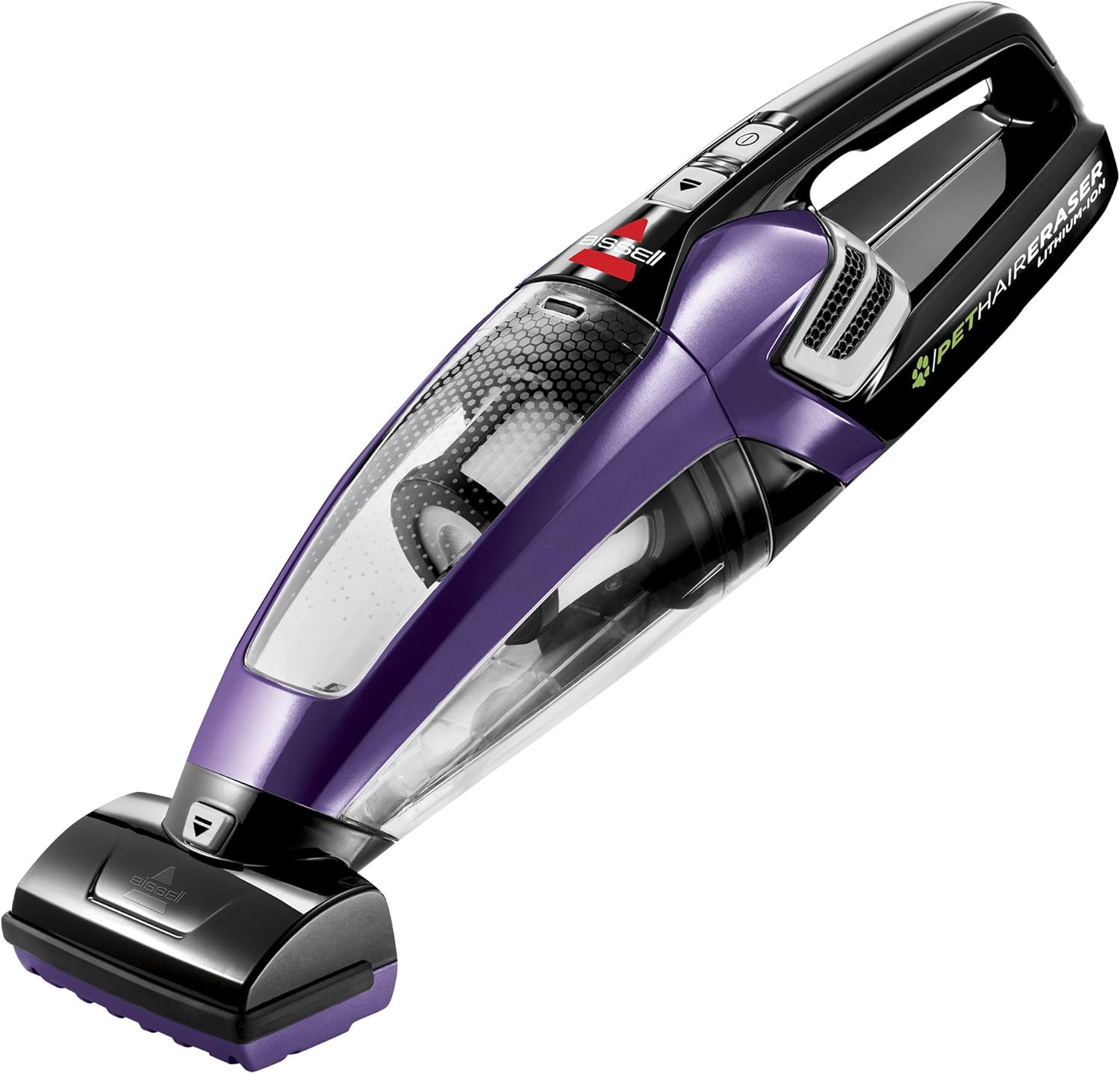
Bissell
Bissell Featherweight Stick Lightweight Bagless Vacuum with Crevice Tool, 20336, Lime
See current price
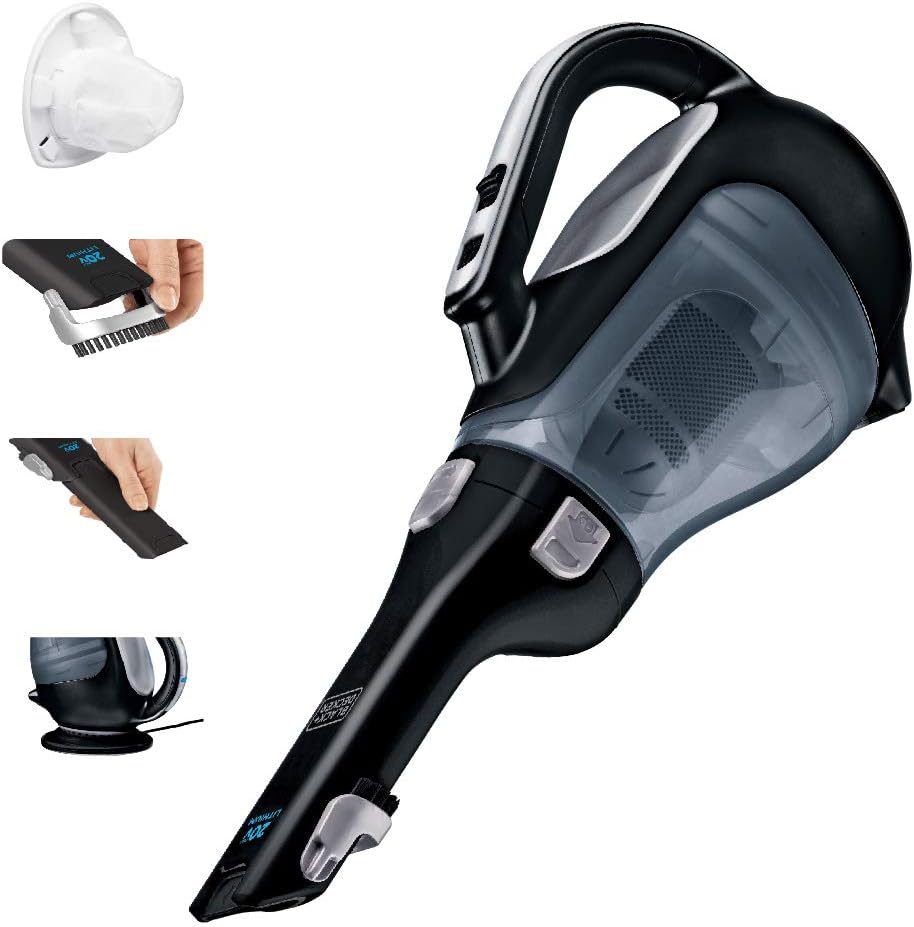
BLACK+DECKER
BLACK+DECKER dustbuster Cordless Handheld Vacuum, Flexi Blue/Grey/White (HHVI315JO42)
See current price






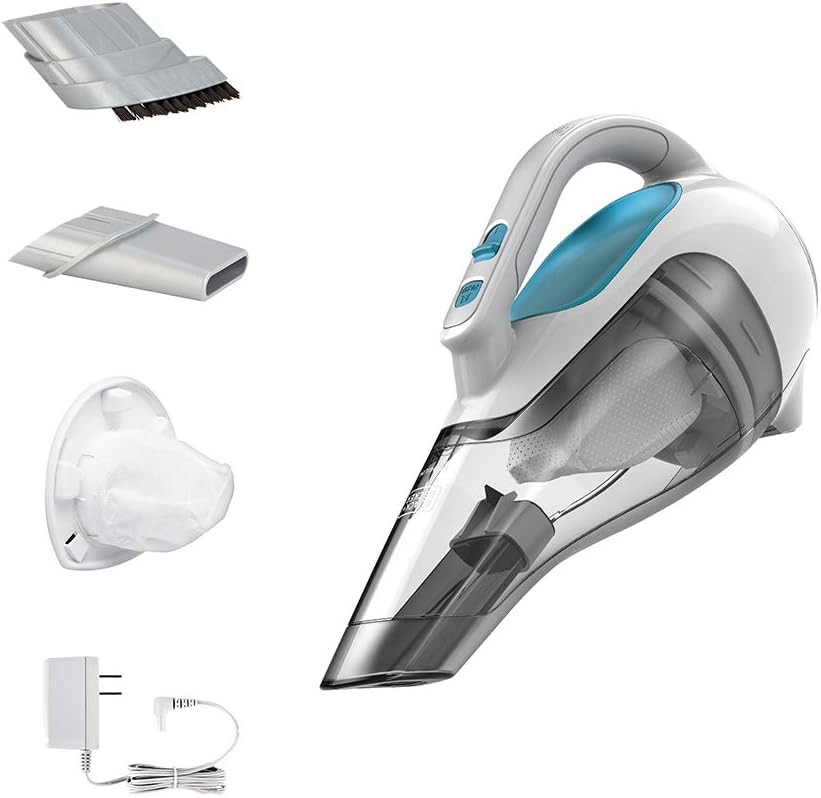
BLACK+DECKER
BLACK+DECKER Dustbuster Handheld Vacuum, Cordless, White with Replacement Filter (HNVC215B10 & HNVCF10)
See current price




Popular brands in Vacuums
Choosing a vacuum starts with the surfaces and spaces you clean most often. Carpet, hard floors, stairs, upholstery, pet hair, and tight areas can all call for different designs, so a model that suits one home may not suit another.
K-Catalog brings together a broad selection of vacuums for comparing specifications and features. Use the details on each product page to check compatibility, included tools, dimensions, and maintenance requirements before making a decision.
How to choose a vacuum
Start by considering your floor plan and the type of debris you regularly remove. A lightweight stick vacuum can be convenient for quick cleaning, while an upright or canister design may be more suitable for larger floor areas or extended sessions. Robot vacuums are designed for scheduled, automated cleaning, but they still need a clear path and routine maintenance.
Important questions include:
- What flooring do you have? Check whether the vacuum is intended for carpet, rugs, hard floors, or multiple surfaces.
- Where will you use it? Weight, handle design, steering, and storage matter more in homes with stairs or limited closet space.
- What do you clean? Pet hair, fine dust, crumbs, and larger debris can place different demands on the brush roll, suction system, and attachments.
- How much maintenance is acceptable? Consider emptying, filter washing or replacement, brush-roll cleaning, and battery charging if applicable.
Main vacuum types
Upright vacuums
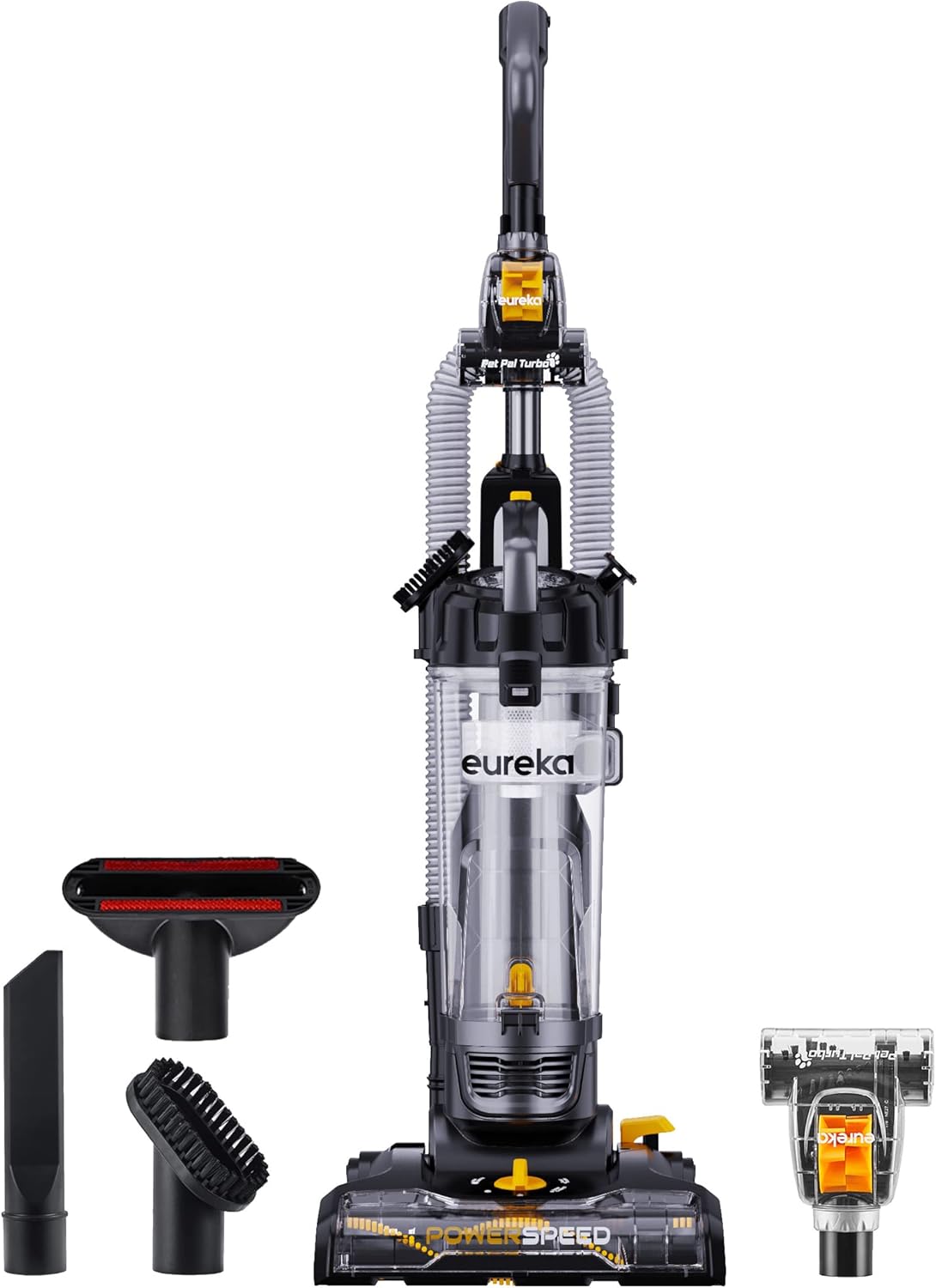
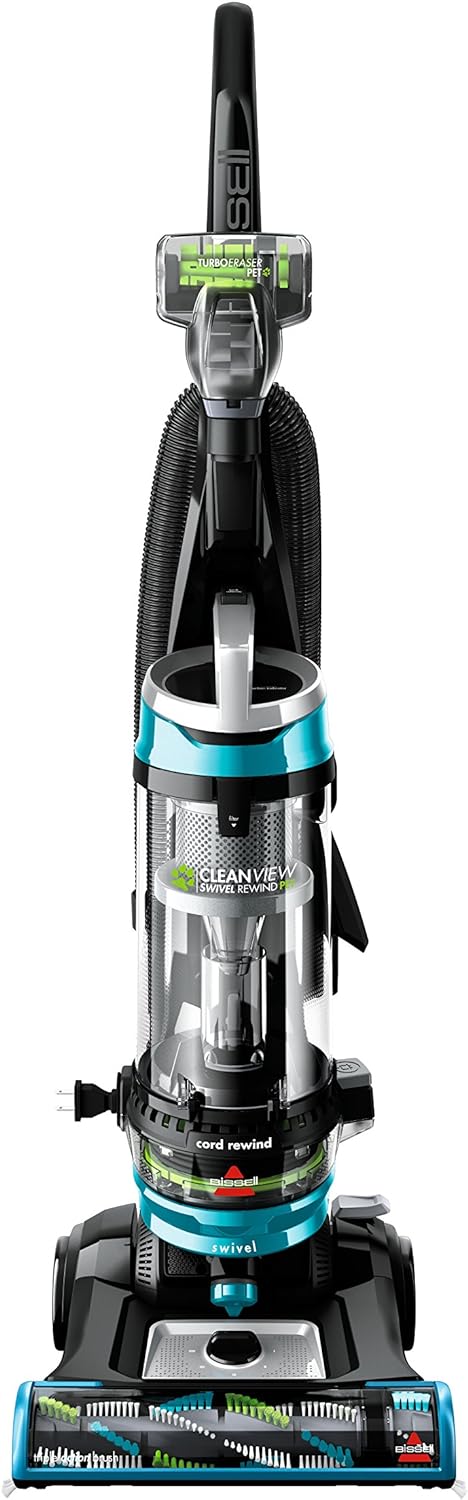
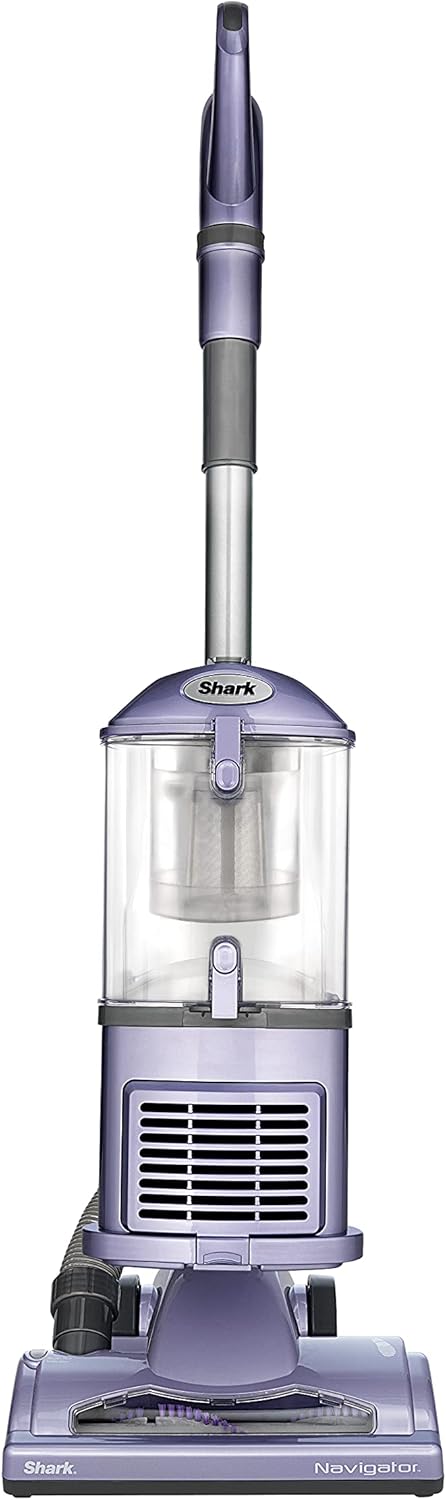
Upright models typically combine the cleaning head, dirt container, and motor in one upright body. They can be a practical choice for carpeted rooms and users who prefer a conventional push-and-pull design. Compare height adjustment, hose reach, brush-roll controls, and the ease of moving the vacuum between floors.
Canister vacuums
Canister vacuums separate the motor and dust container from the floor head. The flexible hose and lighter cleaning head can help with furniture, stairs, and hard-to-reach areas. Look closely at cord length, wheel design, hose storage, and the included floor tools.
Stick and handheld vacuums
Stick vacuums prioritize compact storage and quick access. Cordless versions can be useful for spot cleaning, but battery runtime, charging time, power modes, and the cost or availability of replacement batteries are important specifications to compare. Handheld models are suited to small spills, vehicles, furniture, and other limited areas.
Robot vacuums
Robot vacuums can automate routine floor cleaning. Compare navigation features, room mapping, scheduling controls, obstacle handling, cleaning modes, and the design of the dustbin or dock. Verify which floor surfaces the model supports and whether the app or smart-home features match your preferences.
Features and specifications to compare
Filtration matters for households concerned with fine dust. Check the filter type, whether filters are washable, and how replacement filters are handled. A sealed design may also be relevant when comparing how the vacuum manages expelled air.
Dust collection can be bagged or bagless. Bagged systems may reduce direct contact with collected debris, while bagless models avoid purchasing bags but require regular bin emptying and filter care. Compare container or bag capacity, fill indicators, and how easily the compartment opens.
Also check suction controls, brush-roll design, edge-cleaning ability, noise information, cord length, and the vacuum’s weight. Attachments such as crevice tools, dusting brushes, upholstery tools, extension wands, and motorized pet tools can make a meaningful difference in everyday use.
Brands in the catalog
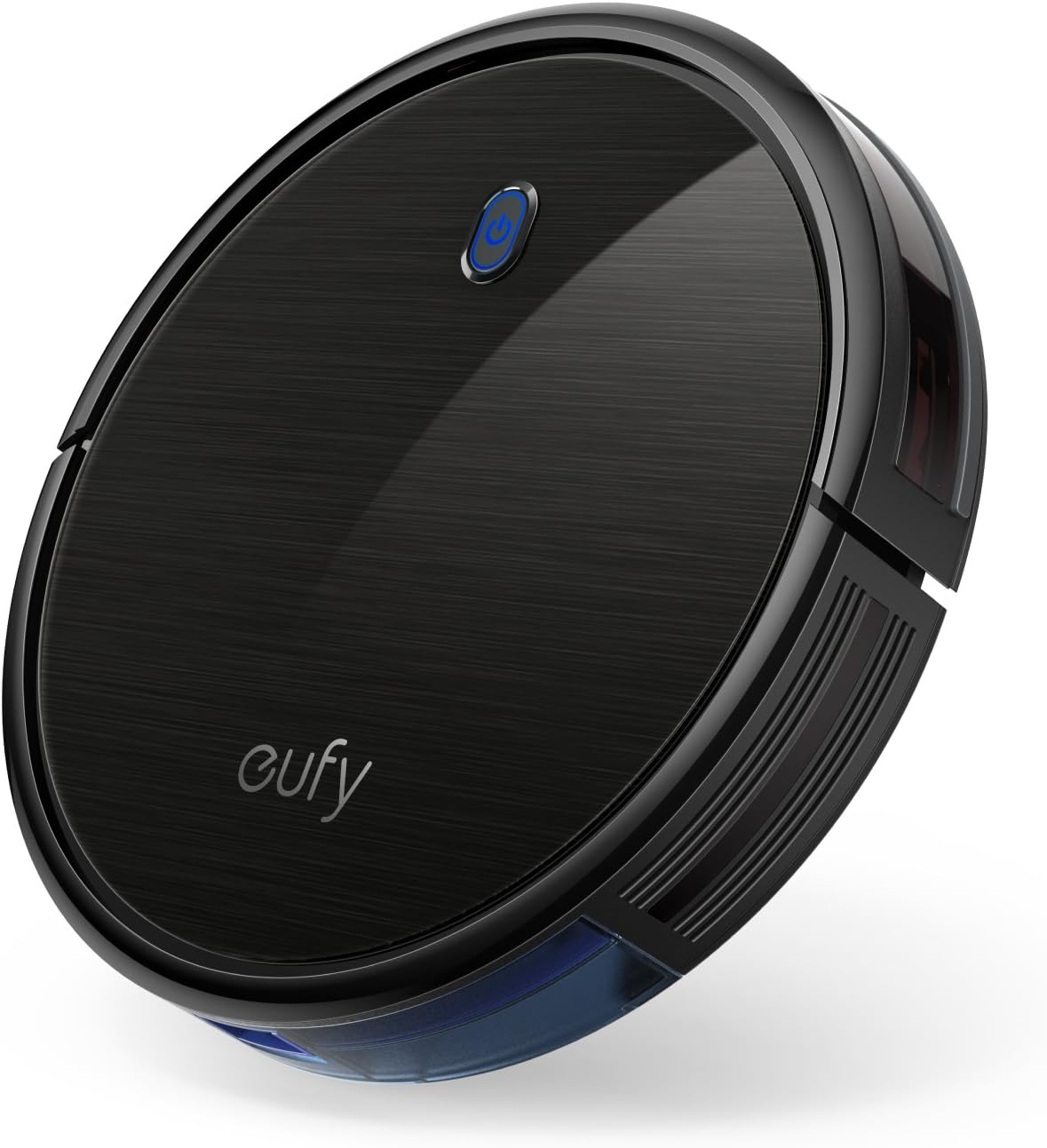
The catalog includes vacuums from Shark, Bissell, Dyson, Hoover, iRobot, Dirt Devil, BLACK+DECKER, INSE, Eureka, Eufy, ECOVACS, and Miele. Brand names can help organize your comparison, but the product specifications are the better guide for checking floor compatibility, included accessories, power options, filtration, and maintenance needs.
For replacement filters, hoses, brush rolls, bags, and other compatible items, browse Vacuum Parts & Accessories. If your cleaning needs extend beyond dry vacuuming, Steam Cleaners, Steam Mops & Accessories and Carpet & Upholstery Cleaners & Accessories cover related equipment. For quick surface cleaning, see Sweepers & Accessories.
Practical buying tips
Check the product dimensions and storage requirements before choosing a vacuum, especially for apartments, narrow closets, or homes with multiple levels. For cordless models, compare the stated runtime with the size of the area you expect to clean and note whether the runtime changes between power modes.
Before using any vacuum, follow the manufacturer’s instructions for filters, brush rolls, bags, and floor settings. Avoid picking up materials the product is not designed to handle, and disconnect corded models before clearing blockages or performing maintenance. Keep compatible replacement parts available so worn filters, belts, or brushes do not interrupt regular cleaning.
Frequently asked questions
Which vacuum type is best for carpet?
Upright vacuums are often designed with carpet cleaning in mind, but the right choice depends on the carpet pile, brush-roll controls, suction adjustment, and included tools. Check the product’s stated floor compatibility.
Are cordless vacuums suitable for whole-home cleaning?
They can be, provided the battery runtime, charging setup, dustbin capacity, and cleaning modes suit the size of the home. Compare runtime at the settings you expect to use rather than relying on a single operating-time figure.
What is the difference between bagged and bagless vacuums?
Bagged vacuums collect debris in a replaceable bag, while bagless models use a reusable dust container. Compare emptying methods, filter maintenance, capacity, and the availability of compatible bags or filters.
What vacuum features help with pet hair?
Look for a brush roll or floor head designed to collect hair, a motorized upholstery or pet tool, easy brush-roll access, and filtration suited to fine debris. Check that the attachments are included with the specific product.
How often should vacuum filters be cleaned or replaced?
The schedule depends on the model, filter type, usage, and the manufacturer’s instructions. Review the care guidance and confirm whether the filter is washable or needs replacement.