
Folk & World Wind Instruments
Explore Folk & World wind instruments by sound, playing style, construction, and practical features. Compare catalog specifications to find an instrument suited to your music and experience level.
342 products in catalog
342 results
Filters






World Percussion USA
Hand-fired Modern Didgeridoo - Beeswax Mouthpiece - Easy Player! - Key of D - by World Percussion USA
See current price



Popular brands in Folk & World
Folk and world wind instruments bring regional traditions, distinctive tones, and approachable playing styles into one broad category. This selection covers instruments used for melodies, accompaniment, practice, and cultural performance, from compact pocket instruments to larger acoustic designs.
When comparing options, start with the instrument’s playing technique and musical role. A familiar fingering pattern, a particular tuning, or a simple design may matter more than appearance alone. The catalog sits within Wind & Woodwind Instruments, making it easy to compare this category with other wind instrument types.
How to choose a Folk & World instrument
Think about how and where the instrument will be played before focusing on individual features. A beginner may prefer a straightforward instrument with accessible fingering and clear care instructions, while an experienced musician may prioritize tuning, response, construction, and compatibility with an existing setup.
Consider these questions:
- What sound do you want? Folk instruments can produce bright, reedy, breathy, mellow, or resonant tones depending on their design and materials.
- How will you play it? Some instruments are held and played with both hands, while others require coordinated fingering, breath control, or bellows operation.
- Where will it be used? Size, weight, portability, and storage requirements are important for lessons, travel, informal sessions, and performances.
- What level of maintenance is practical? Look for information about cleaning, moisture management, replacement parts, and storage.
Types to explore
The Folk & World category includes several distinct instrument families, each suited to different musical goals.
Harmonicas
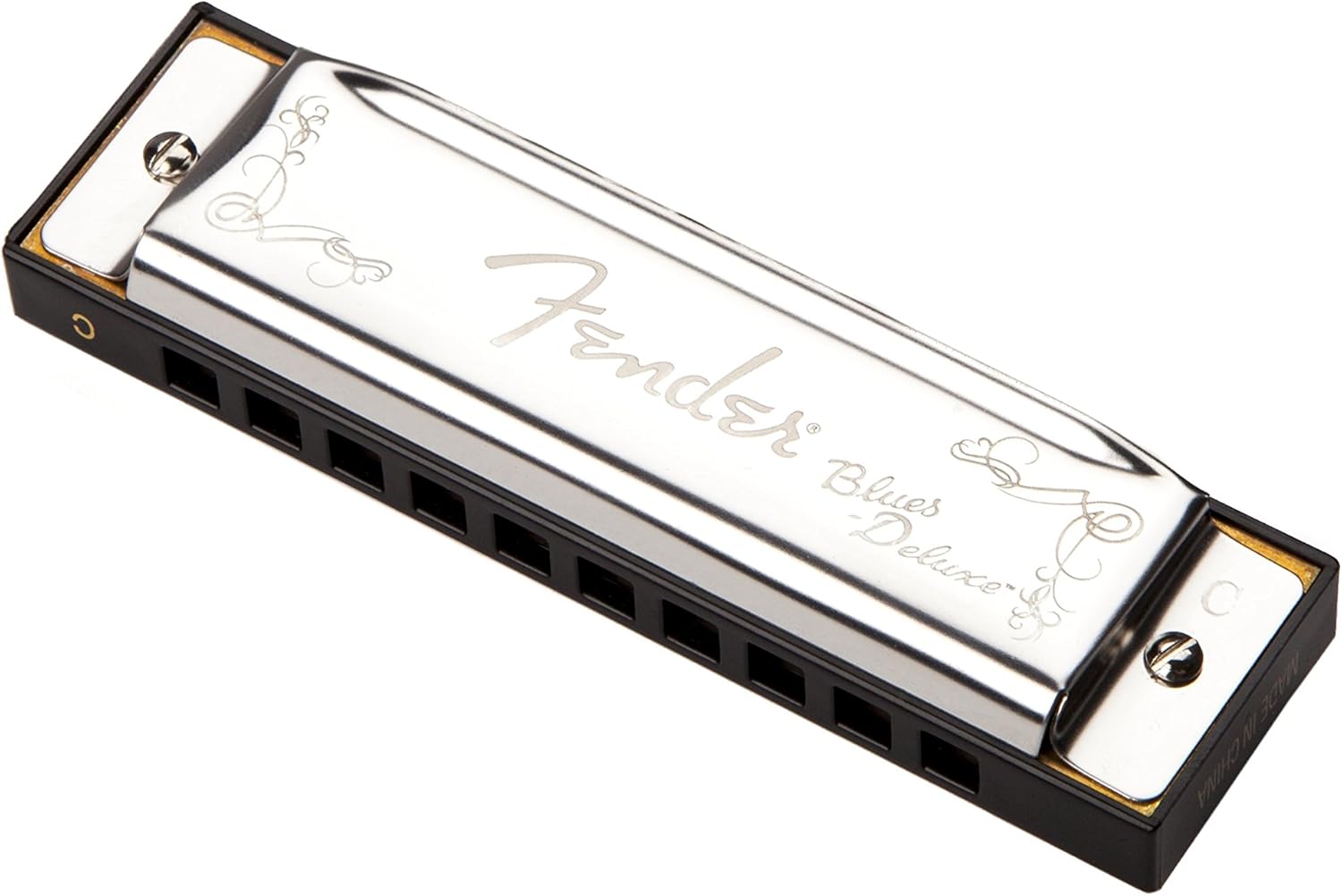
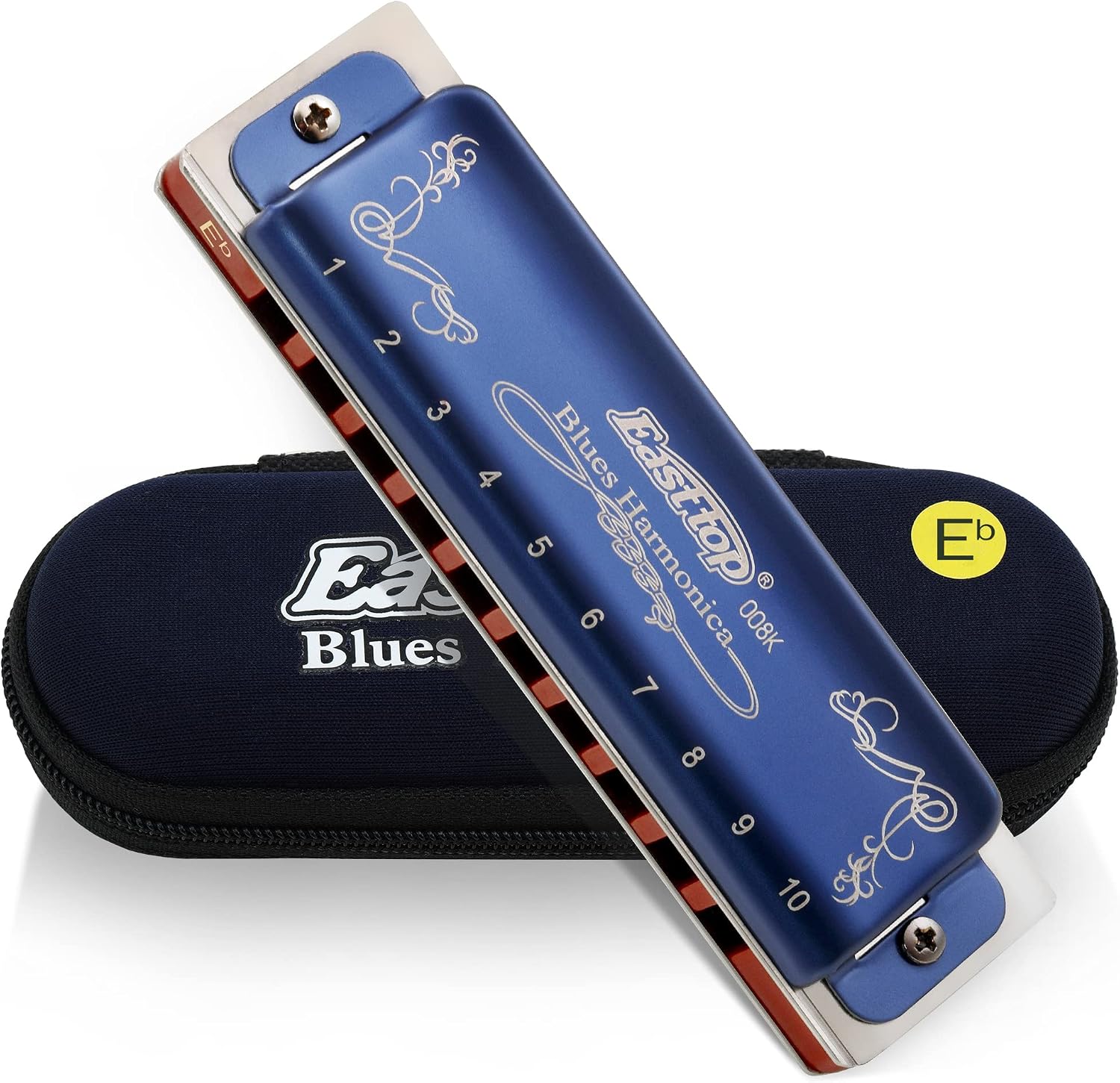
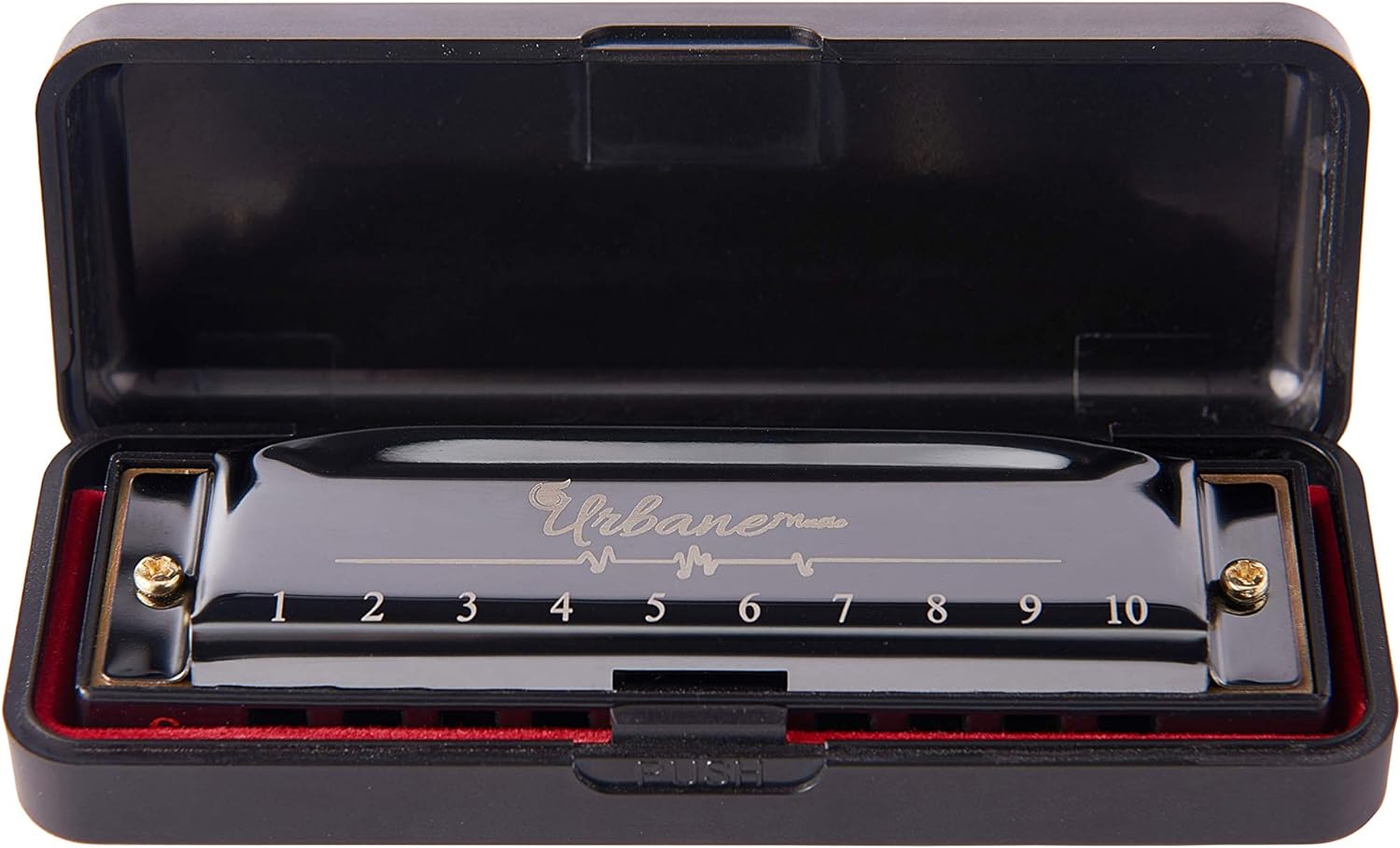
Harmonicas are compact wind instruments commonly used for melody, accompaniment, and improvisation. Compare the harmonica’s tuning, key, number of holes or reeds where listed, construction, and intended style. A diatonic design may suit focused work in particular keys, while a chromatic design is intended for a broader range of notes using its slide mechanism.
Accordions
Accordions use a bellows and keyboard or button layout to create sustained tones and chordal accompaniment. Compare the layout, range, dimensions, weight, strap or case details, and bellows construction. The right choice depends on whether the player wants a compact instrument for portability or a fuller arrangement for ensemble and performance use.
Ocarinas
Ocarinas are enclosed wind instruments with a chamber and finger holes. Their compact shape makes them appealing for casual playing and travel, but tuning, fingering layout, chamber design, and material can affect the playing experience. Check the listed key and range carefully, especially when matching an ocarina to sheet music or another instrument.
Whistles and other traditional winds
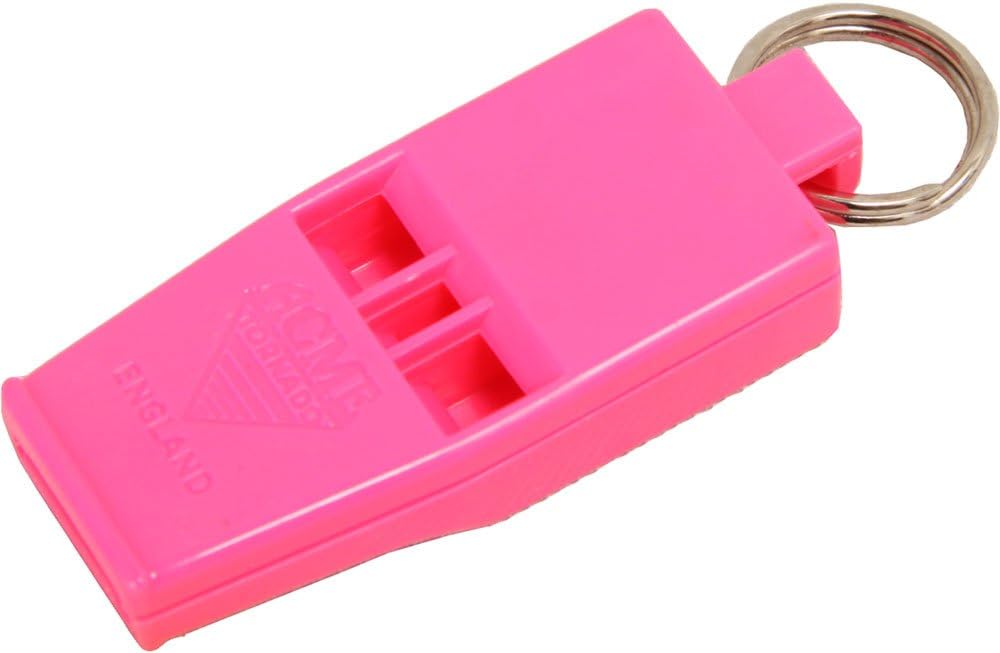
Whistles and related folk winds are often selected for direct fingering, portability, and a clear melodic voice. Compare the material, key, finger-hole arrangement, mouthpiece design, and whether accessories are included. Traditional designs may have different breath requirements and fingering conventions, so product specifications are useful when moving from one style to another.
Features and specifications to compare
Product pages may describe construction, dimensions, tuning, and included accessories in different ways. Focus on specifications that affect playability and long-term use:
- Material: Wood, metal, plastic, resin, and other materials can influence feel, durability, maintenance, and tone.
- Tuning and key: Confirm the listed key or tuning before buying, particularly if the instrument will be played with a group or alongside recordings.
- Range and fingering: A wider range is not automatically better; the most useful layout is the one that fits the intended music and the player’s technique.
- Size and weight: Dimensions matter for comfort, storage, and transport. For accordions, weight and strap configuration deserve particular attention.
- Included accessories: Cases, cleaning tools, straps, mouthpieces, covers, and instructional materials may vary by product.
- Build details: Inspect descriptions of reeds, holes, valves, bellows, finishes, and fasteners when those specifications are provided.
Brands represented in the catalog
The catalog includes products associated with Hohner Accordions, Hohner, Lee Oskar Harmonicas, Suzuki, and East top. OcarinaWind is also represented alongside brands including Grover, Acme, HalleluYAH, Waltons, Clarke, and Fartime. Brand presence can help narrow a comparison, but the most suitable choice still depends on the individual product’s tuning, construction, dimensions, and included features.
Care, storage, and compatibility tips
Keep the instrument in a dry, protected place and follow the manufacturer’s care guidance for its specific material and mechanism. Wind instruments can be affected by moisture, residue, temperature changes, and rough storage. Use a suitable case or protective cover when one is supplied or recommended.
Before choosing, verify that the instrument’s key, tuning, fingering system, and accessories match the intended use. Players adding a new instrument to an ensemble should confirm compatibility with the group’s musical key and repertoire. For younger players or beginners, also check the physical size, reach requirements, and ease of producing a clear note.
Frequently asked questions
Are Folk & World instruments suitable for beginners?
Many are approachable, but difficulty varies by instrument and design. Compare fingering, breath requirements, range, and available learning materials with the player’s experience.
Which specifications matter most for a harmonica?
Key or tuning, instrument type, construction, reed configuration where listed, and intended musical style are useful starting points.
How should an accordion be compared with other accordions?
Review its layout, range, dimensions, weight, bellows details, strap setup, and included case or accessories. These factors affect comfort and practical use.
Does an ocarina’s key matter?
Yes. The key affects which notes and songs are most convenient to play, so compare it with the music or other instruments the player plans to use.
What should be checked before buying a folk whistle?
Check the key, material, fingering arrangement, mouthpiece design, dimensions, and any included accessories. These details help match the whistle to the player and repertoire.