

Window Treatments for Every Room
Compare window treatments by style, light control, privacy, measurements, installation, and material. Explore the features that can help you narrow down options for bedrooms, living rooms, offices, and more.
8,859 products in catalog
8,859 results
Filters


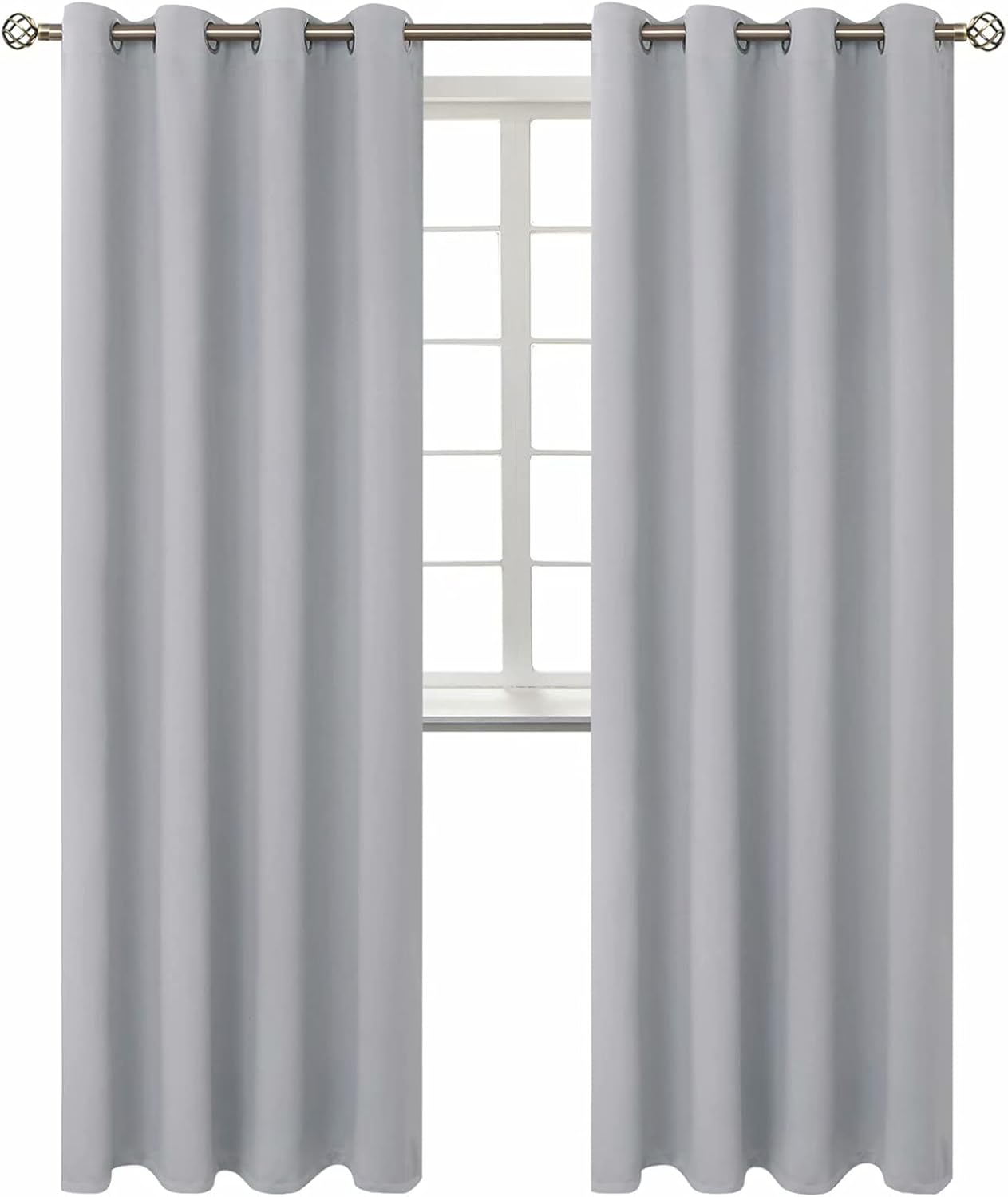


Amazon Basics
Amazon Basics Room Darkening Blackout Window Curtain with Tie Back, 52 x 63 Inches, White - Set of 2
See current price


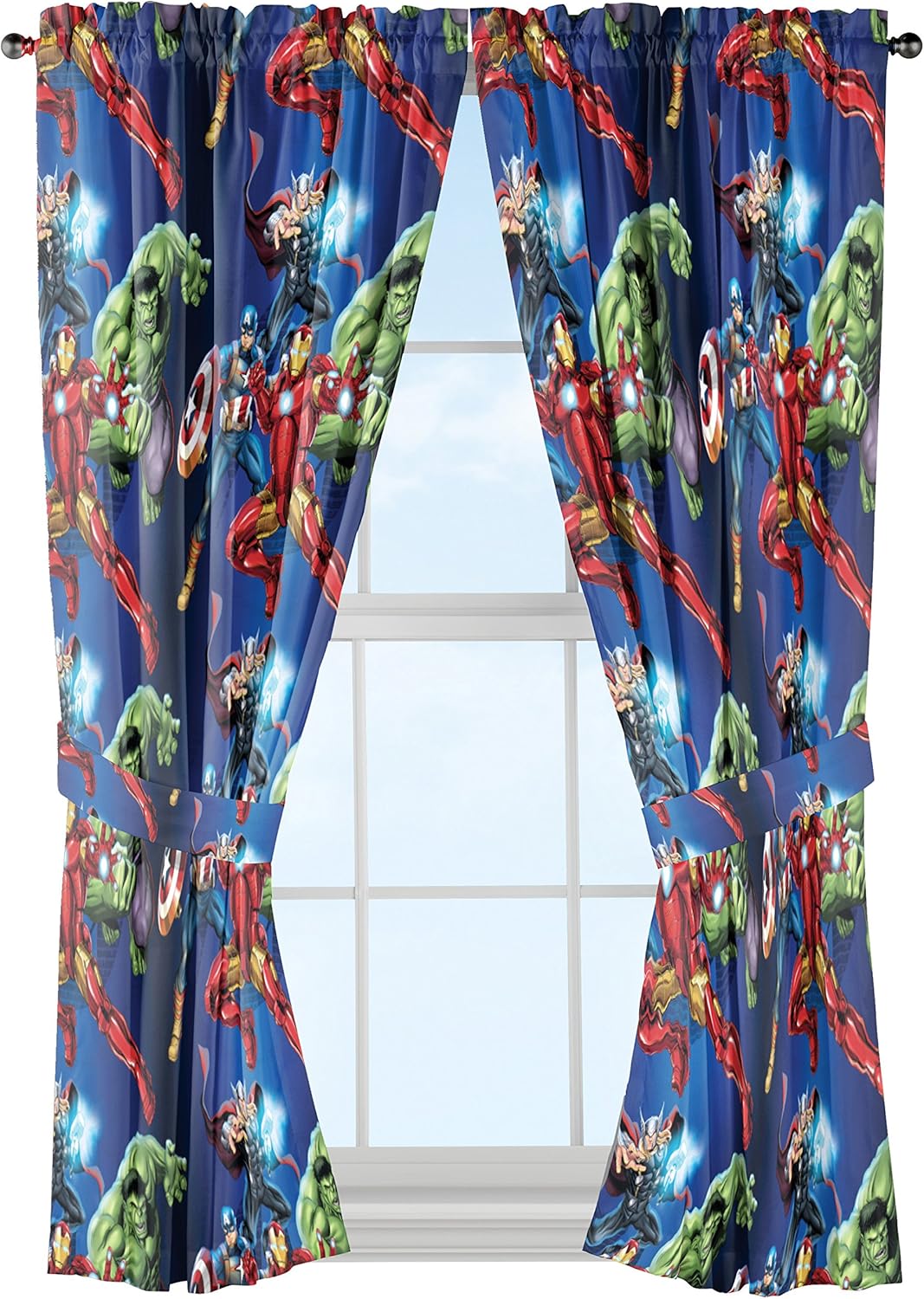


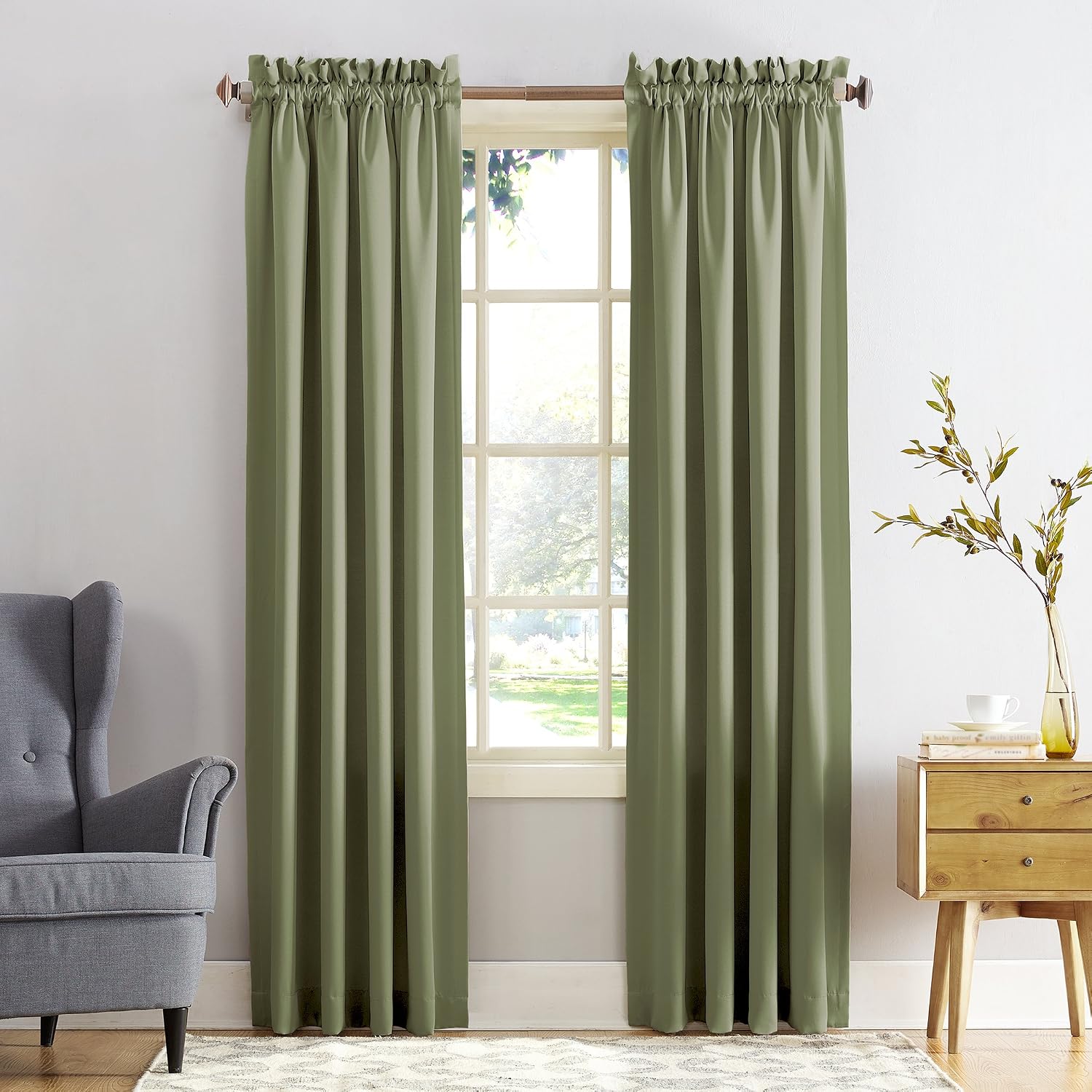


Popular brands in Window Treatments
Window treatments can shape a room’s appearance while helping manage sunlight, privacy, drafts, and indoor comfort. The right choice depends on the window’s size and location, the amount of light you want to filter, and whether you prefer a soft fabric look or a cleaner, structured design.
Use this category to compare specifications and features across curtains, shades, blinds, valances, and related options. Pay close attention to measurements, mounting details, fabric construction, and care instructions before choosing a style.
How to choose window treatments
Start by considering the room and the window’s main purpose. A bedroom may benefit from stronger light blocking and privacy, while a living room may call for filtered daylight and a decorative fabric. Bathrooms and kitchens require extra attention to moisture, cleaning, and ventilation.
Consider these questions before comparing individual products:
- How much light should pass through? Sheer panels soften sunlight, while room-darkening and blackout designs offer stronger light control.
- How much privacy is needed? Bedrooms, bathrooms, and street-facing windows often need more coverage than upper-level or decorative windows.
- What appearance suits the room? Curtains create a soft, layered look; blinds and shades generally provide a neater, more streamlined appearance.
- How will the treatment be installed? Check whether it mounts inside the window frame, outside the frame, on a rod, or with another hardware system.
- How often will it be adjusted? Frequently used windows may benefit from an easy-to-operate design and a durable control mechanism.
If you are coordinating window treatments with other room décor, browse Home Décor Accents for complementary decorative pieces.
Types of window treatments
Curtains and drapes
Curtains and drapes are fabric panels that can add color, texture, and softness. They are available in light-filtering, room-darkening, and blackout constructions, with options that hang from rods using grommets, back tabs, rod pockets, or other attachment styles. Look for panels sold individually or in pairs, then confirm the listed width and length for the intended arrangement.
Longer panels can create a more continuous appearance from ceiling to floor, while shorter styles may work better around furniture, radiators, or kitchen counters. Layering sheers with heavier panels can provide flexible control over daylight and privacy.
Shades
Shades use a continuous piece of material that rolls, folds, or lifts to adjust coverage. Roller shades tend to have a simple profile, while Roman-style shades add visible folds or pleats. Cellular shades are often selected for their layered construction, and sheer shades can balance daylight with a view outside.
When comparing shades, check the operating method, mounting position, fabric opacity, and whether the product is designed for the exact window dimensions or can be adjusted.
Blinds
Blinds use horizontal or vertical slats that tilt to control light and visibility. Their structured design can suit offices, kitchens, bedrooms, and modern interiors. Compare slat orientation, slat width, material, lift system, and the way the blinds attach to the window.
Vertical designs can be practical for wide windows or sliding doors, while horizontal blinds are commonly considered for standard windows. The correct choice depends on the opening’s width, height, and direction of movement.
Valances and layered treatments
Valances cover the upper portion of a window and can conceal hardware or add a decorative finishing touch. They may be used alone for a lighter treatment or paired with curtains, shades, or blinds. Layered arrangements are useful when you want both a finished appearance and adjustable privacy or light control.
Features and specifications to compare
Measurements are among the most important details. Measure the window rather than relying only on a general room description, and check the product’s guidance for inside or outside mounting. For curtains, compare the panel width with the desired fullness; a pair of narrow panels may not provide the same coverage as a wider set.
Also review the following specifications:
- Length and width: Confirm the finished dimensions and whether measurements apply to one panel, a pair, or a complete set.
- Opacity: Terms such as sheer, light filtering, room darkening, and blackout describe different levels of light control, though performance can vary by construction and installation.
- Material: Polyester and blended fabrics are common, while wood, faux wood, vinyl, and woven materials can create different appearances and maintenance needs.
- Header or attachment style: Grommets, rod pockets, back tabs, hooks, rings, and tracks affect both installation and how the treatment hangs.
- Mounting hardware: Check whether a rod, brackets, clips, or other hardware is included. If not, make sure existing hardware is compatible.
- Operating system: For shades and blinds, compare cords, cordless lifts, chains, wands, or motorized controls according to the window’s location and household needs.
- Care instructions: Machine-washable, hand-washable, spot-clean, and dry-clean-only treatments require different levels of upkeep.
Light, privacy, and room placement
A window treatment’s position and surrounding light affect how it performs. South- or west-facing windows may receive intense direct sunlight, making light filtering, stronger opacity, or UV-conscious fabric selection worth considering. In a bedroom, blackout material can help reduce incoming light, but the fit around the window is also important because gaps may allow light around the edges.
For bathrooms and kitchens, choose materials and care instructions that fit a humid or high-use environment. Fabric panels may need more frequent cleaning, while smooth surfaces can be easier to wipe. Keep cords and control systems organized, particularly in rooms used by children or pets, and follow the manufacturer’s safety guidance.
Window treatments can also affect the visual proportions of a room. Mounting curtains higher and extending the rod beyond the frame can create a broader, taller impression, provided the wall and hardware support that arrangement. For a more compact look, inside-mounted shades or blinds keep the treatment close to the window.
Brands represented in the catalog
The catalog includes window treatment options from Deconovo, Jody Clarke, jinchan, LORDTEX, H.VERSAILTEX, HLC.ME, BGment, Delta Blinds Supply, NICETOWN, MIULEE, DriftAway, and Lush Decor. Comparing products across these brands can help you evaluate differences in dimensions, fabric, opacity, attachment style, and care requirements without assuming that one brand or design fits every room.
When comparing brand options, focus on the specifications for the individual product. A familiar-looking style may have different dimensions, lining, mounting details, or packaging, so verify the full listing before making a selection.
Coordinating décor and maintaining treatments
Window treatments are easier to coordinate when you choose a clear visual direction first. Neutral panels can support changing décor, while patterns and textured fabrics can act as a room accent. If you are decorating around greenery, see Artificial Plants & Flowers. For seating and upholstered furniture, Slipcovers may help create a more unified room scheme.
Keep fabric panels away from direct contact with damp surfaces and follow the listed cleaning method. Dust blinds and shades regularly with an appropriate soft tool, and avoid forcing a lift mechanism or moving panels along an unsuitable rod. If a treatment is difficult to open, close, or secure, check the installation and hardware before continued use.
Other nearby décor categories, including Candles & Holders, Photo Albums, Frames & Accessories, and Rugs, Pads & Protectors, can help complete a coordinated room without requiring every piece to match exactly.
Frequently asked questions
What is the difference between curtains and drapes?
Curtains are generally lighter fabric panels, while drapes often refer to heavier or lined panels with stronger light-blocking and insulating properties. Product descriptions vary, so compare the actual material and opacity.
How do I choose the right window treatment size?
Measure the window for the selected mounting style, then compare those measurements with the product’s finished width and length. Also confirm whether the listing describes one panel, a pair, or a complete set.
Are blackout treatments completely lightproof?
Blackout fabric can significantly reduce light through the material, but light may still enter around the edges or through gaps created by mounting. Coverage and installation affect the result.
Which window treatments are easiest to clean?
Smooth blinds and shades may be easier to dust or wipe, while fabric panels vary from machine-washable to dry-clean-only. Always follow the product’s care instructions.
Should I choose inside-mount or outside-mount treatments?
Inside mounts fit within the window frame and create a close, tailored appearance. Outside mounts extend beyond the frame and can provide broader coverage or conceal an uneven frame. Check available space and mounting requirements for either option.
What should I compare for a child’s room?
Review the operating system, cord arrangement, mounting security, and manufacturer safety guidance. Cordless or carefully managed controls may be preferable, but installation and supervision remain important.