

Wine
Compare wine by style, grape variety, sweetness, origin, and format. Use the catalog to narrow down options that suit your meal, occasion, and personal taste.
114 products in catalog
114 results
Filters
Availability
Brand
Price


DEUTSCH FAMILY WINE & SPIRITS
Josh Cellars Cabernet Sauvignon, California Red Wine, 750 mL Bottle
See current price


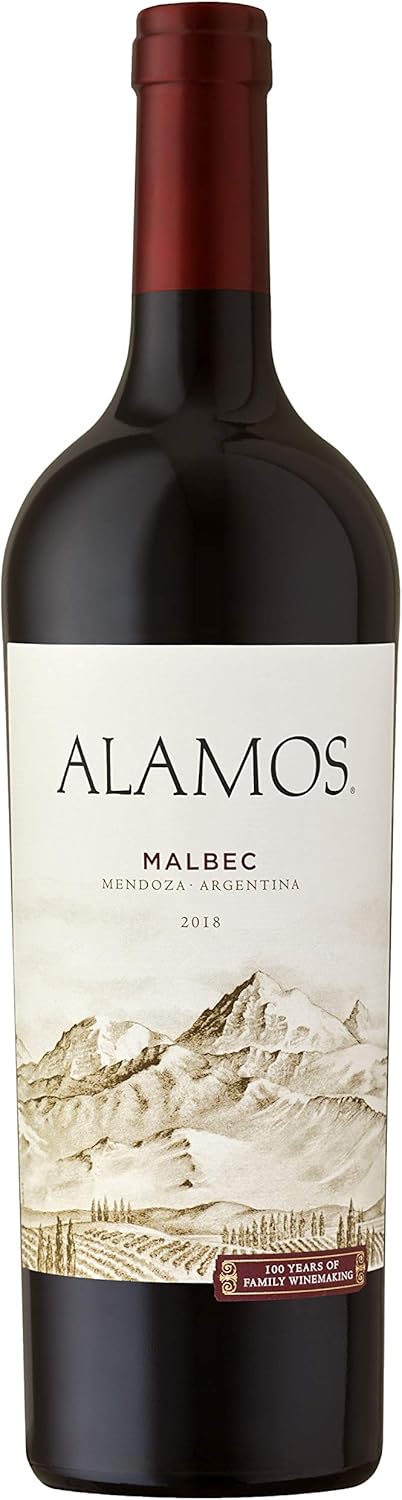


JACKSON FAMILY WINES
Kendall-Jackson Vintner's Reserve, Chardonnay White Wine, 750 mL Bottle
See current price


STE MICHELLE WINE ESTATES
Chateau Ste. Michelle Columbia Valley Riesling, White Wine, 750 ml Bottle
See current price

STE MICHELLE WINE ESTATES
Chateau Ste. Michelle Columbia Valley Chardonnay, White Wine, 750 ml Bottle
See current price

Constellation Brands
Robert Mondavi Private Selection Cabernet Sauvignon Red Wine, 750 mL bottle
See current price

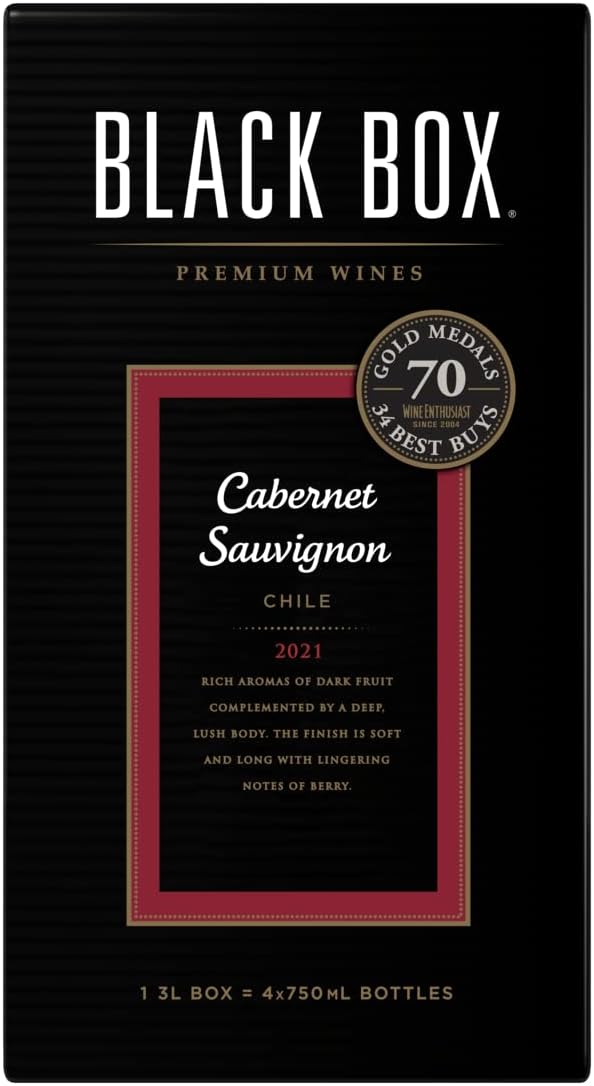


Popular brands in Wine
Wine can vary widely in flavor, body, acidity, sweetness, and alcohol content. Comparing these characteristics makes it easier to choose a bottle for a meal, celebration, gift, or casual gathering.
K-Catalog organizes wine options for shoppers who want to examine product details before visiting Amazon to check availability and the current price. The most useful comparison usually starts with the wine’s style, grape, sweetness level, and intended serving occasion.
How to choose wine
Start by considering what you enjoy and how the wine will be served. A light, crisp wine may suit seafood, salads, or warm-weather occasions, while a fuller-bodied red may be more appropriate with rich sauces, grilled foods, or hearty dishes. If the bottle is for a gathering, a versatile style can be easier to serve across different preferences.
Other factors to consider include:
- Flavor profile: Look for descriptions involving fruit, citrus, floral notes, spice, oak, or earthiness.
- Body: Light-bodied wines generally feel more delicate, while full-bodied wines have a richer, more substantial character.
- Sweetness: Check whether the wine is dry, off-dry, semi-sweet, or sweet.
- Acidity: Higher acidity can create a crisp, refreshing impression; lower-acid wines may feel rounder and softer.
- Occasion: A sparkling or rosé wine may suit a celebration, while a red or white wine may be selected primarily for food pairing.
Wine styles to compare
Wine is commonly grouped by color and production style, although individual bottles can differ significantly within each group.
- Red wine: Often selected for deeper fruit flavors and fuller body. Compare the grape, region, oak treatment, and tannin level when available.
- White wine: Frequently ranges from light and crisp to rich and creamy. Grape variety, acidity, sweetness, and oak influence can help distinguish options.
- Rosé wine: Usually offers a lighter profile with fresh fruit character. Compare sweetness, acidity, and whether it is intended for casual sipping or food pairing.
- Sparkling wine: Carbonation adds a lively texture and makes this style common for celebrations. Check the sweetness designation and production details.
- Dessert and fortified wines: These may be sweeter or more concentrated than everyday table wines. Serving size and intended pairing are important considerations.
Related alcoholic beverages may also fit the occasion. Browse Beer for malt- and hop-based options or Spirits for distilled beverages.
Key product details and specifications
Product listings may describe wine using different terminology, so compare like with like whenever possible. The grape variety can provide a useful starting point, but it should not be treated as a guarantee of a specific flavor because climate, winemaking, aging, and sweetness all affect the finished wine.
Check the following details where provided:
- Wine color and style
- Grape or blend composition
- Country, state, or broader region of origin
- Vintage or non-vintage designation
- Sweetness level
- Alcohol content
- Bottle size and package format
- Closure type, such as cork or screw cap
- Serving suggestions and pairing notes
A vintage may matter to shoppers seeking a particular harvest, while a non-vintage wine is blended from more than one harvest or is otherwise not presented around a single vintage. Packaging details are also worth checking when buying for a specific event or storage setup.
Brands in the catalog
The catalog includes wine from E&J Gallo Winery, DELICATO FAMILY VINEYARDS, Sutter Home, STE MICHELLE WINE ESTATES, THE WINE GROUP INC, FREIXENET MIONETTO USA, TRINCHERO FAMILY ESTATES, Constellation Brands, DEUTSCH FAMILY WINE & SPIRITS, TREASURY WINE ESTATES AMERICAS, St Regis, and H2❤.
These names cover a range of producers and wine portfolios. Compare the individual bottle’s style, grape, origin, sweetness, and packaging rather than choosing by brand name alone, since a single producer may offer several different wine profiles.
Storage, serving, and purchase tips
Wine should be stored according to the product’s instructions and protected from excessive heat, light, and temperature changes. Once opened, reseal the bottle when possible and follow the product guidance for serving and storage. Sparkling wine may require a suitable stopper to help preserve carbonation.
For a smoother comparison, decide whether you need a single bottle, a multipack, or a particular package format before selecting a product. Also confirm shipping and delivery eligibility, especially where alcoholic beverage regulations apply. Alcohol should be purchased and consumed only in accordance with applicable laws and age requirements.
If you are exploring the broader Alcoholic Beverages category, comparing wine with other beverage styles can help clarify whether you want a fermented wine, a carbonated beer, or a distilled spirit.
Frequently asked questions
What is the easiest way to compare wines?
Start with color, style, sweetness, grape variety, body, acidity, and intended food pairing. Then compare origin, alcohol content, packaging, and serving guidance.
Is a dry wine sweet?
Usually, “dry” means the wine has little noticeable residual sugar. Dry wines can still taste fruity because fruit aromas are different from sweetness.
Does the grape variety determine the flavor?
It provides a useful indication, but flavor also depends on growing region, climate, winemaking, aging, sweetness, and whether the wine is a blend.
What wine is suitable for a celebration?
Sparkling wine is a common celebration choice, but rosé, white, or red wine may also suit the occasion. Compare sweetness and flavor preferences among the guests.
Should wine be chosen based on the meal?
Food pairing can be helpful but is not mandatory. Match the wine’s body, acidity, sweetness, and intensity with the dish, while keeping personal preference in mind.