

Women's Shoes
Compare women's shoes by intended use, fit, support, materials, and style. Use the available specifications to narrow options for everyday wear, work, exercise, travel, and special occasions.
115,648 products in catalog
115,648 results
Filters


Hey Dude
Hey Dude Women's Wendy Sox | Women’s Shoes | Women’s Lace Up Loafers | Comfortable & Light-Weight
See current price


adidas
adidas Performance Women's Cloudfoam Pure Running Shoe, Carbon/Carbon, 8.5 M US
See current price


VIFUUR
VIFUUR Water Sports Shoes Barefoot Quick-Dry Aqua Yoga Socks Slip-on for Men Women
See current price




![[クロックス] サンダル バヤバンド クロッグ](https://m.media-amazon.com/images/I/71vMHpMYcEL._AC_UL1500_.jpg)
[クロックス] サンダル バヤバンド クロッグ
See current price


Popular brands in Shoes
Finding the right pair of shoes starts with more than appearance. The best choice depends on where you will wear them, how long you will be on your feet, the type of support you prefer, and how the shoes fit your foot. K-Catalog brings together a broad selection of women's shoes so shoppers can compare specifications and features before visiting Amazon to check the current price and purchase.
From casual slip-ons and sandals to athletic shoes, boots, flats, heels, and work-ready footwear, different designs solve different needs. Start by identifying the occasion and conditions, then compare construction, sizing information, closure style, cushioning, traction, and care requirements.
How to choose women's shoes
A useful starting point is your primary use. Shoes for errands or daily wear may prioritize easy styling and comfortable materials, while shoes for exercise need a more activity-appropriate construction. Work footwear may need a polished appearance, a secure fit, or features suited to long periods of standing. Formal shoes often emphasize shape and finish, but comfort and stability still matter.
Consider these questions before comparing individual options:
- Where will you wear them? Choose differently for pavement, trails, indoor spaces, travel, work, or events.
- How much walking or standing is expected? Cushioning, flexibility, support, and a secure fit become more important for extended wear.
- What weather will you encounter? Materials, tread, coverage, and water-resistant construction can affect suitability.
- How quickly do you need to put them on? Slip-on designs are convenient, while laces, straps, buckles, and zippers can provide a more adjustable fit.
- What clothing will they need to coordinate with? Color, silhouette, heel height, and finish influence how easily a pair works across your wardrobe.
If you are browsing the wider women's department, you can also compare shoes alongside women's clothing, women's accessories, and handbags and wallets when planning a complete outfit.
Types of women's shoes to compare
Without a single style being right for everyone, it helps to organize the search by design and purpose.
Athletic and walking shoes
Athletic shoes are designed around movement, but features vary by activity. Look for information about cushioning, flexibility, heel-to-toe construction, upper materials, outsole design, and the intended use. A running-oriented shoe may not be the right choice for court activities, strength training, or casual walking. Walking shoes can be a practical option for daily routes and travel when comfort and stable footing are priorities.
Pay attention to the shape of the toe box and the way the heel is secured. A shoe that feels comfortable while standing may fit differently once the foot moves through a stride. If the catalog listing provides guidance about activity or fit, use it alongside your usual shoe size and personal preferences.
Casual shoes and sneakers
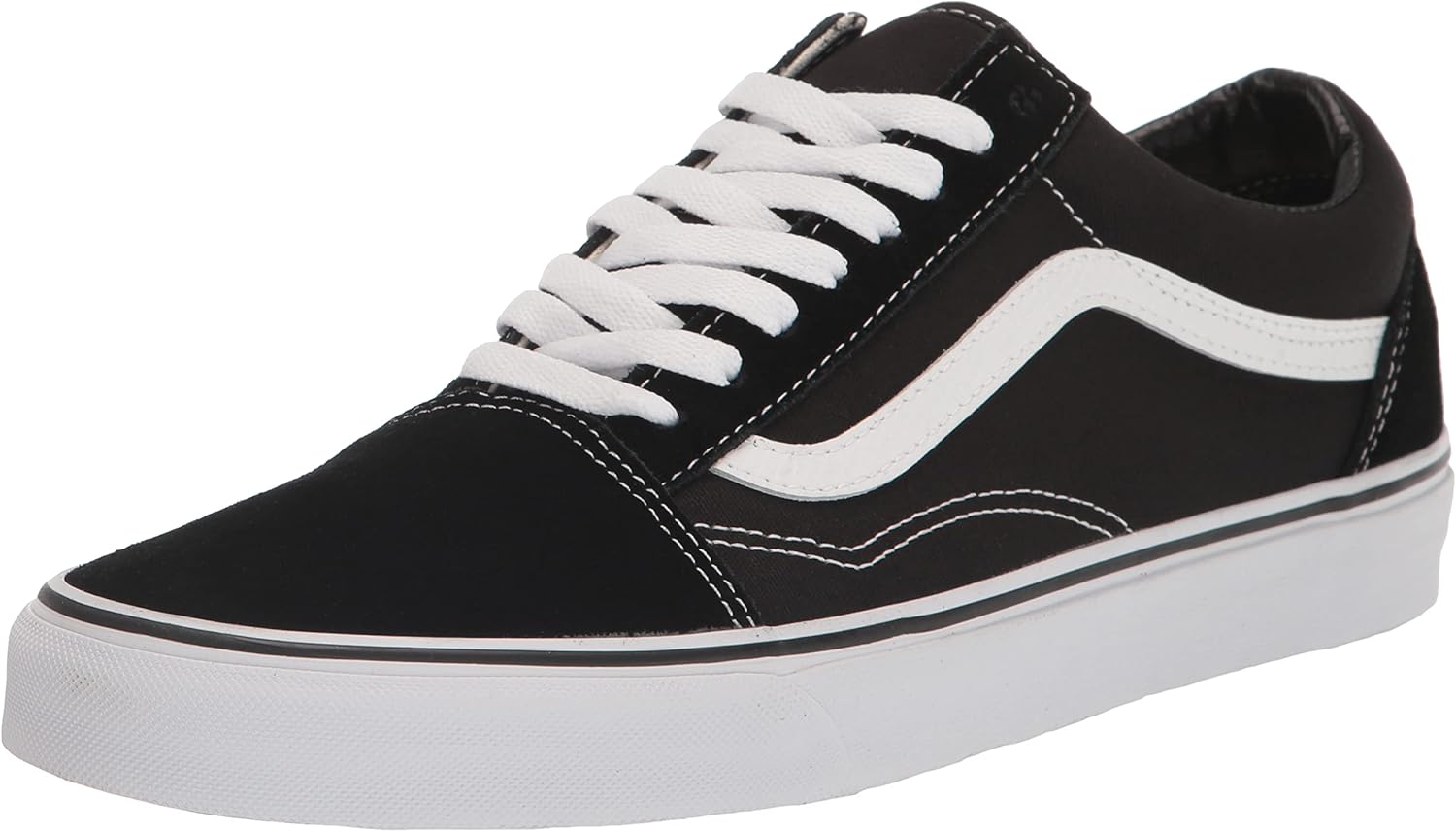
Casual shoes are versatile for everyday outfits, commuting, travel, and errands. Compare low-top and high-top silhouettes, slip-on and lace-up closures, sole flexibility, upper materials, and interior cushioning. Lightweight designs may be convenient for packing, while sturdier construction can feel more supportive for frequent outdoor use.
Sneakers also vary in appearance. Minimal designs can work with a wider range of clothing, while platform soles, bright colors, textured uppers, or decorative details create a more noticeable look. Consider whether the pair is intended primarily for fashion, walking, or both.
Flats, loafers, and dress shoes
Flats and loafers can provide a polished alternative to sneakers while remaining suitable for office wear, travel, or everyday outfits. Compare the shape of the toe, the amount of structure around the heel, the presence of cushioning, and whether the upper can accommodate your foot comfortably.
Dress shoes include a wide range of silhouettes, from simple pumps to embellished or pointed designs. Heel height and base width affect balance and walking comfort. A lower or block heel may feel more stable for extended wear, while a slim heel creates a different formal look. Check the closure and upper design carefully, since a shoe that relies on a narrow toe or minimal straps may fit differently from a roomier style.
Sandals and warm-weather footwear
Sandals can be open, strappy, sporty, or molded, with different levels of adjustability and coverage. Compare the footbed, sole grip, strap placement, and closure. Adjustable straps may help fine-tune the fit, while slip-on styles emphasize convenience. For walking, look for a sole and upper that help keep the foot secure rather than allowing excessive movement.
Also consider the surface where the sandals will be worn. Poolside, city, beach, and trail conditions can call for different levels of traction, durability, and protection.
Boots and cold-weather styles
Boots range from short ankle designs to taller silhouettes, with options for fashion, rain, work, hiking, and cold weather. Compare shaft height, insulation, lining, outsole traction, closure, and the amount of room available for socks. A tall boot may need additional attention to shaft fit, while an ankle boot should hold the heel securely without restricting movement.
If wet conditions are likely, distinguish between water-resistant materials, waterproof construction, and ordinary fashion materials. The product specifications should clarify what protection is offered rather than relying on appearance alone.
Work, uniform, and safety footwear
Shoes for work can have requirements that ordinary casual footwear does not. Depending on the workplace, you may need a particular level of coverage, slip resistance, durability, or protective construction. Confirm employer or workplace rules before choosing a pair, and compare the listed safety features with those requirements.
For more work-related apparel and equipment, browse women's uniforms, work, and safety products. Shoes should support the demands of the job without substituting for required workplace guidance.
Key features and specifications to compare
Product descriptions can look similar at first, so compare the details that affect comfort, fit, durability, and use.
- Upper material: Leather, textile, synthetic, mesh, rubber, and other materials can differ in breathability, flexibility, structure, and care needs.
- Sole construction: Look for outsole material, tread pattern, flexibility, and traction information suited to the surfaces you expect to use.
- Cushioning and support: Insoles, footbeds, midsoles, arch support, and heel structure may influence how a shoe feels over time.
- Closure: Laces offer adjustment across the foot; hook-and-loop straps, buckles, elastic panels, and zippers provide different combinations of security and convenience.
- Heel and platform: Compare height, width, shape, and stability rather than judging the silhouette alone.
- Toe shape: Round, square, almond, pointed, and open-toe designs can create different amounts of usable space.
- Weight and flexibility: These factors can matter for travel, long walks, exercise, or anyone who prefers an unobtrusive shoe.
- Water and weather features: Check whether the listing specifies water resistance, waterproofing, insulation, or a removable lining.
- Care instructions: Some materials need special cleaning products or protection, while others can be easier to maintain.
Sizing information deserves special attention. Sizes can fit differently across brands and styles, so review the provided size chart, width options, and fit notes. If measurements are listed, compare them with a pair that fits well. Consider whether you will wear socks, thicker hosiery, or insoles with the shoes.
Brands represented in the catalog
The women's shoes catalog includes options from Skechers, Clarks, ASICS, Saucony, Merrell, Crocs, FitFlop, DailyShoes, Aerosoles, DREAM PAIRS, Vionic, and Keen. These brands appear across a range of footwear searches, making it possible to compare their listed materials, construction, intended use, sizing information, and design features in one place.
Brand familiarity can help narrow a search, but it should not replace checking the specifications for the particular style. Compare the details of each listing, especially when moving between athletic, casual, formal, outdoor, and work footwear. The same general category can include meaningful differences in fit, support, closure, and care.
Fit, comfort, and care tips
Try to assess fit at the time of day when your feet are typically at their largest or most comfortable, especially when shopping for shoes intended for long wear. Make sure toes have enough room to move, the heel does not slip excessively, and the widest part of the foot sits comfortably within the shoe. Tightness in the toe box or pressure from straps can become more noticeable after extended wear.
Break-in expectations vary by material and construction. Soft, flexible footwear may feel comfortable quickly, while structured leather, firm soles, or formal designs may need gradual wear. Do not rely on a break-in period to solve significant pain, pressure, or instability.
Care should match the material. Remove surface dirt according to the manufacturer’s instructions, allow damp footwear to dry naturally, and avoid heat that could affect adhesives, finishes, or shape. Storing shoes with enough space to retain their form can also help keep them ready for regular use.
For seasonal wardrobe planning, shoes can be compared with women's jewelry and maternity clothing and accessories where relevant. Keeping the intended outfit and use case in mind helps prevent choosing a pair that looks appealing but does not suit the occasion.
Frequently asked questions
How should women's shoes fit?
A well-fitting shoe should hold the heel securely, leave comfortable room for the toes, and avoid pressure across the widest part of the foot. Use the listing's size chart and fit information because sizing can vary by style and brand.
What shoes are suitable for walking?
Look for a design intended for walking or everyday movement, with a secure upper, comfortable cushioning, suitable flexibility, and an outsole appropriate for the surfaces you use. Compare these features rather than choosing by appearance alone.
Are slip-on shoes as secure as lace-up shoes?
Security depends on the shape of the shoe, the heel fit, the upper, and any elastic or adjustable features. Slip-ons offer convenience, while laces and straps generally allow more adjustment across the foot.
How can shoes be compared for work?
Check the required workplace features first, then compare coverage, traction, material, durability, comfort, and closure. Any safety claims should match the requirements of your specific job or workplace.
What should be checked when buying boots?
Compare shaft height, lining, insulation, outsole traction, closure, weather protection, and room for the socks you plan to wear. Also check how the boot fits around both the foot and the shaft.
How can shoes be cared for properly?
Follow the care directions for the listed material, clean gently, let damp shoes dry away from direct heat, and store them so they can keep their shape. Care requirements differ between leather, textiles, synthetics, mesh, and molded materials.