
SPARTAN MOSQUITO
Spartan Mosquito Pro Tech - 1 Acre Pack 4 Tubes (2 Boxes) 100% American Made
See current price



See current price
Check the current price and availability on Amazon.com.
View on AmazonAffiliate link — we may earn a commission at no extra cost to you. Learn more
| Manufacturer | NaturesArt |
|---|---|
| Style | Classic |
| Number of Pieces | 1 |
| Target Species | Thrip, Beetle, White Fly, Spider, Lady Bug |
| ASIN | B096Y3BYC6 |
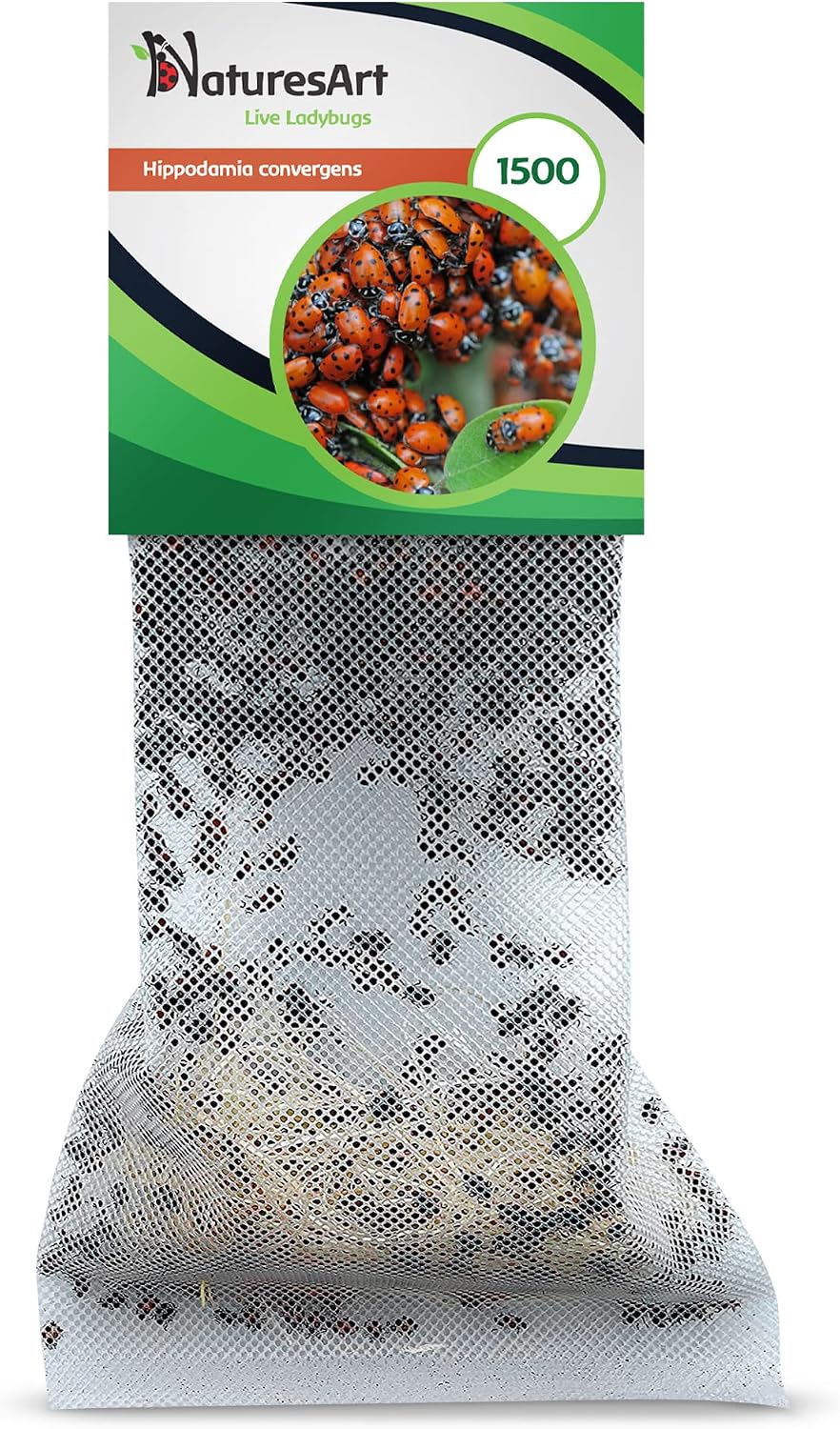
Ladybugs are one of the best known beneficial insects for controlling pests in gardens, greenhouses and farms. Benefits of Ladybugs: 1. Shipped to you in the adult stage ready to feed. 2. Highly mobile allowing them to travel from plant to plant. 3. Generalist predators that feed on most soft-bodied pest insects. 4. Each adult can consume up to 5,000 aphids in a lifetime. 5. The larvae eat 50-60 aphids per day. Release Instructions: When releasing outdoors make sure that there is shade for the ladybugs. Try to release in the evening so that they have some time to adapt to your location. Give your plants a light misting of water before the release. The ladybugs may become dehydrated during travel. The moisture will also help to attract and retain the ladybugs. The ladybugs, which are shipped through may, we call “winter” lady bugs and they should live at least through may, when properly refrigerated. light watering usually helps survival.The new crop of “summer” ladybugs arrives in late may or early june. They have as much as 70 percent stored body fat by weight. This stored fat is so that they can survive through next spring with some water as they go into “diapause” which is similar to hibernation.
SPARTAN MOSQUITO
See current price

Natures Good Guys
See current price
Natures Good Guys
See current price

Natures Good Guys
See current price
See current price