
SPARTAN MOSQUITO
Spartan Mosquito Pro Tech - 1 Acre Pack 4 Tubes (2 Boxes) 100% American Made
See current price

Compare beneficial insects and related garden pest-control products by species, release method, coverage, and handling requirements to find a suitable option for your plants.
66 products in catalog
66 results
SPARTAN MOSQUITO
See current price

Natures Good Guys
See current price
Natures Good Guys
See current price

Natures Good Guys
See current price

NaturesGoodGuys
See current price

Bug Sales
See current price

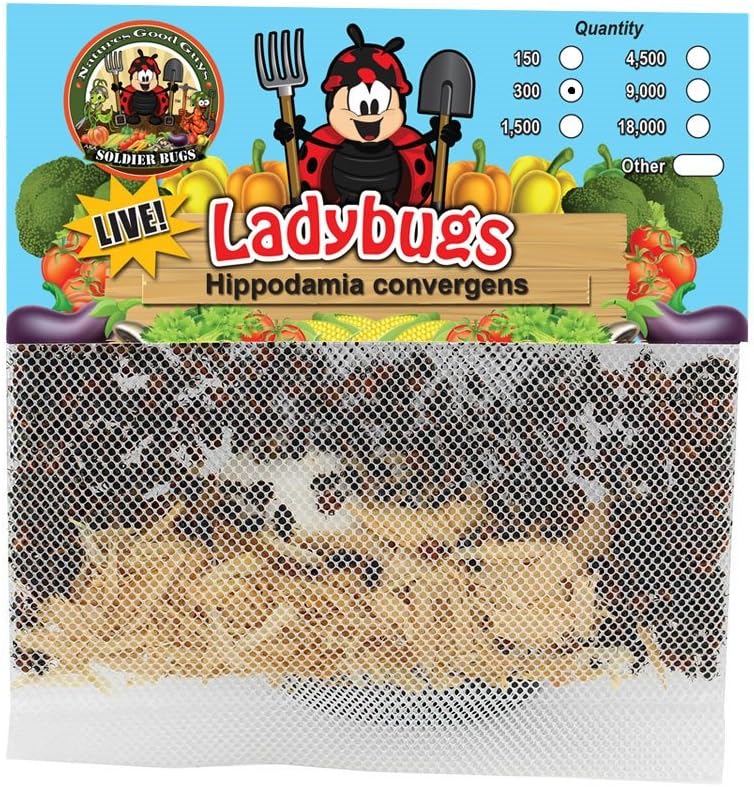

The Hydroponic City
See current price

NaturesGoodGuys
See current price
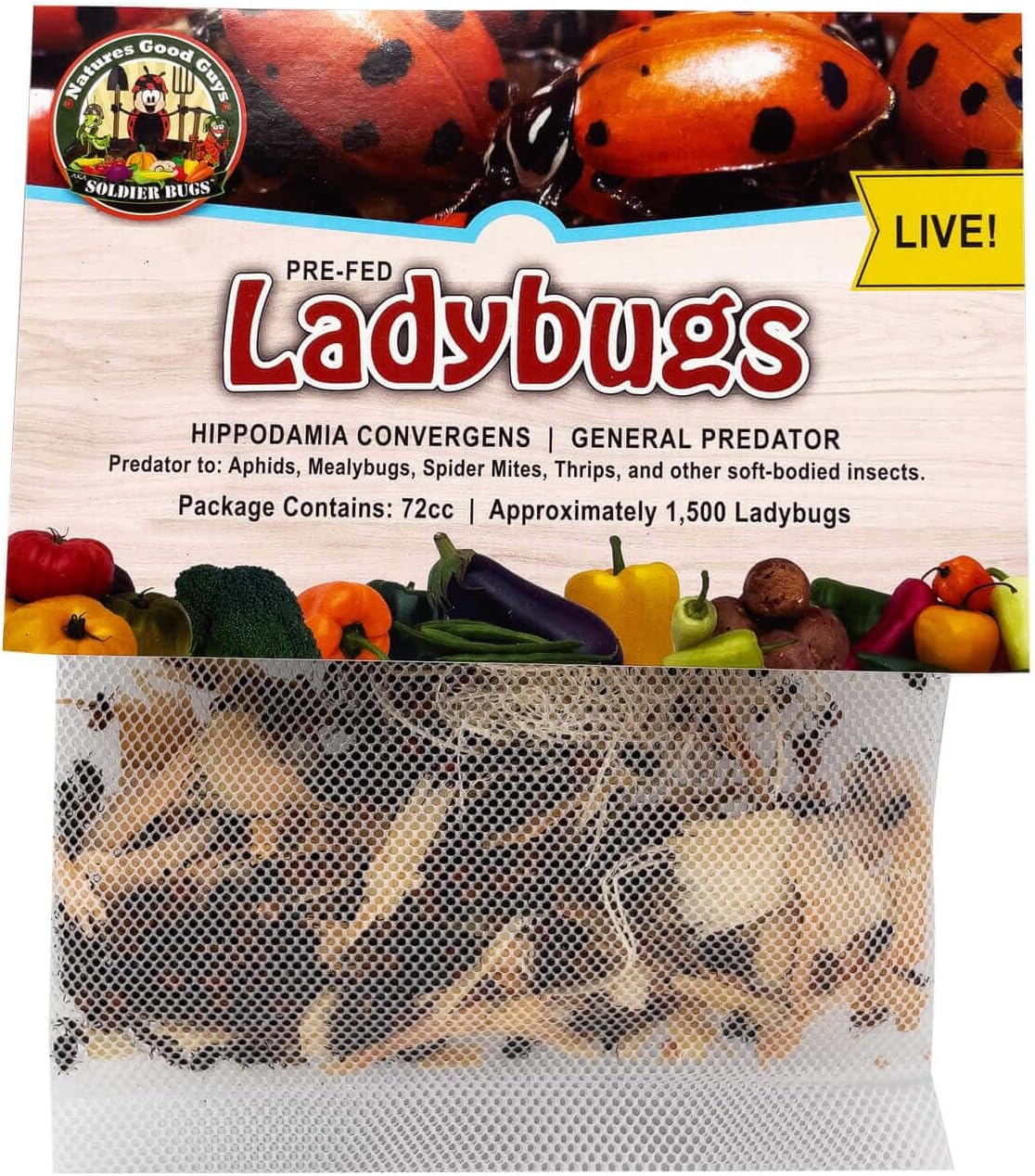


Bazos live
See current price

Hirt's Gardens
See current price

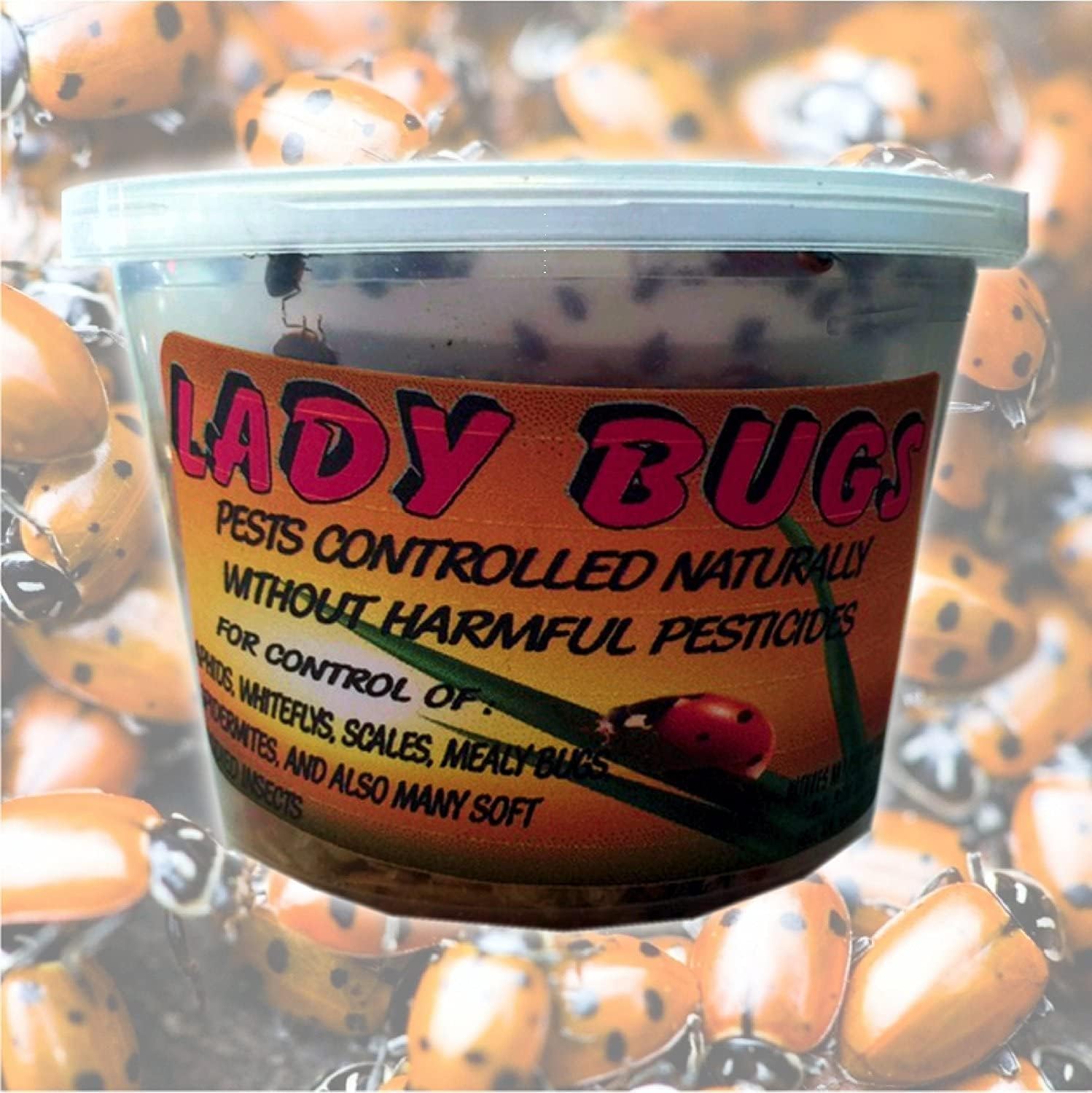
Bazos live
See current price


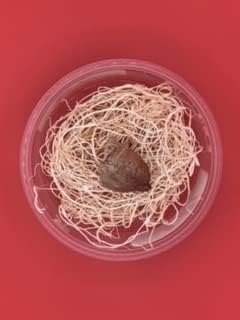
Hirt's Gardens
See current price


Beneficial insects can support a garden’s pest-management plan by targeting unwanted insects without relying solely on broad-spectrum treatments. The category may include predatory insects, parasitoids, mites, nematodes, and products designed to help useful organisms establish around plants.
The right choice depends on the pest, growing environment, timing, and whether the product contains live organisms or supports a habitat where beneficial species can thrive. Compare the listed specifications and usage instructions carefully before choosing.
Start by identifying the pest you want to manage. Aphids, thrips, whiteflies, fungus gnat larvae, caterpillars, and other pests may require different beneficial species or life stages. A product intended for one pest should not be assumed to work for another.
Consider these factors:
Predatory insects actively consume pests during part or all of their life cycle. They may be considered for plants with recurring pest pressure, especially when the goal is ongoing biological control rather than a one-time knockdown.
Parasitoids use a pest host as part of their development. Products containing these organisms are typically chosen for a specific target pest, so the host match and release instructions matter.
Predatory mites and nematodes are not insects, but they are commonly grouped with beneficial organisms for garden pest management. They may be useful in soil, greenhouse, or plant-growing applications depending on the species and conditions.
Some products focus on attracting, sheltering, or supporting beneficial species rather than supplying live organisms directly. These can complement other methods by improving the surrounding habitat, though they may not provide immediate control of an active infestation.
Read the product details for the organism’s scientific or common name, target pests, life stage, and recommended application area. A listing may also specify whether the product is supplied as adults, larvae, eggs, mites, nematodes, or another form.
Release format is another important comparison. Organisms may arrive in a carrier material, sachet, tube, packet, or other dispenser designed for placement near plants. The format can affect where and how the product is applied.
Check storage and delivery guidance before ordering. Live organisms can be sensitive to heat, cold, moisture, light, and delays. Follow any instructions about opening the package, releasing the contents, and avoiding direct exposure to incompatible treatments.
Also compare:
Inspect plants regularly so a pest problem can be identified before it becomes widespread. Remove heavily affected leaves when appropriate, improve airflow, and avoid conditions that encourage the target pest. Beneficial organisms generally work as part of an integrated approach rather than as an instant replacement for every other control method.
Avoid releasing organisms in unsuitable conditions. Follow the product directions for placement, timing, and handling, and keep packaging information available for reference. If other pest-control products are being used, check their compatibility first. Apply only what is appropriate for the intended plants and growing area.
Brands represented in this catalog include NaturesGoodGuys, Natures Good Guys, Bug Sales, Clark&Co Organic, FMC, Bazos, OFF!, Hirt’s Gardens, Mood Lab, Orcon, Bazos live, and Nema Globe. Brand availability can vary by product, so compare each listing’s organism, intended use, specifications, and handling instructions rather than choosing by brand name alone.
Beneficial organisms may be a good fit when targeted, low-residue management is preferred, but other approaches can be more suitable for immediate control or a different pest situation. Compare Repellents for products intended to discourage pests, or review Traps and Baits & Lures for options that attract or capture specific pests.
For flying insects, Bug Zappers and Fly Swatters offer different forms of direct control. Foggers are another category with distinct application and safety considerations. Comparing the target pest, treatment area, and usage requirements can help narrow the choices.
Beneficial insects and related organisms are used to help manage specific garden pests through predation, parasitism, or other biological control methods.
Some products may be intended for indoor use, greenhouses, or enclosed growing areas. Check the listing for environment guidance, target pests, and release requirements before use.
Match the organism to the pest first, then compare the recommended temperature, humidity, coverage, life stage, and release method.
Some pesticides can harm beneficial organisms. Review compatibility information and follow the product directions before combining treatments.
Biological control may take time and depends on the organism, pest level, environment, and correct release. Check the product instructions for expected use and repeat-application guidance.