
WeBoost
Wilson Electronics Pole Mount for weBoost Outside Home Antenna - 901117 - 10" length
See current price

Compare signal boosters by coverage needs, carrier compatibility, installation style, and antenna design. Review specifications and features before choosing equipment for a home, vehicle, office, or other location.
92 products in catalog
92 results
WeBoost
See current price



WeBoost
See current price
WeBoost
See current price



![DT Cellphone Booster [Wireless Phone Accessory]](https://m.media-amazon.com/images/I/31nnywkdhEL._AC_.jpg)


Signal boosters are designed to improve cellular connectivity in places where walls, distance, terrain, or vehicle construction can weaken a phone signal. The right setup depends on where it will be used, which carriers and bands it supports, and how much area needs coverage.
K-Catalog helps shoppers compare signal booster specifications and features before visiting Amazon to check current availability and purchase options. If you are browsing more mobile accessories, see the broader Accessories category.
Start by identifying the location and the type of signal problem. A booster for a car or truck has different installation requirements from one intended for a house, workshop, office, RV, or other larger space.
Consider these questions before comparing models:
Signal boosters are commonly separated by intended setting rather than by a single universal design. Vehicle boosters prioritize compact hardware, a suitable vehicle antenna, and straightforward power connection. They may suit cars, trucks, vans, and other mobile environments, provided the installation matches the product instructions.
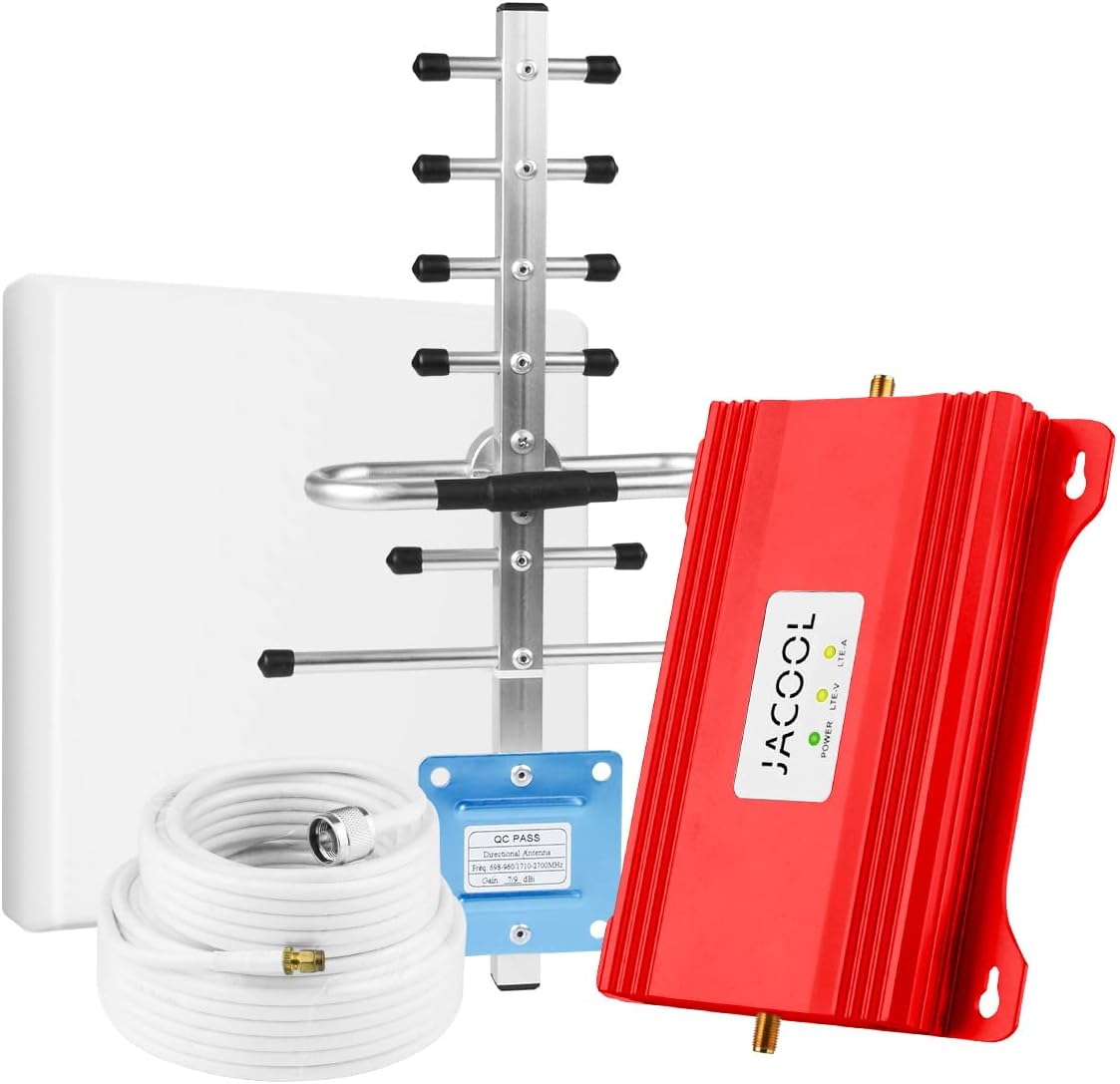
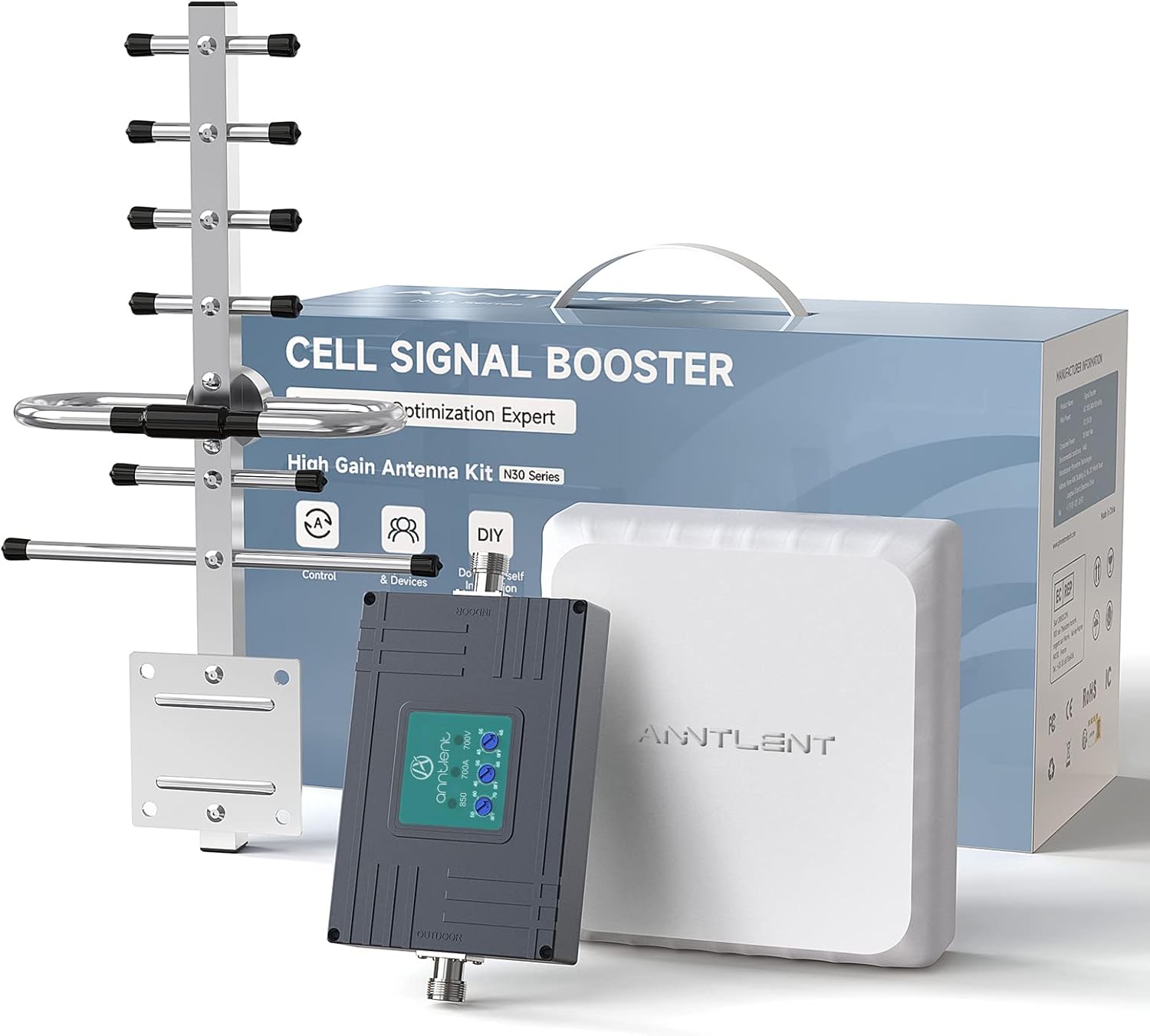
Home and office kits typically include an amplifier, an outside or donor antenna, cable, and an inside antenna. These systems can be appropriate when a building blocks an otherwise usable signal. For larger or more divided spaces, compare the antenna arrangement, cable length, and whether the kit supports additional indoor coverage components.
RV and remote-use setups may need a balance between portability, power options, antenna placement, and resistance to movement or changing conditions. Carefully distinguish equipment intended for a stationary building from hardware designed for travel.
The most useful comparisons are the ones that match the actual installation rather than simply choosing the highest-looking specification.
The Signal Boosters catalog includes products from WeBoost, Wilson Electronics, HiBoost, Amazboost, JACOOL, SureCall, Phonetone, Becky, ZBOOST, Subroad, Wireless Extenders, and As Seen On TV. Comparing products within and across these brands can help reveal differences in supported bands, antenna configuration, included accessories, controls, and intended use. Brand presence in the catalog is provided for comparison and is not an endorsement.
Before mounting anything, identify where the strongest usable outside signal is likely to be found and plan the separation between the outside and inside antennas. Excessively close placement can make a system harder to configure, while long or poorly routed cable can affect the installation.
Read the manufacturer’s compatibility and installation information carefully. Confirm connector types, cable lengths, power requirements, carrier support, and whether the equipment is suitable for a fixed building or a vehicle. Follow local rules and the manufacturer’s instructions for antenna placement and operation.
A booster cannot replace a compatible phone, an active carrier plan, or a functioning network. If the issue is caused by device hardware, account service, congestion, or a complete lack of outside signal, a booster may not address the underlying problem. For related phone equipment, browse Chargers & Power Adapters or Maintenance, Upkeep & Repairs.
Usually, a booster needs an existing cellular signal to amplify. If there is no usable signal at the antenna location, the equipment may not provide service by itself.
Check the product’s supported bands and carrier compatibility information against the networks used in your area. Carrier names alone may not identify every band required.
Choose based on the installation environment. Vehicle models are designed around mobile power and vehicle antennas, while home systems generally use an exterior antenna, indoor antenna, and building-specific cable routing.
Coverage depends on the system design, antennas, supported networks, incoming signal, building materials, and layout. Review the coverage guidance and antenna configuration rather than assuming every room will receive equal improvement.
Confirm supported bands, antenna placement, cable and connector compatibility, power requirements, mounting options, and the manufacturer’s installation instructions. Consider local requirements where applicable.