
Best Choice Products
Best Choice Products 38in Beginner All Wood Acoustic Guitar Starter Kit w/Case, Strap, Digital Tuner, Pick, Strings - SoCal Green
See current price

Explore acoustic guitars by body style, construction, playability, and included features. Compare specifications across the catalog before checking current availability on Amazon.
235 products in catalog
235 results
Best Choice Products
See current price


Martin Smith
See current price

Best Choice Products
See current price


Martin Smith
See current price


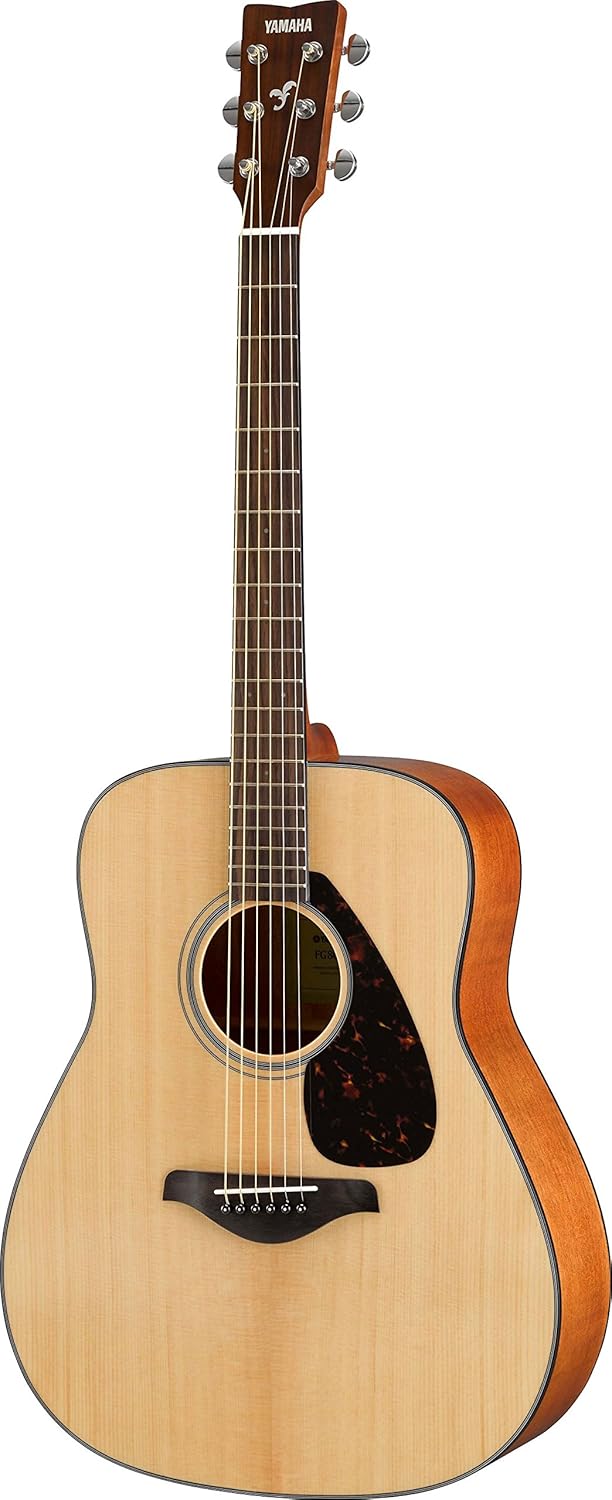


Acoustic guitars offer a direct, portable way to play everything from folk and country to pop, rock, and singer-songwriter music. The right instrument depends on how you plan to play, the sound you prefer, and which dimensions feel comfortable.
Use this catalog to compare construction details, tonewoods, neck specifications, hardware, and included accessories. Product listings can vary considerably, so reviewing the full specification list is important before choosing.
Start with the guitar’s intended role. A comfortable instrument for practice and casual playing may have different priorities from one intended for recording, performing, or accompanying vocals.
Consider these factors:
Body shape affects comfort, volume, resonance, and the way the instrument sits while playing. Common acoustic designs include compact travel-oriented bodies, balanced auditorium-style bodies, and larger designs intended for a broad, projecting sound. A cutaway shape can make upper-fret access more convenient, while a traditional full-body outline may emphasize a classic appearance and feel.
When comparing listings, pay attention to both the body style and the instrument’s dimensions. Two guitars described with similar general terms can still feel different in depth, neck profile, and overall balance.
Review whether the top, back, and sides use solid wood, layered wood, or other listed materials. Construction can affect resonance, durability, appearance, and maintenance needs. The finish also matters because it contributes to the instrument’s look and may influence how the wood is protected.
Compare the neck material, fingerboard material, nut width, scale length, fret count, and fret markers when those specifications are available. These details help indicate how the guitar may feel under the left hand and whether it suits fingerstyle playing, chord work, or lead passages.
Check the tuner type, bridge material, saddle, nut, and string specifications. Stable tuning hardware and a well-matched bridge and saddle can make regular playing more convenient. If replacement strings are important to you, confirm the listed string type and gauge before ordering.
Some acoustic guitars are listed with accessories such as a gig bag, strap, picks, tuner, strings, or instructional materials. Treat these as part of the overall package, but compare the guitar’s specifications separately so accessories do not overshadow the instrument itself.
The catalog includes acoustic guitars from Yamaha, Fender, Crescent, ARTALL, CNBLUE, Pyle, Donner, Strong Wind, Best Choice Products, LAGRIMA, Smartxchoices, and adm. These brands may appear across different designs and package configurations, so compare the details of each individual listing rather than relying on the brand name alone.
If you want to connect the instrument to an amplifier or recording setup, compare Acoustic-Electric Guitars. Players seeking a different pickup approach and amplified sound may prefer Electric Guitars, while nylon-string construction and a traditional classical feel are covered in Classical & Nylon-String Guitars. Browse the broader Guitars category to compare other instrument types.
Store an acoustic guitar in a suitable case or gig bag and keep it away from abrupt environmental changes, excessive heat, and direct sunlight. Wipe the strings and finish with materials intended for guitar care, and avoid household cleaners unless the manufacturer specifically allows them.
Before buying, confirm that the guitar’s size is suitable for the intended player and that the package includes anything required for immediate use. If you plan to amplify the instrument, check whether it has built-in electronics; a standard acoustic model may require a separate pickup or microphone.
Yes. Beginners often benefit from a comfortable body size, manageable neck profile, dependable tuning hardware, and a package that includes useful accessories. The best choice depends on the player’s comfort and musical goals.
An acoustic guitar produces sound acoustically and may need a microphone or separate pickup for amplification. An acoustic-electric guitar includes electronics designed to connect to an amplifier or other compatible equipment.
Yes. Body shape and depth influence resonance, projection, tonal balance, and playing comfort. Compare the listed dimensions along with the body-style description.
Focus on body dimensions, neck shape, nut width, scale length, instrument weight when listed, and the guitar’s overall balance. These details can help you anticipate how the instrument may feel when seated or standing.
Accessories can add convenience, especially for a new player, but the guitar’s construction, playability-related specifications, and intended use should remain the primary considerations.