
Best Choice Products
Best Choice Products 39in Full Size Beginner Electric Guitar Starter Kit w/Case, Strap, 10W Amp, Strings, Pick, Tremolo Bar - Jet Black
See current price

Compare electric guitars by body style, pickups, neck feel, hardware, and included features. Use the catalog to narrow your options before checking current availability on Amazon.
196 products in catalog
196 results
Best Choice Products
See current price

Master Play
See current price

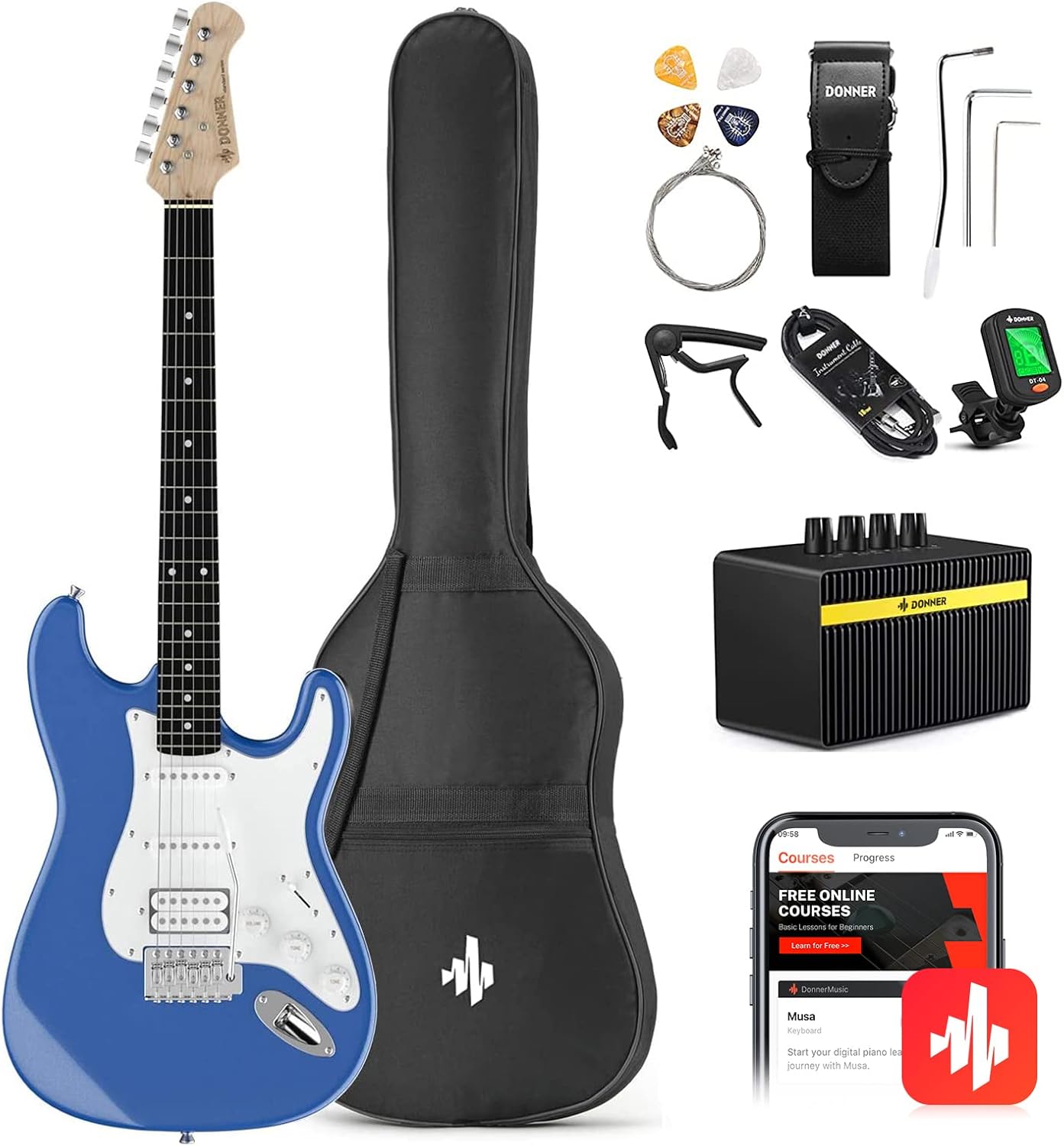


Master Play
See current price

Best Choice Products
See current price


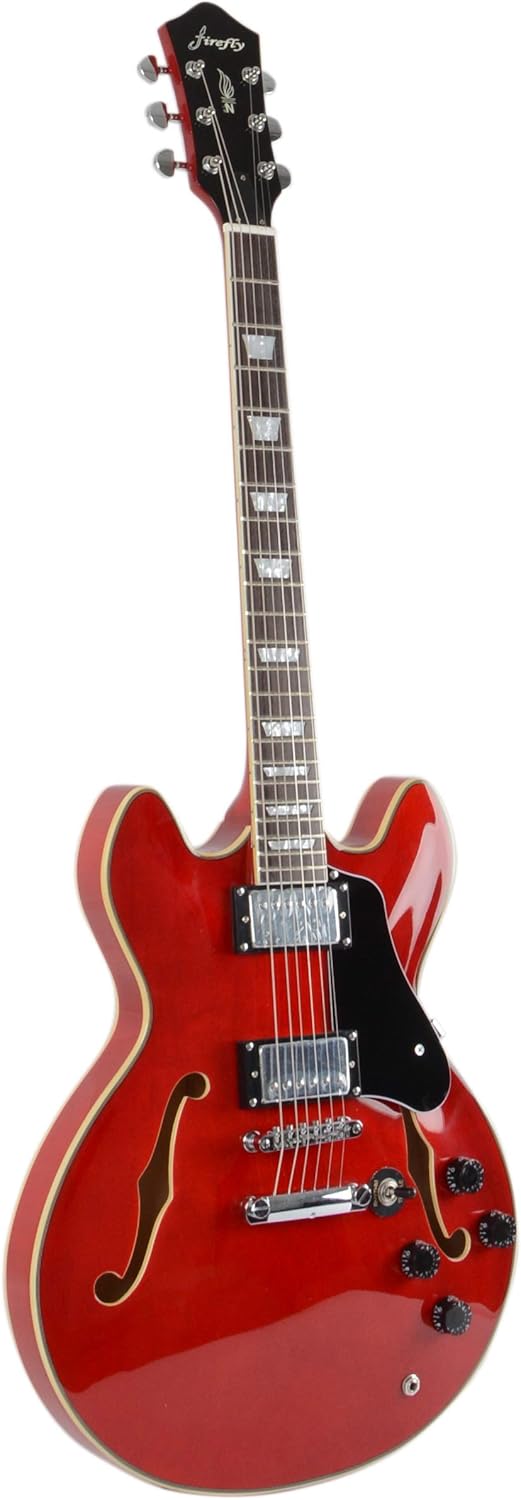
Firefly
See current price


Fender
See current price

Inscape Data
See current price
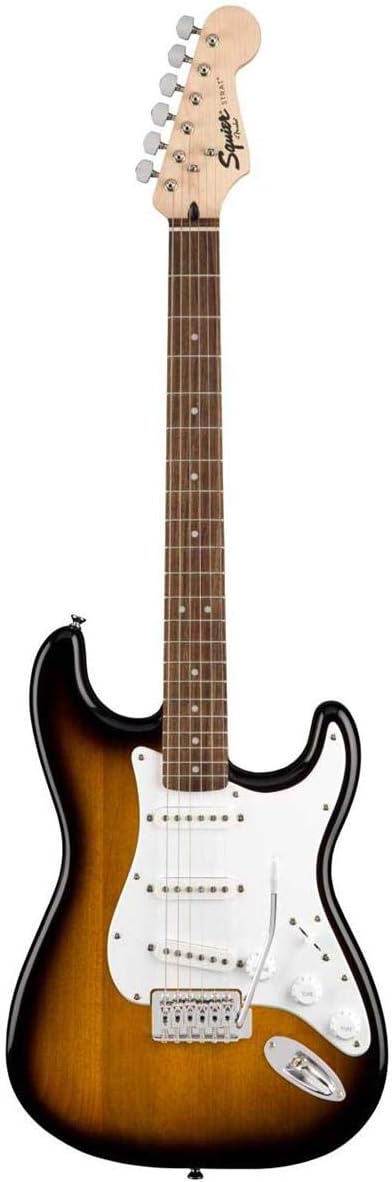
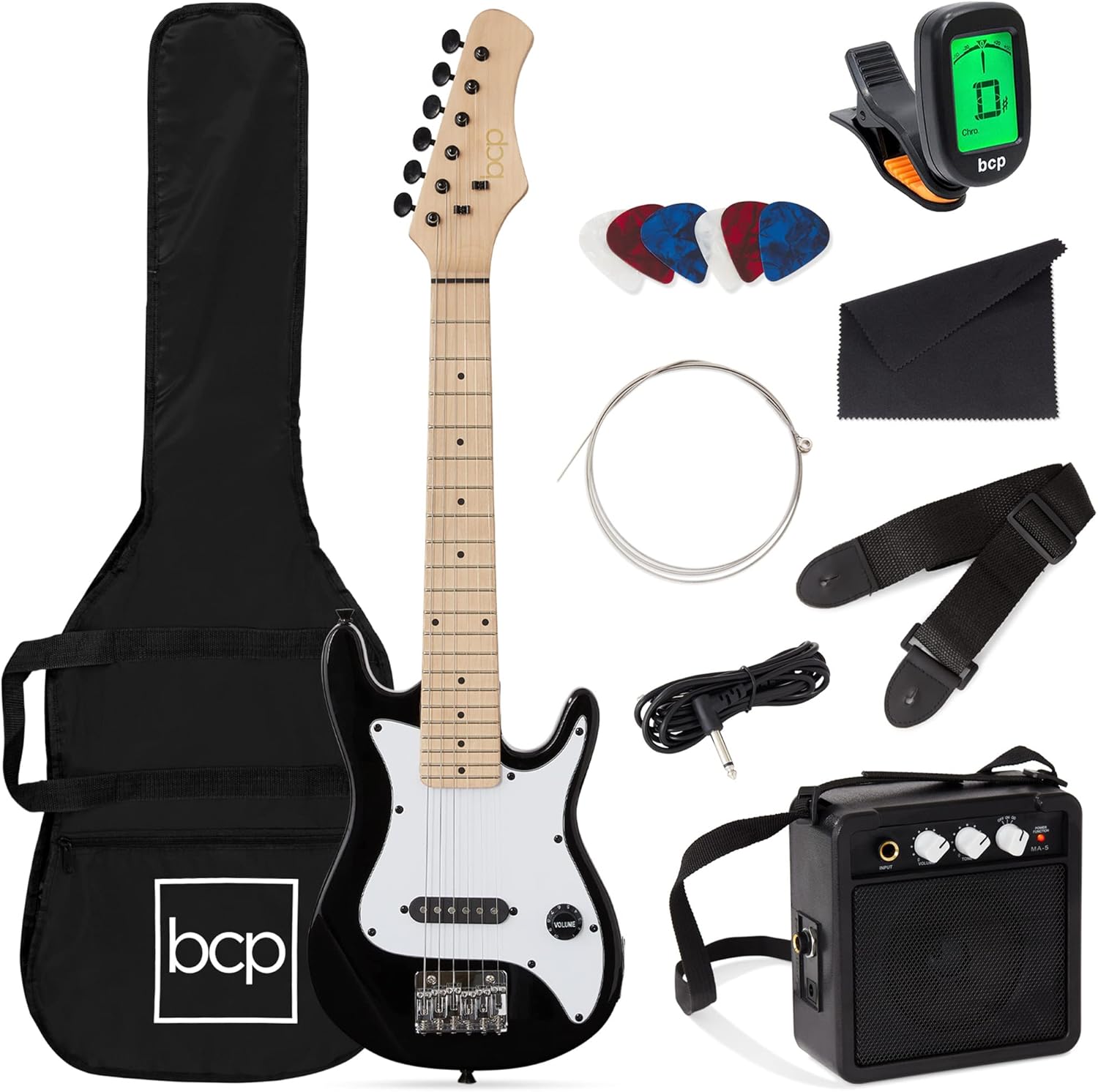
Best Choice Products
See current price

Ibanez
See current price


Fender
See current price

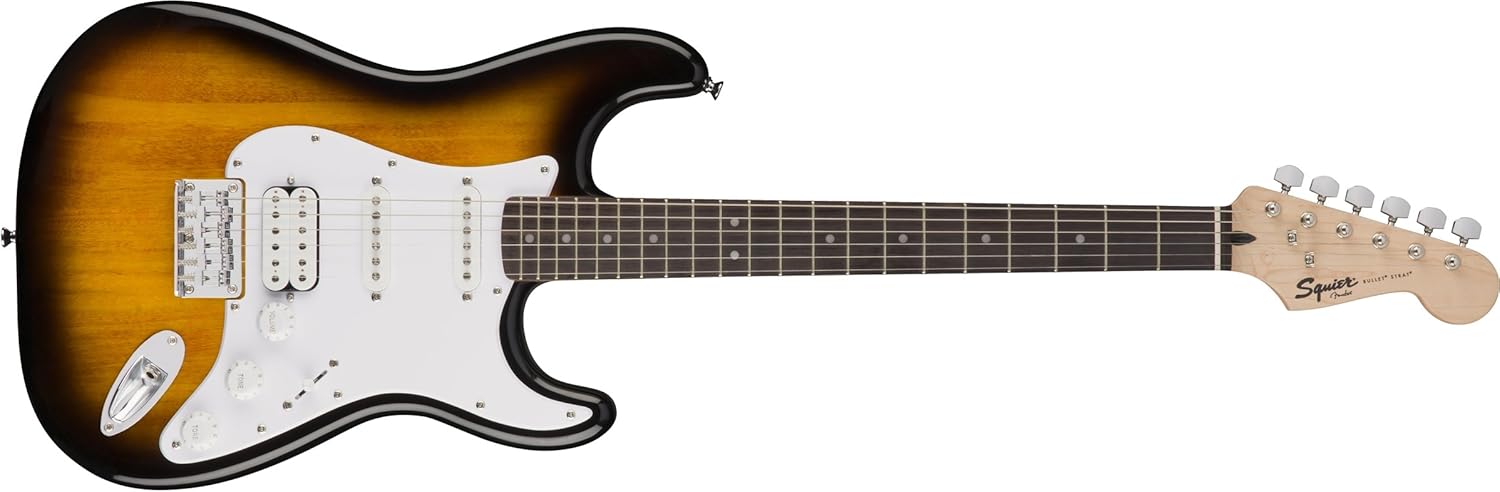
Fender
See current price

Electric guitars offer broad tonal flexibility, from bright and articulate sounds to warm, powerful overdrive. The right choice depends on how you plan to play, the feel you prefer, and the equipment you already use or intend to add.
This K-Catalog selection makes it easier to compare specifications and features across electric guitars. Consider the instrument’s construction, electronics, scale, hardware, and setup needs rather than choosing by appearance alone.
Start with your playing style and the sound you want to produce. A guitar used for clean chords may call for different pickup characteristics and controls than one intended for heavier distortion or sustained lead playing.
The neck is equally important. Pay attention to the neck shape, fingerboard material, fret layout, and scale length listed in the specifications. These details affect reach, string tension, and overall playing comfort. Beginners may prefer a neck that feels manageable and easy to navigate, while experienced players may already know the dimensions they favor.
Body shape and weight also matter. A solid-body design is a common choice for amplified playing, while the instrument’s contours, balance, and access to higher frets can influence comfort during practice or performance.
There are no separate subcategories listed for this catalog page, so compare individual instruments by their construction, electronics, and intended use. Common distinctions include solid-body designs, semi-hollow instruments, pickup configurations, and guitars designed around particular playing styles.
If you are still deciding between guitar families, browse Guitars for a wider selection. Players who want an instrument that works acoustically as well as through an amplifier can compare Acoustic-Electric Guitars. For an unplugged-focused instrument, see Acoustic Guitars, while Classical & Nylon-String Guitars may suit traditional fingerstyle technique and nylon-string preferences.
Pickup configuration is one of the most important specifications to compare. Single-coil pickups are often associated with clear attack and pronounced detail, while humbucker designs are commonly chosen for a fuller sound and reduced interference. Some guitars combine pickup types to provide a broader range of tones.
Also check the control layout. Compare the number and type of volume and tone controls, pickup-selection switching, and whether the guitar includes coil-splitting or other switching options. More controls can increase tonal flexibility, but a simpler layout may be easier to operate while playing.
Remember that an electric guitar’s sound depends on the complete setup, including the amplifier, effects, strings, and playing technique. Specifications can help you compare the instrument itself, but they do not describe every possible amplified result.
Before choosing, review the following details:
Compatibility is important as well. Verify that the guitar works with your amplifier, cable, effects pedals, and preferred string gauge. If buying for a beginner, an instrument bundle may be convenient, but compare the guitar’s core specifications separately from the accessories.
The catalog includes electric guitars from Fender, Grote, Ibanez, Epiphone, Z ZTDM, Donner, Best Choice Products, LAGRIMA, TheFretWire, Yamaha, Firefly, and Master Play. These brands may appear across different body styles, specifications, and package configurations, so compare the individual listing details rather than relying on the brand name alone.
Keep the guitar in a stable environment and protect it from excessive heat, cold, and humidity changes. Wipe strings and finished surfaces after playing, use a suitable stand or case, and inspect the cable jack, tuning hardware, and bridge periodically.
A new guitar may benefit from a professional setup, especially if the action, intonation, neck relief, or tuning stability does not match your preferences. When comparing listings, distinguish factory specifications from adjustments that may be needed after delivery.
Yes. Beginners can start with an electric guitar if the neck feels comfortable and the instrument is paired with the required amplifier or practice equipment. Simple controls and stable tuning can make learning easier.
Choose based on the sound and playing style you prefer. Single-coils may suit bright, detailed tones, while humbuckers may be preferable for thicker sounds and higher-gain playing. Mixed configurations offer additional flexibility.
An amplifier is normally needed to hear an electric guitar at a useful volume and shape its amplified tone. Check whether an amplifier or cable is included with the specific listing.
A tremolo bridge can require more attention to tuning balance, string changes, and setup than a fixed bridge. It may be worthwhile if pitch effects are an important part of your playing.
Compare the body and neck construction, scale length, pickups, controls, bridge, tuners, included accessories, and compatibility with your existing equipment. Then check the current product details on Amazon before ordering.