

Adhesives & Sealers for Home and Workshop Projects
Compare adhesives and sealers for repairs, installation, finishing, and maintenance. Review surface compatibility, application method, cure characteristics, and flexibility to narrow your options.
493 products in catalog
493 results
Filters

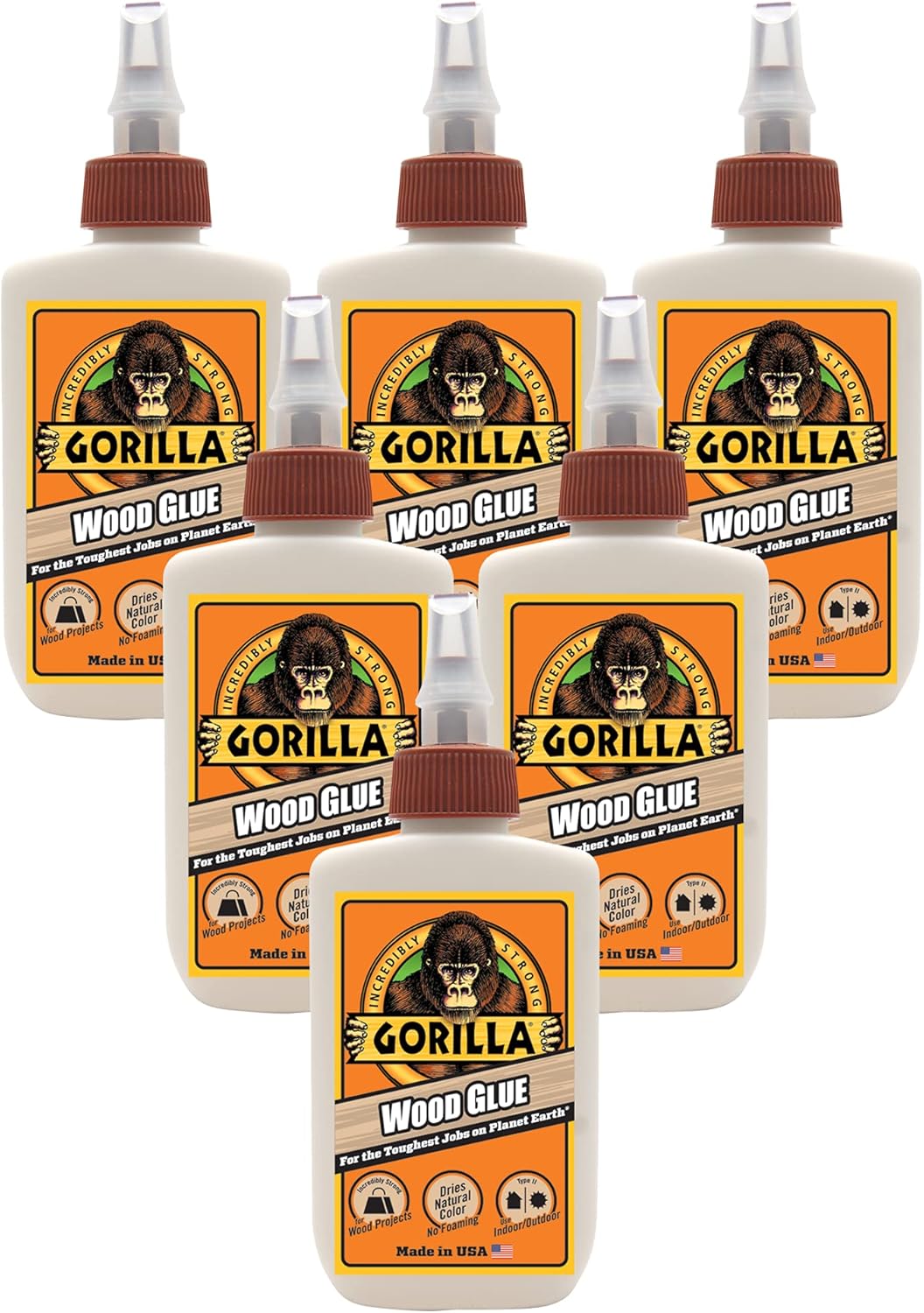
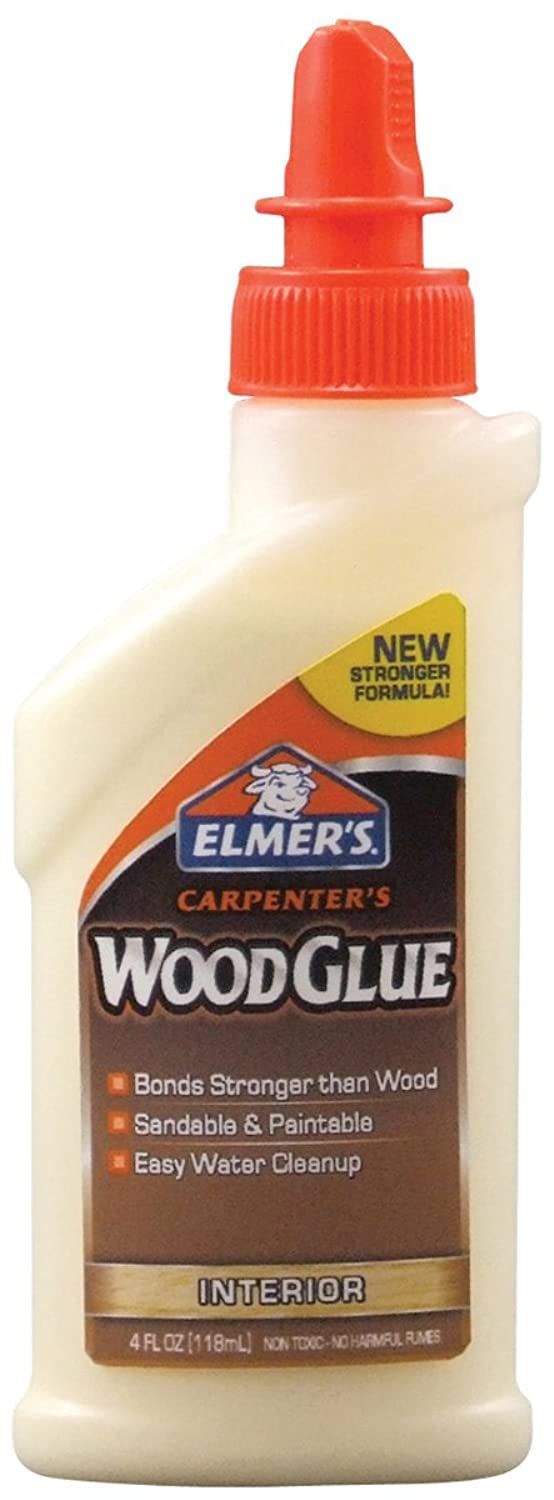


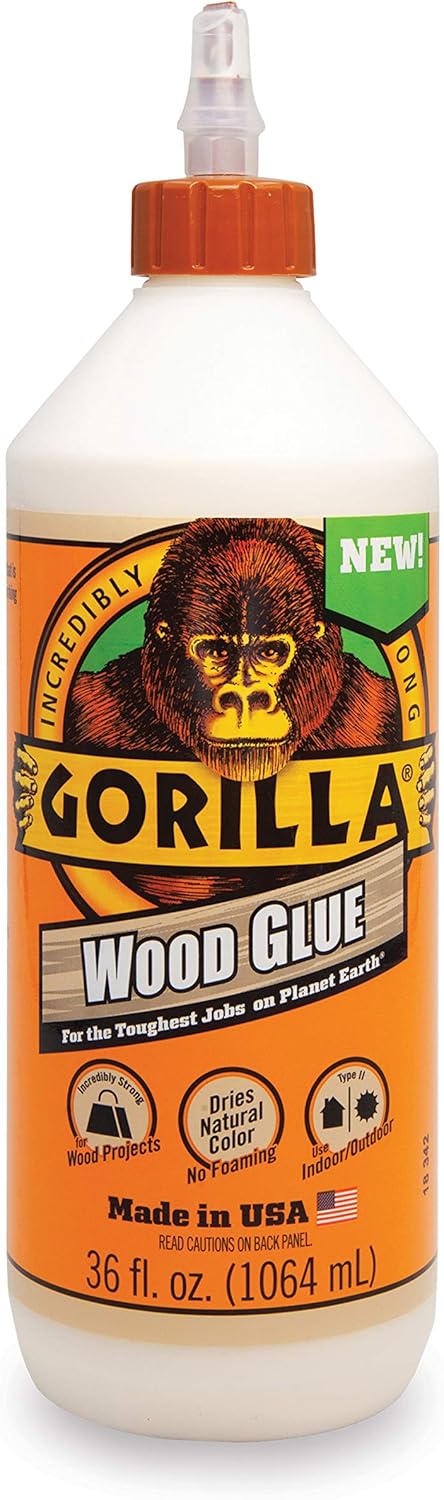


Gorilla
Gorilla Ultimate Waterproof Wood Glue, 8 Ounce, Natural Wood Color, (Pack of 1)
See current price

Rainbow Chalk Markers Limited
Grout Pen White Tile Paint Marker: Waterproof Grout Paint, Tile Grout Colorant and Sealer Pen - White, Wide 15mm Tip (20mL)
See current price


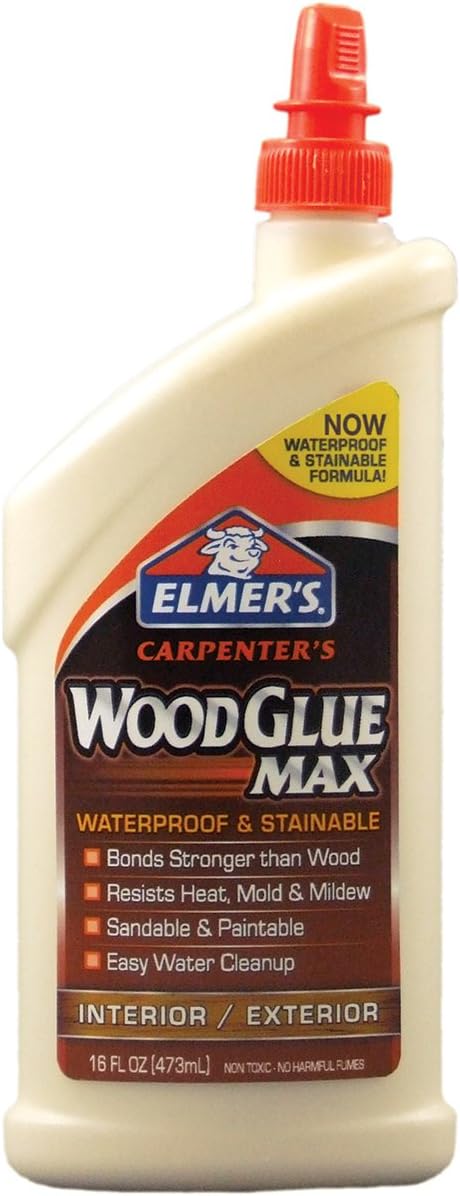
Elmer's
Elmer's E7310 Carpenter's Wood Glue Max Interior and Exterior, 16 Ounces, 16 Fl Oz
See current price




PC Products
PC-Products PC-Woody Wood Repair Epoxy Paste, Two-Part 12 oz, and PC-Petrifier Wood Hardener 16 oz, Kit
See current price
Popular brands in Adhesives & Sealers
Adhesives and sealers solve different problems, although some products can support both bonding and gap-filling. Adhesives are generally selected to join materials, while sealers help close gaps, resist moisture, or create a finished protective surface. The right choice depends on the materials involved, the conditions around the repair, and how much movement the joint will experience.
This K-Catalog category brings together options for household repairs, woodworking, remodeling, craft projects, surface finishing, and maintenance. Compare the specifications and features on each product page, then check the current price and availability on Amazon before buying.
How to choose an adhesive or sealer
Start by identifying the job rather than choosing by brand or package appearance. A product intended for porous wood may not be suitable for smooth plastic, metal, glass, masonry, or a painted surface. Look for the manufacturer’s stated compatible materials and intended applications.
Consider these questions before selecting a product:
- Are you bonding or sealing? A bonding product should be evaluated for grip and material compatibility. A sealer should be evaluated for gap coverage, flexibility, moisture resistance, and finish.
- Will the joint move? Flexible formulations are often more appropriate where materials expand, contract, vibrate, or flex.
- Where will it be used? Indoor, outdoor, damp, high-traffic, and exposed applications can require different performance characteristics.
- How will it be applied? Tubes, bottles, cartridges, sprays, brush-on coatings, and putties each suit different surfaces and project sizes.
- What finish do you need? Consider color, transparency, paintability, sheen, and whether the finished bead or bond will remain visible.
Adhesive and sealer types to compare
The catalog includes products for several common project needs, even though they may be sold under different formulation names. Wood adhesives are worth comparing for furniture repairs, trim, cabinetry, and other porous wood projects. General-purpose craft and household adhesives may be more suitable for light repairs or decorative work.
Construction and multipurpose adhesives can be useful when joining building materials, trim, panels, or other larger components. Sealants and waterproofing products are typically compared for their ability to close joints, protect surfaces, and accommodate movement. Finishing and repair products may be intended for touch-ups, surface restoration, or filling imperfections rather than structural bonding.
For adjacent installation projects, browse Hardware, or compare related catalog areas such as Door Hardware & Locks, Cabinet Hardware, and Bathroom Hardware. Furniture Hardware can also be relevant when an adhesive or sealer is part of a furniture repair or upgrade.
Key specifications and features
Product specifications can reveal important differences that are not obvious from the category name. Pay attention to:
- Compatible substrates: Confirm that the product is designed for every material being joined or sealed.
- Cure and drying information: Distinguish between initial set, handling time, and full cure when planning a project.
- Gap-filling ability: Some formulas are intended for close-fitting surfaces, while others can accommodate small gaps or imperfections.
- Flexibility and durability: A rigid bond may suit one application, while a flexible seal may be better for joints exposed to movement.
- Moisture and temperature suitability: Check the stated environment and limitations before using a product in wet areas or outdoors.
- Application and cleanup: Review the recommended tools, surface preparation, ventilation guidance, and cleanup method.
- Color and finishing: If the product will remain visible, compare available colors and whether it can be sanded, painted, or coated.
Brands represented in the catalog
Brands represented in this category include Titebond, Elmer's, Rainbow Chalk Markers Limited, DAP, Gorilla, Flex Seal, Mohawk Finishing Products, Miracle Sealants, FastCap, Red Devil, MasonryDefender, and Tenax. They cover a range of adhesive, sealing, repair, masonry, finishing, and maintenance applications. Compare each product’s stated use and specifications rather than selecting solely by brand familiarity.
If your project involves securing a temporary cover or load, Tarps & Tie-Downs may be a more appropriate related category. For mounted storage or wall-supported surfaces, see Shelf Brackets & Supports and determine whether mechanical hardware, adhesive, or both are appropriate for the load and surface.
Preparation, application, and safety tips
A clean, dry, well-prepared surface is often essential for reliable results. Remove dust, grease, loose paint, rust, or old residue as directed by the product instructions. Test on an inconspicuous area when working with finished, painted, porous, or delicate materials.
Follow the package guidance for bead size, spreading, clamping, ventilation, and cure time. Avoid loading or washing a newly bonded or sealed area before the stated cure requirements are met. Use appropriate protective equipment and ventilation, especially when applying products in enclosed spaces. Store opened containers as directed so the product does not dry out or become contaminated.
Frequently asked questions
What is the difference between an adhesive and a sealer?
An adhesive is primarily selected to join materials, while a sealer is used to close gaps, block moisture, protect a surface, or create a finished joint. Some products may perform both functions.
How do I know whether a product will work on my materials?
Check the listed compatible substrates and application limitations. If the materials are dissimilar, confirm that the product specifically supports both surfaces.
Should surfaces be cleaned before applying adhesive or sealer?
Usually, surfaces should be free from dust, grease, loose coatings, and moisture unless the product instructions specify otherwise. Preparation requirements vary by formula and substrate.
Does a longer cure time mean a stronger bond?
Not necessarily. Cure time and bond performance are different specifications. Follow the product instructions and compare the stated characteristics for your application.
Can adhesive or sealer be used outdoors?
Only when the product specifications identify it as suitable for outdoor exposure and the relevant temperature and moisture conditions. Review limitations before application.