

Agricultural & Construction Machinery
Compare agricultural and construction machinery by intended use, power, dimensions, attachments, and maintenance needs. Use the catalog to narrow down practical options for farm, property, and jobsite tasks.
277 products in catalog
277 results
Filters


Bright Starts
Bright Starts John Deere Crank ‘Er Up Teether Keys Chillable Teething Toy BPA Free Ages 3 Months +, Green
See current price

Bright Starts
Bright Starts John Deere On The Cob Teether Easy Grasp Toy - BPA Free, Ages Newborn +
See current price
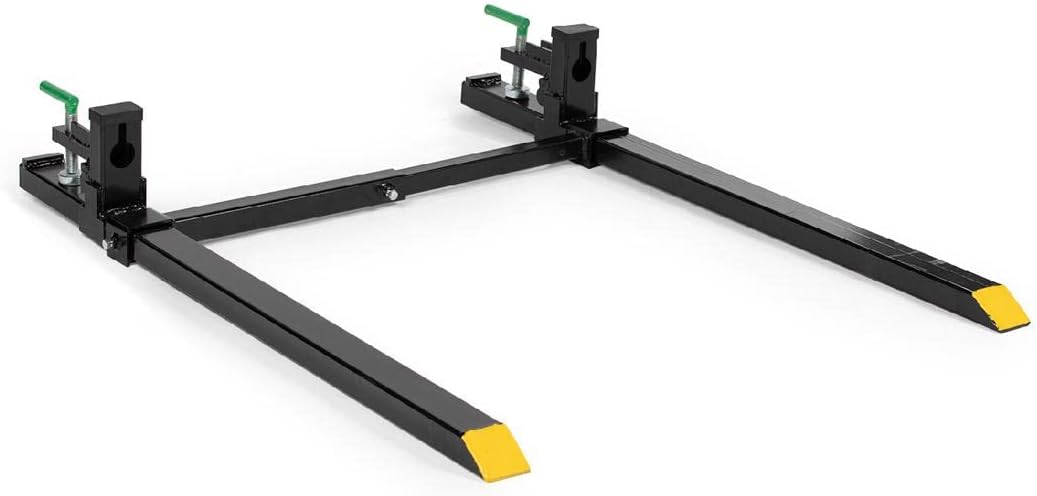


Briggs & Stratton
Briggs & Stratton 272475S Briggs and Stratton Rocker Cover Gasket, Grey
See current price


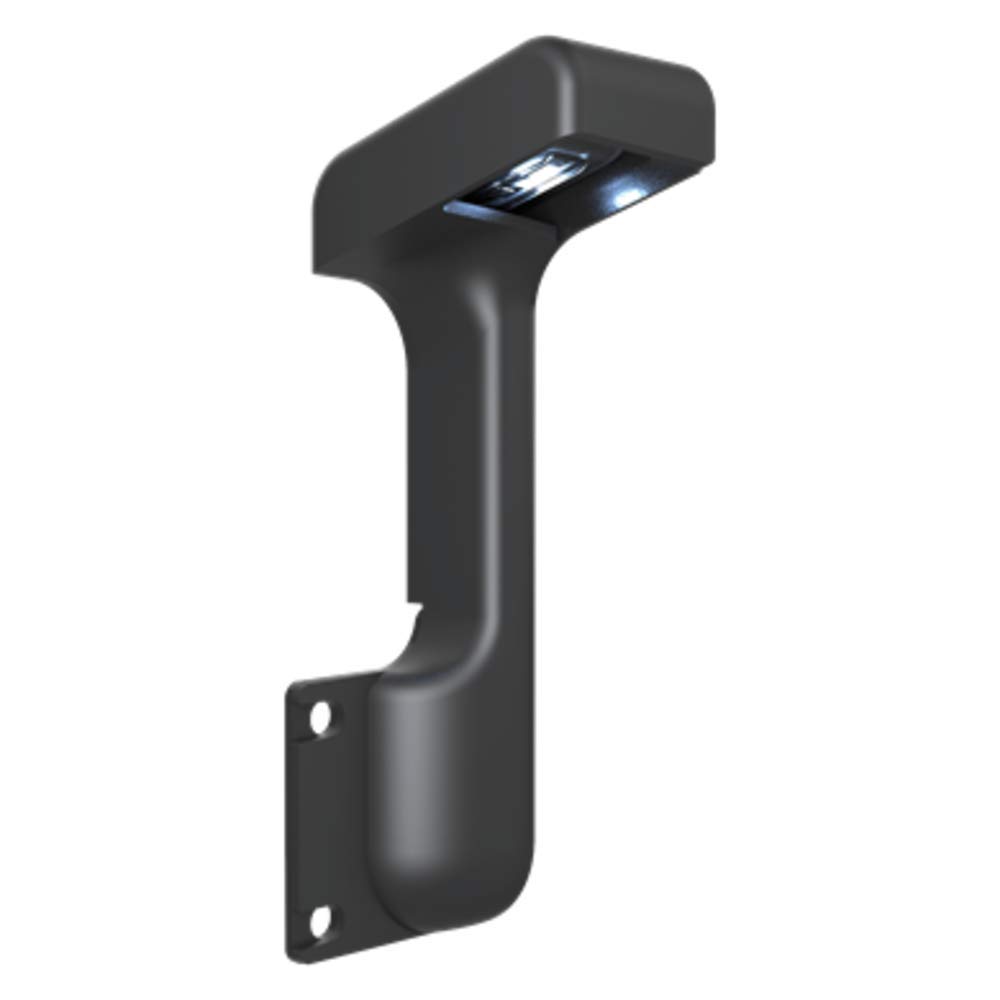


XtremepowerUS
XtremepowerUS 85060 Electric Post Hole Digger w/6" Bit Electric 1500W Auger Digging Drill
See current price

Chamberlain
Liftmaster Gear Kit 41C4220A Gear & Sprocket Assembly Direct Replacement
See current price


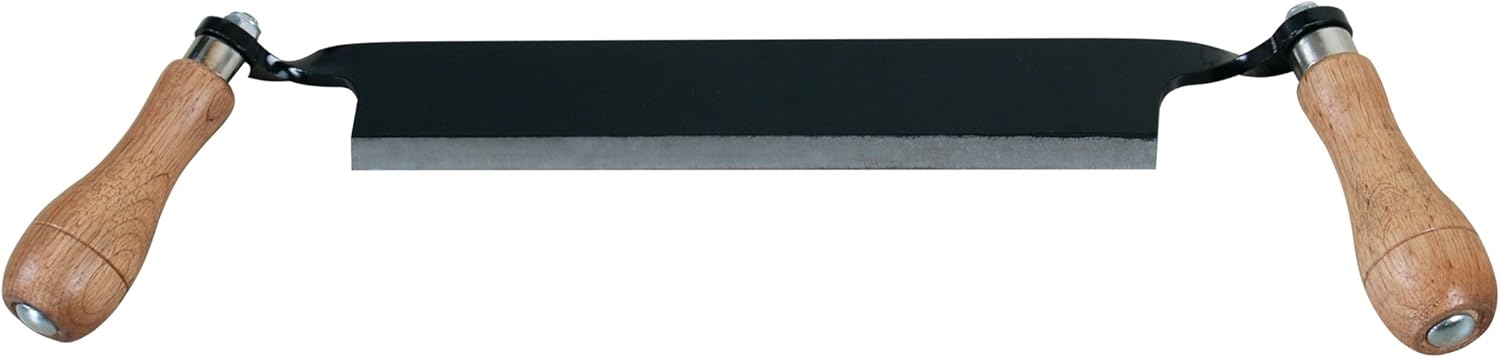


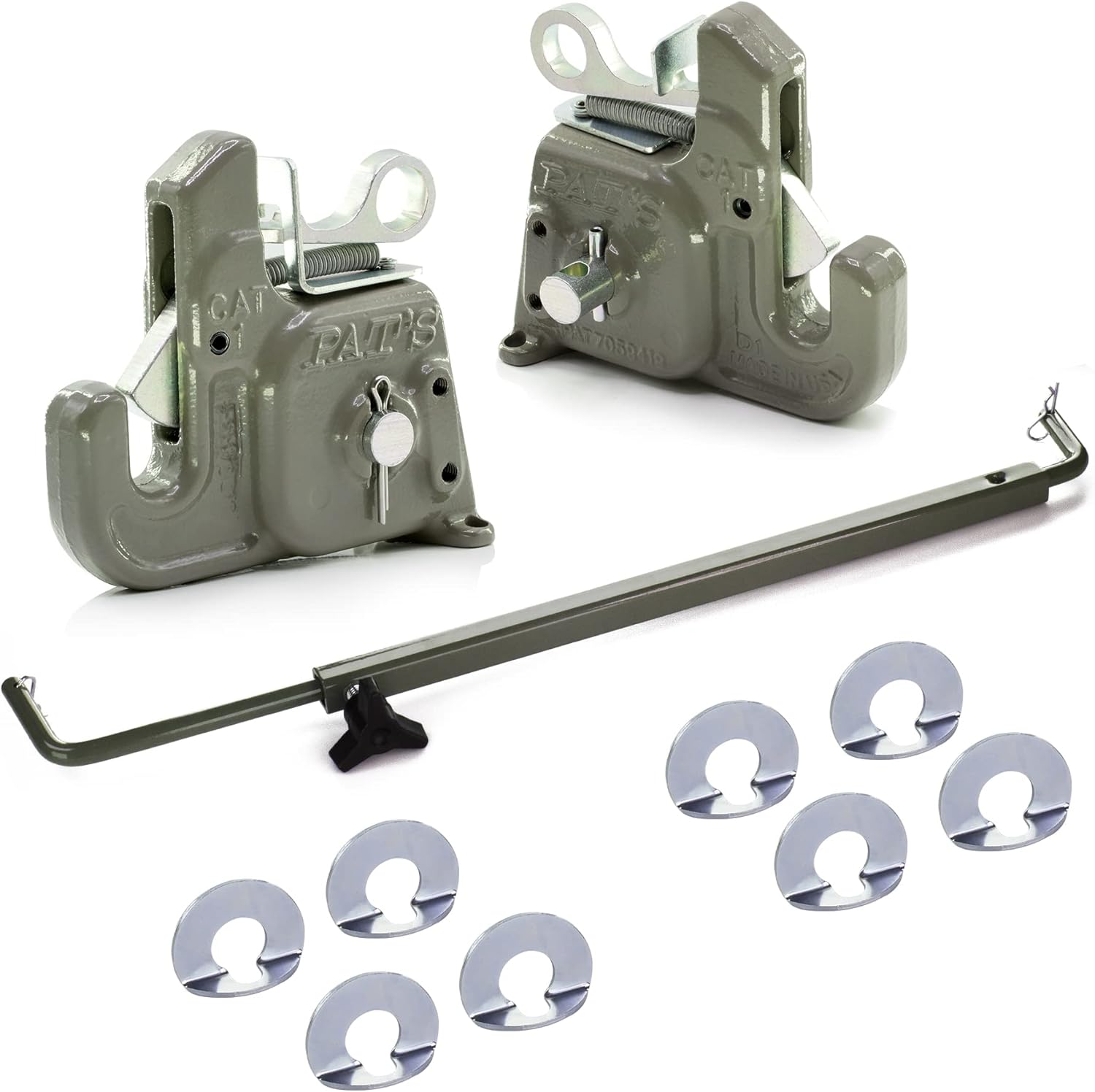


Popular brands in Agricultural & Construction Machinery
Agricultural and construction machinery can help with demanding work such as material handling, ground preparation, mowing, pumping, hauling, and property maintenance. The right choice depends on the task, available equipment, working conditions, and the level of control or capacity required.
Because this is a broad category, shoppers should compare specifications carefully rather than choosing by appearance alone. Pay attention to compatibility, operating requirements, replacement parts, and whether a machine or attachment suits the surfaces and materials involved.
How to choose agricultural and construction machinery
Start by defining the work the equipment must perform. A machine used for routine property maintenance may have different requirements from equipment intended for soil, gravel, livestock areas, or construction materials.
Consider these factors before comparing individual products:
- Task and material: Identify whether the equipment will handle grass, soil, water, feed, gravel, debris, or other materials.
- Work area: Measure access points, storage space, turning room, slopes, and the surface where the equipment will operate.
- Power source: Check the required fuel type, electrical connection, engine configuration, or compatible power unit.
- Capacity and output: Compare working width, lifting or hauling capacity, flow rate, coverage, or other task-specific specifications.
- Compatibility: Verify mounting style, connection points, shaft or hose requirements, and compatibility with existing equipment.
- Maintenance: Review access to service points, filters, belts, blades, seals, and other wear components before buying.
The best fit is usually the equipment that meets the actual workload without creating unnecessary storage, operating, or maintenance demands.
Common equipment uses and types
The catalog does not separate this category into listed subcategories, so shoppers may need to use product specifications and intended-use descriptions to distinguish among equipment types. Common areas to compare include:
- Ground and property work: Equipment for mowing, tilling, clearing, grading, or preparing soil should be matched to surface type, working width, and depth or adjustment options.
- Material handling: For moving soil, feed, gravel, debris, or supplies, compare capacity, attachment design, balance, and the equipment needed to operate the tool.
- Water and irrigation work: Pumps and related machinery should be checked for flow, head height, inlet and outlet dimensions, power requirements, and the type of water they are designed to handle.
- Maintenance and replacement components: Engines, belts, blades, filters, fittings, and other parts require exact compatibility checks before purchase.
- Construction attachments: Attachments should be matched to the host machine’s mounting system, operating capacity, hydraulic or mechanical connections, and intended jobsite material.
For equipment used around livestock or farm buildings, it can also help to browse the broader Farm & Ranch category and compare related equipment needs together.
Key specifications to compare
Specifications are especially important when products perform similar jobs. Check dimensions and weight to confirm that the equipment can be transported, stored, and used safely in the available space. For powered machinery, compare engine or motor details, operating speed, fuel or electrical requirements, and controls.
Attachments and implements often require close attention to connection details. Confirm the mounting method, compatible tractor or vehicle class, hydraulic requirements, shaft size, hose fittings, and adjustment range where applicable. A product that appears suitable may not work with existing equipment if one connection or capacity specification differs.
For pumps and fluid-handling equipment, compare flow rate, maximum lift, inlet and outlet sizing, priming method, and the intended liquid. For cutting or ground-contact tools, look at cutting width, working depth, blade or tine design, adjustment options, and replacement-part availability.
Brands represented in the catalog
Brands represented in this category include Briggs & Stratton, Stens, Titan Attachments, John Deere, Honda, INCREWAY, Pumplus, Kohler, YINTATECH, Yard Butler, BLIKA, and JCHOPE. Their products may cover different equipment types, replacement parts, accessories, and use cases, so compare the specifications of each individual product rather than relying on brand name alone.
Related farm and property categories
Machinery is often only one part of a larger farm or property setup. For equipment used with animal care, explore Livestock Supplies and Poultry Care. Projects involving shelters, enclosures, mounting points, or repairs may also benefit from Structures & Hardware. For pollinator operations and hive-related work, see Beekeeping Supplies.
Practical buying and maintenance tips
Before ordering, compare the product’s stated dimensions and connection requirements with the equipment already on hand. Confirm that replacement components are available in the correct size and configuration, and keep manuals or specification sheets for future maintenance.
Plan for storage and transport as well. Heavy or oversized equipment may need a suitable vehicle, lifting method, level storage area, and protection from weather. Follow the manufacturer’s operating and safety instructions, especially when using rotating blades, moving parts, pressurized systems, fuels, or hydraulic connections.
Frequently asked questions
How do I choose machinery for farm or property work?
Define the task, material, work area, power source, and required capacity first. Then compare dimensions, compatibility, controls, maintenance needs, and safety features.
What should I check before buying an attachment?
Confirm the mounting system, host-machine compatibility, operating capacity, hydraulic or mechanical connections, dimensions, and the attachment’s intended material or task.
How can I compare powered equipment?
Review the power source, engine or motor specifications, operating requirements, output, controls, service points, and replacement parts. Make sure the machine suits the available fuel or electrical setup.
What specifications matter for pumps?
Compare flow, lift or pressure capability, inlet and outlet dimensions, priming requirements, power needs, and the type of liquid the pump is designed to handle.
Is larger machinery always the better choice?
Not necessarily. Equipment should match the workload, access conditions, storage space, and compatible power unit. Oversized machinery can be harder to transport, operate, and maintain.