
Strathmore
Strathmore (456-42 400 Series Recycled Sketch Roll, Fine Tooth Surface, 36" x10 Yards , White
See current price

Compare art paper by texture, weight, format, and compatibility with your chosen medium. Browse options from established catalog brands for sketching, painting, drawing, and mixed-media work.
823 products in catalog
823 results
Strathmore
See current price


Strathmore
See current price


Canson
See current price
![Crayola Tracing Paper 8 1/2” X 11”, Transparent Vellum Paper for Tracing Pads, 150 Sheets [Amazon Exclusive]](https://m.media-amazon.com/images/I/81LVUh6UuNL._AC_SL1500_.jpg)

Canson
See current price

Honey Badger Coloring (Author)
See current price
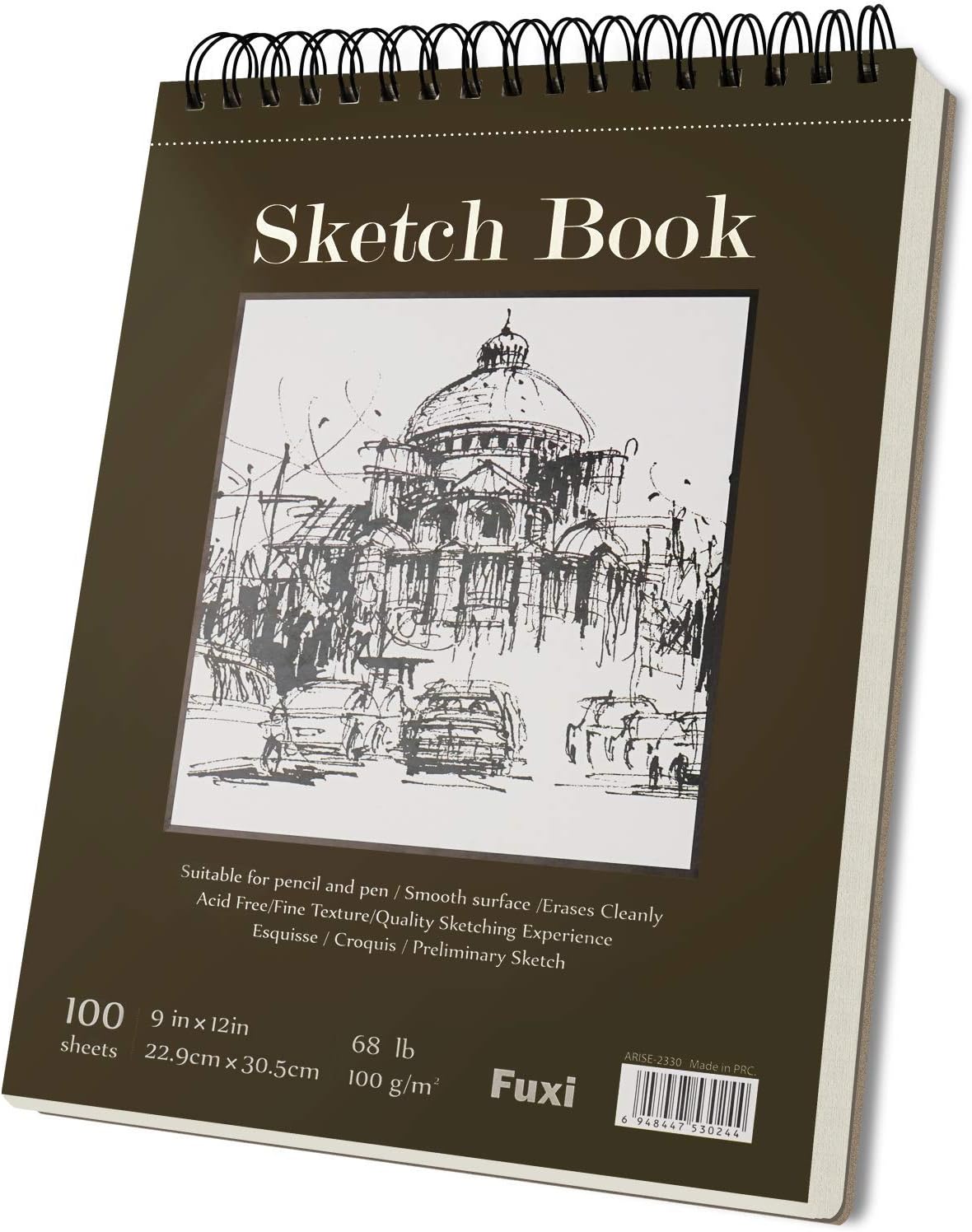


Strathmore
See current price


Art paper can affect how smoothly a medium applies, how well details hold, and whether a finished piece is suitable for display or storage. The right choice depends on both the medium and the way you work, from quick practice sketches to layered paintings and finished illustrations.
Use this catalog to compare paper specifications and features before visiting Amazon to check the latest product information. If you are building a broader supply collection, you can also browse Painting, Drawing, or the wider Painting, Drawing & Art Supplies category.
Start with the medium you plan to use most often. Pencil and charcoal typically benefit from a surface that gives the marks some grip, while ink may call for a smoother sheet that supports clean lines. Water-based media need paper designed to handle moisture, especially when applying washes or multiple layers.
Consider how you intend to use the finished work as well. Practice sheets, classroom projects, journals, portfolios, and display pieces may call for different formats and levels of durability. A convenient pad can be useful for regular work, while loose sheets may be preferable when you need specific dimensions or want to frame individual pieces.
Art paper is available in several surface and media-oriented formats. Product descriptions may use different terms, so compare the stated intended use with the actual specifications.
For a firmer working surface, compare paper with Boards & Canvas. An easel may also be useful when working on larger sheets or painting upright; see Easels.
Paper weight and thickness can indicate how substantial a sheet feels and how it may respond to erasing, layering, or moisture. Weight is not the only factor in performance, so review the stated media compatibility and care instructions as well.
Surface texture affects mark-making. Smooth paper can help with fine lines and controlled details, while textured paper can provide more tooth for dry media and a distinctive finish. For painting, the surface influences how pigment spreads and how much texture remains visible.
Sheet size and format should match your workspace, storage, portfolio, and framing plans. Pads, blocks, rolls, and loose sheets each offer different handling advantages. Check the listed dimensions rather than relying only on a general size label.
Other details worth comparing include the number of sheets, whether the paper is single- or double-sided, whether it is suitable for scanning or printing, and any information about permanence, archival use, or resistance to fading. If you plan to erase often, look for a surface described as durable enough for repeated corrections.
The Art Paper catalog includes products from Canson, Strathmore, ARTEZA, Sutter Lane, Bellofy, Arches, PACON, Artway, Amazon Basics, US Art Supply, ColorIt, and Winsor & Newton. These brands may cover different media, formats, and surface preferences, so compare each product's specifications rather than choosing by brand name alone.
Keep paper flat, dry, and protected from direct sunlight. Store pads and loose sheets where edges will not bend, and use a clean surface to reduce marks transferring onto the page. When working with wet media, follow the product guidance for preparation, drying, and handling.
If you are unsure which sheet to choose, match the paper to your most demanding medium rather than your easiest one. For example, paper intended for dry sketching may not be appropriate for heavy washes, while a more versatile sheet can be useful for projects that combine pencil, ink, paint, or markers.
A versatile drawing or mixed-media paper can be a practical starting point. Choose based on the media you expect to use most, then compare surface, weight, size, and stated compatibility.
Not necessarily. Heavier paper may provide more stability, but the best choice depends on the medium, surface texture, handling needs, and whether the work must be lightweight or easy to store.
Smooth paper supports fine, controlled marks, while textured paper offers more tooth and can create visible variation in dry media or painted surfaces.
Some drawing papers may work for light applications, but painting requires checking the product's recommended media and moisture tolerance. Watercolor or mixed-media paper is often a more suitable comparison point.
Pads are convenient for practice and repeated projects. Loose sheets offer more flexibility for custom sizing, framing, presentation, or selecting only the surfaces you need.