

Aviation Electronics
Compare aviation electronics by function, connectivity, comfort, and aircraft compatibility. Use product specifications to narrow options before checking the current price on Amazon.
73 products in catalog
73 results
Filters


Drone ID Services
FAA Drone Labels (2 Sets of 3) + FAA UAS Registration ID Card for Hobbyist Pilots - Optional Battery Labels
See current price



Sporty's
Sporty's Electronic E6B Flight Computer for Pilots - Approved for Use on FAA Tests
See current price




Crew Dog Electronics
Stratux ADS-B Dual Band Receiver Aviation Weather and Traffic - Internal WAAS GPS, AHRS, Battery Pack, Suction Mount, Antennas, SDR
See current price
Popular brands in Aviation Electronics
Aviation electronics can support communication, navigation, flight preparation, and cockpit organization. The right choice depends on the aircraft, the pilot’s equipment, and how the product will be used, so comparing specifications is more useful than choosing by appearance alone.
This K-Catalog selection brings together aviation-focused electronics and related equipment for shoppers researching pilot headsets, cockpit tools, charts, and accessories. Product details can vary, so review the listed features carefully before clicking through to Amazon.
How to choose aviation electronics
Start with the job the product needs to perform. A headset used for frequent flying has different priorities from a chart or cockpit accessory used for flight planning. Consider these questions:
- What is the intended use? Decide whether you need communication equipment, navigation or reference material, cockpit organization, or an accessory for existing gear.
- What aircraft connections are required? Check plug style, cable configuration, power requirements, and compatibility with the aircraft’s audio system.
- How often will it be used? Frequent users may place more value on comfort, durability, battery management, and easy controls.
- What does the package include? Confirm whether necessary cables, adapters, batteries, cases, mounts, or other accessories are supplied.
- Will it be used with other equipment? Compatibility between a headset, intercom, radio, tablet, or navigation device can be essential.
Common aviation electronics and accessories
There are no listed subcategories for this catalog page, so compare products by their intended role and specifications. Aviation electronics commonly fall into several practical groups:
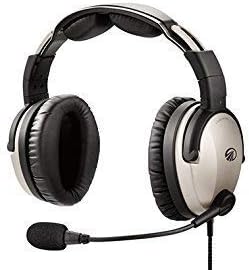
- Pilot and aviation headsets: Look for the connection type, microphone design, control layout, wearing comfort, and any listed noise-reduction or communication features.
- Communication accessories: Cables, adapters, intercom-related equipment, and replacement components should match the aircraft and the primary headset or radio.
- Navigation and flight-reference products: Charts and related materials should be checked for coverage, format, edition information when provided, and how they will be stored or used in the cockpit.
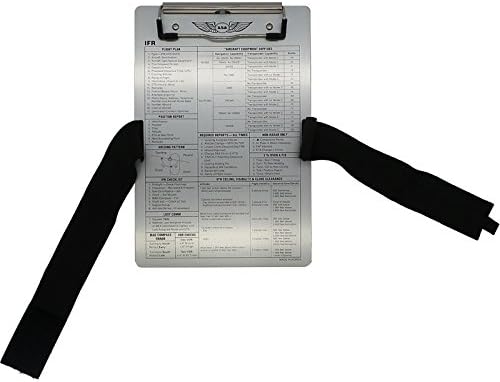
- Cockpit and organization accessories: Mounting, storage, lighting, or device-support products should be evaluated for fit, visibility, portability, and secure use.
For broader vehicle-related equipment, browse Car Electronics or Vehicle Electronics Accessories. Shoppers comparing equipment across transportation categories may also want to explore Marine Electronics.
Features and specifications to compare
For headsets and communication equipment, pay close attention to audio connections, microphone placement, cable length, control options, and power source. A product that uses batteries may offer portability, while a different design may be intended to draw power from the aircraft or another connected system. The product listing should clarify the relevant requirements.
Comfort can matter during long periods of use. Compare headband construction, ear-cup design, weight when listed, adjustability, and the availability of replaceable parts. If the headset will be shared, consider how easily it can be adjusted and cleaned between users.
For charts and reference materials, check the coverage area, format, storage needs, and any identifying publication details shown in the listing. For mounts and accessories, confirm dimensions, attachment method, and whether the product is intended for a particular device or aircraft setup.
Brands represented in the catalog
The catalog includes aviation-related products from ASA, David Clark, Jeppesen Sanderson, Inc., FAA Charts, KORE AVIATION, Lightspeed, Rugged. Air, R SPIDER WIRELESS, FLYBOYS, Jeppesen, Bose, and KMD Aero. These brands cover several types of aviation equipment and reference products; compare the specifications of individual items rather than treating the brand alone as a guarantee of fit.
Compatibility and purchase tips
Before selecting a product, compare its specifications with the equipment already installed or carried in the aircraft. Pay particular attention to connector standards, battery type, device dimensions, and included accessories. If a listing gives a specific aircraft, radio, intercom, or device compatibility statement, use that information as a starting point and verify it against your setup.
For cockpit use, choose equipment that can be stored securely and operated without unnecessary distraction. Keep cables organized, protect charts and electronics from damage, and follow the aircraft manufacturer’s guidance for installed or connected equipment. When details are unclear, consult the product documentation or an appropriately qualified aviation professional before purchase.
Frequently asked questions
What should I check first when buying aviation electronics?
Start with the product’s intended function and compatibility requirements. Then compare connections, power needs, dimensions, included accessories, and operating controls.
Are aviation headsets interchangeable between aircraft?
Not always. Connector types, audio systems, power arrangements, and aircraft wiring can differ, so verify compatibility with the specific aircraft and intercom setup.
What matters most for a pilot headset?
Connection type, microphone configuration, comfort, controls, power requirements, and the listed noise-reduction features are important comparison points.
How should I compare aviation charts and reference products?
Review coverage, format, publication details when provided, storage requirements, and whether the product suits the way you plan and conduct flights.
Should I buy accessories from the same brand as my main equipment?
A matching brand is not automatically required. The key considerations are the connector, dimensions, intended use, and compatibility information supplied for both products.