

Marine Electronics for Navigation, Safety & Audio
Compare marine electronics for navigation, fish finding, communication, audio and boat-specific installation. Review specifications and features to narrow options for your vessel and typical water conditions.
290 products in catalog
290 results
Filters


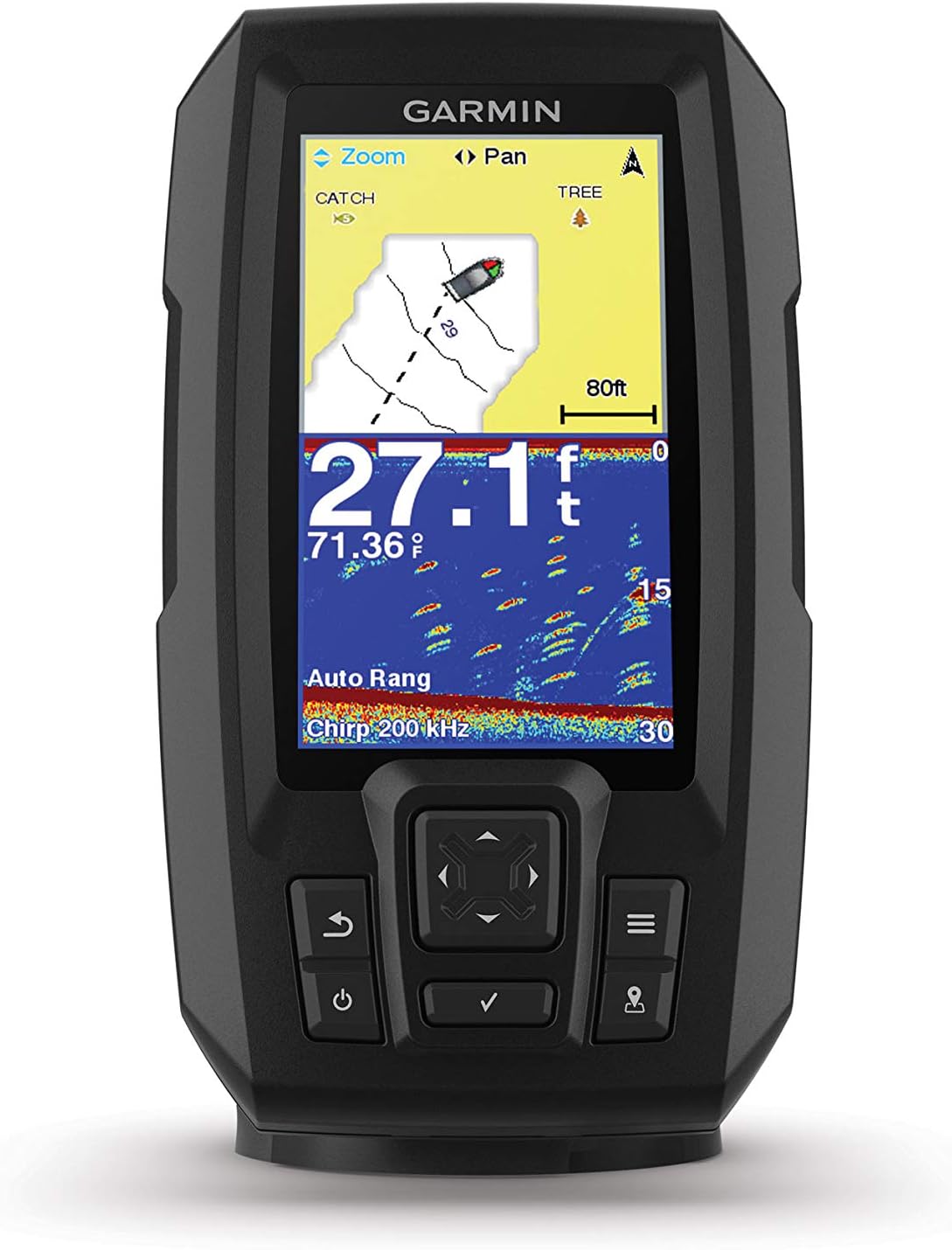

RAM Mounts
RAM Mounts Garmin Marine Electronic Mount RAM-B-111U with Medium Arm Compatible with Select Garmin Devices
See current price
RAM Mounts
RAM Mounts Garmin Marine Electronic Mount RAM-B-111U with Medium Arm Compatible with Select Garmin Devices
See current price

Mercury
VesselView Mobile - Connected Boat Engine System for iOS and Android Devices
See current price
Mercury
VesselView Mobile - Connected Boat Engine System for iOS and Android Devices
See current price


BOSS Audio Systems
BOSS Audio Systems MR6W 180 Watt Per Pair, 6.5 Inch, Full Range, 2 Way Weatherproof Marine Speakers Sold in Pairs, White
See current price



Ancor
Ancor Marine Grade Products NMEA 2000 Backbone Cables Drop Cables Tees Terminators Kits
See current price


Humminbird
Humminbird 410950-1NAV HELIX 7 CHIRP MSI (MEGA Side Imaging) GPS G3 NAV Fish Finder
See current price
Popular brands in Marine Electronics
Marine electronics can support safer navigation, help locate fish, provide communication on the water and make time aboard more enjoyable. The right setup depends on your boat, installation space, power system, operating environment and the activities you plan to pursue.
This K-Catalog category brings together marine-focused equipment from brands including Pyle, Garmin, Humminbird, Lowrance, Lucky, BOSS Audio Systems, STANDARD HORIZON, Sony, Shakespeare, Herdio, Hawkeye and KENWOOD. Compare the specifications and features of each product, then check the current price and purchase details on Amazon.
How to choose marine electronics
Start with the job the equipment needs to perform. A navigation-focused setup has different priorities from a fishing setup, while a boat audio system may need to withstand conditions that would quickly damage ordinary consumer electronics.
Consider these questions before comparing products:
- What is the main use? Navigation, sonar, emergency communication, music or a combination of functions may point to different equipment.
- Where will it be installed? Measure the available console, dash, cabin or mounting area and check whether the display or control panel can be viewed comfortably.
- How will it connect? Review power requirements, wiring, transducer connections, antenna compatibility and any network or device connections you need.
- What conditions will it face? Exposure to spray, moisture, sunlight, vibration and saltwater makes marine-appropriate construction and protection important.
- How easy is it to operate? Controls, screen layout, visibility and menu design matter when attention needs to remain on the water.
Main types of marine electronics
Marine electronics cover several practical groups rather than one single product type. Navigation equipment may provide chart-based guidance, location information or trip data. When comparing these products, check display size, mapping support, positioning features, mounting options and the information shown on screen.
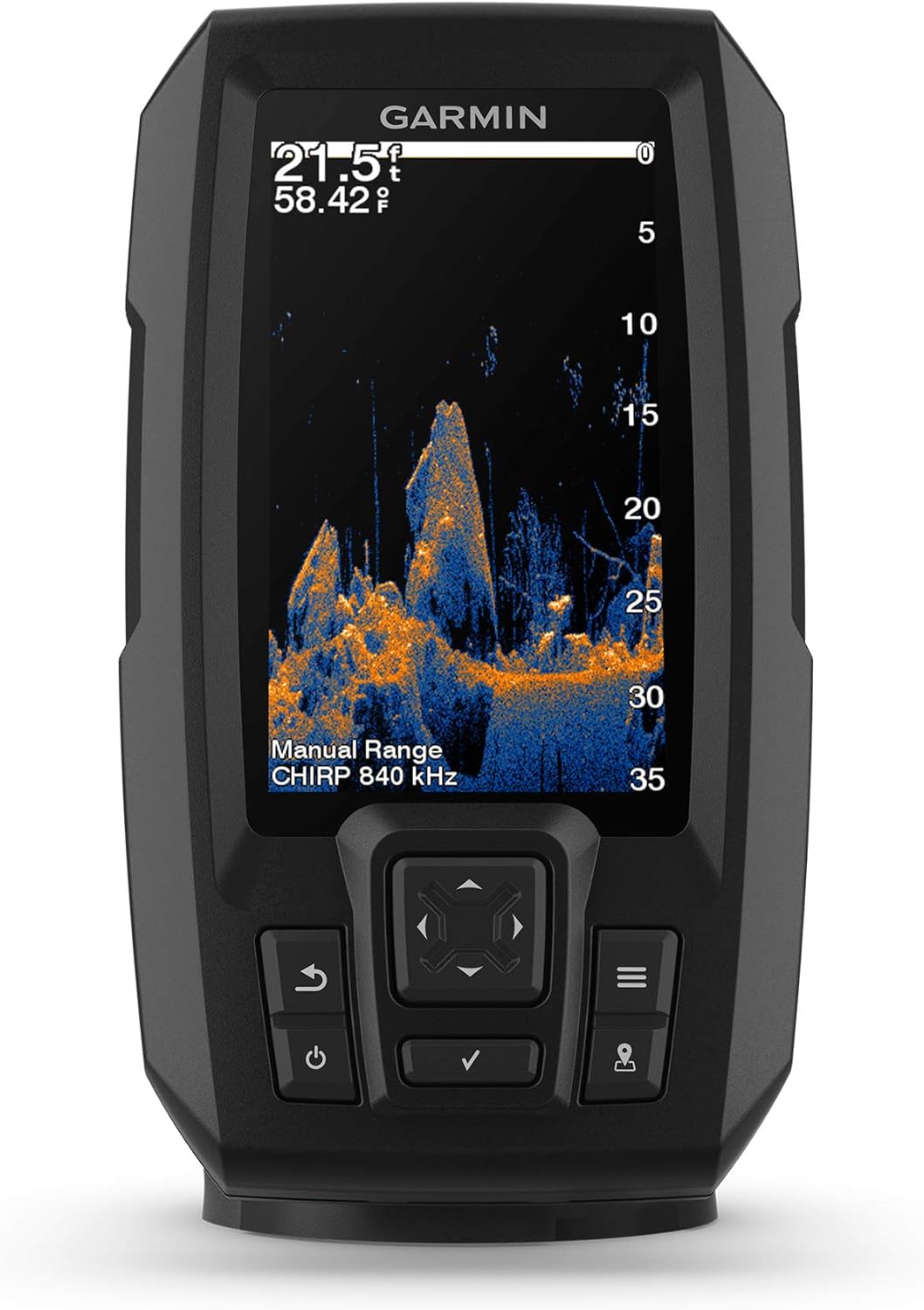
Fish finders and sonar equipment use a display to help interpret underwater conditions. Compare the included or compatible transducer, sonar functions, depth capability, display readability and installation requirements. Anglers should also consider whether the unit is intended for a small boat, kayak or larger vessel, since mounting and power needs can differ.
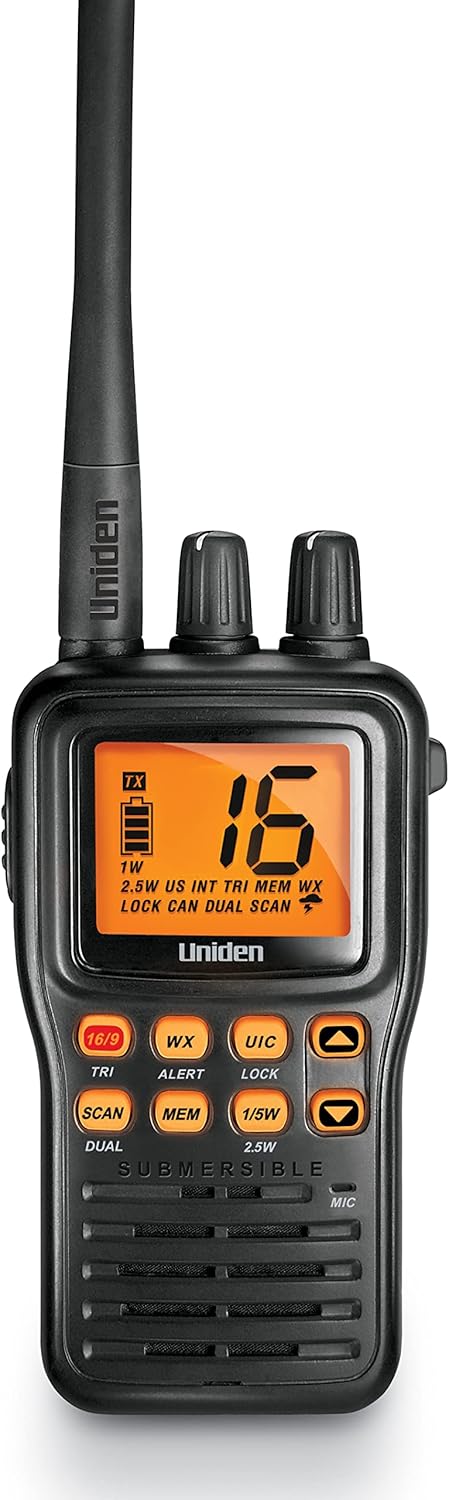
Marine radios are designed for communication and safety on the water. Review the radio type, operating controls, antenna requirements, weather-related functions and installation format. A handheld unit may suit portability, while a fixed-mount design may be better for a dedicated helm installation.
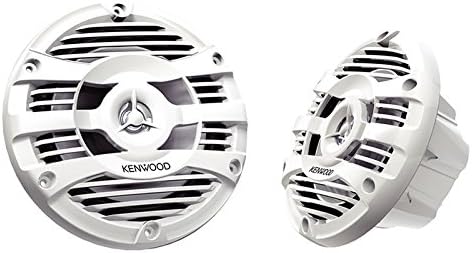
Marine audio products can include receivers, speakers and related components. Look for water-resistant or marine-oriented construction, speaker size, mounting depth, input options, wireless connectivity and compatibility with the boat’s power system. A product designed for a vehicle does not automatically suit a wet marine environment, so confirm the intended application carefully.
Key specifications and features to compare
Product descriptions can look similar while their installation needs and capabilities differ. Pay close attention to:
- Display and controls: Screen visibility in bright light, touch or button controls, backlighting and readability from the helm.
- Power requirements: Voltage, wiring, fuse requirements and expected draw in relation to the boat’s electrical system.
- Mounting format: Flush-mount, bracket, portable or surface-mount designs, along with the space required around the unit.
- Water and corrosion protection: Check the stated protection or marine-use information rather than assuming every component has the same resistance.
- Connections: Transducers, antennas, speakers, smartphones, memory cards and other accessories may require specific ports or standards.
- Included equipment: Confirm whether brackets, cables, antennas, transducers, mounting hardware or remote controls are included.
- Compatibility: Verify that the product works with your boat, existing electronics and intended accessories before ordering.
Brands represented in the catalog
The catalog includes marine-related products from Garmin, Humminbird, Lowrance, Lucky and Hawkeye, along with communication and antenna options from STANDARD HORIZON and Shakespeare. Pyle, BOSS Audio Systems, Sony, Herdio and KENWOOD are also represented across relevant electronics and audio equipment. Brand presence is useful for comparing product ranges, but the specifications of the individual item should guide the final choice.
Installation and use tips
Read the installation instructions before selecting a mounting location. Keep displays visible without blocking essential controls, route cables away from pinch points and protect connections from moisture. Confirm polarity and power requirements before connecting equipment, and use the recommended fuse or protection method.
For antenna-based equipment, placement can affect performance, so check the manufacturer’s guidance and the required cable type. For speakers and audio components, verify cutout dimensions and mounting depth before making permanent changes to the boat. After installation, inspect seals, connectors and brackets periodically, especially when equipment is exposed to saltwater or frequent vibration.
You can also browse Car Electronics and Vehicle Electronics Accessories for adjacent vehicle-focused equipment. Aviation Electronics is another related catalog area, though aviation products should not be assumed compatible with marine systems.
Frequently asked questions
What should be installed first on a boat?
Start with the equipment most important to your use, such as navigation, sonar or communication. Confirm its power, mounting and connection requirements before adding compatible accessories.
Are all marine electronics waterproof?
No. Protection varies by product and component. Check the stated water-resistance or marine-use specifications, and pay particular attention to exposed connectors and mounting locations.
How do I choose the right marine display?
Compare screen visibility, control style, mounting space, power needs, mapping or sonar functions and compatibility with any transducer or networked equipment you plan to use.
Do marine speakers need special features?
Marine-oriented speakers generally need construction suited to moisture, sunlight and corrosion exposure. Check the product specifications, mounting dimensions and compatibility with the receiver or amplifier.
Can a car stereo be used on a boat?
Not necessarily. A vehicle stereo may not have the environmental protection or installation features needed aboard a boat. Confirm the product’s intended use and protection specifications before choosing it.